Signature Procedure | Submental Sculpting: Where Anatomy Guides Aesthetic Precision

Dr. Lara Devgan demonstrates her Signature Submental Sculpting Procedure in this TikTok.


Submental Sculpting: Where Anatomy Guides Aesthetic Precision

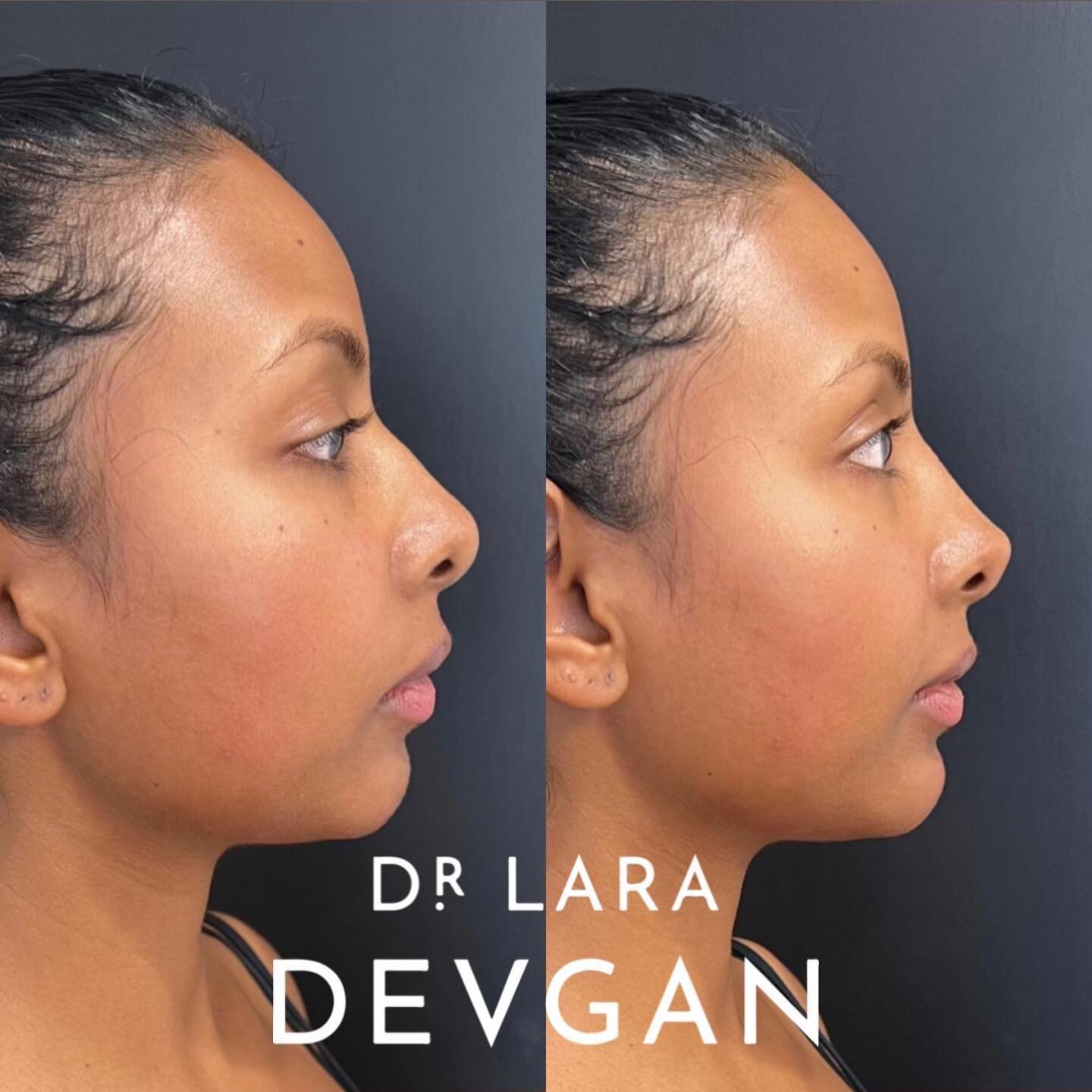
Submental sculpting, as I perform it, is not a reductive procedure—it is a study in balance, restraint, and anatomical clarity. The goal extends far beyond simply removing volume beneath the chin. Instead, it is about restoring structure: reestablishing the cervicomental angle, refining mandibular definition, and creating a seamless transition between the face and neck.

At its core, this approach is dictated by anatomy, not excess alone.

Every maneuver is deliberate. Rather than treating the submental area as a uniform space, I work in controlled, plane-specific layers. This allows for precise modulation of volume while preserving the integrity of surrounding structures. The platysma is carefully respected, and critical anatomical elements are safeguarded at every step. This level of precision ensures that the result is not only aesthetically refined, but structurally sound.

What distinguishes this technique is not how much is removed—but how thoughtfully it is done.

Vector, depth, and distribution are continuously calibrated to the individual. No two faces are treated the same, because no two anatomical frameworks are identical. The intention is to support the overlying soft tissue envelope, not undermine it. Over-reduction can lead to collapse or irregularity; instead, the sculpting process is designed to maintain harmony, allowing the skin and soft tissues to redrape naturally over a refined foundation.

This is where surgical discipline meets artistic judgment.

Generic contouring often focuses on subtraction alone. In contrast, submental sculpting is a reconstructive process—one that considers proportion, light, shadow, and how subtle changes in structure influence the entire lower face. The outcome is not a dramatic alteration, but a quiet restoration of definition and clarity.

The most successful results are often the least obvious.

When performed with precision and restraint, submental sculpting does not announce itself. It simply reveals a more defined jawline, a cleaner neckline, and a natural sense of proportion that feels inherently aligned with the patient’s features.

This is not about chasing sharpness or exaggeration. It is about restoring balance—guided by anatomy, executed with intention, and refined through experience.


Appointment Inquiries

For inquiries and appointments, please email appointments at appointments@laradevganmd.com or call 212-452-2400. You may also use the following button to schedule an appointment online. We look forward to hearing from you. Thank you!

Signature Procedure | A Closer Look at Nonsurgical Buttock Augmentation Using Poly-L-Lactic Acid

Dr. Lara Devgan demonstrates her Signature Nonsurgical Buttock Augmentation Procedure in this TikTok.


A Closer Look at Nonsurgical Buttock Augmentation Using Poly-L-Lactic Acid

In the world of aesthetic treatments, there’s a growing shift away from dramatic, overfilled results toward subtle, refined enhancement. Nonsurgical buttock augmentation using poly-L-lactic acid (PLLA) sits right at the center of that evolution—offering a way to improve shape, smoothness, and overall skin quality without surgery or exaggerated volume.

This is not about becoming someone else. It’s about elevating what you already have.

What Is Poly-L-Lactic Acid and How Does It Work?

Poly-L-lactic acid is a biostimulatory injectable that works by encouraging your body to produce its own collagen over time. Instead of acting like a traditional filler that simply adds volume, PLLA stimulates gradual tissue regeneration beneath the skin.

Think of it less as “filling” and more as “rebuilding.”

Once injected, PLLA particles trigger a natural collagen response. Over the following weeks and months, your body lays down new collagen in the treated areas, leading to smoother skin, improved firmness, and subtle volume enhancement.

What This Treatment Is (and What It Isn’t)

This approach is ideal for patients who want:

  • Improved skin texture

  • Reduction in the appearance of cellulite

  • Enhanced contour and shape of the buttocks and hips

  • A more lifted, airbrushed look—while still fitting into the same size jeans

What it is not designed for:

  • Dramatic enlargement

  • Exaggerated or highly augmented results

If your goal is a noticeably larger size, this likely isn’t the right treatment. PLLA is about refinement, not transformation.

The Treatment Process: A Gradual Build

Unlike one-and-done procedures, nonsurgical buttock augmentation with PLLA is a process.

Patients typically require a minimum of two sessions, spaced at least one month apart:

  • The first session acts as the foundation—like planting seeds in a garden

  • The second session builds on that foundation—like watering those seeds

From there, collagen production continues gradually. Results don’t appear overnight. Instead, they bloom slowly over the following months, creating a natural progression that avoids the telltale signs of aesthetic work.

How Much Product Is Needed?

This is where expectations need to be grounded in reality.

Because PLLA works by stimulating collagen rather than instantly adding bulk, achieving meaningful results requires a significant amount of product. Most patients need 10 to 50+ vials per session, depending on their anatomy and goals.

It’s a commitment—but it’s also what allows for a smooth, even, and predictable outcome.

Additional sessions can be performed as needed to further refine or enhance the result.

Longevity: Short-Term Product, Long-Term Benefit

The PLLA product itself typically lasts 2 to 5 years. However, the collagen your body produces in response can persist far beyond that.

In other words, you’re not just maintaining an injectable—you’re investing in your own tissue quality. That’s what makes this approach so compelling: the results evolve with you rather than fading abruptly.

Why Patients Love It

What sets PLLA apart is how undetectable the results are.

There’s no sudden change. No obvious “before and after.” Just a steady improvement:

  • Skin looks tighter

  • Texture appears smoother

  • Contours become more balanced

The end result is a physique that looks subtly enhanced—firmer, more sculpted, and naturally refined.

The Takeaway

Nonsurgical buttock augmentation with poly-L-lactic acid is not a shortcut to dramatic curves. It’s a long-game strategy for patients who value natural-looking results, improved skin quality, and structural enhancement from within.

It requires patience, multiple sessions, and a realistic mindset—but for the right candidate, it delivers something that’s hard to replicate: a smooth, lifted, and quietly confident result that doesn’t look “done”… just better.


Appointment Inquiries

For inquiries and appointments, please email appointments at appointments@laradevganmd.com or call 212-452-2400. You may also use the following button to schedule an appointment online. We look forward to hearing from you. Thank you!

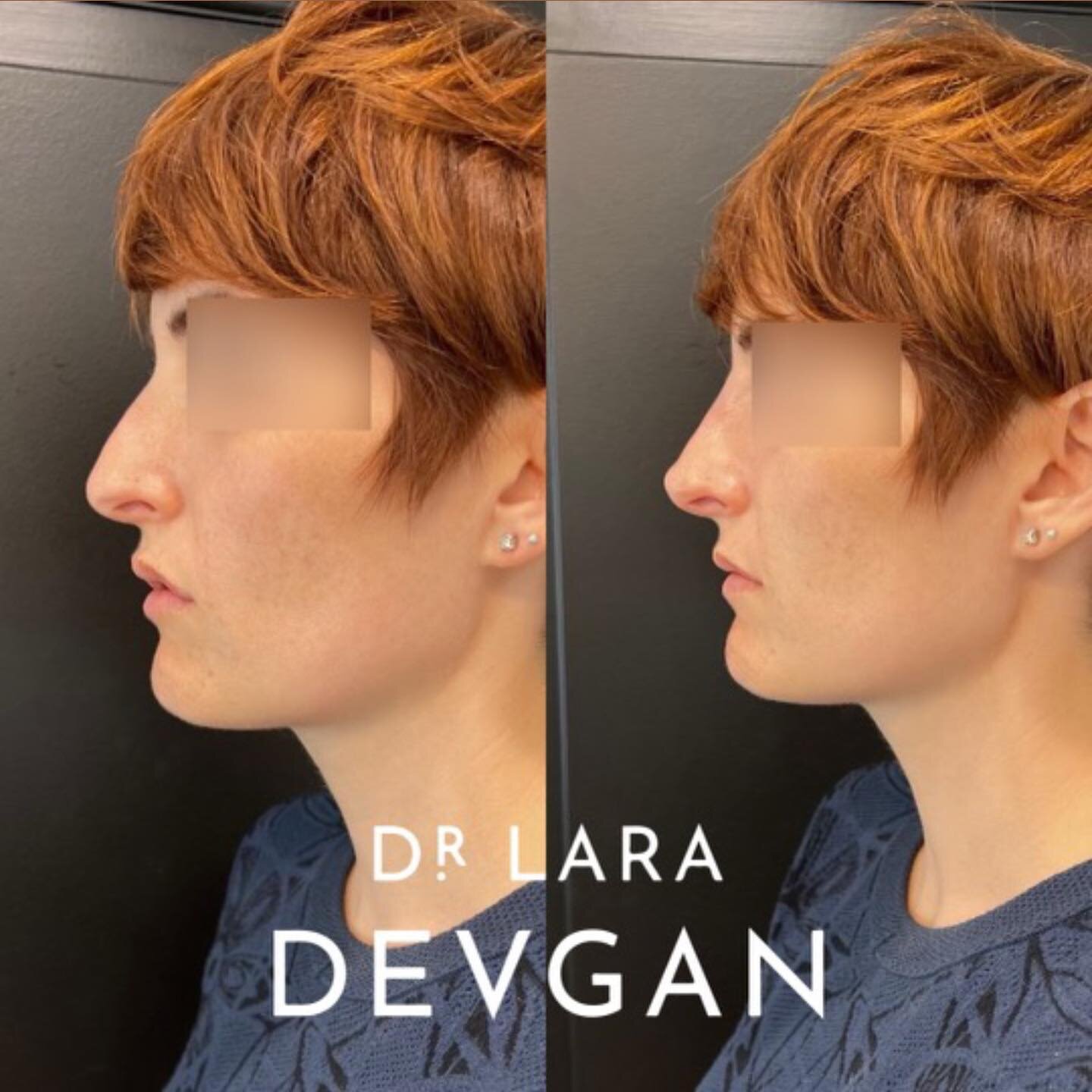
Signature Procedure | Rhinoplasty: Splint Removal

Dr. Lara Devgan demonstrates the removal of a nose splint following her Signature Rhinoplasty Procedure.


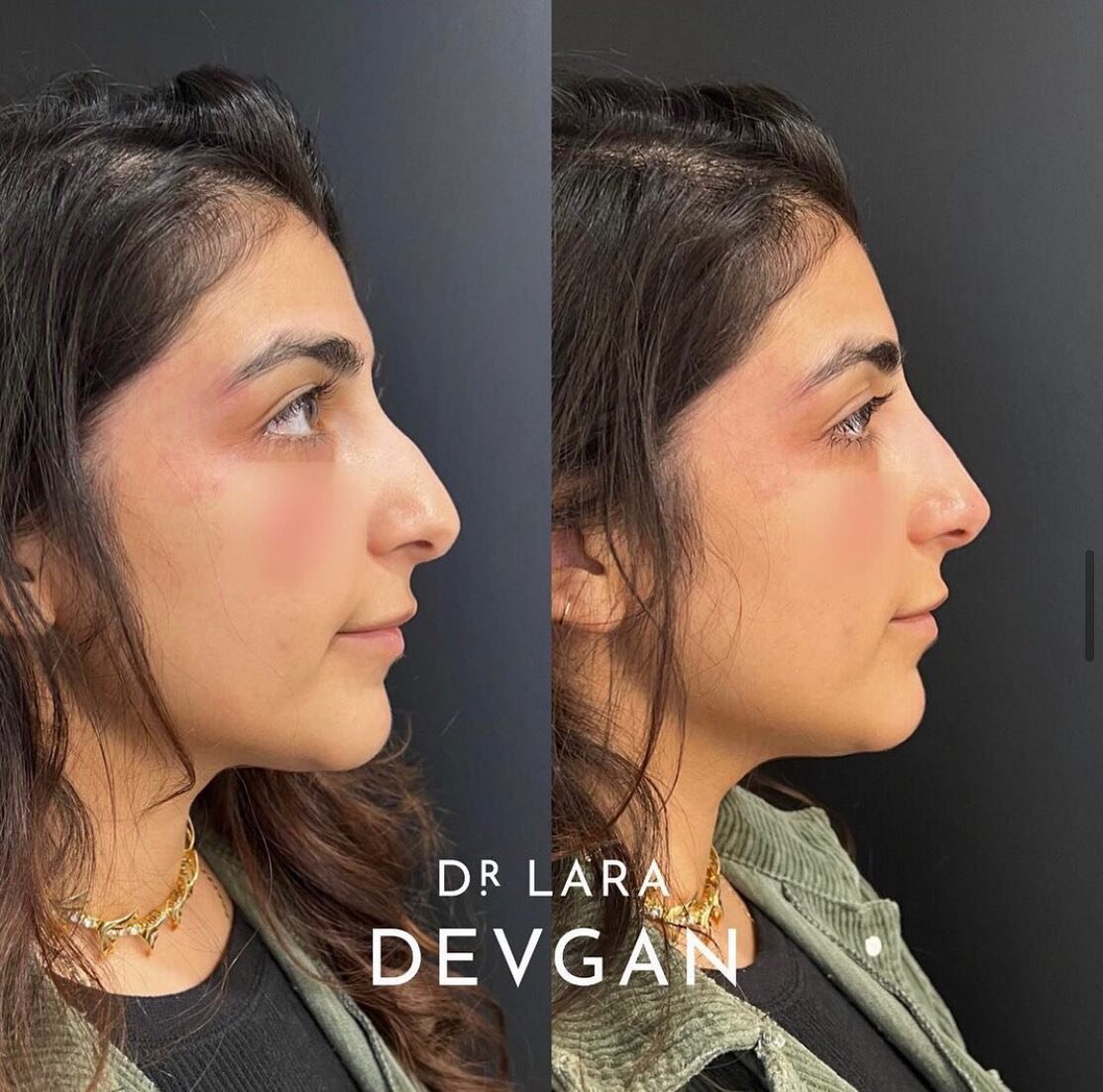
Removing the Splint 6 Days After Finesse Surgical Rhinoplasty for a Natural Result with a Refined Tip and Straight Bridge

Rhinoplasty has evolved far beyond dramatic transformations and overdone results. Today, the goal for many patients is subtle refinement—enhancing what’s already there while preserving natural character. This is especially true with finesse surgical rhinoplasty, a technique focused on precision, minimal trauma, and controlled, elegant outcomes. One of the most exciting milestones in this process comes just six days after surgery: splint removal.

Why the Splint Matters in the First Place

After rhinoplasty, a nasal splint is applied to protect the newly sculpted structures, maintain alignment, and minimize swelling. It acts as a stabilizing shell while the delicate internal work begins to set. During this early healing phase, even minor shifts could affect the final outcome, so the splint plays a critical role.

With finesse techniques, however, the surgical approach is intentionally less aggressive. That means less disruption to tissue, more preservation of structure, and ultimately a more predictable healing process. Because of this, patients are often ready to have their splint removed as early as day six.

What Happens at Day Six

Splint removal is a quick and painless in-office visit, but it carries a lot of emotional weight. This is the first real glimpse of your new nose.

At this stage, you can expect to see:

  • A straighter nasal bridge, free of previous bumps or irregularities

  • A refined nasal tip that looks more structured but not over-rotated or artificial

  • Overall improved balance with your facial features

It’s important to understand that while the changes are visible immediately, swelling is still present—especially in the tip. What you’re seeing is an early version of your result, not the final form.

The “Natural” Look Starts Here

One of the biggest concerns patients have is looking “done.” The finesse approach directly addresses this by avoiding over-resection and instead sculpting with restraint.

At six days post-op, this philosophy becomes clear:

  • The nose doesn’t look drastically different at first glance—it looks better, not different

  • The bridge appears smooth and straight without looking flattened

  • The tip is refined but still soft, not pinched or sharp

This is the hallmark of a successful natural rhinoplasty: people notice you look great, but they can’t quite pinpoint why.

Swelling, Healing, and Patience

Even though the splint is off, healing is far from over. Expect:

  • Mild swelling, especially in the mornings

  • Gradual definition of the tip over weeks to months

  • Continued refinement of contours as tissues settle

Most patients feel comfortable being seen socially shortly after splint removal, often with minimal signs of surgery.

Why Timing Matters

Removing the splint at day six strikes a balance between protection and progression. Leave it on too long, and you delay that first look and potentially trap unnecessary swelling. Remove it too early, and you risk compromising structural stability.

With finesse rhinoplasty, the precision of the surgery allows for this earlier reveal without sacrificing safety or results.

The Takeaway

Day six is a turning point. It’s where careful surgical planning meets visible transformation. The splint comes off, and in its place is a nose that already hints at the final result: a straight, elegant bridge and a refined, natural-looking tip that fits your face—not someone else’s ideal.

The real magic of finesse rhinoplasty isn’t just what changes. It’s what stays the same—your identity, your expressions, your individuality—just elevated.


Appointment Inquiries

For inquiries and appointments, please email appointments at appointments@laradevganmd.com or call 212-452-2400. You may also use the following button to schedule an appointment online. We look forward to hearing from you. Thank you!
Doctor's Notes | Breast Implants: How to Choose the Right Ones for You

In this TikTok, Dr. Lara Devgan gives an overview on breast implants.


Breast Implants: How to Choose the Right Ones for You

Breast augmentation is one of the most personalized procedures in aesthetic surgery—and also one of the most misunderstood. The goal isn’t simply to “go bigger.” It’s to create balance, proportion, and a result that feels aligned with your body and your identity.

Choosing the right implants comes down to a series of decisions that work together: size, shape, material, profile, and placement. None of these exist in isolation. The best outcomes happen when every variable is tailored to you.

Start with the Outcome, Not the Implant

Most people begin by asking, “What size implant should I get?” But cup size is a flawed starting point. Bra sizing is inconsistent across brands, and implants don’t translate cleanly into cup sizes.

A better approach is to define your goal:

  • Do you want a subtle, natural enhancement or a more dramatic change?

  • Are you trying to restore volume after weight loss or pregnancy?

  • Do you want more fullness at the top of the breast, or a softer, sloped contour?

Your answers shape every technical decision that follows.

Implant Type: Silicone vs. Saline

There are two primary types of breast implants:

Silicone implants are filled with a cohesive gel that closely mimics the feel of natural breast tissue. They tend to look and feel more natural, especially in patients with less existing breast volume.

Saline implants are filled with sterile saltwater. They’re inserted empty and filled during surgery, which allows for smaller incisions. However, they can feel less natural and are more prone to visible rippling in thinner patients.

For most patients today, silicone is the preferred choice—but the right option depends on your anatomy and priorities.

Shape: Round vs. Anatomical

Round implants are the most commonly used. They provide fullness in the upper portion of the breast and maintain their shape regardless of position. They’re versatile and can look very natural when sized appropriately.

Anatomical (teardrop-shaped) implants are designed to mimic the natural slope of the breast. While they can be effective in select cases, they come with trade-offs—most notably the risk of rotation, which can distort breast shape.

In modern practice, many surgeons favor round implants because they achieve natural results with fewer long-term concerns.

Profile: How Far the Implant Projects

Profile refers to how much the implant projects outward from the chest wall. Options typically range from low to extra-high.

  • Low profile: wider base, less projection

  • Moderate profile: balanced width and projection

  • High profile: narrower base, more projection

Your chest width plays a major role here. A narrower chest often pairs better with higher-profile implants, while a wider chest may suit moderate or low profiles. Choosing the wrong profile can throw off proportions—even if the volume is technically “correct.”

Size: It’s About Proportion, Not Numbers

Implant size is measured in cubic centimeters (cc), not cup sizes. But the number itself is only part of the story.

The same implant can look completely different on two people. Factors like chest width, existing breast tissue, skin elasticity, and body frame all influence the final result.

This is why experienced surgeons often use sizers, imaging, or in-office simulations—to help you visualize how different volumes will look on your body, not just in theory.

Placement: Above or Below the Muscle

Implants can be placed either:

  • Under the chest muscle (submuscular)

  • Over the muscle (subglandular)

Under-the-muscle placement tends to look more natural in patients with less existing tissue and reduces the risk of visible rippling. It’s also associated with a lower risk of certain complications.

Over-the-muscle placement may be appropriate for patients with more natural breast volume or specific aesthetic goals. It can involve a shorter recovery but requires careful patient selection.

Incision Options and Scarring

Common incision locations include:

  • Inframammary (under the breast fold)

  • Periareolar (around the nipple)

  • Transaxillary (through the armpit)

Each has its pros and cons, but the inframammary approach is the most widely used today because it provides excellent visibility and control while keeping scars well-hidden.

Longevity and Maintenance

Breast implants are not considered lifetime devices—but they also don’t have an expiration date. Many patients keep the same implants for 10–20 years or longer without issues.

You may choose (or need) to replace them over time due to:

  • Natural aging of the breast

  • Changes in preference

  • Implant rupture or complications

Routine monitoring, especially with silicone implants, is recommended to ensure long-term safety.

The Most Important Factor: Your Surgeon

All the choices above matter—but none matter more than the judgment of your surgeon. The right surgeon doesn’t just ask what you want. They assess your anatomy, guide your expectations, and design a plan that will age well over time.

A great result doesn’t announce itself. It looks effortless, balanced, and completely your own.

Bottom Line

There’s no universal “best” breast implant—only the one that best fits you.

When done right, breast augmentation doesn’t change who you are. It refines your proportions, enhances your confidence, and brings your body into alignment with how you want to feel.


Doctor's Notes | What is the Optimal Age for a Woman's Facelift?

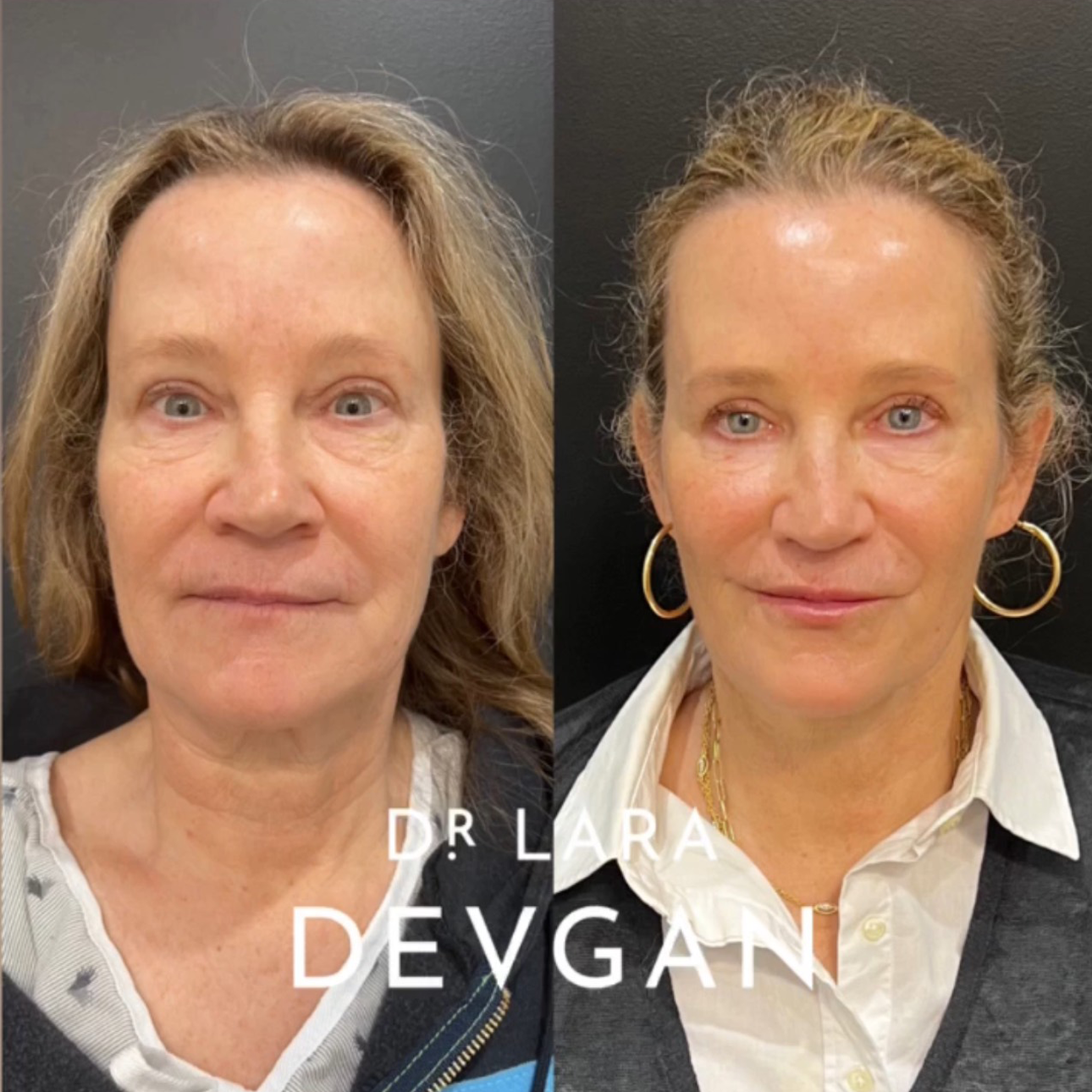
NYC Plastic Surgeon Facelift

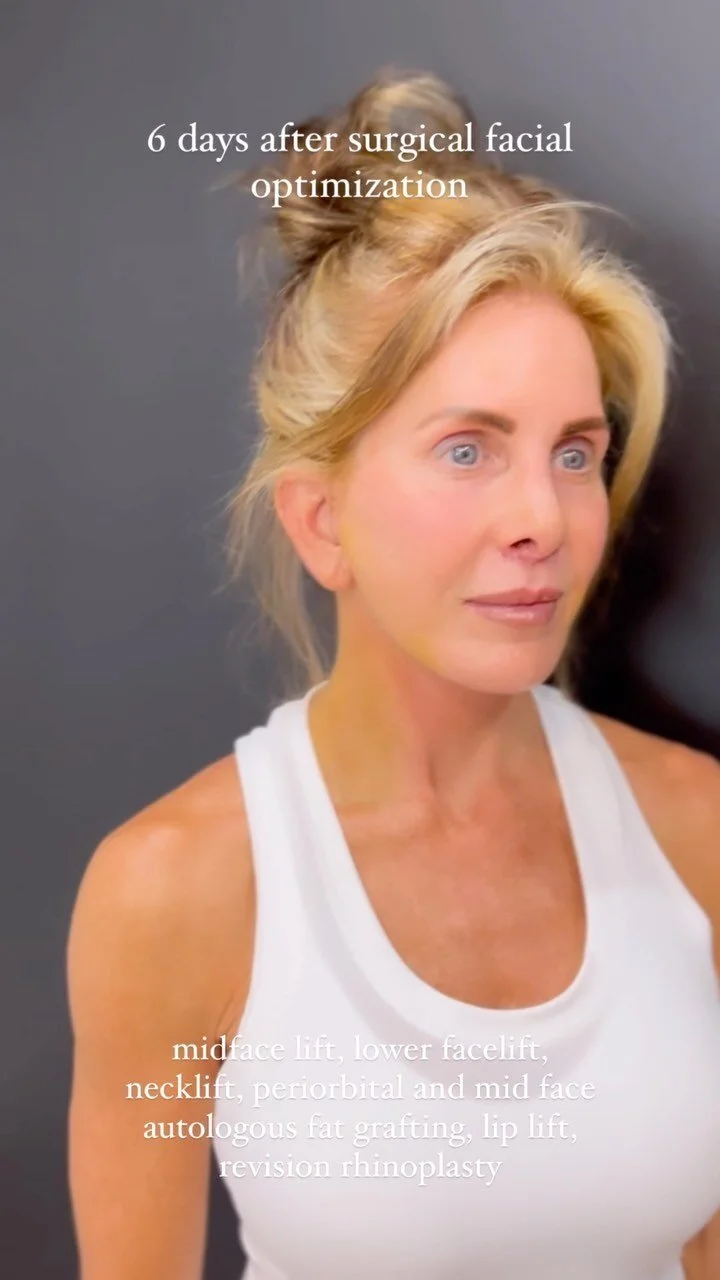
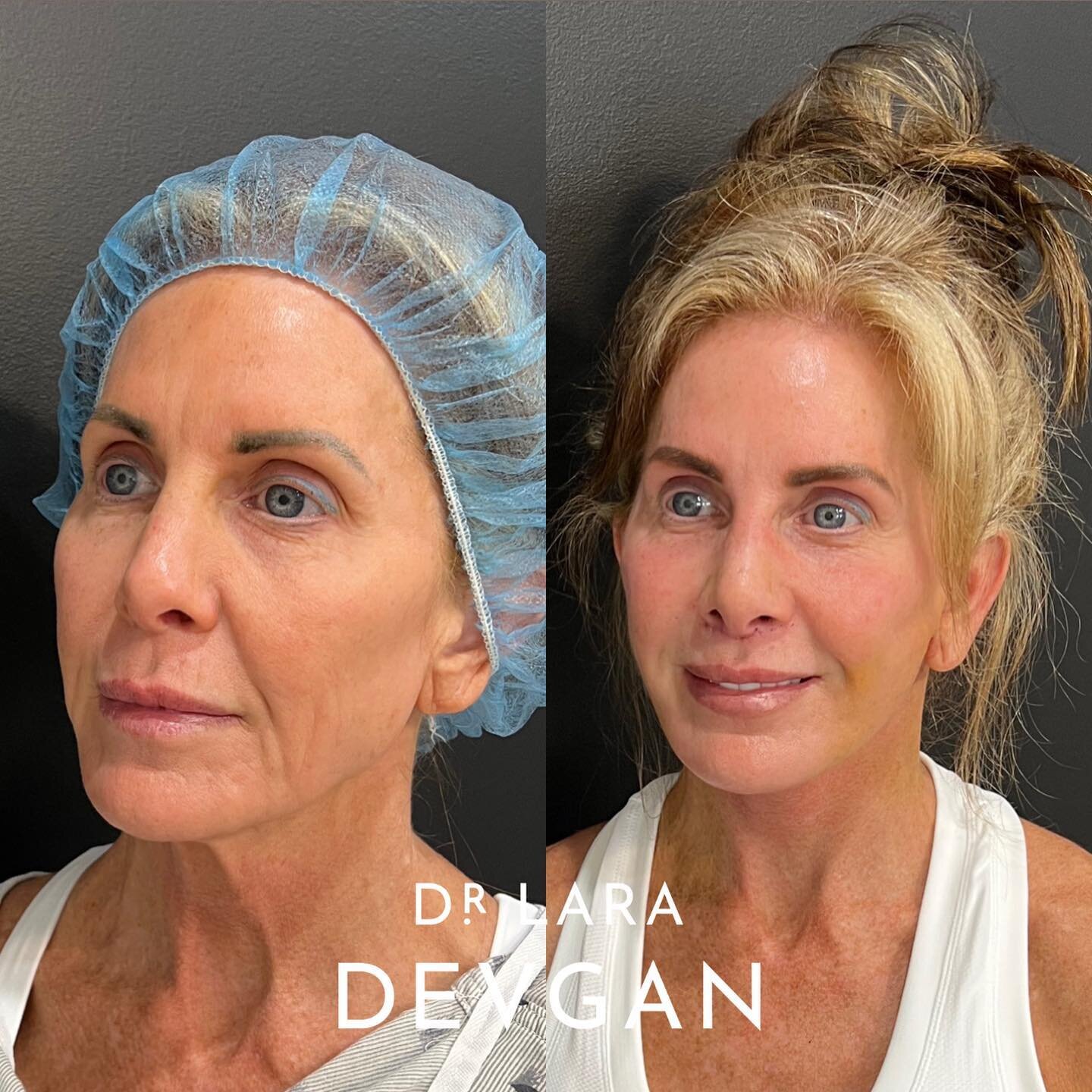
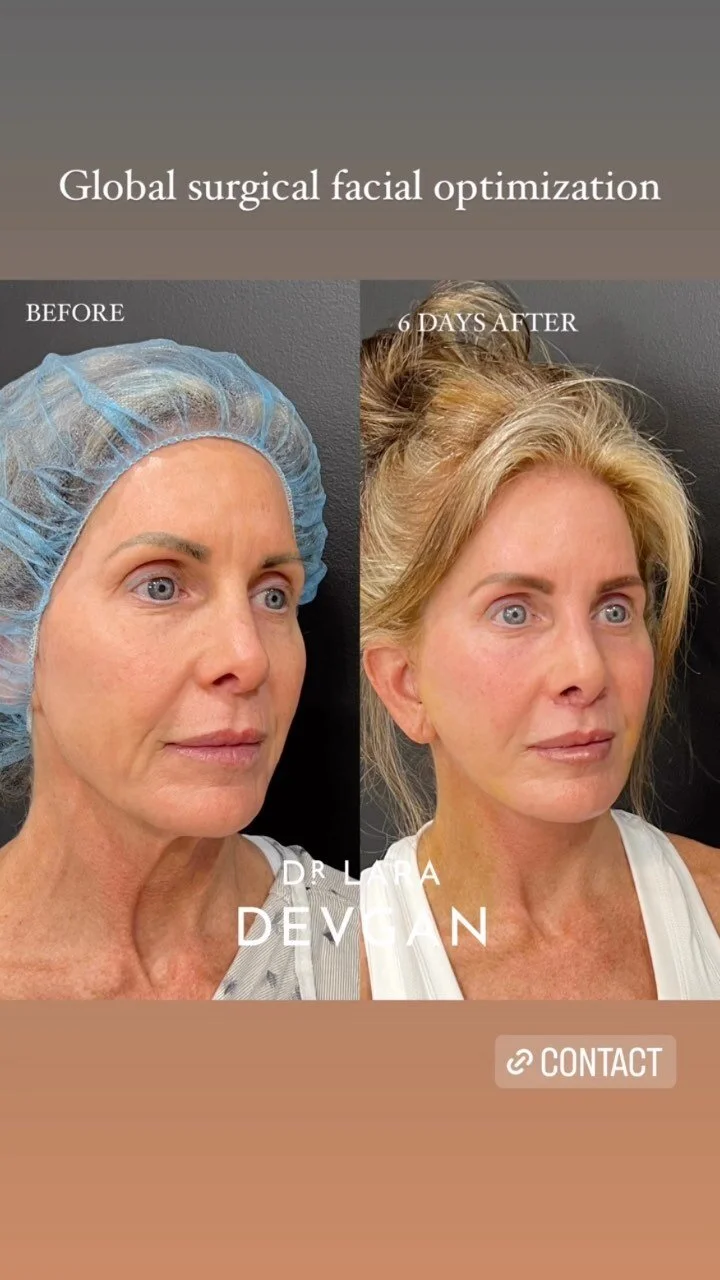
Signature Procedure | Facelift (click the image for more information)


What Is the Optimal Age for a Woman’s Facelift?

The idea that there’s a single “perfect age” for a facelift is one of the most persistent myths in aesthetic medicine. The truth is more nuanced—and far more empowering. The optimal timing for a facelift isn’t defined by a number. It’s defined by anatomy, aging patterns, and personal goals.

Why Age Alone Isn’t the Right Metric

Two women at the same age can have dramatically different faces. Genetics, sun exposure, skincare, lifestyle, and weight fluctuations all influence how the face ages. Some women in their early 40s may show significant skin laxity and jowling, while others in their late 50s maintain strong structural support with minimal sagging.

A facelift addresses structural aging—specifically the descent of facial tissues, loss of jawline definition, and laxity in the neck. These changes don’t follow a strict timeline. They appear gradually and differently for everyone.

The Real “Sweet Spot”

Most surgeons agree there is a general window where facelift results tend to be most impactful and natural: typically the mid-40s to mid-50s.

At this stage:

  • Skin still has enough elasticity to heal well and redrape smoothly

  • Aging changes are visible but not extreme

  • The procedure can deliver a significant improvement without looking “overdone”

Patients in this range often achieve the most balanced outcome: refreshed, defined, and natural—without signaling that surgery was performed.

What Happens If You Do It Too Early?

There’s a growing trend of younger patients (late 30s to early 40s) seeking facelifts. While early intervention can be appealing, it’s not always the right move.

If structural aging hasn’t fully developed:

  • Results may be subtle relative to the invasiveness

  • You may “use up” a surgical intervention earlier than necessary

  • Non-surgical treatments (like injectables, skin tightening, or laser resurfacing) may be more appropriate

That said, in select cases—especially with strong genetic predisposition to early sagging—a conservative, well-executed facelift can be justified earlier.

What About Waiting Too Long?

On the other end, waiting into the 60s or beyond doesn’t disqualify someone from a facelift—but it can change the equation.

Later-stage aging often includes:

  • More significant skin laxity

  • Deeper folds and volume loss

  • Reduced skin elasticity

While excellent results are still achievable, they may require more extensive surgery, and the outcome may lean more toward “restoration” than subtle refinement. Recovery can also be longer.

The Role of Modern Techniques

Today’s facelift techniques have evolved significantly. Deep plane and SMAS-based approaches focus on repositioning underlying structures—not just tightening skin. This leads to more natural, longer-lasting results across a wider age range.

Because of this, the conversation has shifted away from “When should I get a facelift?” to “When will a facelift give me the best version of myself?”

The Right Question to Ask

Instead of focusing on age, the better question is:
“Am I starting to see changes that can only be corrected surgically?”

If you notice:

  • Loss of jawline definition

  • Jowling

  • Neck laxity

  • A tired or heavy lower face

—and these concerns don’t respond meaningfully to non-surgical treatments—it may be the right time to consider a facelift.

A Personalized Decision

Ultimately, the optimal timing is personal. It depends on your anatomy, your tolerance for aging changes, and your aesthetic goals.

The best outcomes happen when:

  • The procedure is done neither too early nor too late

  • The surgeon tailors the approach to your unique structure

  • The goal is refinement, not transformation

A facelift should never make you look like someone else. It should make you look like yourself—just at your best.

Bottom Line

There’s no universal “right age” for a facelift. But there is a right time for you. And it’s defined less by the calendar—and more by what you see in the mirror.