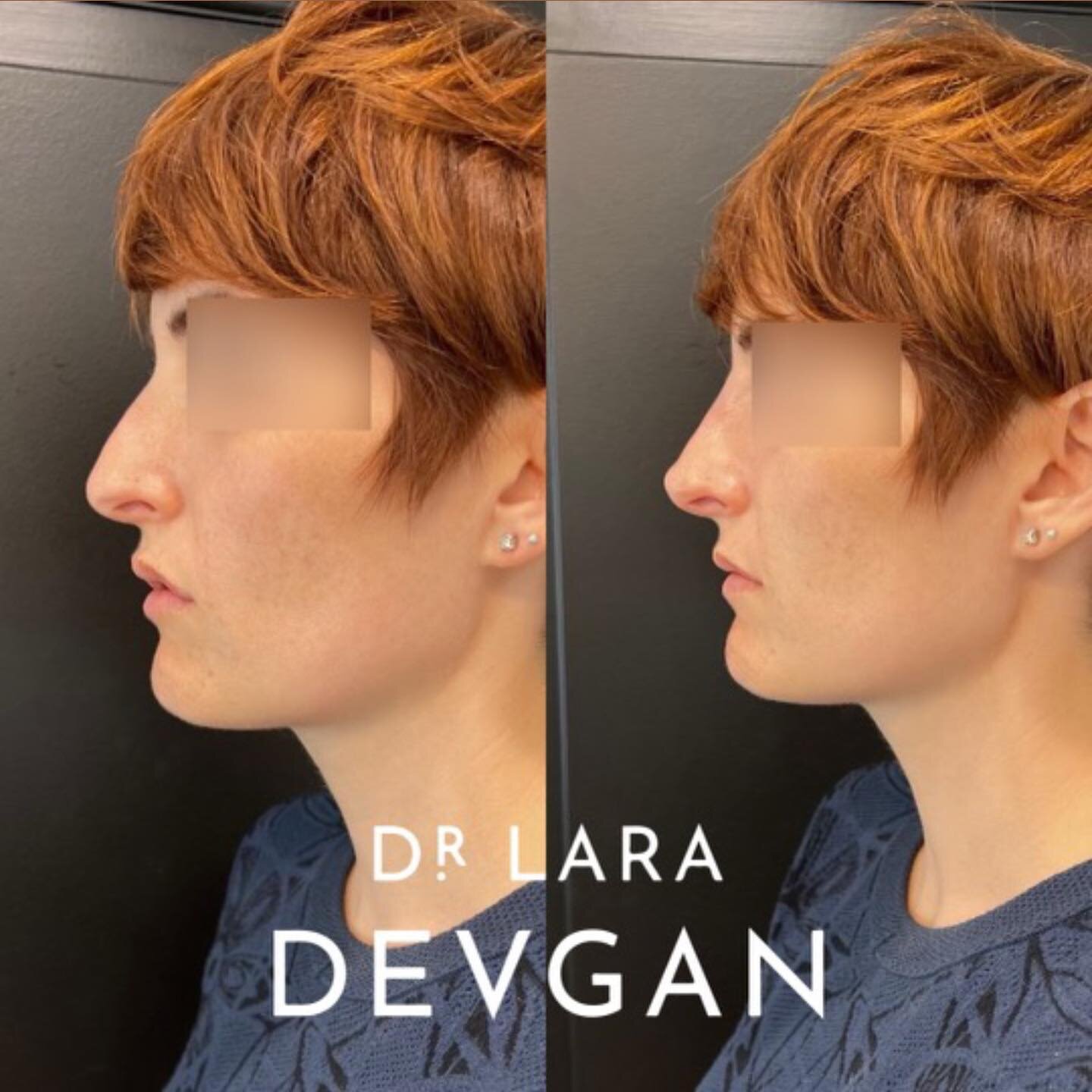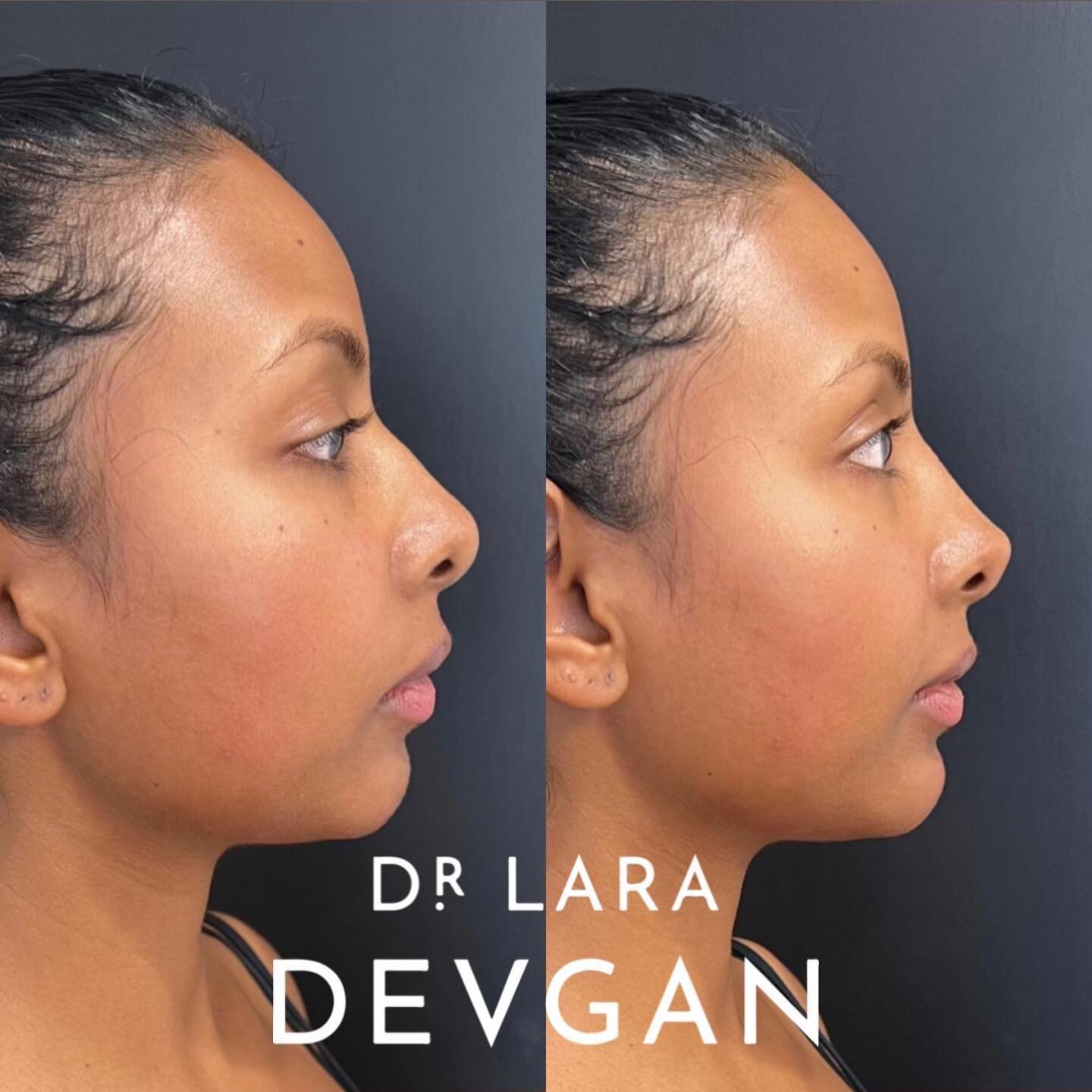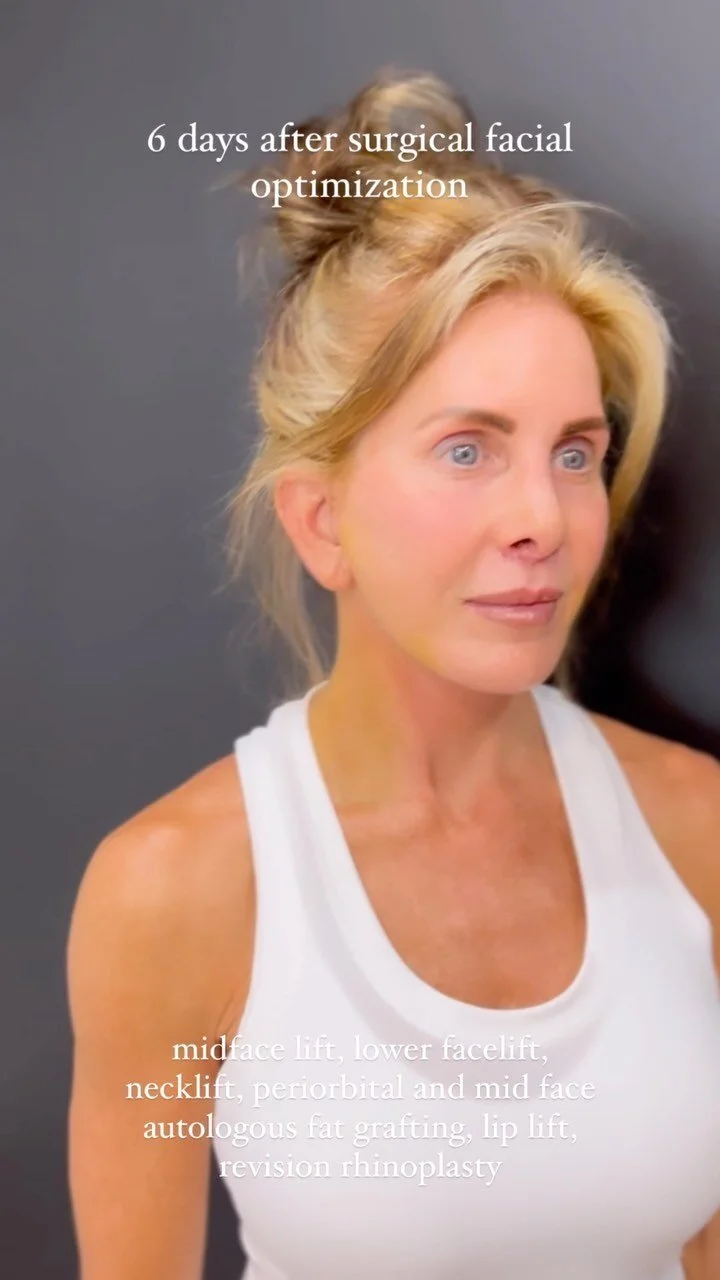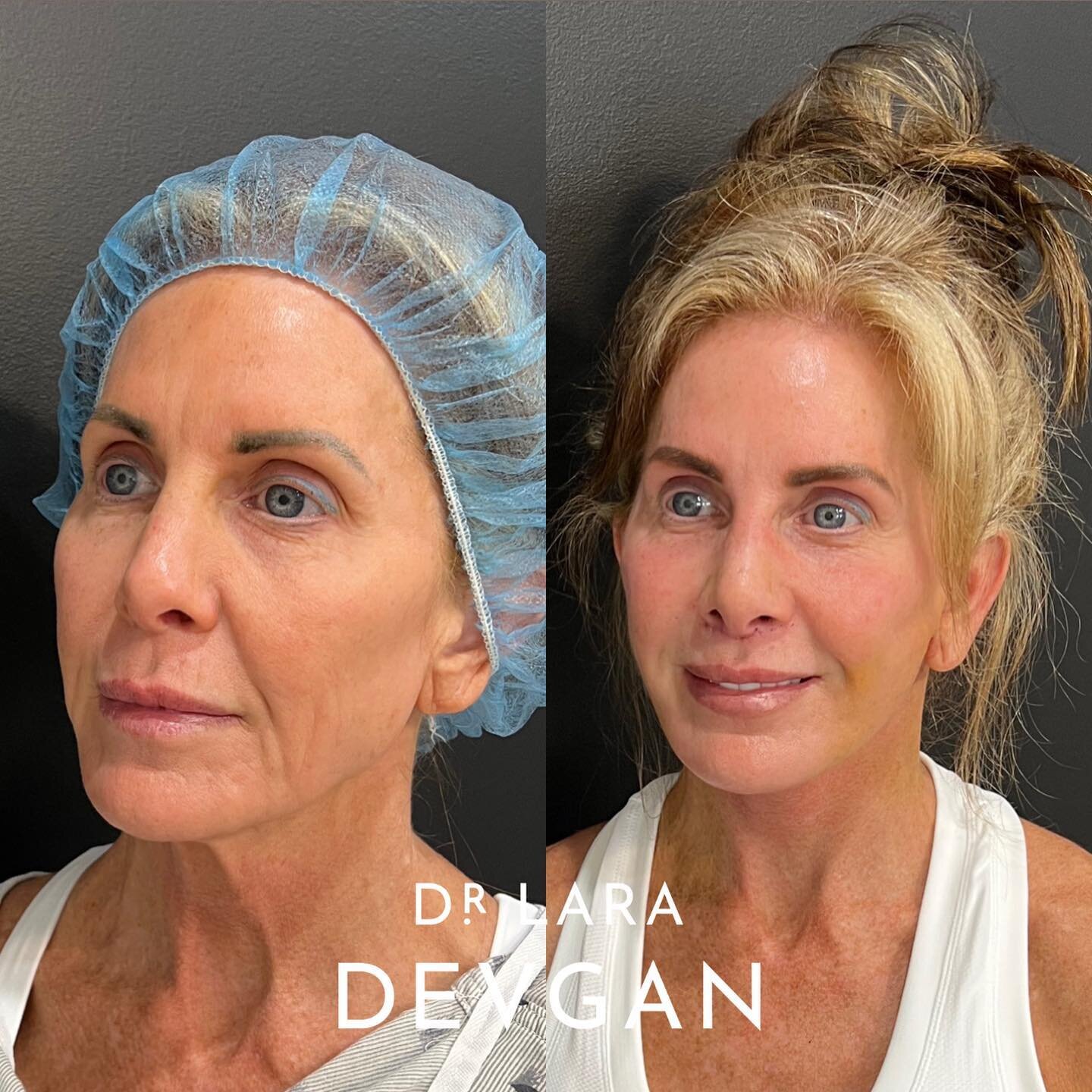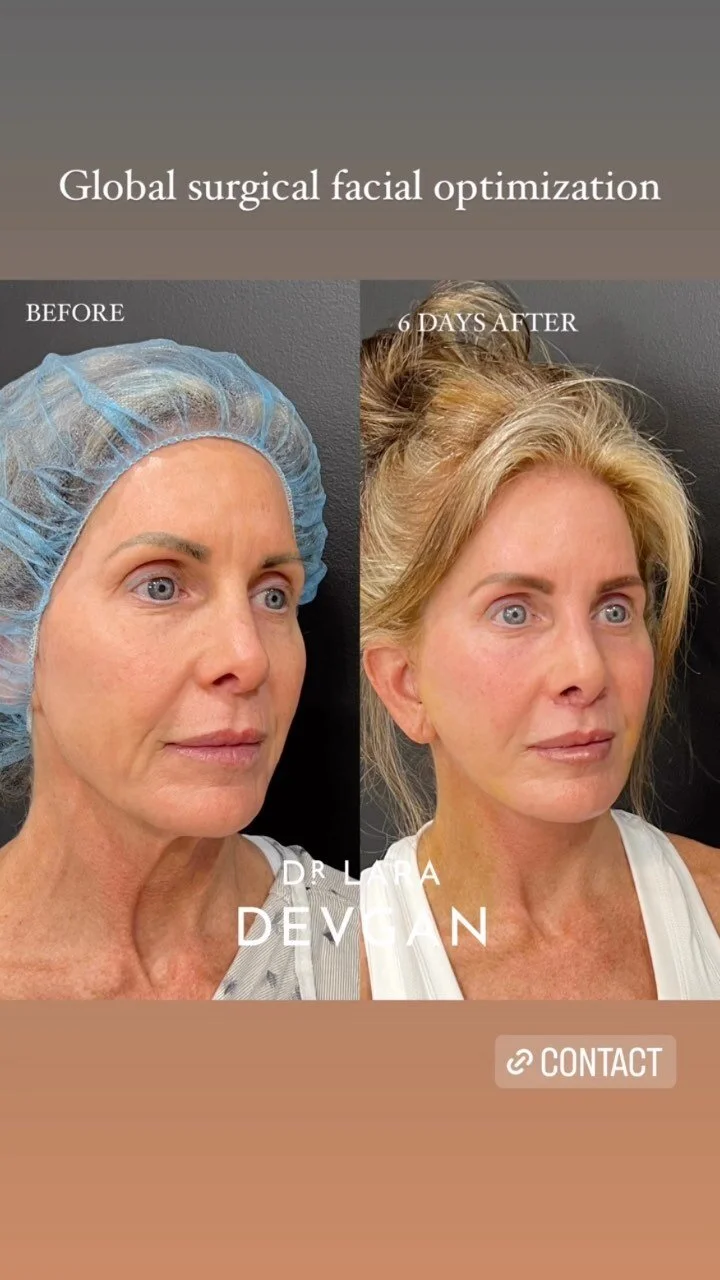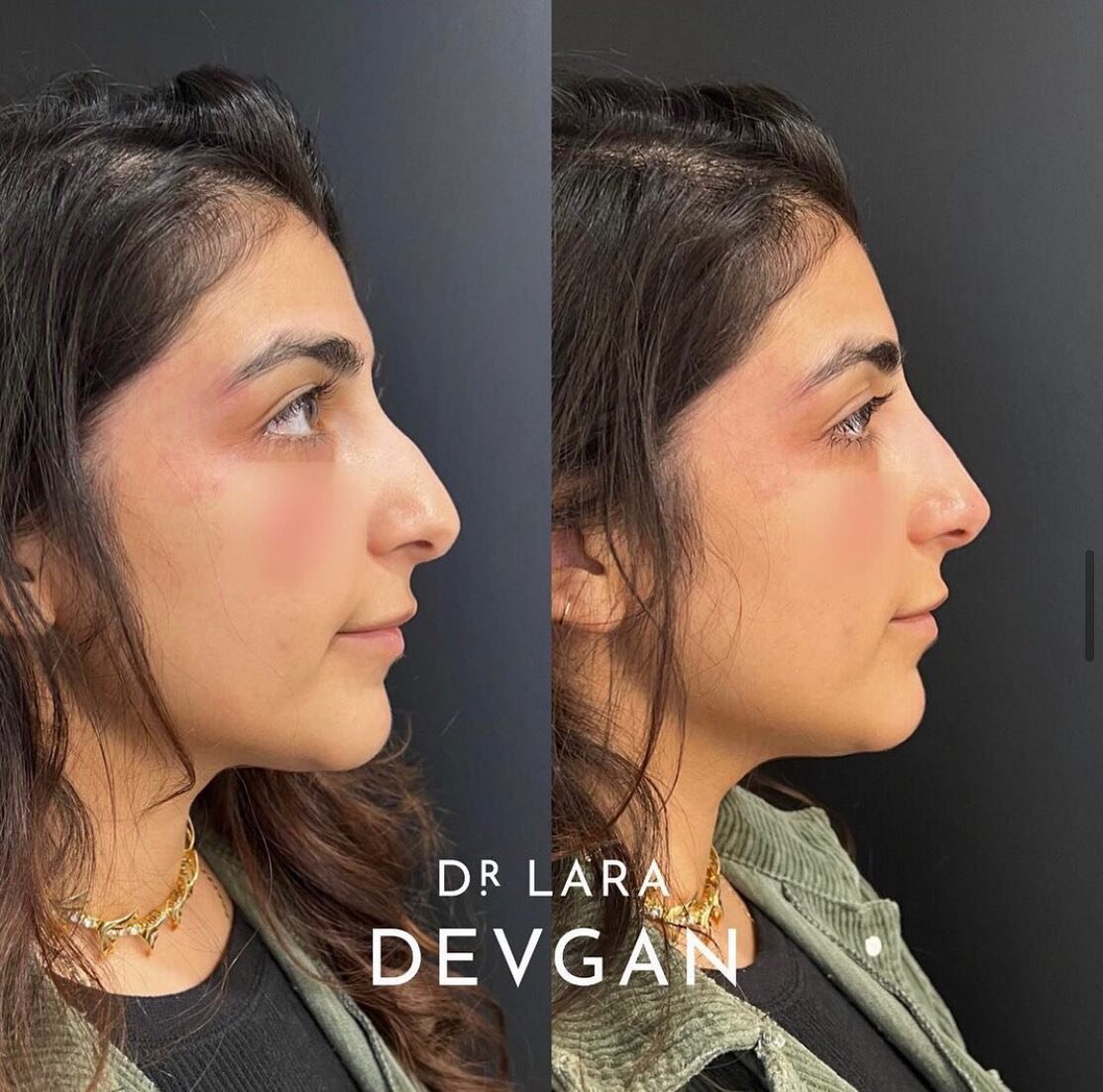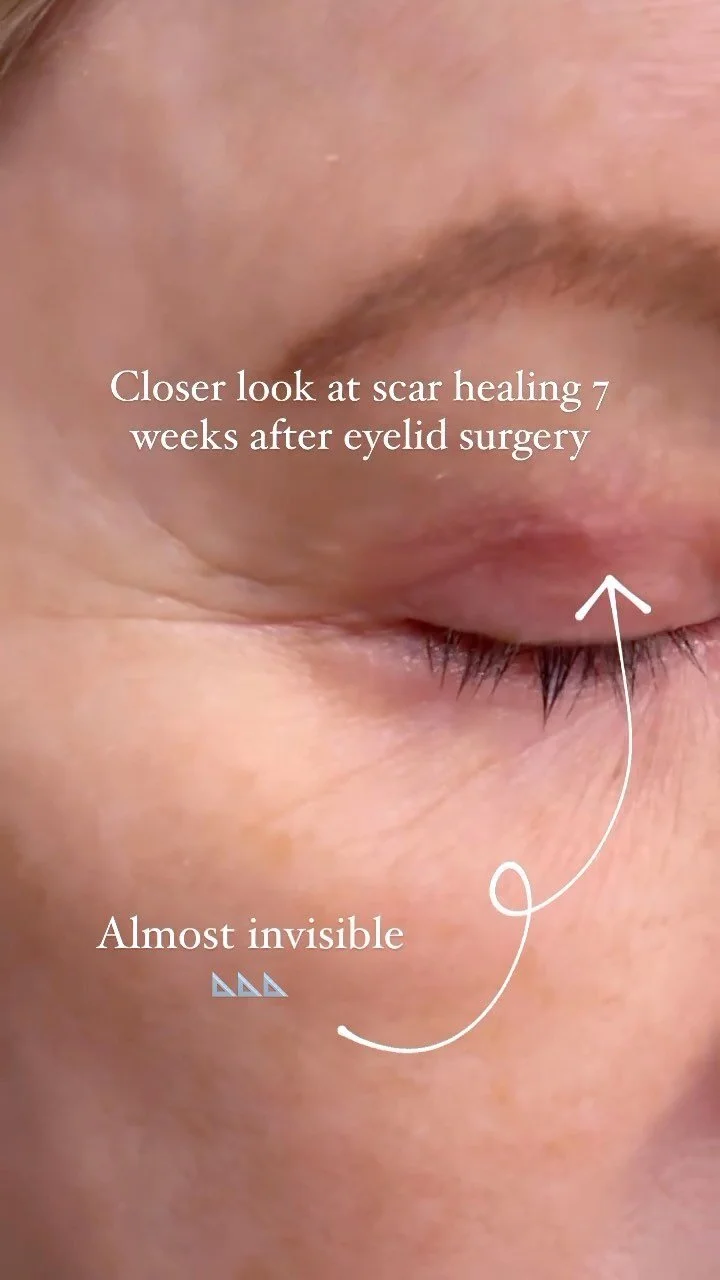
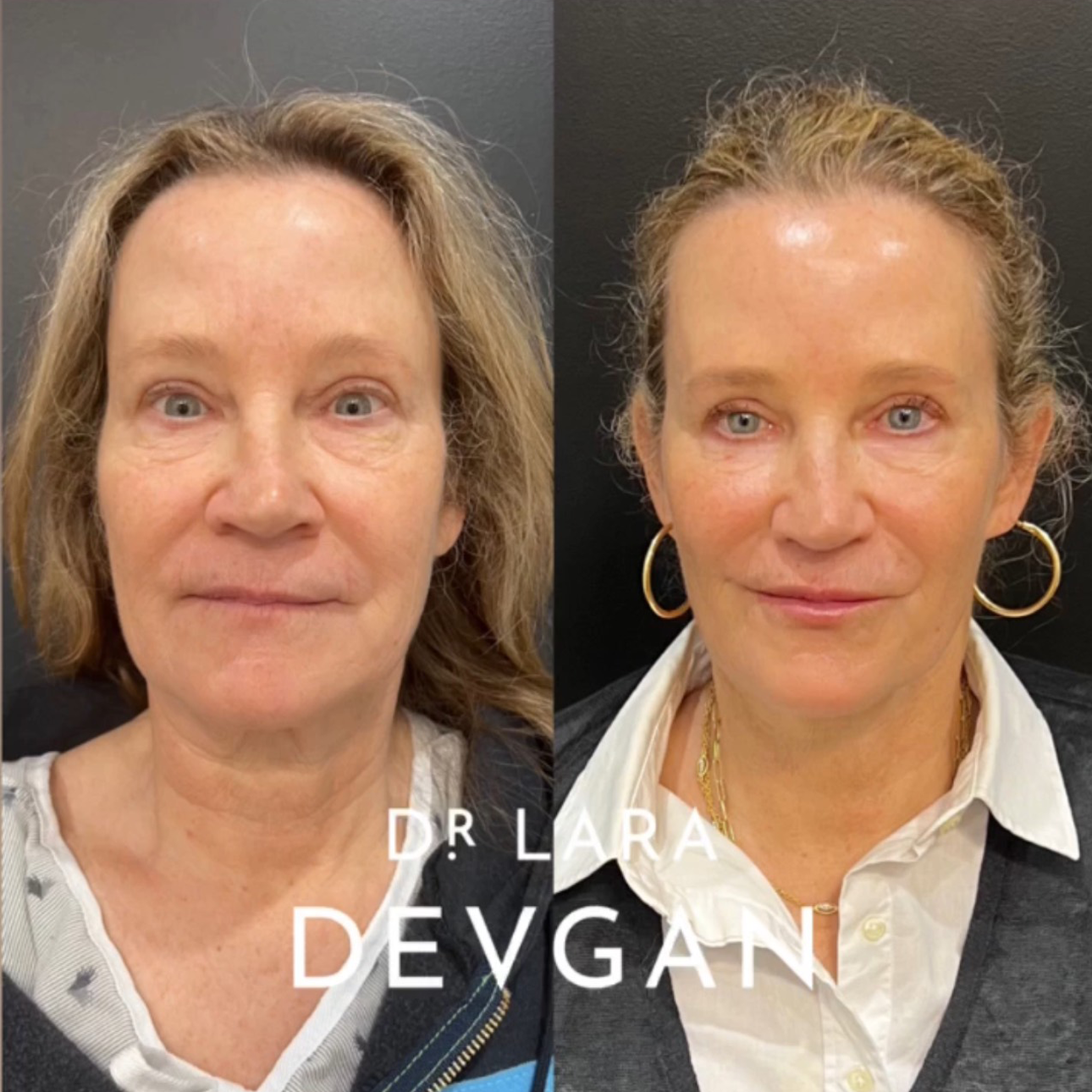
Signature Procedure | Facelift (click the image for more information)
What Is the Optimal Age for a Woman’s Facelift?
The idea that there’s a single “perfect age” for a facelift is one of the most persistent myths in aesthetic medicine. The truth is more nuanced—and far more empowering. The optimal timing for a facelift isn’t defined by a number. It’s defined by anatomy, aging patterns, and personal goals.
Why Age Alone Isn’t the Right Metric
Two women at the same age can have dramatically different faces. Genetics, sun exposure, skincare, lifestyle, and weight fluctuations all influence how the face ages. Some women in their early 40s may show significant skin laxity and jowling, while others in their late 50s maintain strong structural support with minimal sagging.
A facelift addresses structural aging—specifically the descent of facial tissues, loss of jawline definition, and laxity in the neck. These changes don’t follow a strict timeline. They appear gradually and differently for everyone.
The Real “Sweet Spot”
Most surgeons agree there is a general window where facelift results tend to be most impactful and natural: typically the mid-40s to mid-50s.
At this stage:
Skin still has enough elasticity to heal well and redrape smoothly
Aging changes are visible but not extreme
The procedure can deliver a significant improvement without looking “overdone”
Patients in this range often achieve the most balanced outcome: refreshed, defined, and natural—without signaling that surgery was performed.
What Happens If You Do It Too Early?
There’s a growing trend of younger patients (late 30s to early 40s) seeking facelifts. While early intervention can be appealing, it’s not always the right move.
If structural aging hasn’t fully developed:
Results may be subtle relative to the invasiveness
You may “use up” a surgical intervention earlier than necessary
Non-surgical treatments (like injectables, skin tightening, or laser resurfacing) may be more appropriate
That said, in select cases—especially with strong genetic predisposition to early sagging—a conservative, well-executed facelift can be justified earlier.
What About Waiting Too Long?
On the other end, waiting into the 60s or beyond doesn’t disqualify someone from a facelift—but it can change the equation.
Later-stage aging often includes:
More significant skin laxity
Deeper folds and volume loss
Reduced skin elasticity
While excellent results are still achievable, they may require more extensive surgery, and the outcome may lean more toward “restoration” than subtle refinement. Recovery can also be longer.
The Role of Modern Techniques
Today’s facelift techniques have evolved significantly. Deep plane and SMAS-based approaches focus on repositioning underlying structures—not just tightening skin. This leads to more natural, longer-lasting results across a wider age range.
Because of this, the conversation has shifted away from “When should I get a facelift?” to “When will a facelift give me the best version of myself?”
The Right Question to Ask
Instead of focusing on age, the better question is:
“Am I starting to see changes that can only be corrected surgically?”
If you notice:
Loss of jawline definition
Jowling
Neck laxity
A tired or heavy lower face
—and these concerns don’t respond meaningfully to non-surgical treatments—it may be the right time to consider a facelift.
A Personalized Decision
Ultimately, the optimal timing is personal. It depends on your anatomy, your tolerance for aging changes, and your aesthetic goals.
The best outcomes happen when:
The procedure is done neither too early nor too late
The surgeon tailors the approach to your unique structure
The goal is refinement, not transformation
A facelift should never make you look like someone else. It should make you look like yourself—just at your best.
Bottom Line
There’s no universal “right age” for a facelift. But there is a right time for you. And it’s defined less by the calendar—and more by what you see in the mirror.