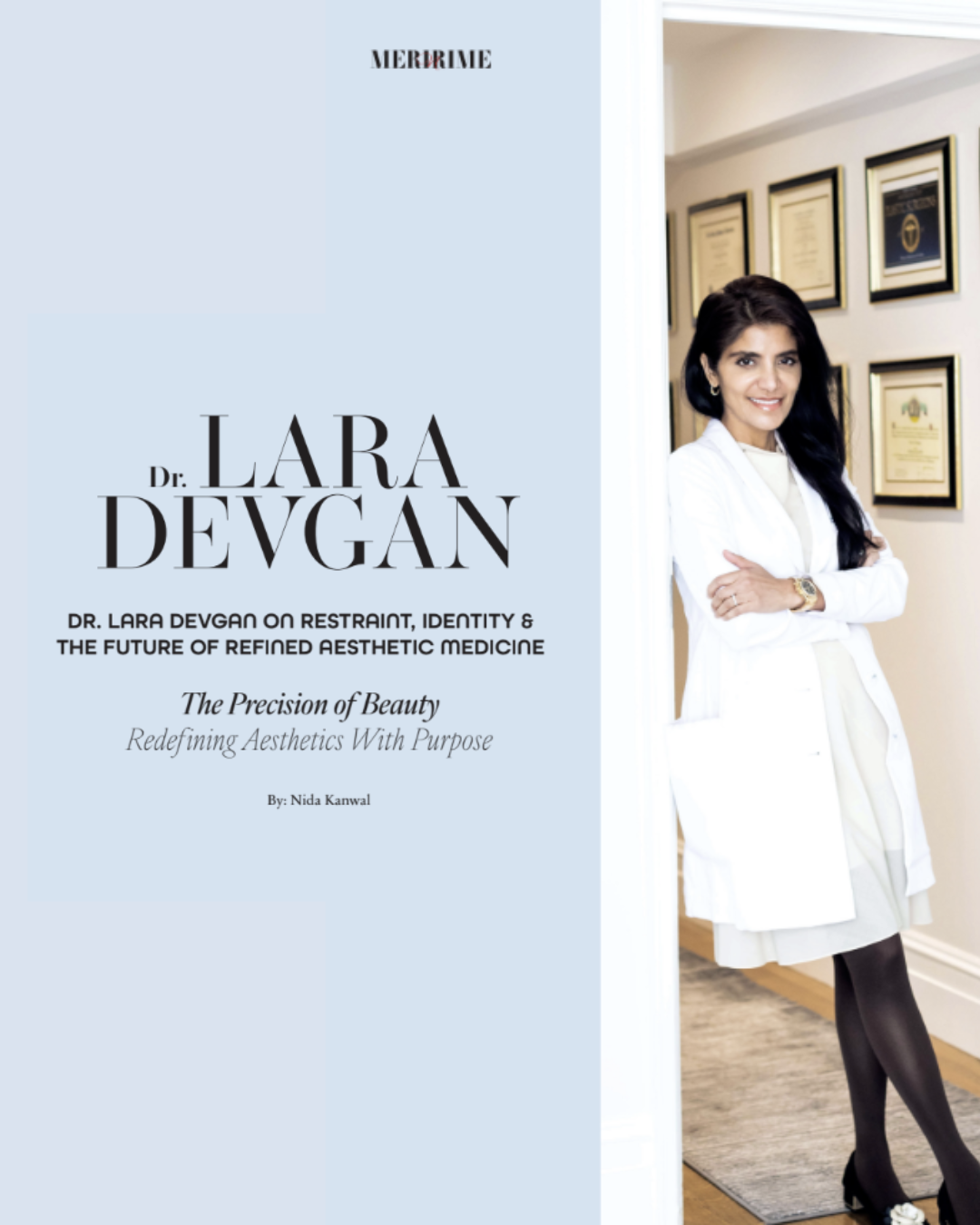
MERIRIME | Dr. Lara Devgan On Restraint, Identity, and the Future of Refined Aesthetic Medicine


Dr. Lara Devgan on restraint, identity, and the future of refined aesthetic medicine

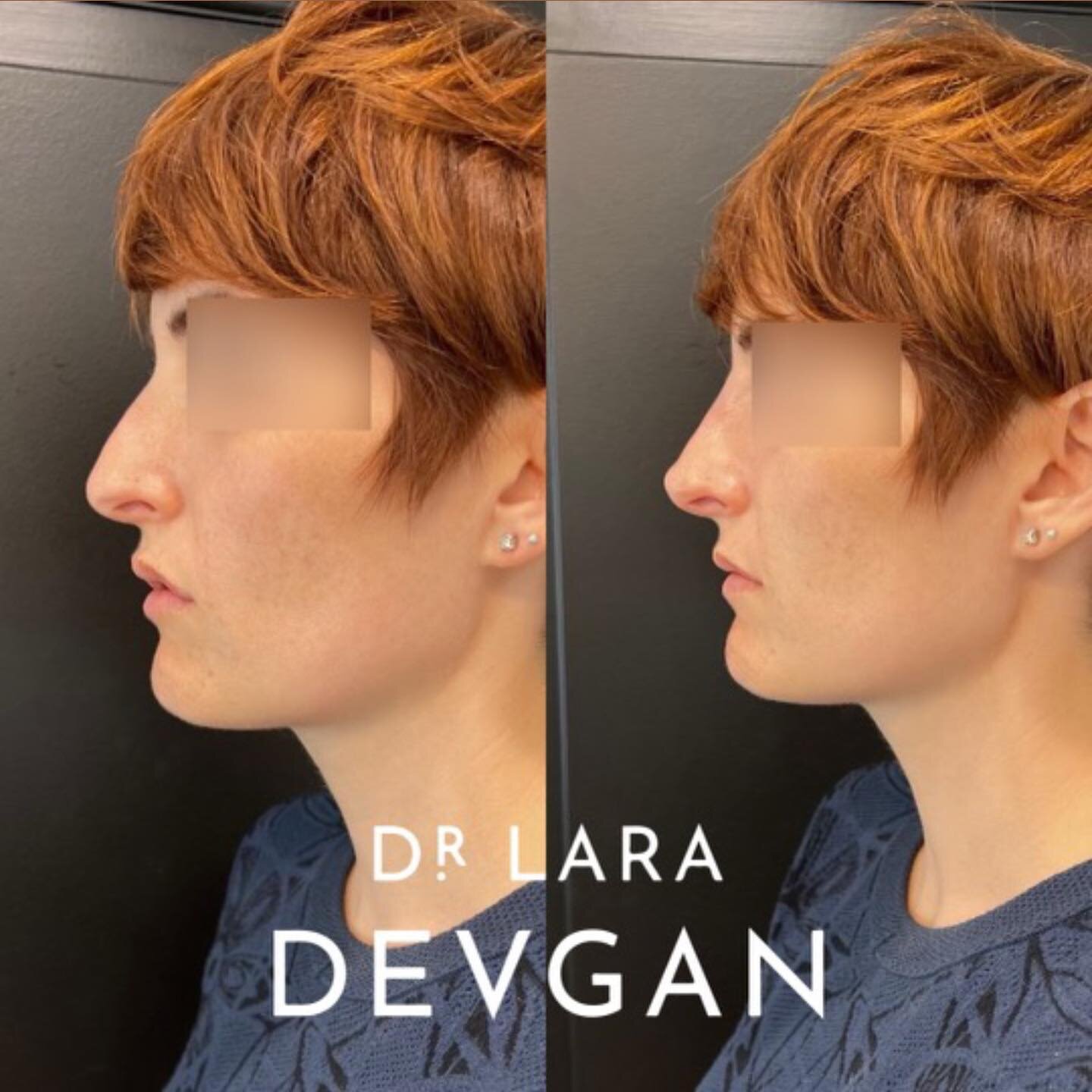
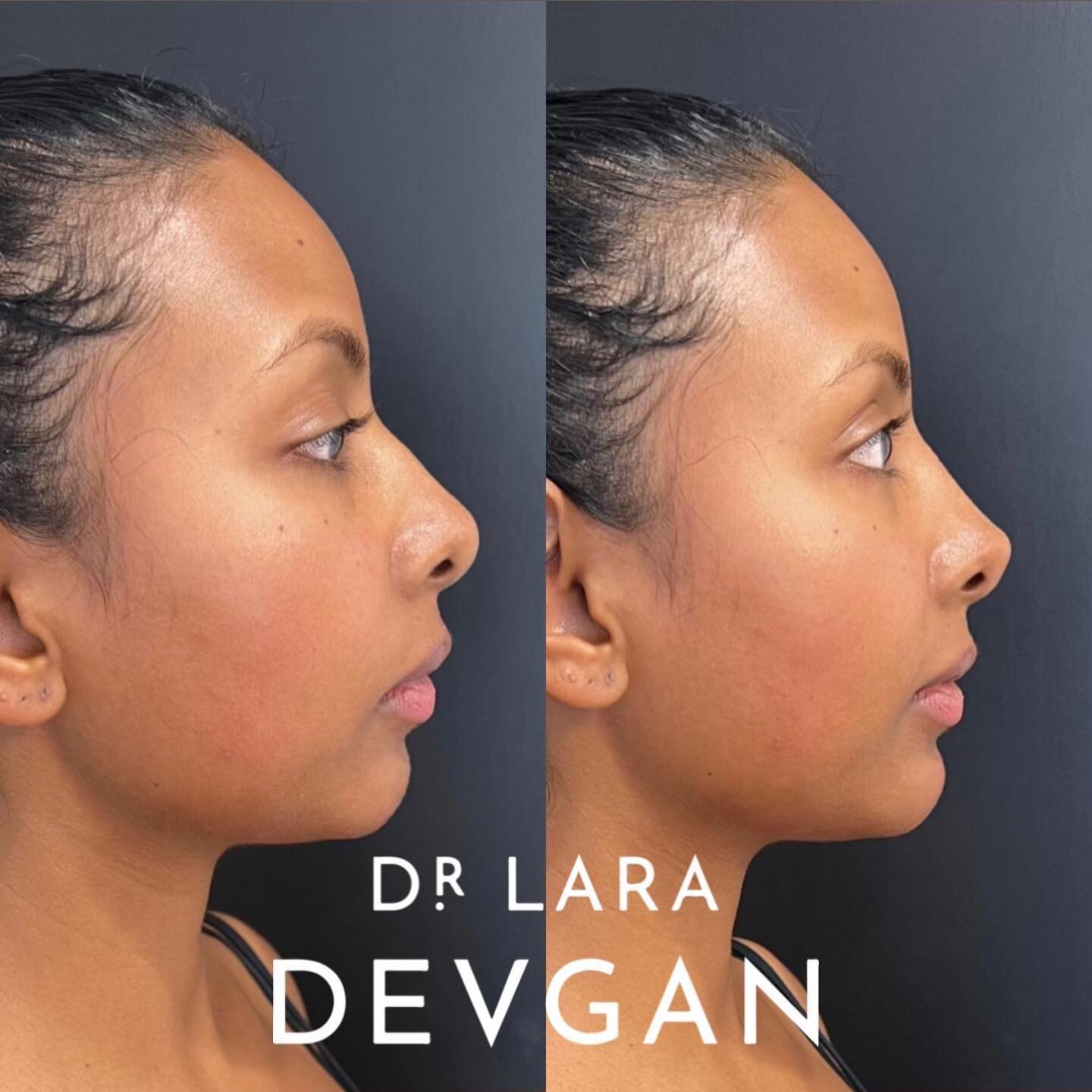
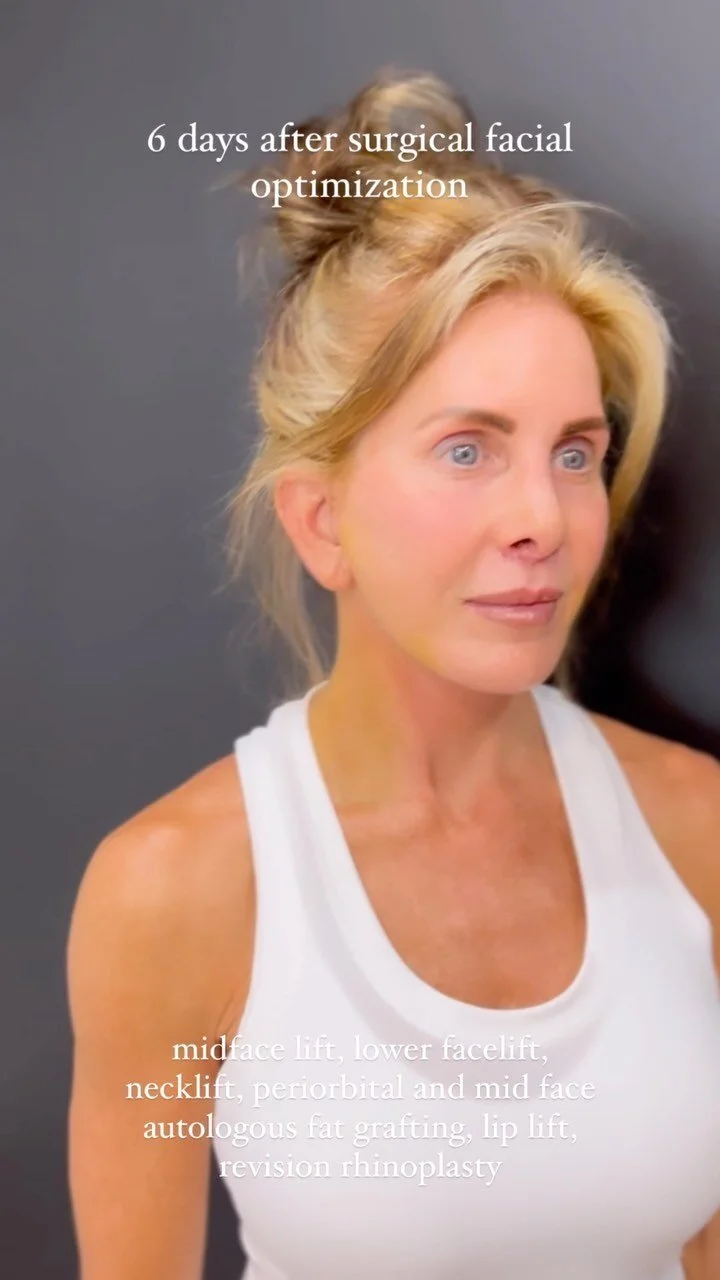
Elegance in aesthetics is rarely about what is added, but about what is understood. Dr. Lara Devgan has built her career on this philosophy, merging surgical precision with an artistic sensibility shaped by some of the most complex reconstructive cases in medicine. Known for her refined and natural results, she approaches beauty not as transformation, but as balance, identity, and quiet mastery. In this exclusive conversation with Meri & Rime, she reflects on the evolution of aesthetic medicine and the discipline required to practice it at the highest level.

“Early in my training, I believed that reconstructive and aesthetic surgery existed in separate worlds. Over time, I came to understand that they are inseparable. My background in facial fractures, craniofacial reconstruction, cancer reconstruction, congenital anomalies, and burn surgery fundamentally shaped how I approach beauty. Those experiences teach respect for tissue, an understanding of anatomy under stress, and an awareness of how every millimeter matters. Aesthetic surgery is not separate from reconstruction, it is reconstruction at its most refined and deliberate form.

One of the most meaningful evolutions in aesthetic medicine today is how patients approach beauty and self image. There has been a clear shift toward preserving identity rather than erasing it. Patients are no longer trying to look like someone else. They want to enhance their own features while remaining unmistakably themselves. Beauty has become more global, more nuanced, and more culturally aware. The goal is no longer transformation, but coherence, balance, and authenticity.

My work has always centered around refinement and restraint. In an era where extreme transformations and viral trends dominate attention, I guide patients toward elegance and timelessness. Trends belong in fashion and makeup, not in the structure of the face. The results my patients seek are subtle, refined, and undetectable to others, yet deeply meaningful to them. When patients begin to understand that subtlety ages more gracefully than excess, restraint becomes something they aspire to rather than resist.

The challenges I faced early in my career have not disappeared, they have evolved. Perfectionism in an imperfect world remains the defining challenge. I approach every patient with the same level of meticulous attention, which requires focus, humility, and discipline. I also trained during a time when overdone results were common, where faces were stretched and unnatural. Part of my work has been helping to guide the field back toward structure, balance, and true beauty. That mission requires consistency and a very specific mindset.

The doctor patient relationship has also transformed significantly. Patients today arrive informed, opinionated, and often influenced by social media. While this creates more nuanced conversations, it also introduces challenges. There is a great deal of misinformation, along with unrealistic expectations shaped by heavily edited or artificial imagery. My role has expanded beyond treatment to include education and interpretation, grounding decisions in anatomy and reality rather than trends or digital distortion.

The concerns patients bring today are also different from those in the past. There is a stronger focus on prevention, long term planning, and maintaining balance over time. Patients are thinking ahead, asking how to age well over decades rather than seeking quick fixes. They are also more interested in understanding the transition from nonsurgical treatments to surgical options. Growing alongside my patients has created a level of continuity and trust that is deeply meaningful in my practice.

Balancing my work as a surgeon with my role as a skincare entrepreneur requires a clear commitment to principle. Science must always lead, and marketing should serve to explain rather than exaggerate. In an industry that often overpromises, responsibility means maintaining accuracy, restraint, and respect for long term outcomes. Credibility is built slowly and can be lost instantly. I believe in underpromising and delivering results quietly, rather than participating in short term hype that compromises trust.

At this stage of my career, one of the most unexpected challenges is protecting depth. There is constant pressure to remain visible and responsive, especially in a fast moving digital environment. However, excellence requires time for study, precision, and thoughtful care. Preserving that space for focus is essential, even as visibility increases.

Looking ahead, the future of aesthetic medicine will be defined by personalization and prevention. Treatments will become less invasive, more biologically tailored, and increasingly focused on preserving tissue rather than correcting damage. Recovery times will continue to shorten, and the overall philosophy will shift from intervention to stewardship. It is about maintaining and respecting what already exists, rather than altering it unnecessarily.

For young doctors entering this field, the most important mindset is patience and humility. Technical skill is essential, but true mastery takes decades. There is no such thing as overnight success in this discipline. What appears effortless is built on years of repetition, discipline, and respect for anatomy and consequence. If you honor the process and remain committed to learning, the results will follow.”

Dr. Lara Devgan’s approach to aesthetics is a powerful reminder that true beauty lies in precision, restraint, and understanding. In an industry often driven by immediacy and excess, her work stands as a testament to the enduring value of patience and integrity. Through her vision, aesthetic medicine is not just evolving, it is maturing into a discipline that celebrates individuality, respects time, and elevates beauty to its most refined form.
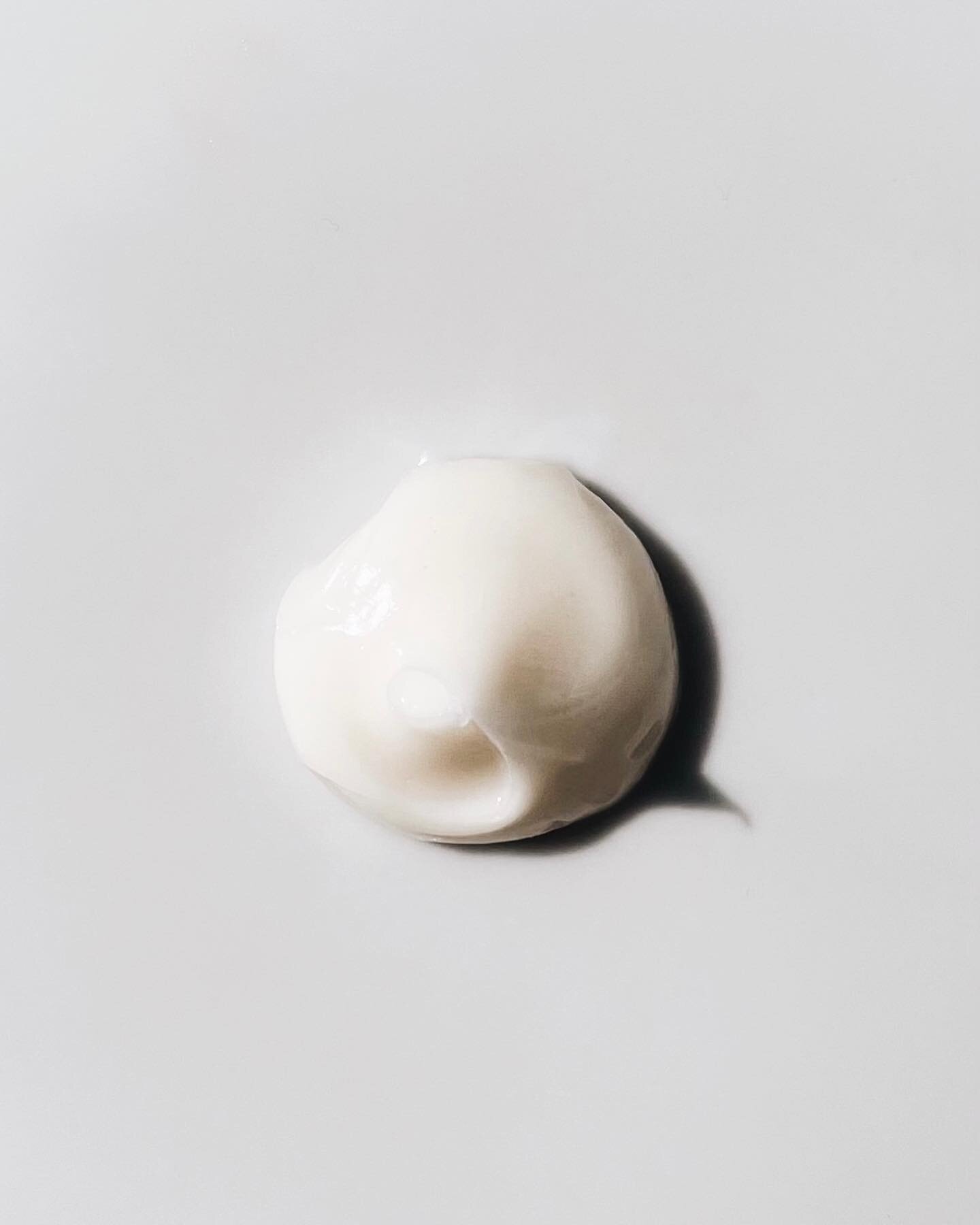

Scientific Beauty | Barrier Balm

Scientific Beauty | Barrier Balm


The @drlaradevgan multi-functional Barrier Balm is a restorative treatment designed to fortify the skin’s natural defenses. With medical-grade calming botanicals, it soothes, protects, and repairs—ideal for dry, reactive, or post-procedure skin. Elegant, weightless, and intensely effective.

KEY INGREDIENTS:

Vitamin E: a powerful antioxidant that protects skin from free radical damage and environmental stressors. It also helps strengthen the skin barrier and supports healing.

Stearic Acid: a fatty acid that acts as an emollient and stabilizer, locking in moisture while improving product texture and spreadability. It also helps reinforce the skin’s protective barrier.

Linoleic Acid: an essential omega-6 fatty acid that restores balance to the skin barrier, reduces water loss, and calms visible irritation. It’s especially beneficial for acne-prone or sensitive skin. emollient hydration and exerts anti-inflammatory effects that calm reactivity and restore lipid balance in the skin barrier.

Squalene: a lightweight, skin-identical oil that deeply hydrates without clogging pores. It mimics the skin’s natural sebum to enhance suppleness and elasticity.

Alpha & Omega Fatty Acids: these essential nutrients nourish and strengthen the skin barrier, promoting smoothness, flexibility, and resilience. They also help regulate inflammation and support overall skin health.


Doctor's Notes | The Eyebrows as the Structural Frame of Facial Expression and Identity

In this TikTok, Dr. Devgan breaks down the importance of the eyebrows in framing facial identity, attractiveness, and biological/cultural meaning and how it relates to her work as a plastic surgeon.


The Eyebrows as the Structural Frame of Facial Expression and Identity

The eyebrows are the most expressive and communicative feature of the human face. They function as the visual punctuation of emotion—subtly shaping how expressions are read, how intention is interpreted, and how personality is perceived. Despite this, they are often underestimated as a structural determinant of attractiveness, youth, and identity.

A Key Structural Element of the Upper Face

In clinical evaluation, the eyebrows are not treated as isolated hair structures, but as a critical architectural component of the upper face. Their position, shape, and density directly influence the appearance of the eyes and forehead, determining whether the periorbital region reads as open or heavy, lifted or compressed.

A well-positioned brow typically sits just above the orbital rim, with a gentle peak laterally. This configuration creates upward vectoring of the upper face, enhancing eyelid show, improving eye openness, and contributing to a more balanced and energized facial expression.

How Brow Position Shapes Perceived Age and Emotion

The eyebrows play a central role in how age and fatigue are perceived. When appropriately positioned, they create lift through the upper face, supporting the appearance of alertness and vitality. When they descend—as occurs naturally with age due to skin laxity, soft tissue descent, and gravitational changes—they contribute to upper lid hooding, reduced eyelid visibility, and a heavier, more tired facial expression.

These changes can occur subtly but have a disproportionate effect on overall facial perception, often influencing how rested, approachable, or aged a person appears.

A Defining Marker of Facial Identity

From an identity standpoint, the eyebrows are uniquely powerful. They are among the most recognizable features in facial recognition, often serving as a primary reference point in how we distinguish and remember faces. Small variations in brow shape or position can significantly alter perceived identity.

When eyebrows are over-thinned, over-tattooed, or lost due to aging, medical conditions, or over-treatment, patients often report a loss of facial familiarity—describing themselves as looking “different” or no longer fully recognizable.

Restoration of the Upper Facial Frame

Restoring the brows is not simply a cosmetic adjustment—it is a structural recalibration of the upper face. Depending on the individual anatomy, this may involve surgical elevation, neuromodulator-based repositioning, or cosmetic techniques that re-establish natural shape and density.

Each approach aims to restore balance between the brow, eyelid, and forehead, re-opening the periorbital region and re-establishing vertical lift through the upper face.

The Frame That Defines the Face

The eyebrows ultimately function as the frame of the eyes. While the eyes convey emotion and identity, the brows determine how that expression is perceived. Without proper framing, even the most balanced facial features lose clarity and impact.

When restored thoughtfully, the brows reintroduce structure, expression, and harmony to the upper face—allowing the eyes to read clearly, the face to feel more open, and the overall appearance to regain cohesion and vitality.


Appointment Inquiries

For inquiries and appointments, please email appointments at appointments@laradevganmd.com or call 212-452-2400. You may also use the following button to schedule an appointment online. We look forward to hearing from you. Thank you!

Doctor's Notes | The Jawline as the Structural Foundation of Facial Definition

In this TikTok, Dr. Devgan breaks down the importance of the jawline in structural facial identity, attractiveness, and biological/cultural meaning and how it relates to her work as a plastic surgeon.


The Jawline as the Structural Foundation of Facial Definition

The jawline is the foundation of the face. It forms the lower facial border that separates the face from the neck and establishes the framework that everything above it rests upon. In clinical assessment, it is one of the most critical determinants of facial harmony, attractiveness, and perceived age.

A well-defined jawline provides structure, continuity, and balance. It creates a clean mandibular border that anchors the mid and upper face, giving the entire structure a sense of coherence and strength. This is not simply a contour feature—it is the anatomical edge that defines facial identity in profile and frontal view.

Universally Associated with Strength, Elegance, and Youth

Across populations and aesthetic ideals, a defined jawline is consistently associated with attractiveness. In women, it is often linked with elegance, refinement, and facial clarity. In men, it is associated with strength, angularity, and perceived vitality. Despite these differences in interpretation, the underlying principle is the same: a distinct mandibular border signals structural integrity and youthful proportion.

The jawline plays a central role in how the face is framed and perceived, particularly in motion and in three-quarter view, where definition along the lower face becomes most apparent.

How Aging Alters the Lower Facial Frame

The jawline is also one of the earliest and most visible regions affected by aging. As skin elasticity declines, retaining ligaments weaken, and soft tissue volume shifts inferiorly, the once-sharp mandibular border begins to blur.

This process leads to the formation of jowls, softening of the cervicomental angle, and gradual loss of separation between the face and neck. The result is a visual descent of the lower face, where definition is replaced by continuity, and structure is replaced by softness. These changes significantly impact how age is perceived, even when other facial features remain relatively preserved.

Restoring Definition Restores Facial Identity

Because the jawline serves as the boundary of facial structure, restoring it has a profound effect on overall facial perception. Re-establishing mandibular definition re-creates separation between the face and neck, reintroduces angularity where it has softened, and restores balance to the lower third of the face.

Depending on the anatomical needs, this may involve surgical refinement, fat reduction, energy-based tightening, or precise volume restoration along the mandibular border. Each approach targets a different component of structural loss, but the goal remains the same: to re-establish a clean, continuous frame.

The Jawline as Identity and Presence

The jawline is not just a contour—it is a defining structural identity marker. Patients often recognize its loss before they can articulate exactly what has changed, describing it as a shift in how “like themselves” they feel in photos or in the mirror.

Restoring this structure does more than refine appearance. It re-establishes definition, proportion, and presence. A strong jawline does not simply complete the face—it organizes it, giving it clarity, confidence, and architectural authority.


Appointment Inquiries

For inquiries and appointments, please email appointments at appointments@laradevganmd.com or call 212-452-2400. You may also use the following button to schedule an appointment online. We look forward to hearing from you. Thank you!

Doctor's Notes | The Cheekbones as the Architectural Foundation of the Face

In this TikTok, Dr. Devgan breaks down the importance of the cheekbones in foundational facial identity, attractiveness, and biological/cultural meaning and how it relates to her work as a plastic surgeon.


The Cheekbones as the Architectural Foundation of the Face

The cheekbones are the architecture of the face. They function as the structural scaffolding that supports everything above and below them, shaping how light, shadow, and proportion interact across the midface. In clinical practice, they are one of the most critical determinants of facial attractiveness, perceived youth, and overall identity.

High, well-defined cheekbones create lateral projection and midface volume, giving the face its three-dimensional structure. This is what allows the face to move beyond flatness into contour—where light catches the upper midface and transitions into natural shadow beneath the cheek, creating sculptural definition and visual balance.

Universally Recognized Markers of Beauty and Structure

Across cultures and throughout history, prominent cheekbones have been consistently associated with beauty. They signal strong skeletal support, underlying tissue integrity, and what is often described as a youthful, heart-shaped facial contour—where the upper face appears more structured and the lower face tapers with softness and proportion.

This geometry is not arbitrary. It reflects how the midface distributes volume and support, influencing everything from facial symmetry to how expressions are perceived in motion.

The Cheekbones as the Anchor of Facial Youth

The cheeks are also central to how we define youthfulness. In a younger face, the malar fat pad sits higher and more anterior, creating a natural convexity in the midface. This fullness supports the lower eyelid, softens transitions into the nasolabial region, and maintains an overall lifted appearance.

With aging, this system changes. The malar fat pad descends and deflates, and the midface loses its structural projection. As this occurs, the face begins to flatten centrally while simultaneously descending downward. The nasolabial folds deepen, early jowling may emerge, and the eye-cheek junction becomes more hollow and shadowed. Importantly, these are not isolated changes—they are the downstream effects of midface structural loss.

How Midface Restoration Rebalances the Entire Face

Because the cheekbones sit at the center of facial architecture, restoring this region has global effects. When volume and support are reintroduced to the midface, the entire facial structure responds.

Rebuilding projection in this area restores upward support to the lower eyelid, softens the appearance of nasolabial folds, and re-establishes the natural light–shadow dynamics of a youthful face. Whether achieved through precise filler placement or fat grafting, midface restoration does not simply add volume—it repositions balance across the entire facial framework.

Structure, Identity, and Perception

The cheekbones are also deeply tied to identity. Small variations in their projection and contour often define how a face is recognized and remembered. They influence whether a face reads as soft or sculpted, rounded or angular, youthful or mature.

This is what makes the midface so clinically significant. It is not just an aesthetic zone—it is the structural core of facial perception. When it is supported, the entire face feels lifted, coherent, and naturally aligned.


Appointment Inquiries

For inquiries and appointments, please email appointments at appointments@laradevganmd.com or call 212-452-2400. You may also use the following button to schedule an appointment online. We look forward to hearing from you. Thank you!