The Cheekbones as the Architectural Foundation of the Face
The cheekbones are the architecture of the face. They function as the structural scaffolding that supports everything above and below them, shaping how light, shadow, and proportion interact across the midface. In clinical practice, they are one of the most critical determinants of facial attractiveness, perceived youth, and overall identity.
High, well-defined cheekbones create lateral projection and midface volume, giving the face its three-dimensional structure. This is what allows the face to move beyond flatness into contour—where light catches the upper midface and transitions into natural shadow beneath the cheek, creating sculptural definition and visual balance.
Universally Recognized Markers of Beauty and Structure
Across cultures and throughout history, prominent cheekbones have been consistently associated with beauty. They signal strong skeletal support, underlying tissue integrity, and what is often described as a youthful, heart-shaped facial contour—where the upper face appears more structured and the lower face tapers with softness and proportion.
This geometry is not arbitrary. It reflects how the midface distributes volume and support, influencing everything from facial symmetry to how expressions are perceived in motion.
The Cheekbones as the Anchor of Facial Youth
The cheeks are also central to how we define youthfulness. In a younger face, the malar fat pad sits higher and more anterior, creating a natural convexity in the midface. This fullness supports the lower eyelid, softens transitions into the nasolabial region, and maintains an overall lifted appearance.
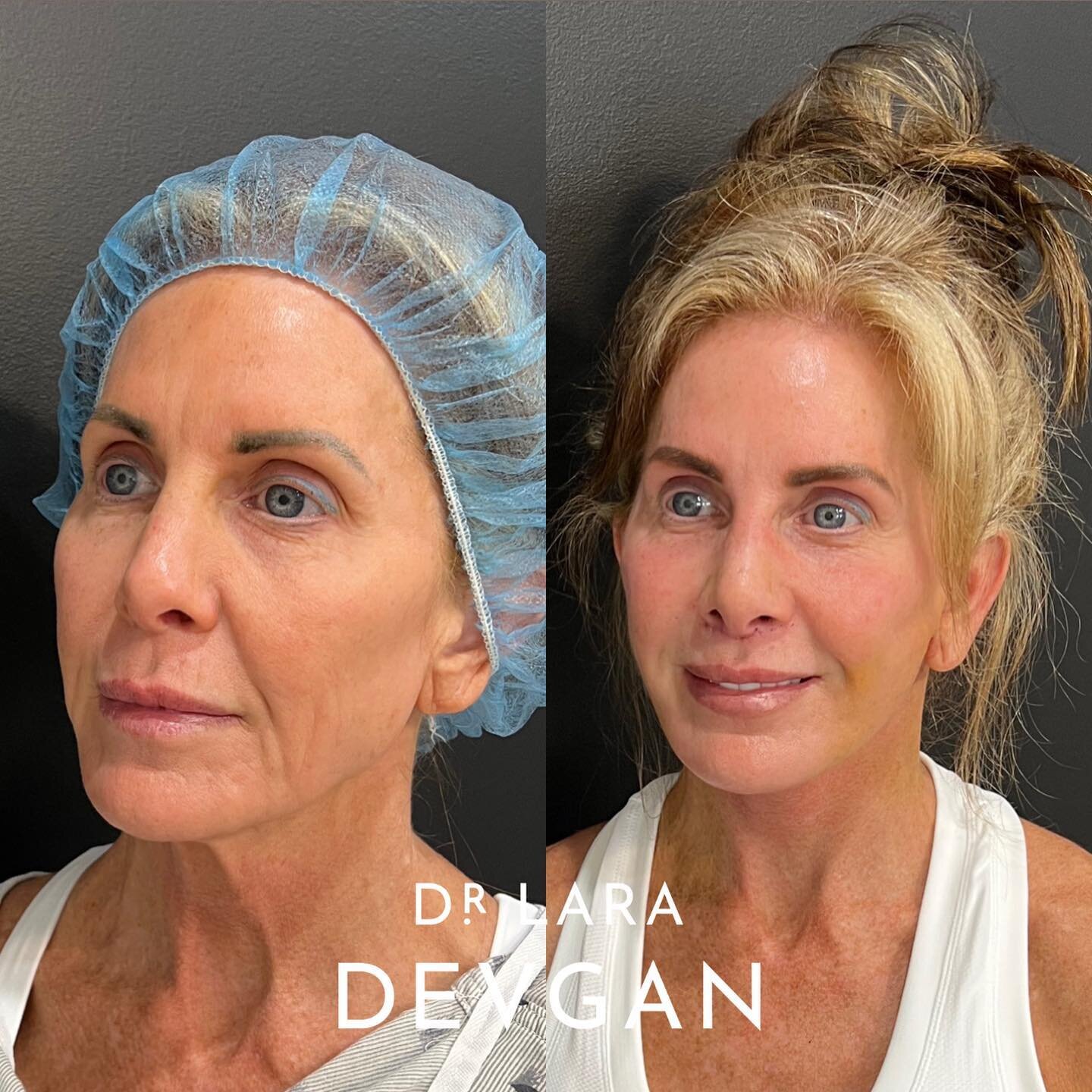
With aging, this system changes. The malar fat pad descends and deflates, and the midface loses its structural projection. As this occurs, the face begins to flatten centrally while simultaneously descending downward. The nasolabial folds deepen, early jowling may emerge, and the eye-cheek junction becomes more hollow and shadowed. Importantly, these are not isolated changes—they are the downstream effects of midface structural loss.
How Midface Restoration Rebalances the Entire Face
Because the cheekbones sit at the center of facial architecture, restoring this region has global effects. When volume and support are reintroduced to the midface, the entire facial structure responds.
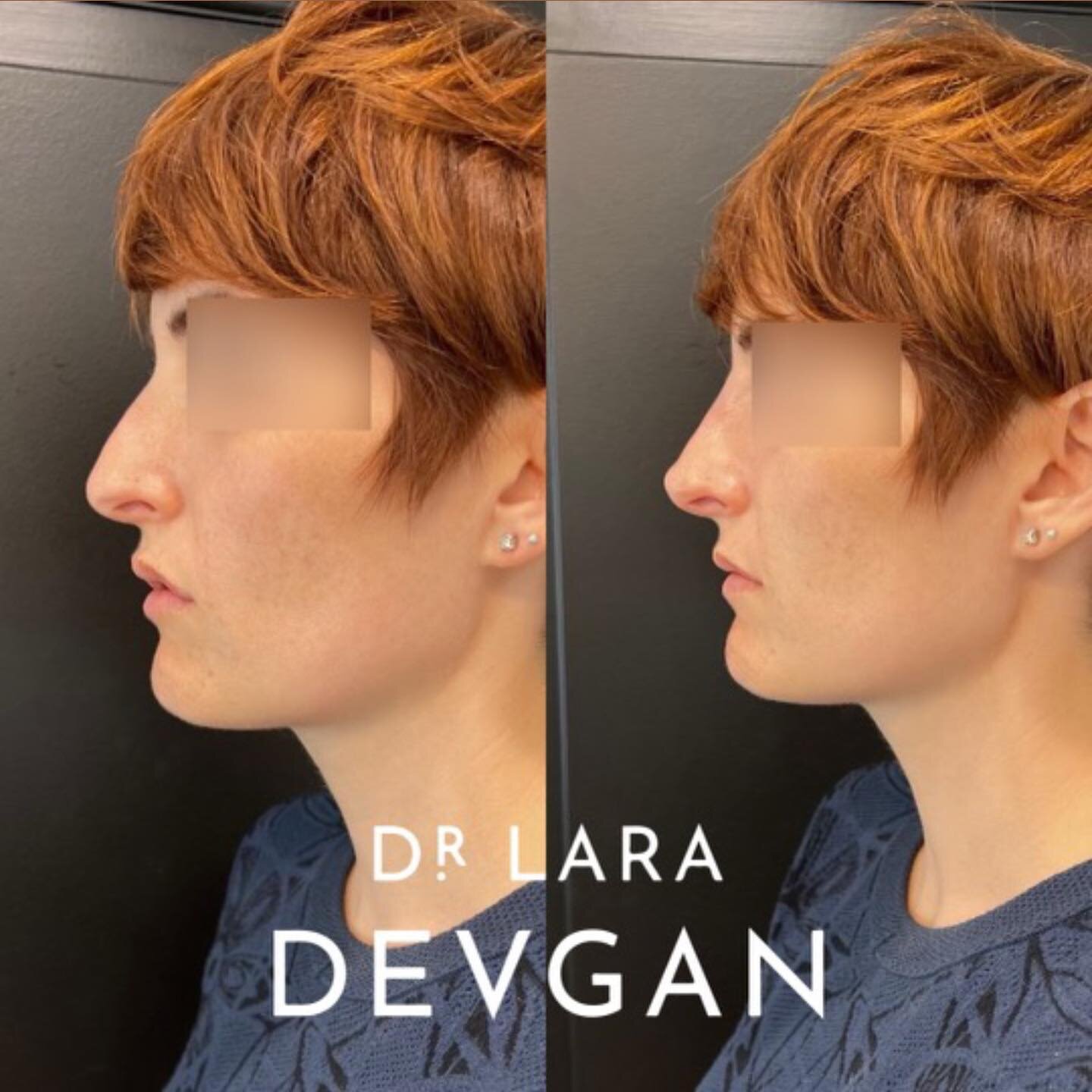
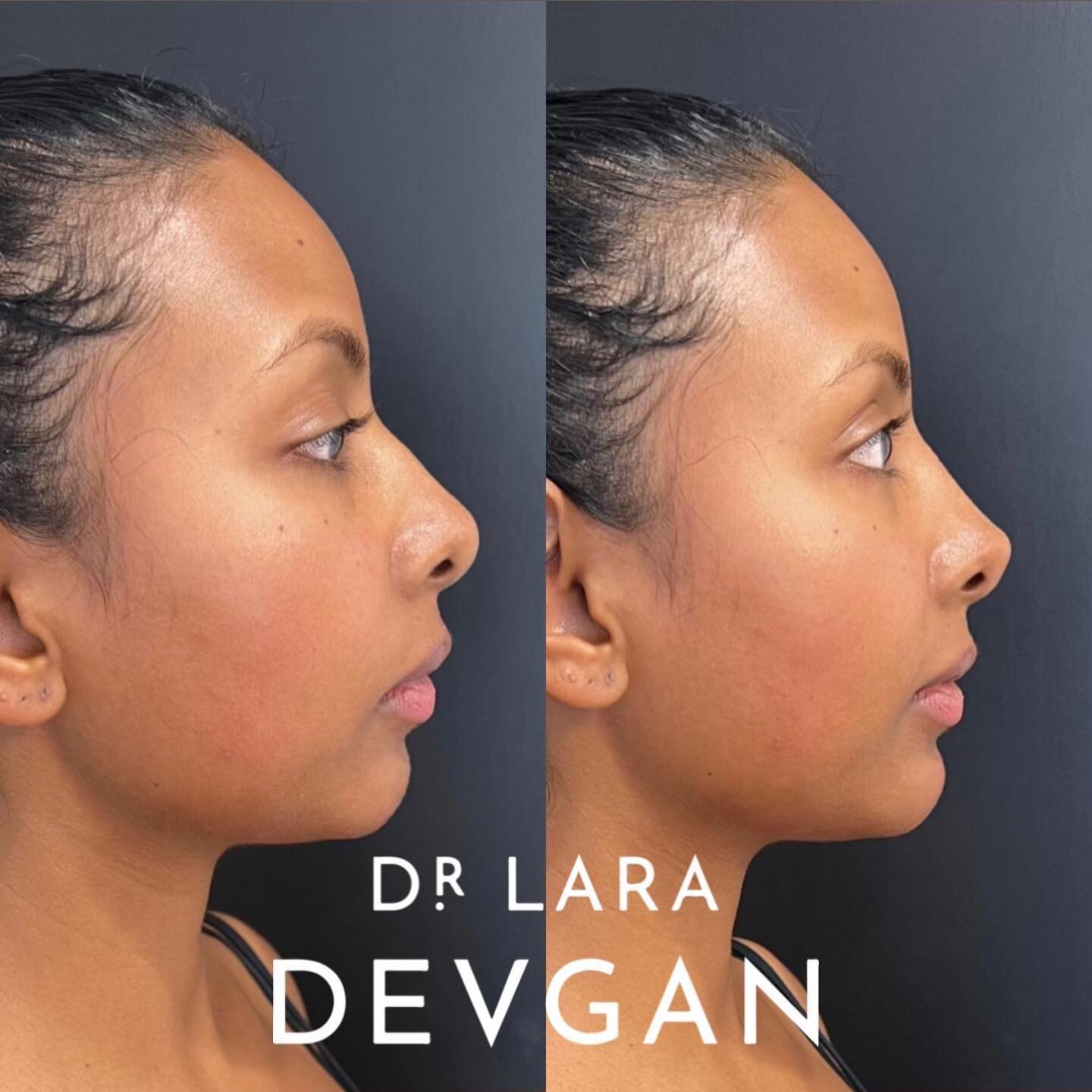
Rebuilding projection in this area restores upward support to the lower eyelid, softens the appearance of nasolabial folds, and re-establishes the natural light–shadow dynamics of a youthful face. Whether achieved through precise filler placement or fat grafting, midface restoration does not simply add volume—it repositions balance across the entire facial framework.
Structure, Identity, and Perception
The cheekbones are also deeply tied to identity. Small variations in their projection and contour often define how a face is recognized and remembered. They influence whether a face reads as soft or sculpted, rounded or angular, youthful or mature.
This is what makes the midface so clinically significant. It is not just an aesthetic zone—it is the structural core of facial perception. When it is supported, the entire face feels lifted, coherent, and naturally aligned.
Appointment Inquiries
For inquiries and appointments, please email appointments at appointments@laradevganmd.com or call 212-452-2400. You may also use the following button to schedule an appointment online. We look forward to hearing from you. Thank you!