The Eyebrows as the Structural Frame of Facial Expression and Identity
The eyebrows are the most expressive and communicative feature of the human face. They function as the visual punctuation of emotion—subtly shaping how expressions are read, how intention is interpreted, and how personality is perceived. Despite this, they are often underestimated as a structural determinant of attractiveness, youth, and identity.
A Key Structural Element of the Upper Face
In clinical evaluation, the eyebrows are not treated as isolated hair structures, but as a critical architectural component of the upper face. Their position, shape, and density directly influence the appearance of the eyes and forehead, determining whether the periorbital region reads as open or heavy, lifted or compressed.
A well-positioned brow typically sits just above the orbital rim, with a gentle peak laterally. This configuration creates upward vectoring of the upper face, enhancing eyelid show, improving eye openness, and contributing to a more balanced and energized facial expression.
How Brow Position Shapes Perceived Age and Emotion
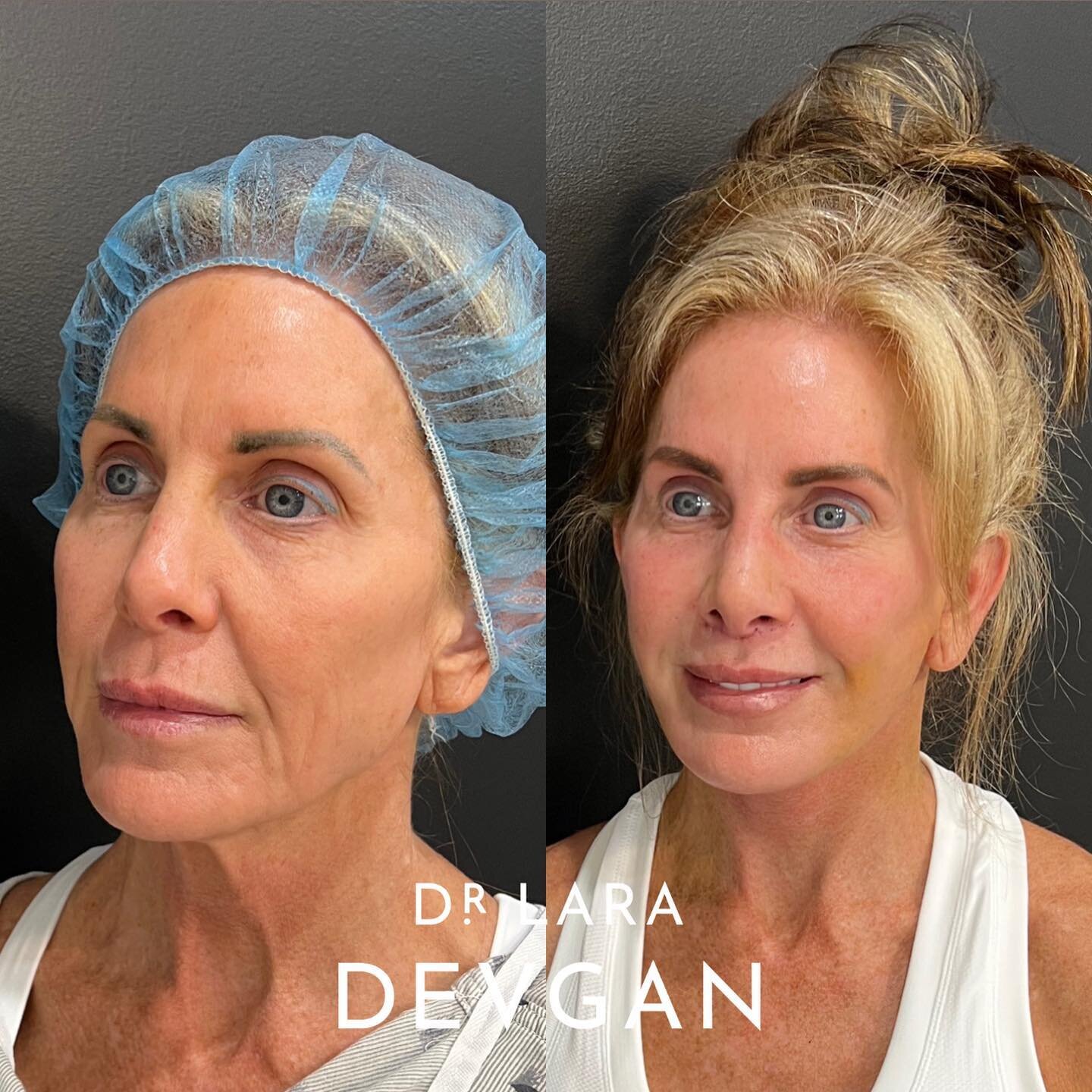
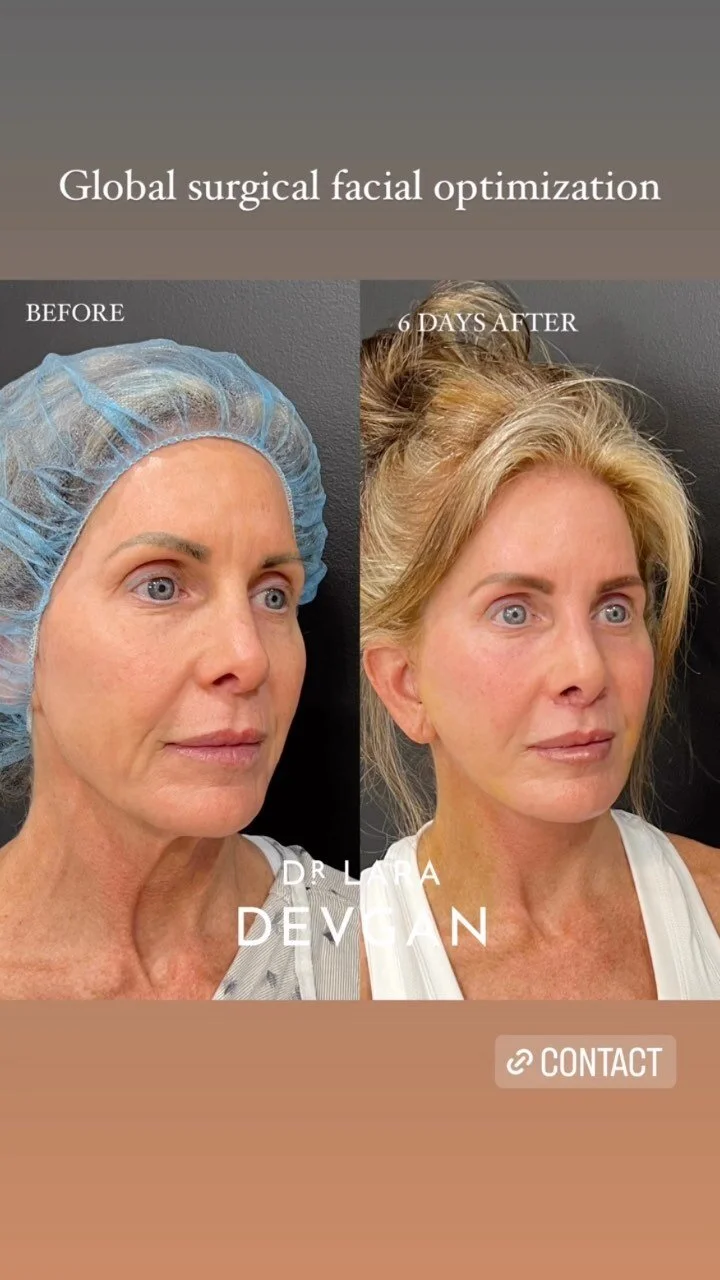
The eyebrows play a central role in how age and fatigue are perceived. When appropriately positioned, they create lift through the upper face, supporting the appearance of alertness and vitality. When they descend—as occurs naturally with age due to skin laxity, soft tissue descent, and gravitational changes—they contribute to upper lid hooding, reduced eyelid visibility, and a heavier, more tired facial expression.
These changes can occur subtly but have a disproportionate effect on overall facial perception, often influencing how rested, approachable, or aged a person appears.
A Defining Marker of Facial Identity
From an identity standpoint, the eyebrows are uniquely powerful. They are among the most recognizable features in facial recognition, often serving as a primary reference point in how we distinguish and remember faces. Small variations in brow shape or position can significantly alter perceived identity.
When eyebrows are over-thinned, over-tattooed, or lost due to aging, medical conditions, or over-treatment, patients often report a loss of facial familiarity—describing themselves as looking “different” or no longer fully recognizable.
Restoration of the Upper Facial Frame
Restoring the brows is not simply a cosmetic adjustment—it is a structural recalibration of the upper face. Depending on the individual anatomy, this may involve surgical elevation, neuromodulator-based repositioning, or cosmetic techniques that re-establish natural shape and density.
Each approach aims to restore balance between the brow, eyelid, and forehead, re-opening the periorbital region and re-establishing vertical lift through the upper face.
The Frame That Defines the Face
The eyebrows ultimately function as the frame of the eyes. While the eyes convey emotion and identity, the brows determine how that expression is perceived. Without proper framing, even the most balanced facial features lose clarity and impact.
When restored thoughtfully, the brows reintroduce structure, expression, and harmony to the upper face—allowing the eyes to read clearly, the face to feel more open, and the overall appearance to regain cohesion and vitality.
Appointment Inquiries
For inquiries and appointments, please email appointments at appointments@laradevganmd.com or call 212-452-2400. You may also use the following button to schedule an appointment online. We look forward to hearing from you. Thank you!