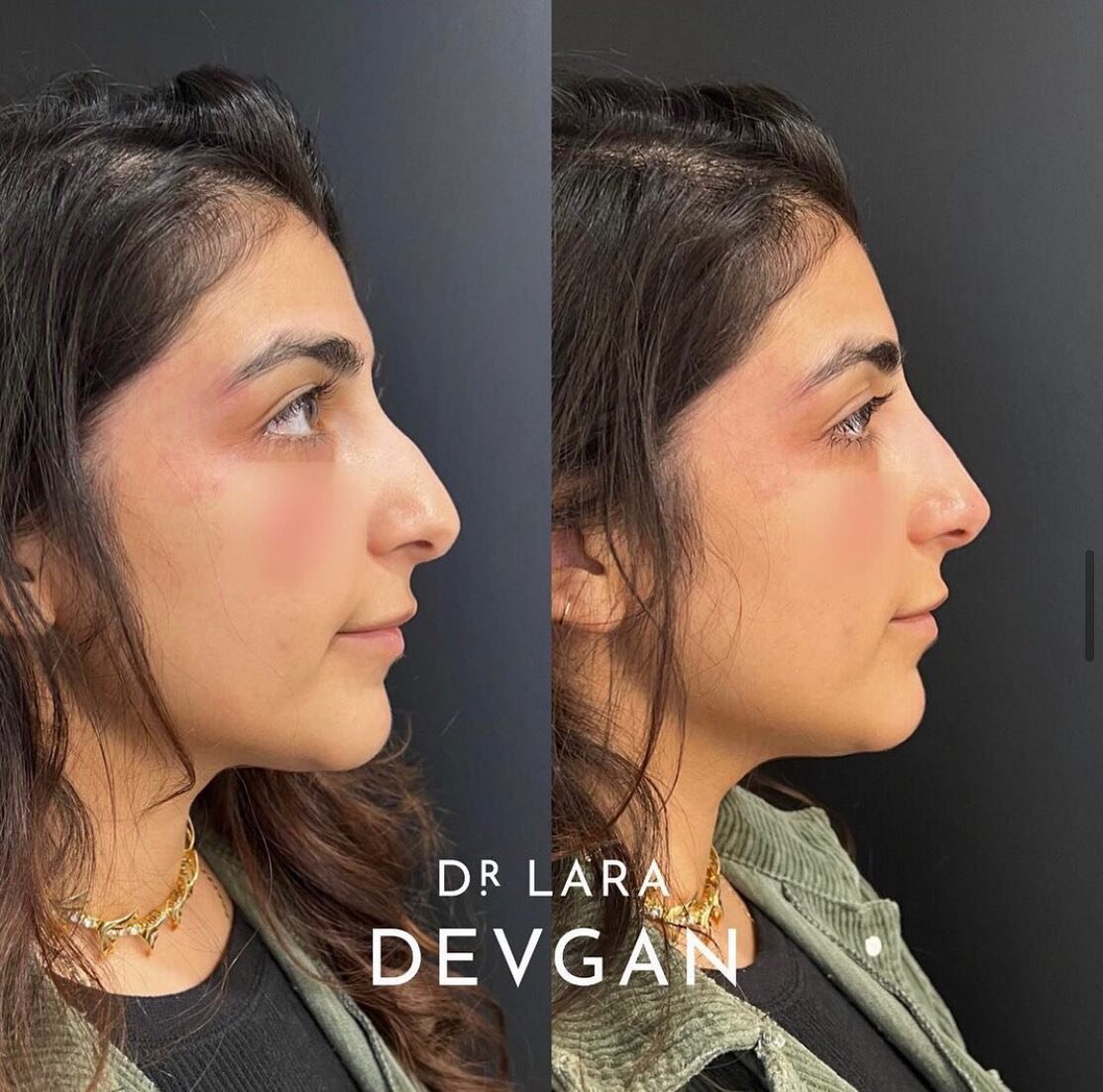
The Jawline as the Structural Foundation of Facial Definition
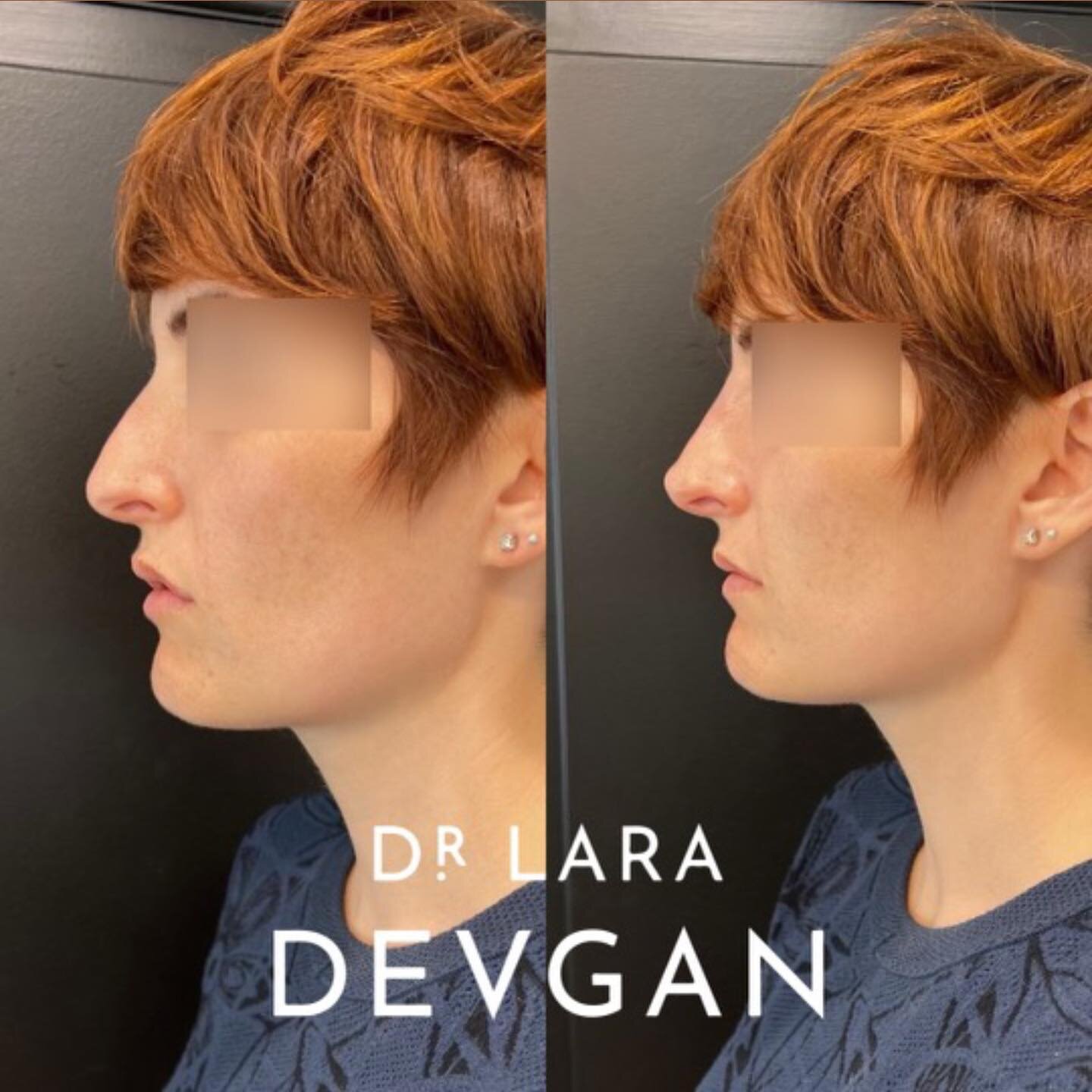
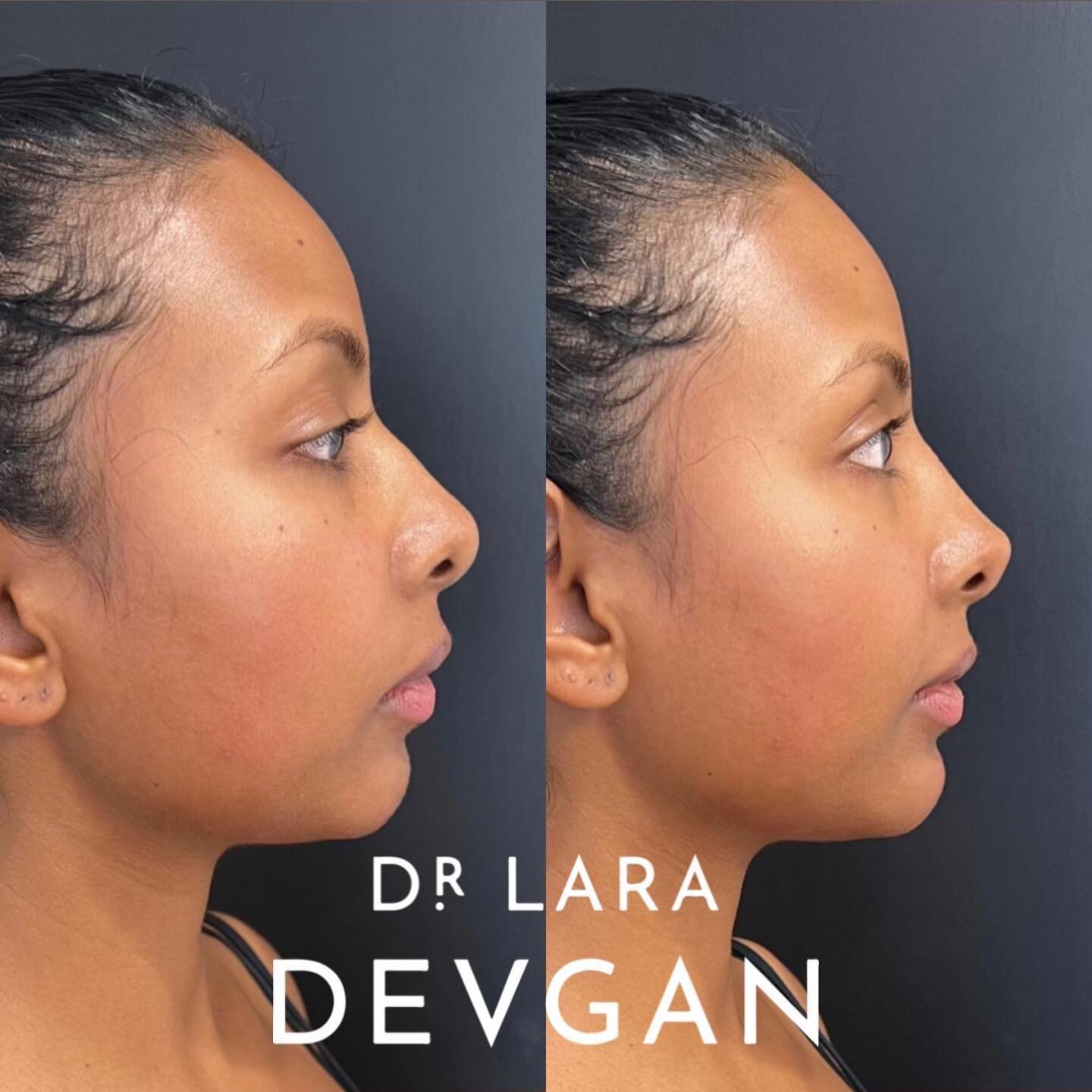
The jawline is the foundation of the face. It forms the lower facial border that separates the face from the neck and establishes the framework that everything above it rests upon. In clinical assessment, it is one of the most critical determinants of facial harmony, attractiveness, and perceived age.
A well-defined jawline provides structure, continuity, and balance. It creates a clean mandibular border that anchors the mid and upper face, giving the entire structure a sense of coherence and strength. This is not simply a contour feature—it is the anatomical edge that defines facial identity in profile and frontal view.
Universally Associated with Strength, Elegance, and Youth
Across populations and aesthetic ideals, a defined jawline is consistently associated with attractiveness. In women, it is often linked with elegance, refinement, and facial clarity. In men, it is associated with strength, angularity, and perceived vitality. Despite these differences in interpretation, the underlying principle is the same: a distinct mandibular border signals structural integrity and youthful proportion.
The jawline plays a central role in how the face is framed and perceived, particularly in motion and in three-quarter view, where definition along the lower face becomes most apparent.
How Aging Alters the Lower Facial Frame
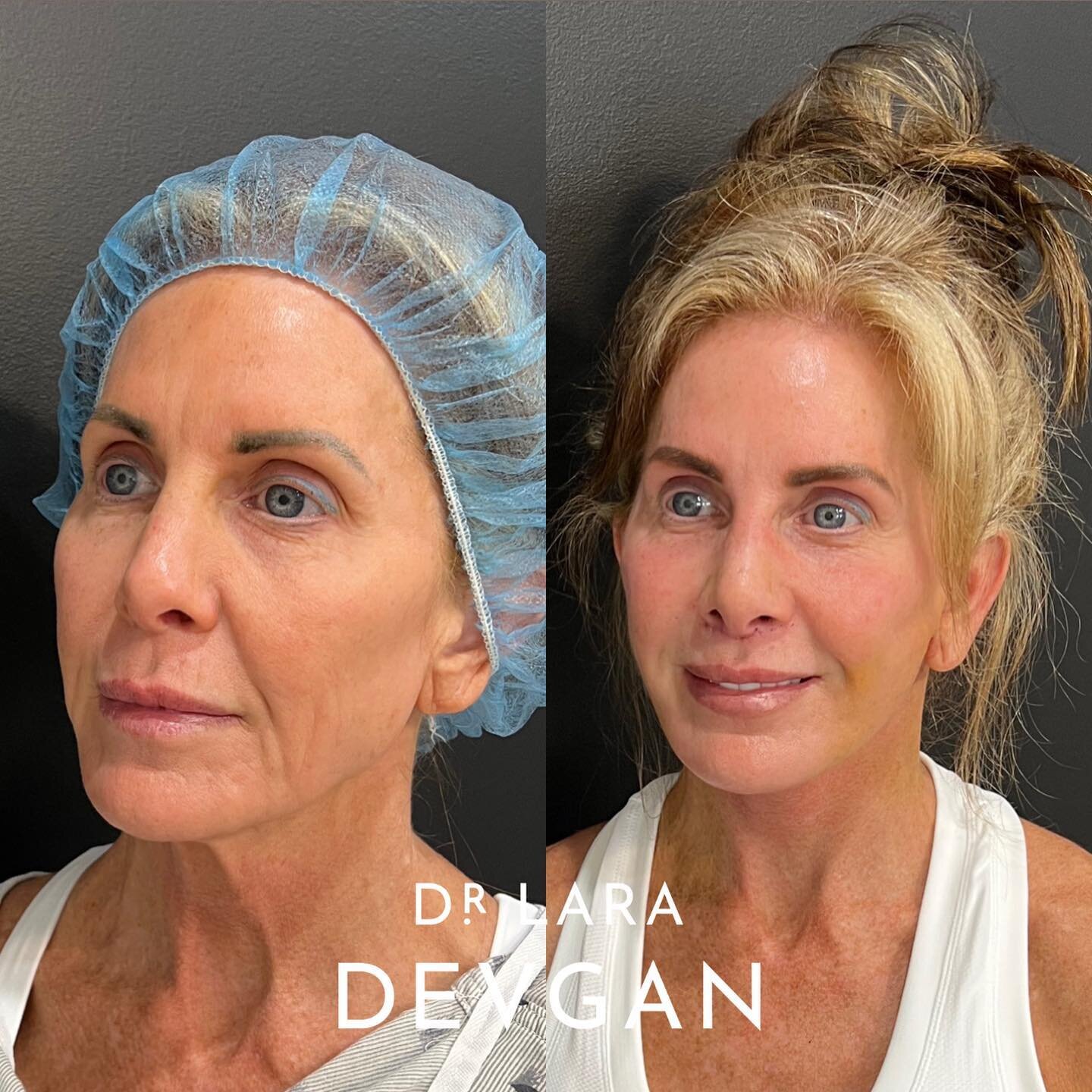
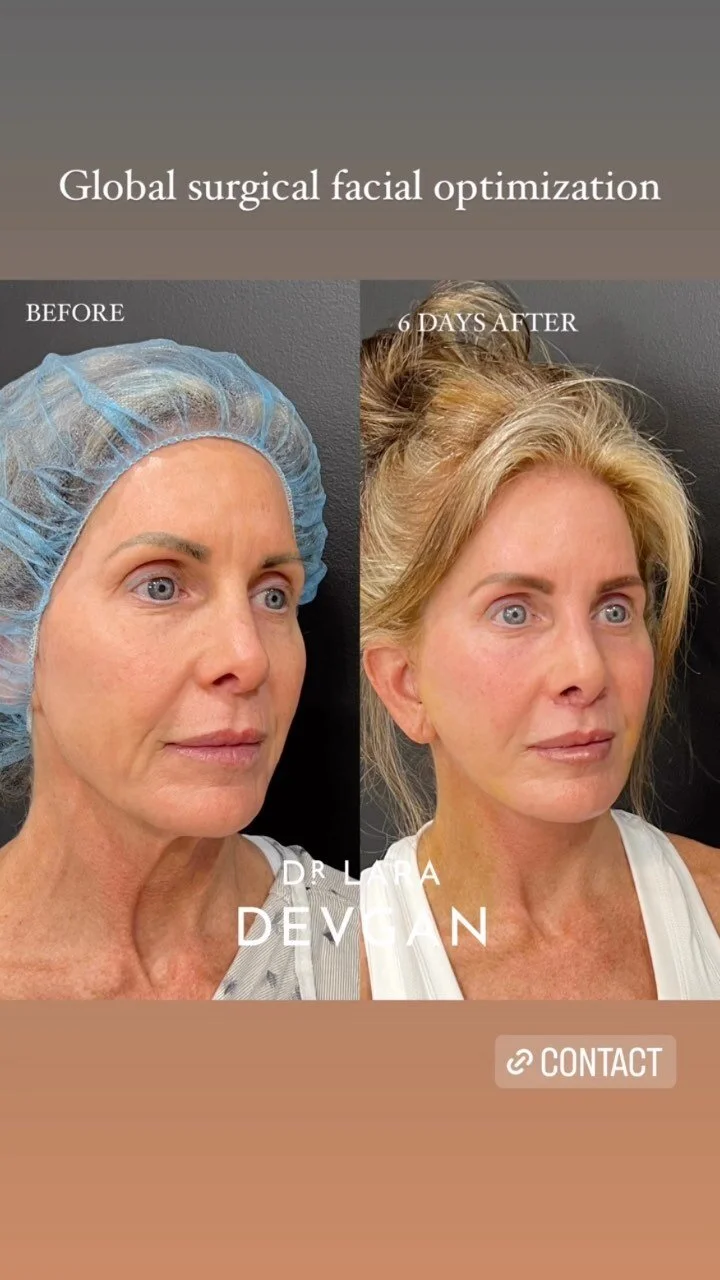
The jawline is also one of the earliest and most visible regions affected by aging. As skin elasticity declines, retaining ligaments weaken, and soft tissue volume shifts inferiorly, the once-sharp mandibular border begins to blur.
This process leads to the formation of jowls, softening of the cervicomental angle, and gradual loss of separation between the face and neck. The result is a visual descent of the lower face, where definition is replaced by continuity, and structure is replaced by softness. These changes significantly impact how age is perceived, even when other facial features remain relatively preserved.
Restoring Definition Restores Facial Identity
Because the jawline serves as the boundary of facial structure, restoring it has a profound effect on overall facial perception. Re-establishing mandibular definition re-creates separation between the face and neck, reintroduces angularity where it has softened, and restores balance to the lower third of the face.
Depending on the anatomical needs, this may involve surgical refinement, fat reduction, energy-based tightening, or precise volume restoration along the mandibular border. Each approach targets a different component of structural loss, but the goal remains the same: to re-establish a clean, continuous frame.
The Jawline as Identity and Presence
The jawline is not just a contour—it is a defining structural identity marker. Patients often recognize its loss before they can articulate exactly what has changed, describing it as a shift in how “like themselves” they feel in photos or in the mirror.
Restoring this structure does more than refine appearance. It re-establishes definition, proportion, and presence. A strong jawline does not simply complete the face—it organizes it, giving it clarity, confidence, and architectural authority.
Appointment Inquiries
For inquiries and appointments, please email appointments at appointments@laradevganmd.com or call 212-452-2400. You may also use the following button to schedule an appointment online. We look forward to hearing from you. Thank you!