Doctor's Notes | My Thoughts on the Importance of Medical-Grade Skincare
Anti-Aging Is Not About Wrinkles: My Thoughts on the Importance of Medical-Grade Skincare
When people hear the phrase “anti-aging,” they immediately think of wrinkles. Lines around the eyes. Creases in the forehead. Folds around the mouth.
But aging is not a wrinkle problem.
Aging is a cellular problem.
It’s a loss of collagen. A decline in elastin. Slower cell turnover. DNA damage from UV exposure. Chronic low-level inflammation. Dullness from impaired exfoliation. Pigment irregularity from melanocyte dysregulation. Thinning skin from structural breakdown.
Wrinkles are just the visible symptom.
If you focus only on lines, you miss the entire biology of what’s happening beneath the surface.
That’s where medical-grade skincare becomes essential.
Why Medical-Grade Skincare Matters
Medical-grade skincare is formulated with higher concentrations of active ingredients, backed by clinical research, and designed to penetrate beyond the superficial layers of the skin. It is not about pretty packaging or trend-driven marketing. It is about altering the biology of the skin in a meaningful way.
True anti-aging requires stimulating collagen production, protecting against oxidative stress, regulating pigment formation, and optimizing cellular turnover. Ingredients like prescription-strength retinoids, stabilized vitamin C, growth factors, peptides, and professionally formulated exfoliating acids are not cosmetic luxuries. They are tools that influence how skin behaves at a structural level.
When used consistently and correctly, medical-grade skincare strengthens the dermis, improves elasticity, evens tone, and restores luminosity. The skin doesn’t just look smoother. It functions better.
Prevention Is More Powerful Than Correction
By the time wrinkles are deeply etched, the structural loss has already occurred. Prevention — beginning in your 20s and 30s — is far more effective than trying to reverse decades of damage later.
Sun protection. Antioxidants. Retinoids. Barrier repair. These are not trends. They are the foundation of long-term skin health.
In my practice, the most beautiful results come from patients who understand this: aesthetic procedures enhance, but skincare maintains. Devices and injectables can lift and refine, but they cannot replace daily biologic support.
Anti-aging is not about chasing lines with filler.
It’s about preserving the integrity of your skin before those lines define you.
When you invest in medical-grade skincare, you’re not simply buying products. You’re committing to the long-term architecture of your face.
And that is what truly ages well.
Appointment Inquiries
For inquiries and appointments, please email appointments at appointments@laradevganmd.com or call 212-452-2400. You may also use the following button to schedule an appointment online. We look forward to hearing from you. Thank you!
Signature Procedure | Facelift: Undetectable Facelift Scars
Undetectable Facelift Scars—My Thoughts on How to Achieve the Most Beautiful Results
By Dr. Lara Devgan
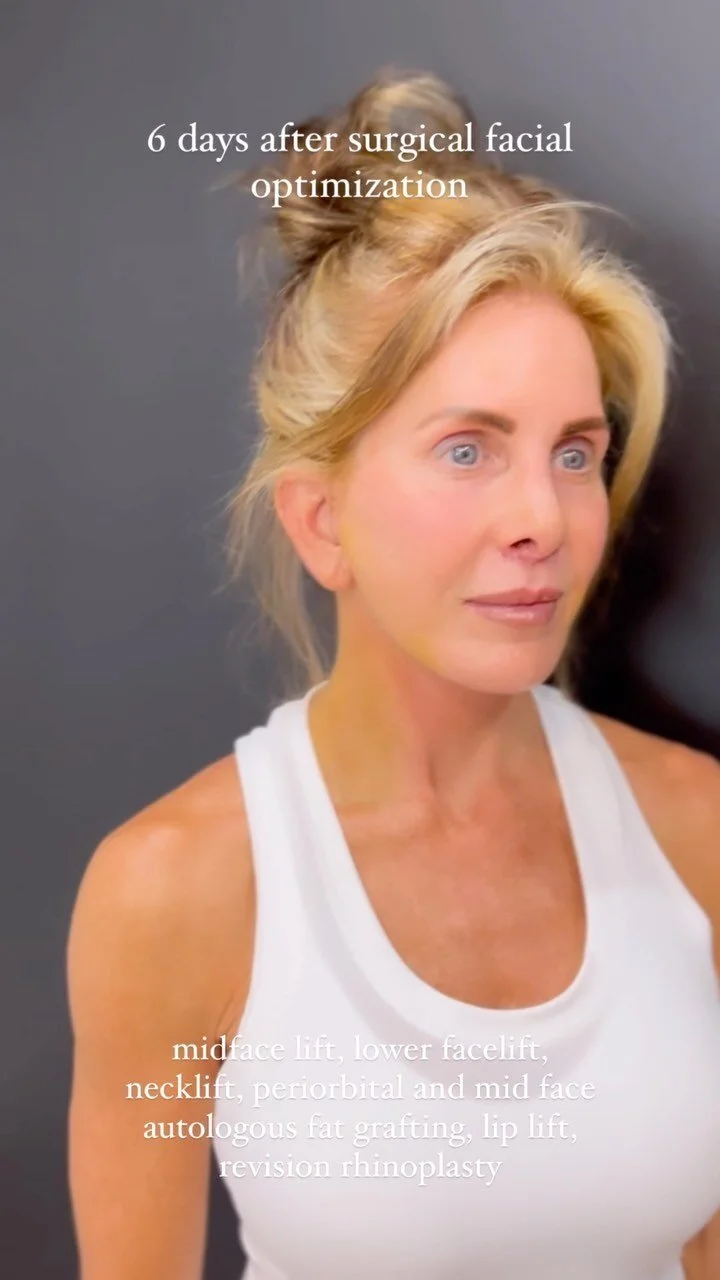
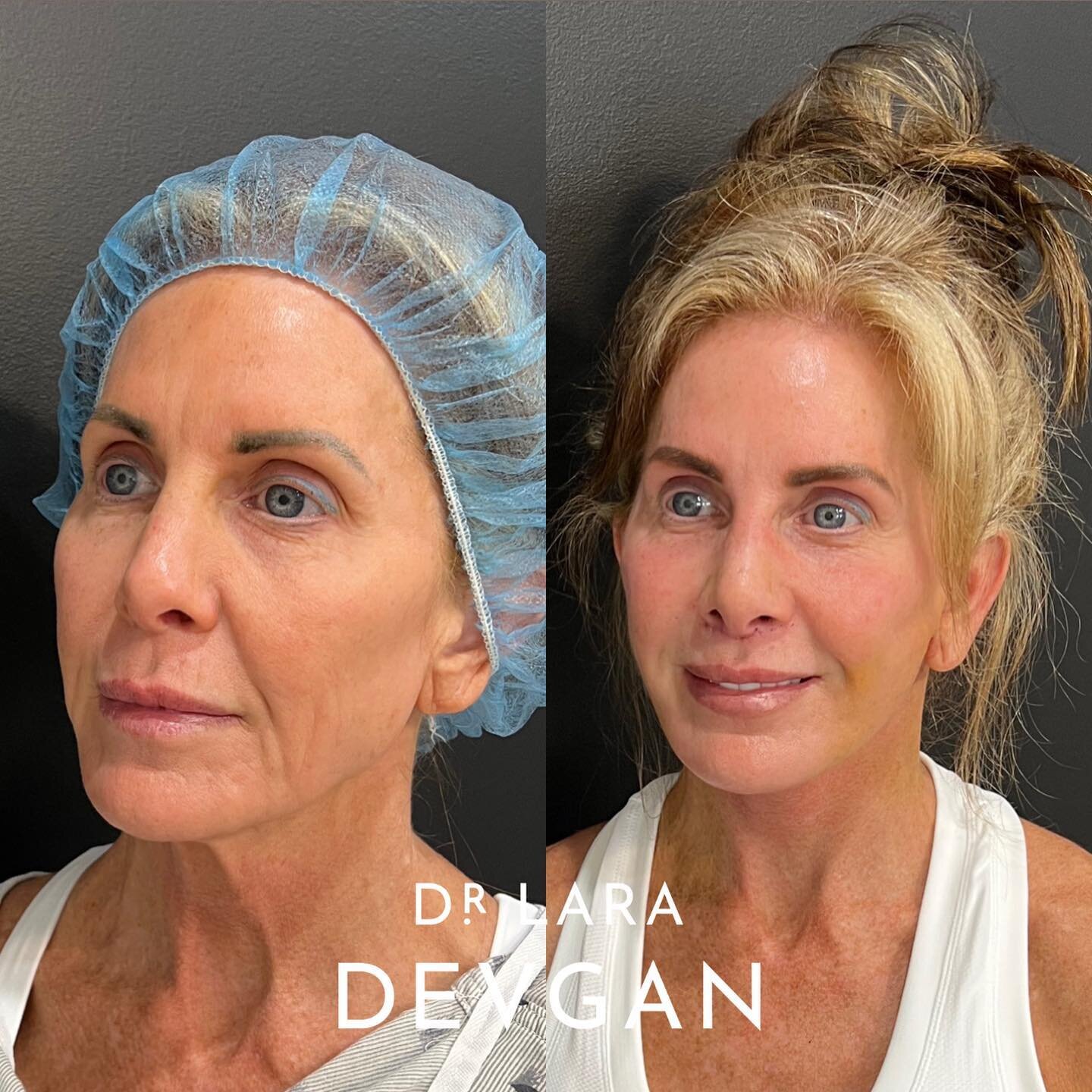
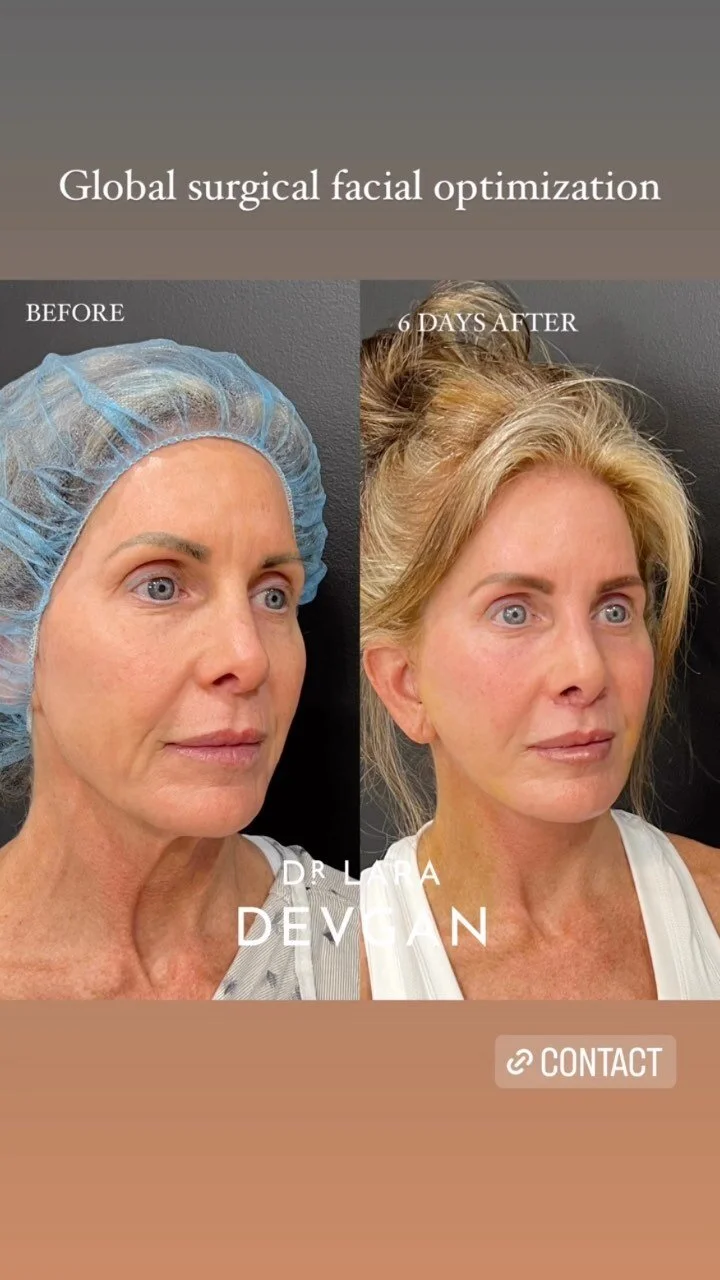
A facelift should never announce itself. The most beautiful results don’t look “done.” They look refreshed, elegant, and entirely natural. And a major part of that comes down to scar placement and scar healing. If a scar is visible, poorly positioned, or distorted, it compromises the entire outcome—no matter how technically successful the lift itself may be.
First, incision design is everything. Facelift scars must be meticulously planned to follow the natural contours of the ear and hairline. They should sit in anatomical shadows—where the ear meets the face, within the hair-bearing scalp, and along natural creases. When placed correctly, the eye simply doesn’t register them.
Second, tension management is critical. A common mistake is putting too much tension on the skin closure. When skin bears the load of the lift, scars widen and become more visible. In my practice, the structural lift happens beneath the surface, at the level of the SMAS layer. The skin is redraped, not pulled. This allows for a closure that is delicate and precise rather than tight and stressed.
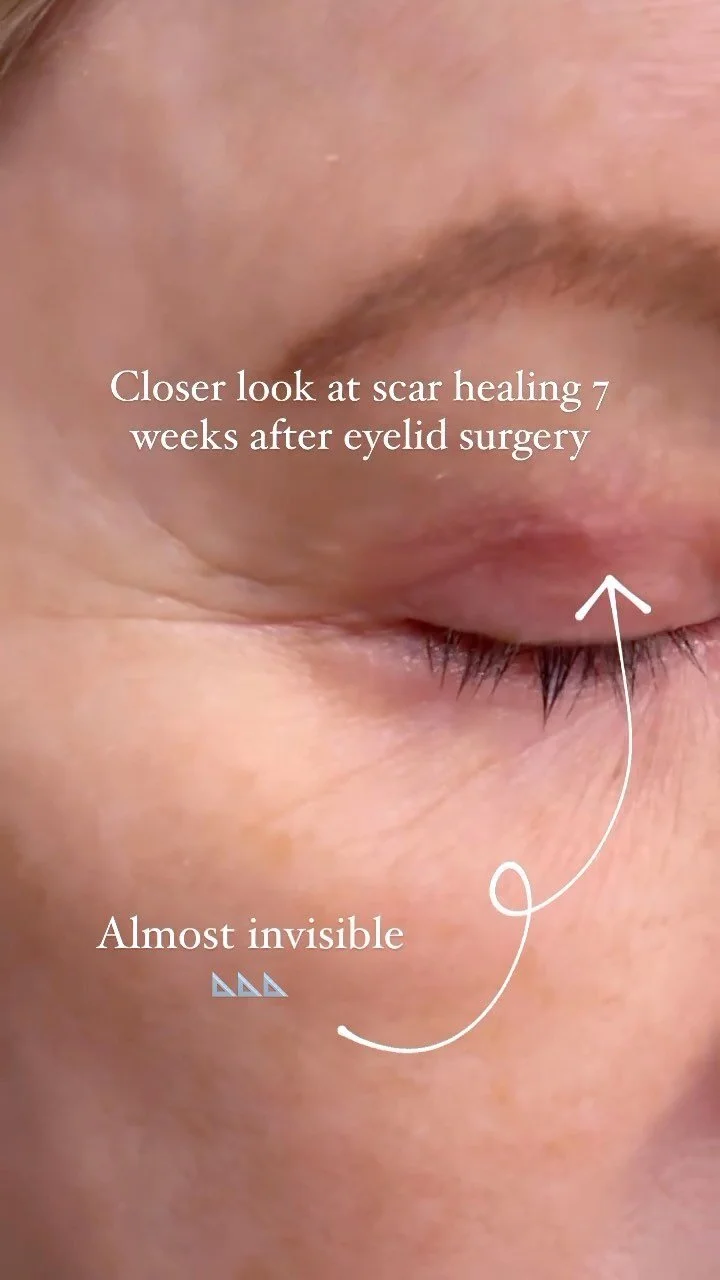
Third, surgical finesse matters. Gentle tissue handling, meticulous hemostasis, layered closure, and fine suturing techniques are non-negotiable. These details may seem small, but they are the difference between a scar that disappears and one that lingers.
Postoperative care is just as important as the surgery itself. I guide patients through scar optimization protocols that include silicone therapy, sun protection, and, when appropriate, laser treatments or microneedling. Scars evolve for up to a year. Managing that evolution intentionally makes all the difference.
Finally, patient selection and skin quality matter. Thick, resilient skin heals differently than thin, sun-damaged skin. Part of achieving an undetectable scar is setting realistic expectations and tailoring the surgical plan to the individual.
A facelift scar should be a whisper, not a headline. When surgical artistry, anatomical precision, and thoughtful aftercare align, the result isn’t just undetectable—it’s transformative in the most understated way possible.
Appointment Inquiries
For inquiries and appointments, please email appointments at appointments@laradevganmd.com or call 212-452-2400. You may also use the following button to schedule an appointment online. We look forward to hearing from you. Thank you!
Signature Procedure | Profile Balancing
Profile Balancing: The Key to Facial Harmony
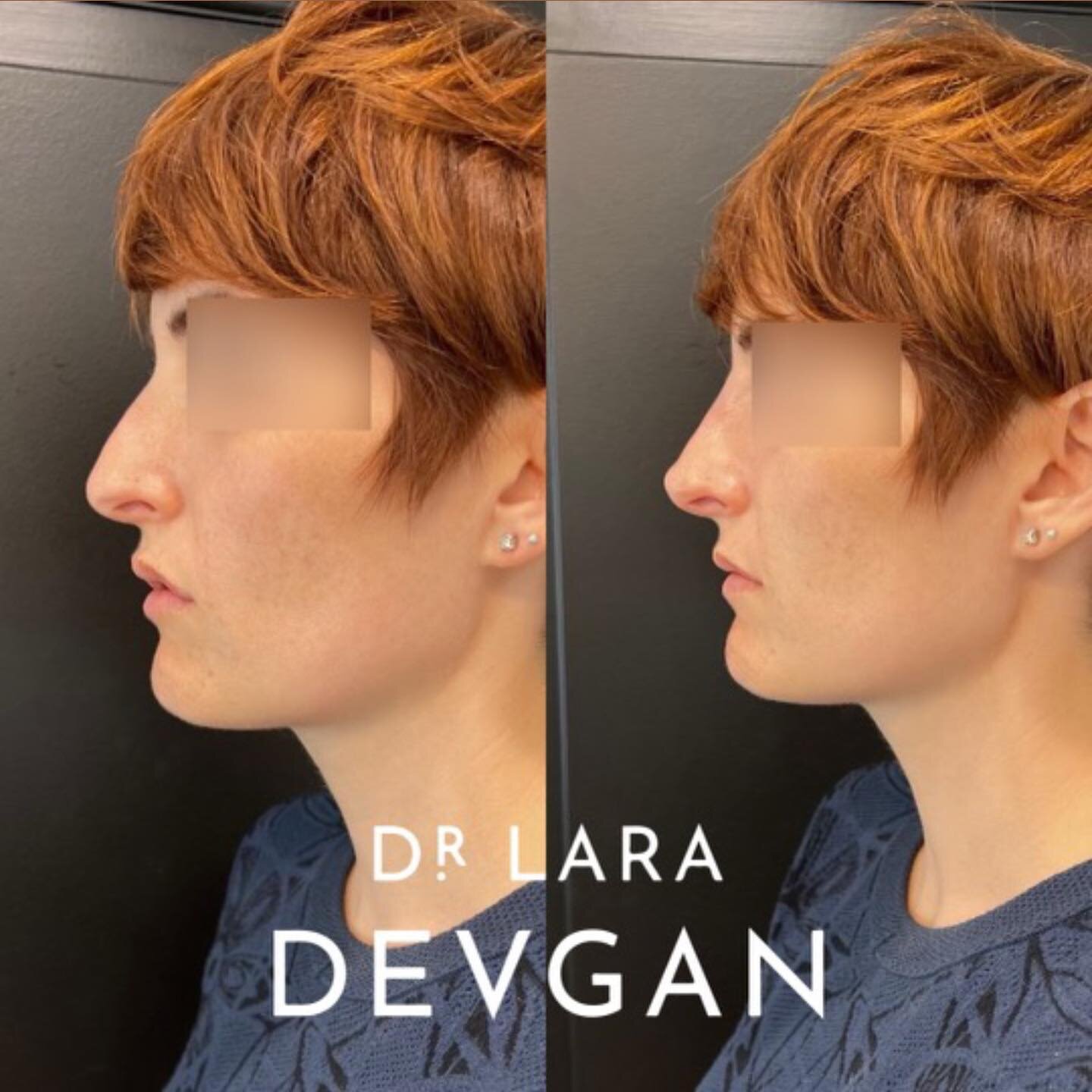
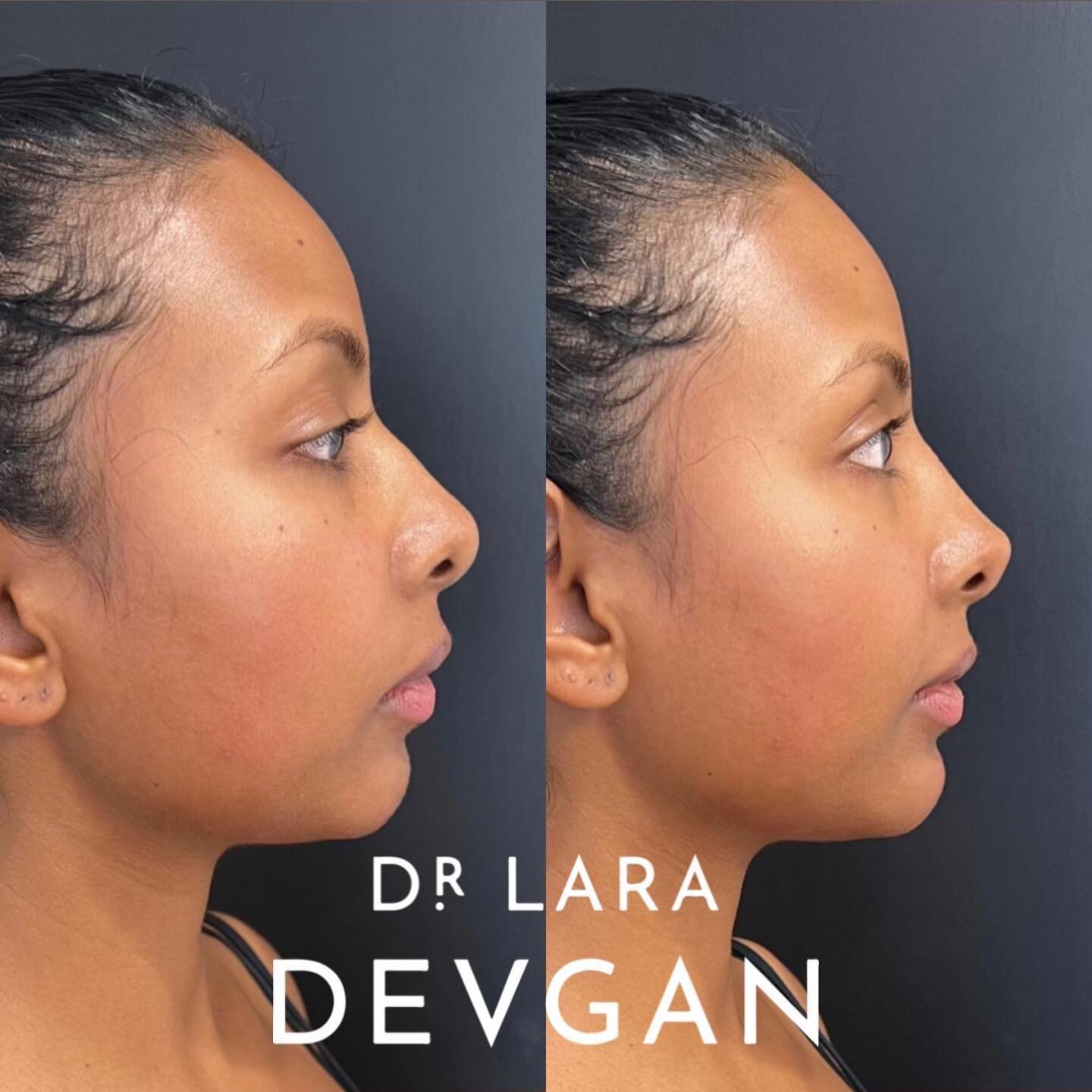
When it comes to facial aesthetics, balance is everything. You’ve probably heard phrases like “well-proportioned” or “symmetrical beauty” before, and that’s because the human eye is naturally drawn to harmony. True facial beauty isn’t about having the perfect nose, chin, or jawline in isolation—it’s about how these features work together. This concept lies at the heart of profile balancing.
In this blog post, we’ll explain what profile balancing is, why it’s important, and how subtle adjustments can create a more harmonious, attractive facial profile.
What Is Profile Balancing?
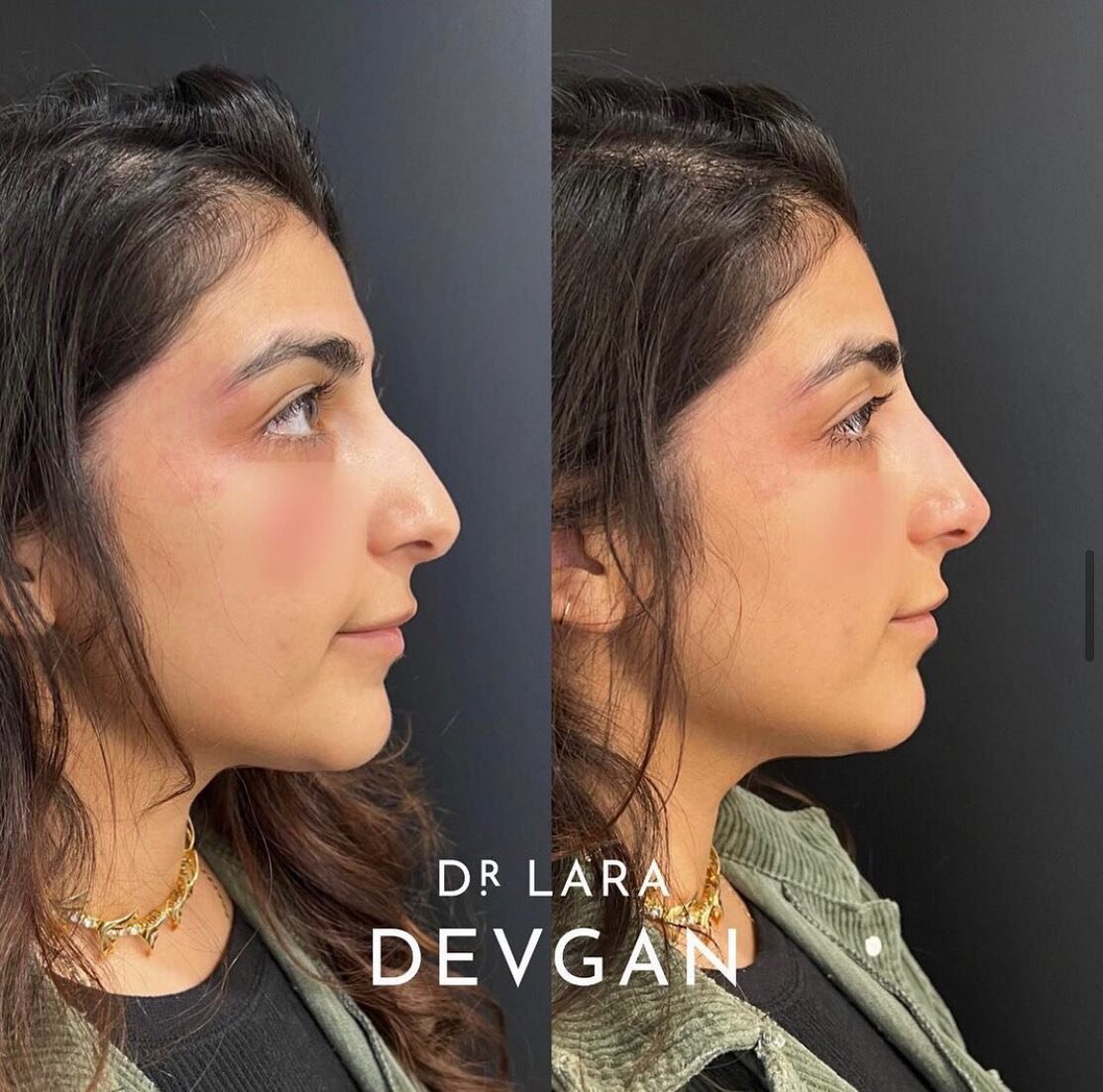
Profile balancing is an approach to facial enhancement that focuses on achieving harmony between key features when viewed from the side. The nose, chin, jawline, and even the lips all play a role in determining how balanced your profile looks. If one feature is disproportionately prominent or recessed, it can disrupt that balance and affect the overall symmetry of your face.
The goal of profile balancing is to bring your features into proportion so that no single area stands out too much or too little. This holistic approach is what sets profile balancing apart from procedures that address just one feature, like rhinoplasty or chin augmentation, on their own.
Key Features That Affect Profile Balance
The Nose
Since the nose is centrally located on your face, even small changes to its size, shape, or angle can have a major impact on your overall profile. A hump, drooping tip, or asymmetry can draw attention away from other features and disrupt facial balance. A rhinoplasty (surgical nose reshaping) or liquid rhinoplasty (nonsurgical nose job using fillers) can address these concerns and enhance profile balance.The Chin
The chin plays a crucial role in defining the lower part of your face and balancing the projection of your nose. A recessed or weak chin can make the nose appear larger, while an overly prominent chin may draw attention downward. Chin augmentation with implants or fillers can improve projection and bring the lower face into harmony with the rest of your profile.The Jawline
A well-defined jawline adds structure to the face and enhances profile balance. Jawline contouring, which may involve fillers, Botox, or even jaw surgery, can address concerns like a weak jawline, jowls, or asymmetry.The Lips
While often associated with front-facing beauty, the lips also contribute to profile balance. Full, proportionate lips that complement the nose, chin, and jawline can enhance overall facial harmony. Lip fillers can be used to subtly enhance the lip shape and volume without overpowering the profile.The Forehead
The forehead, though less frequently discussed, plays a role in profile balance by contributing to the overall curvature of the face. A flat or disproportionately large forehead can sometimes affect the balance between the upper and lower face. In certain cases, treatments like forehead reshaping, Botox, or brow lifts can help improve balance.
Surgical vs. Nonsurgical Profile Balancing
Not everyone is ready to commit to surgery—and the good news is that you don’t always have to. Profile balancing can be achieved through both surgical and nonsurgical options, depending on your goals and the extent of the changes needed.
Surgical Options: Rhinoplasty, chin implants, and jaw surgery offer permanent, dramatic results for those looking to make significant adjustments to their facial profile.
Nonsurgical Options: Dermal fillers, Botox, and thread lifts provide temporary enhancements that can improve profile balance without downtime or incisions. These are great for those seeking subtle changes or who want to “try out” their new look before committing to surgery.
The Importance of a Personalized Approach
When it comes to profile balancing, there’s no one-size-fits-all solution. Every face is unique, and what works for one person might not be the best option for another. A skilled plastic surgeon or aesthetic provider will assess your facial structure, listen to your concerns, and develop a customized treatment plan designed to enhance your natural beauty while maintaining your individuality.
The Benefits of Profile Balancing
Enhanced Facial Harmony: By bringing your features into proportion, profile balancing can improve overall symmetry and create a more harmonious look.
Natural-Looking Results: The goal is to enhance your natural beauty, not change your face beyond recognition.
Increased Confidence: When your facial features are in balance, it can make a big difference in how you see yourself—and how others perceive you.
Customizable Solutions: Whether you prefer surgical or nonsurgical treatments, there are options to fit your preferences and lifestyle.
Is Profile Balancing Right for You?
If you’ve ever felt that your nose looks too large, your chin too small, or your jawline undefined, profile balancing might be the solution you’re looking for. By taking a holistic approach to facial enhancement, you can achieve subtle, natural-looking improvements that enhance your overall appearance and boost your confidence.
The best way to determine if profile balancing is right for you is to schedule a consultation with a qualified provider. They’ll help you understand your options, answer any questions you have, and work with you to create a treatment plan that brings your facial features into perfect harmony.
With the right approach, even small adjustments can lead to big improvements—and the confidence that comes from loving what you see in the mirror.
Appointment Inquiries
For inquiries and appointments, please email appointments at appointments@laradevganmd.com or call 212-452-2400. You may also use the following button to schedule an appointment online. We look forward to hearing from you. Thank you!
Doctor's Notes | What Happens to Our Faces as We Age — And How That Should Shape a Rational, Evidence-Backed Approach to Facial Aging
What Happens to Our Faces as We Age — And How That Should Shape a Rational, Evidence-Backed Approach to Facial Aging
Facial aging is often framed as a surface-level problem: wrinkles, lines, and texture changes. But this framing is incomplete. Aging is a complex, multi-layered biological process that affects every structural level of the face—from skin quality to fat compartments, ligaments, muscle dynamics, and bone.
Understanding what actually changes with time allows for a more rational, measured, and effective approach to aesthetic care—one rooted in anatomy, biology, and restraint rather than trends or fear-based narratives.
The Face Ages in Layers, Not Just at the Surface
The face is composed of several interdependent layers:
Skin
Subcutaneous fat
Retaining ligaments and fascial planes
Muscles of facial expression
Underlying facial skeleton
Aging affects each layer differently and at different rates.
Skin becomes thinner, less elastic, and less efficient at producing collagen, elastin, and hyaluronic acid. This leads to gradual loss of firmness, hydration, and resilience.
Fat does not simply “disappear.” It redistributes. Some compartments deflate, others descend, and some become more prominent. This shift alters contours and shadows, particularly around the eyes, midface, temples, and jawline.
Ligaments gradually lose tensile strength, allowing soft tissue to settle downward.
Bone undergoes slow resorption over decades, subtly changing facial shape and structural support.
Wrinkles, therefore, are not the root problem. They are a downstream manifestation of deeper structural change.
Volume Loss Is Selective, Not Global
A common misconception is that aging equals universal volume loss. In reality, aging is characterized by selective deflation combined with selective descent.
Certain areas—such as the temples, periorbital region, and deep midface—tend to lose structural volume. Other areas—such as the lower face and jowls—often appear heavier because tissue has shifted, not because new volume has appeared.
This distinction matters.
Indiscriminate volumization leads to faces that look overfilled, imprecise, and distorted. A rational approach focuses on strategic structural support where volume loss truly exists, rather than blanket filling.
Skin Quality Matters as Much as Shape
Structure alone does not create a youthful appearance. Skin quality plays an equally critical role.
With time, skin accumulates oxidative damage, glycation byproducts, and reduced cellular turnover. This manifests as dullness, uneven tone, enlarged pores, fine lines, and loss of luminosity.
Procedural approaches that stimulate collagen, improve hydration, and refine texture—such as microneedling, energy-based devices, biostimulatory treatments, and targeted injectables—directly address these changes.
High-quality skin often reads as “youthful” even when mild structural aging is present.
Muscle Dynamics Change Over Time
Facial expression patterns evolve. Repetitive movement combined with thinning skin leads to etched lines. In certain areas, muscle hyperactivity deepens folds; in others, muscle weakening contributes to descent.
Neuromodulators are not about freezing expression. When used thoughtfully, they rebalance muscular forces, soften excessive pull, and preserve natural movement.
Again, the goal is modulation—not elimination.
Aging Is Gradual. Treatment Should Be Gradual.
One of the most evidence-backed concepts in aesthetic medicine is that small, periodic interventions performed over time age better than large, corrective interventions performed later.
Gradual support of structure
Gradual maintenance of skin quality
Gradual refinement of muscle balance
This philosophy preserves facial identity and avoids dramatic shifts.
The objective is not to “look younger.” The objective is to look consistently like yourself at your best.
Why Filler Is Not the Villain
Public discourse often swings between extremes: filler as miracle, filler as disaster.
In reality, filler is a structural tool.
Hyaluronic acid fillers are temporary, adjustable, and reversible. When placed with anatomical precision, they replace specific support where it has diminished. They do not need to change facial shape. They do not need to add visible bulk.
Problems arise when filler is used to chase lines instead of addressing underlying structure, or when too much product is placed without respect for anatomy.
Used well, filler is subtle, controlled, and biologically logical.
Surgery and Minimally Invasive Procedures Are Not Opposites
A rational framework does not position surgery and injectables as competing philosophies.
They address different layers.
Surgery repositions descended tissue and restores architecture.
Injectables and energy-based treatments refine, support, and maintain.
The most natural outcomes often arise from thoughtful combinations, tailored to an individual’s anatomy and stage of aging.
A Rational Framework for Facial Aging
An evidence-based approach asks:
Where has structural support changed?
Where has tissue shifted versus deflated?
How is skin quality evolving?
How are muscle dynamics contributing?
From there, treatment is layered, conservative, and customized.
Not trend-driven.
Not reactive.
Not maximalist.
The Takeaway
Faces do not suddenly “collapse.” They slowly reorganize.
When we understand aging as a predictable, layered biological process, aesthetic medicine becomes less about erasing flaws and more about intelligently supporting anatomy.
The most successful outcomes are quiet.
They preserve identity.
They respect proportion.
They evolve with time.
That is what rational, evidence-backed facial aging truly looks like.
Appointment Inquiries
For inquiries and appointments, please email appointments at appointments@laradevganmd.com or call 212-452-2400. You may also use the following button to schedule an appointment online. We look forward to hearing from you. Thank you!