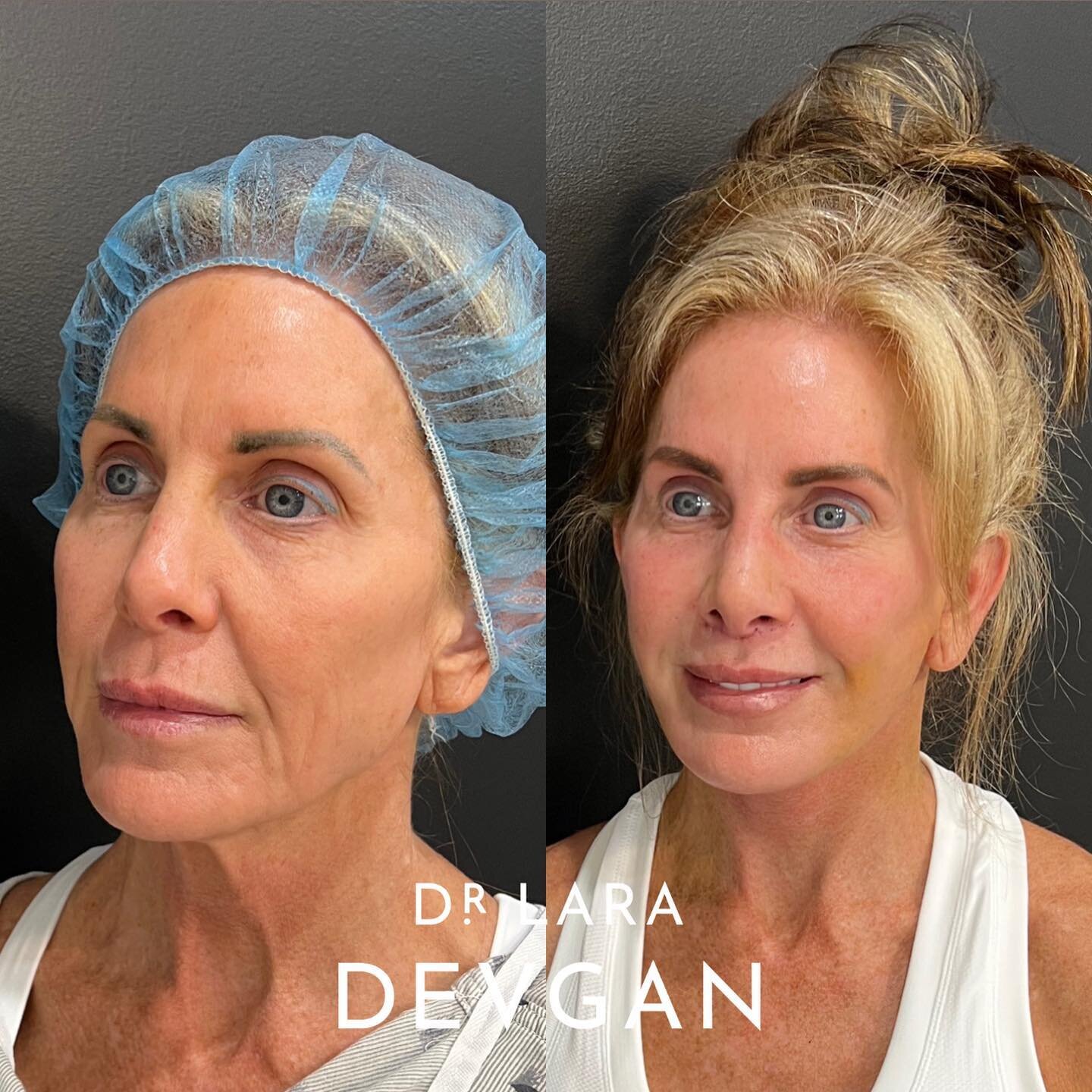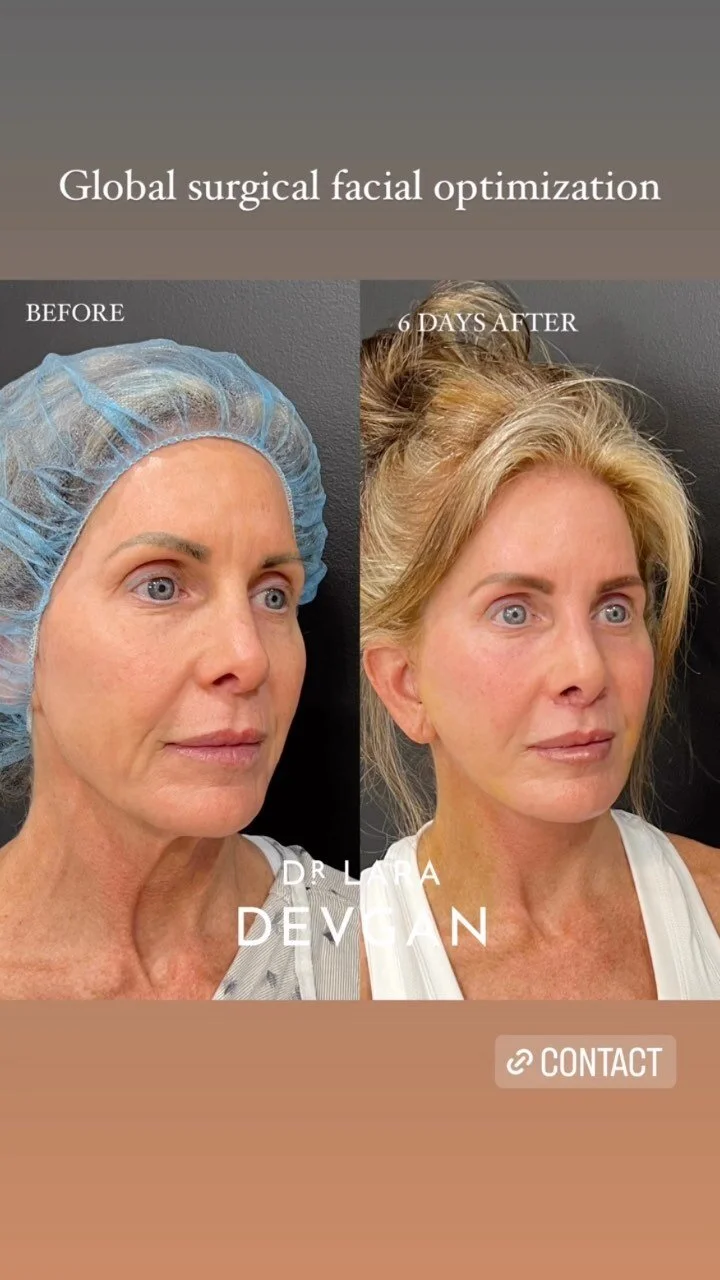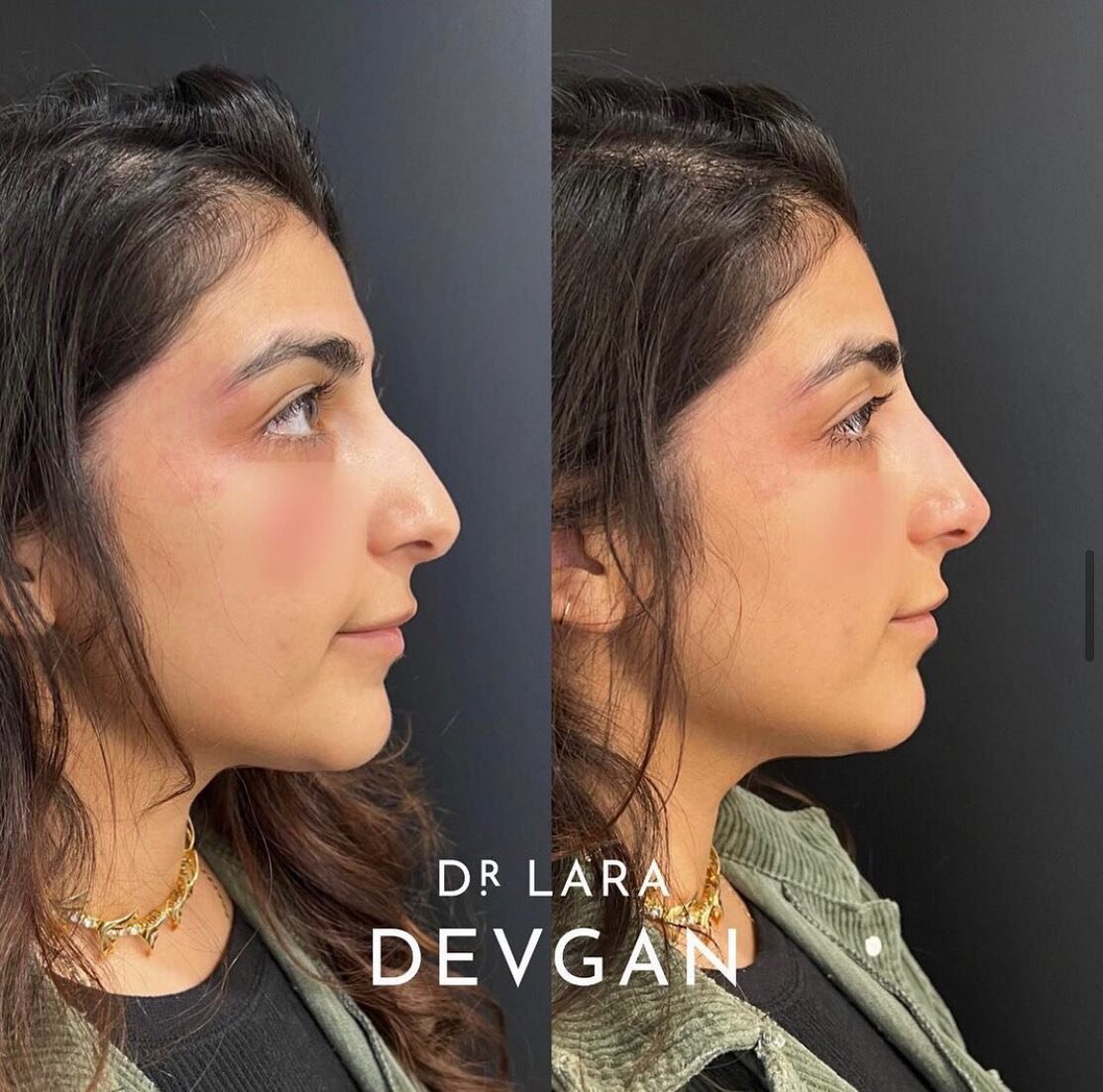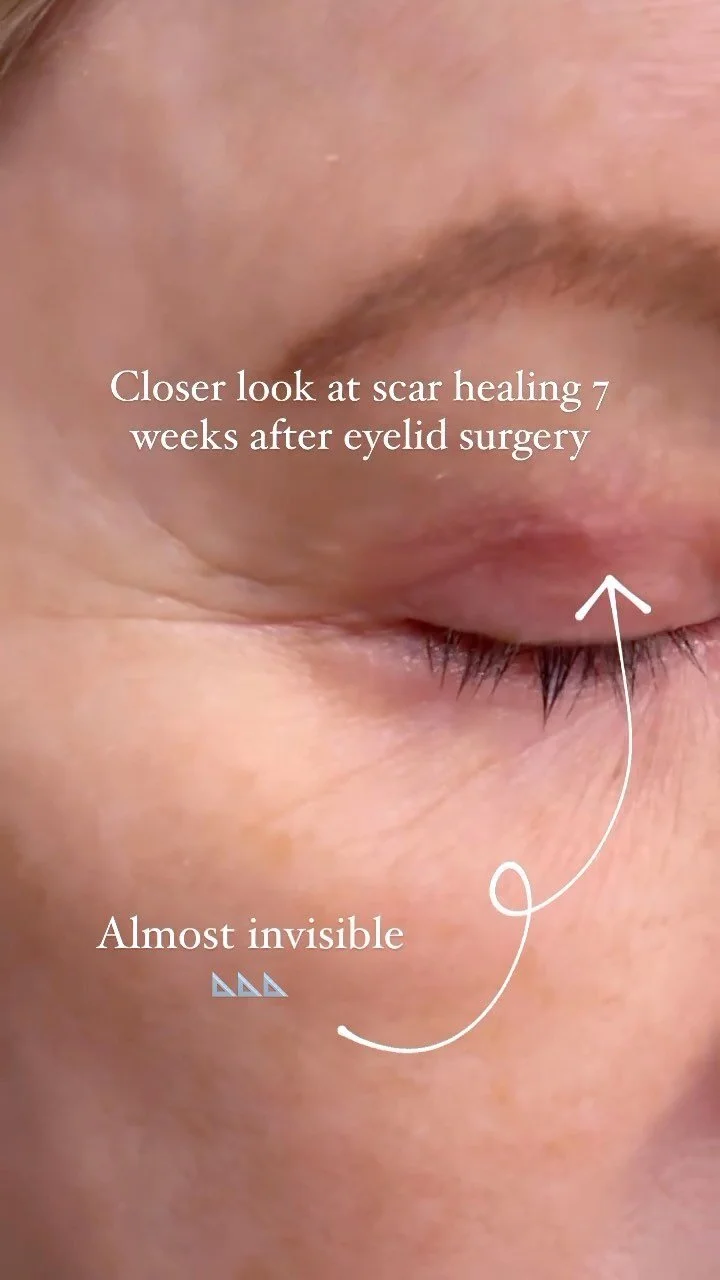
What Happens to Our Faces as We Age — And How That Should Shape a Rational, Evidence-Backed Approach to Facial Aging
Facial aging is often framed as a surface-level problem: wrinkles, lines, and texture changes. But this framing is incomplete. Aging is a complex, multi-layered biological process that affects every structural level of the face—from skin quality to fat compartments, ligaments, muscle dynamics, and bone.
Understanding what actually changes with time allows for a more rational, measured, and effective approach to aesthetic care—one rooted in anatomy, biology, and restraint rather than trends or fear-based narratives.
The Face Ages in Layers, Not Just at the Surface
The face is composed of several interdependent layers:
Skin
Subcutaneous fat
Retaining ligaments and fascial planes
Muscles of facial expression
Underlying facial skeleton
Aging affects each layer differently and at different rates.
Skin becomes thinner, less elastic, and less efficient at producing collagen, elastin, and hyaluronic acid. This leads to gradual loss of firmness, hydration, and resilience.
Fat does not simply “disappear.” It redistributes. Some compartments deflate, others descend, and some become more prominent. This shift alters contours and shadows, particularly around the eyes, midface, temples, and jawline.
Ligaments gradually lose tensile strength, allowing soft tissue to settle downward.
Bone undergoes slow resorption over decades, subtly changing facial shape and structural support.
Wrinkles, therefore, are not the root problem. They are a downstream manifestation of deeper structural change.
Volume Loss Is Selective, Not Global
A common misconception is that aging equals universal volume loss. In reality, aging is characterized by selective deflation combined with selective descent.
Certain areas—such as the temples, periorbital region, and deep midface—tend to lose structural volume. Other areas—such as the lower face and jowls—often appear heavier because tissue has shifted, not because new volume has appeared.
This distinction matters.
Indiscriminate volumization leads to faces that look overfilled, imprecise, and distorted. A rational approach focuses on strategic structural support where volume loss truly exists, rather than blanket filling.
Skin Quality Matters as Much as Shape
Structure alone does not create a youthful appearance. Skin quality plays an equally critical role.
With time, skin accumulates oxidative damage, glycation byproducts, and reduced cellular turnover. This manifests as dullness, uneven tone, enlarged pores, fine lines, and loss of luminosity.
Procedural approaches that stimulate collagen, improve hydration, and refine texture—such as microneedling, energy-based devices, biostimulatory treatments, and targeted injectables—directly address these changes.
High-quality skin often reads as “youthful” even when mild structural aging is present.
Muscle Dynamics Change Over Time
Facial expression patterns evolve. Repetitive movement combined with thinning skin leads to etched lines. In certain areas, muscle hyperactivity deepens folds; in others, muscle weakening contributes to descent.
Neuromodulators are not about freezing expression. When used thoughtfully, they rebalance muscular forces, soften excessive pull, and preserve natural movement.
Again, the goal is modulation—not elimination.
Aging Is Gradual. Treatment Should Be Gradual.
One of the most evidence-backed concepts in aesthetic medicine is that small, periodic interventions performed over time age better than large, corrective interventions performed later.
Gradual support of structure
Gradual maintenance of skin quality
Gradual refinement of muscle balance
This philosophy preserves facial identity and avoids dramatic shifts.
The objective is not to “look younger.” The objective is to look consistently like yourself at your best.
Why Filler Is Not the Villain
Public discourse often swings between extremes: filler as miracle, filler as disaster.
In reality, filler is a structural tool.
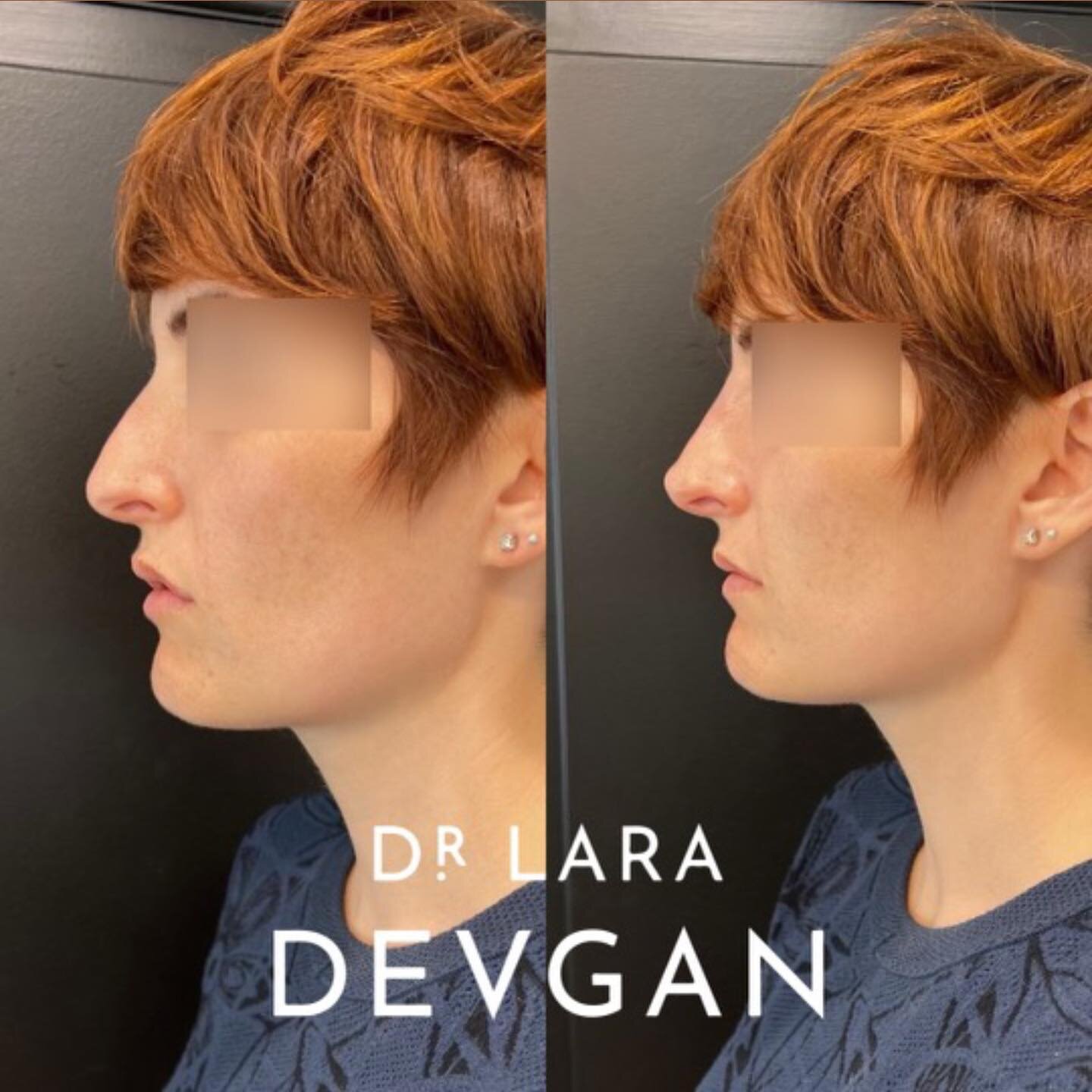
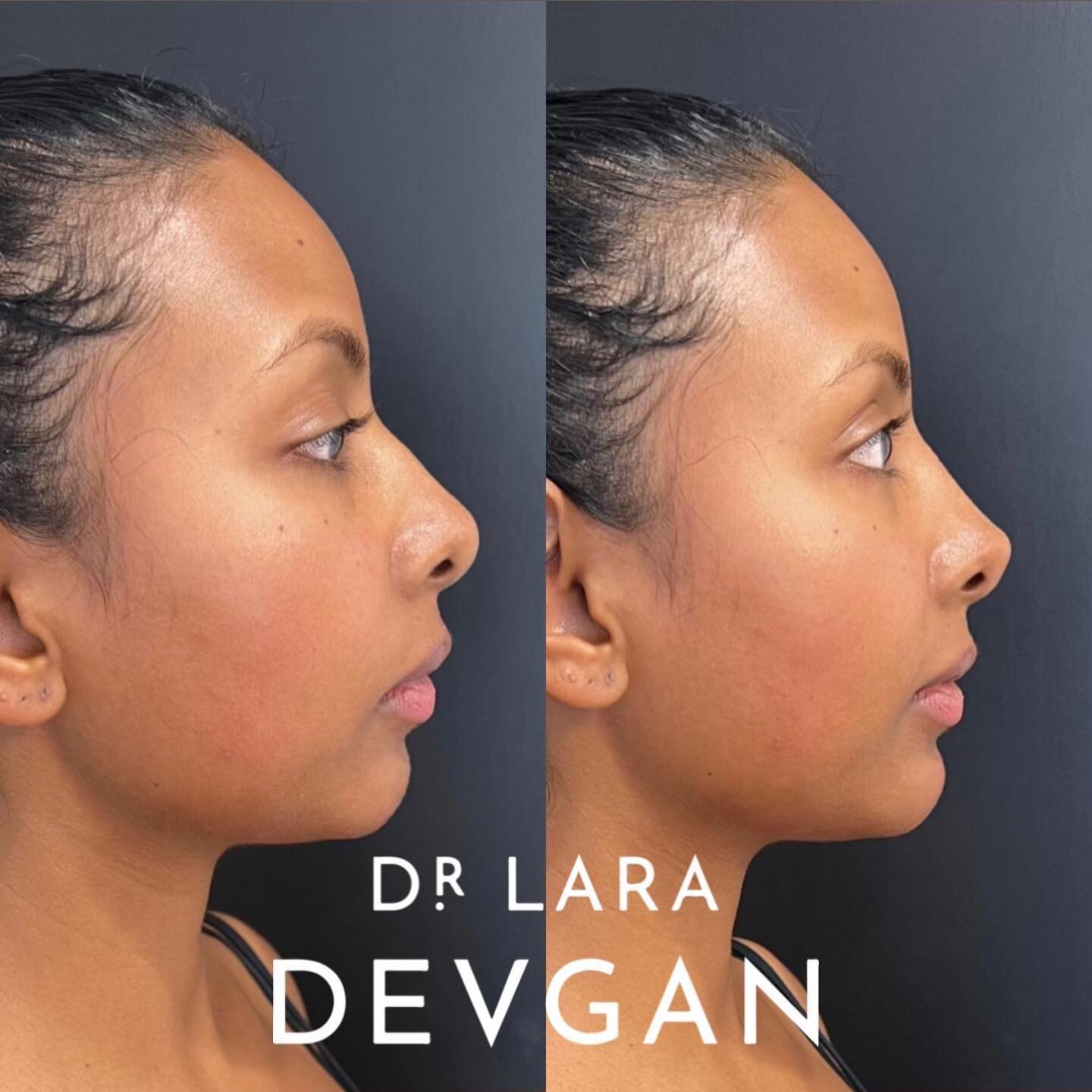
Hyaluronic acid fillers are temporary, adjustable, and reversible. When placed with anatomical precision, they replace specific support where it has diminished. They do not need to change facial shape. They do not need to add visible bulk.
Problems arise when filler is used to chase lines instead of addressing underlying structure, or when too much product is placed without respect for anatomy.
Used well, filler is subtle, controlled, and biologically logical.
Surgery and Minimally Invasive Procedures Are Not Opposites
A rational framework does not position surgery and injectables as competing philosophies.
They address different layers.
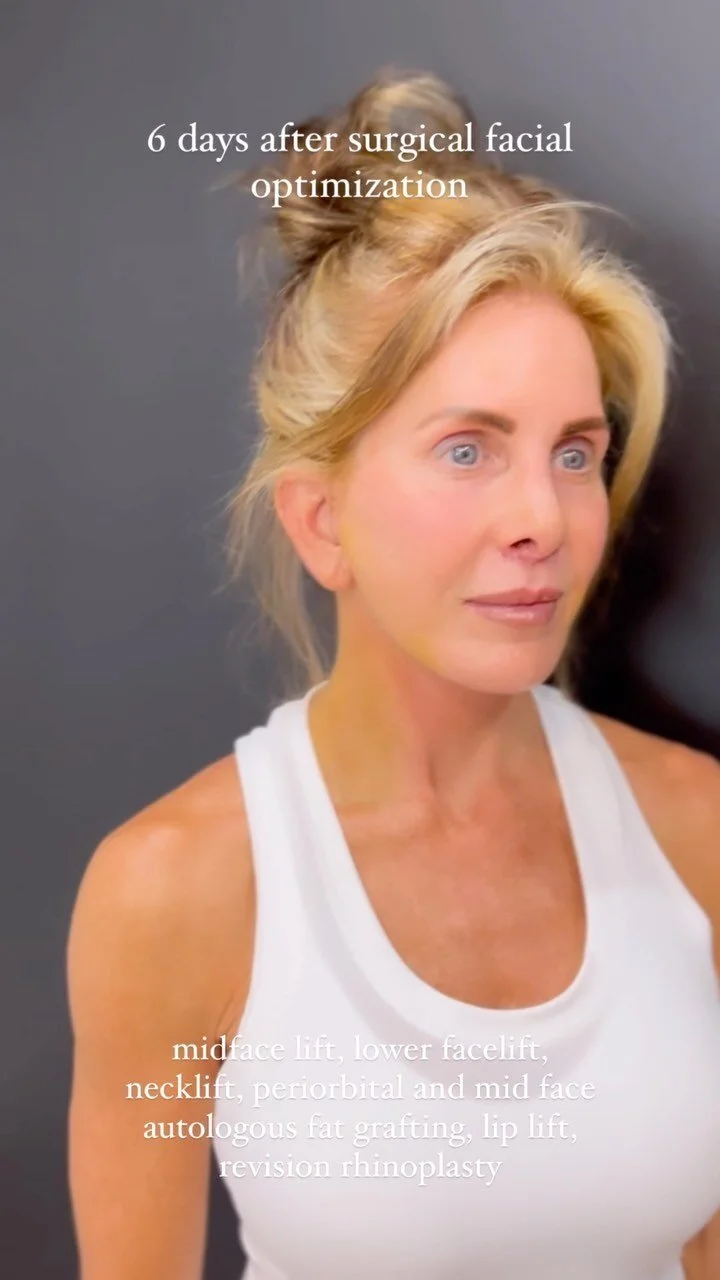
Surgery repositions descended tissue and restores architecture.
Injectables and energy-based treatments refine, support, and maintain.
The most natural outcomes often arise from thoughtful combinations, tailored to an individual’s anatomy and stage of aging.
A Rational Framework for Facial Aging
An evidence-based approach asks:
Where has structural support changed?
Where has tissue shifted versus deflated?
How is skin quality evolving?
How are muscle dynamics contributing?
From there, treatment is layered, conservative, and customized.
Not trend-driven.
Not reactive.
Not maximalist.
The Takeaway
Faces do not suddenly “collapse.” They slowly reorganize.
When we understand aging as a predictable, layered biological process, aesthetic medicine becomes less about erasing flaws and more about intelligently supporting anatomy.
The most successful outcomes are quiet.
They preserve identity.
They respect proportion.
They evolve with time.
That is what rational, evidence-backed facial aging truly looks like.
Appointment Inquiries
For inquiries and appointments, please email appointments at appointments@laradevganmd.com or call 212-452-2400. You may also use the following button to schedule an appointment online. We look forward to hearing from you. Thank you!