Doctor's Notes | Skeletal Facial Aging

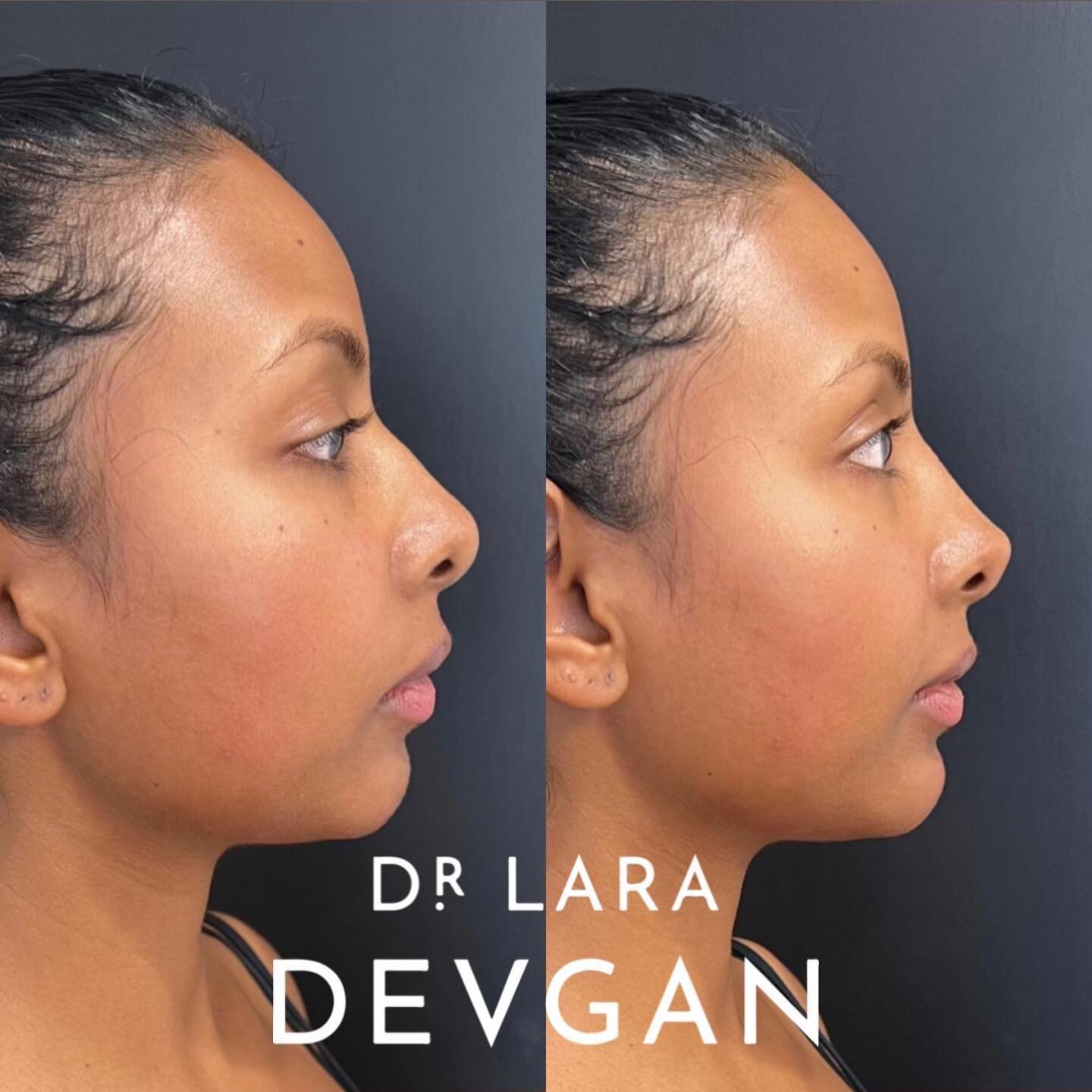
In this TikTok, Dr. Lara Devgan gives insight into skeletal facial aging and how it impacts facial aesthetics.


Skeletal Facial Aging: A Plastic Surgeon’s Perspective

When most people think about aging, they picture wrinkles, sagging skin, maybe some volume loss. But the foundation of facial aging isn’t the skin at all—it’s the bone. The facial skeleton quietly remodels over time, and those subtle shifts have a major impact on how you look. If you understand how the bone changes, you understand why certain age-related features show up no matter how well you care for your skin.

The Bone Isn’t Static—It Shrinks, Rotates, and Recesses
Even though facial bones seem solid and permanent, they’re dynamic structures. With age, they experience resorption: the slow thinning and shrinking of bone, especially around the eye sockets, midface, jawline, and chin. This isn’t dramatic overnight change—it’s a consistent, cumulative process. As the underlying scaffolding diminishes, the soft tissues no longer have the same support, and the surface appearance shifts.

The Midface and Cheekbones Lose Projection
A youthful face has strong bony support in the maxilla (upper jaw) and the zygoma (cheekbones). Over time, this support pulls back and inward. Even a few millimeters of resorption creates visible flattening of the cheeks, deeper nasolabial folds, and that “tired” look people describe even when they feel fine. This is one reason fillers and fat grafting are so transformative: they’re compensating for lost bone structure, not just plumping lines.

The Eye Sockets Widen, Making Eyes Look More Tired
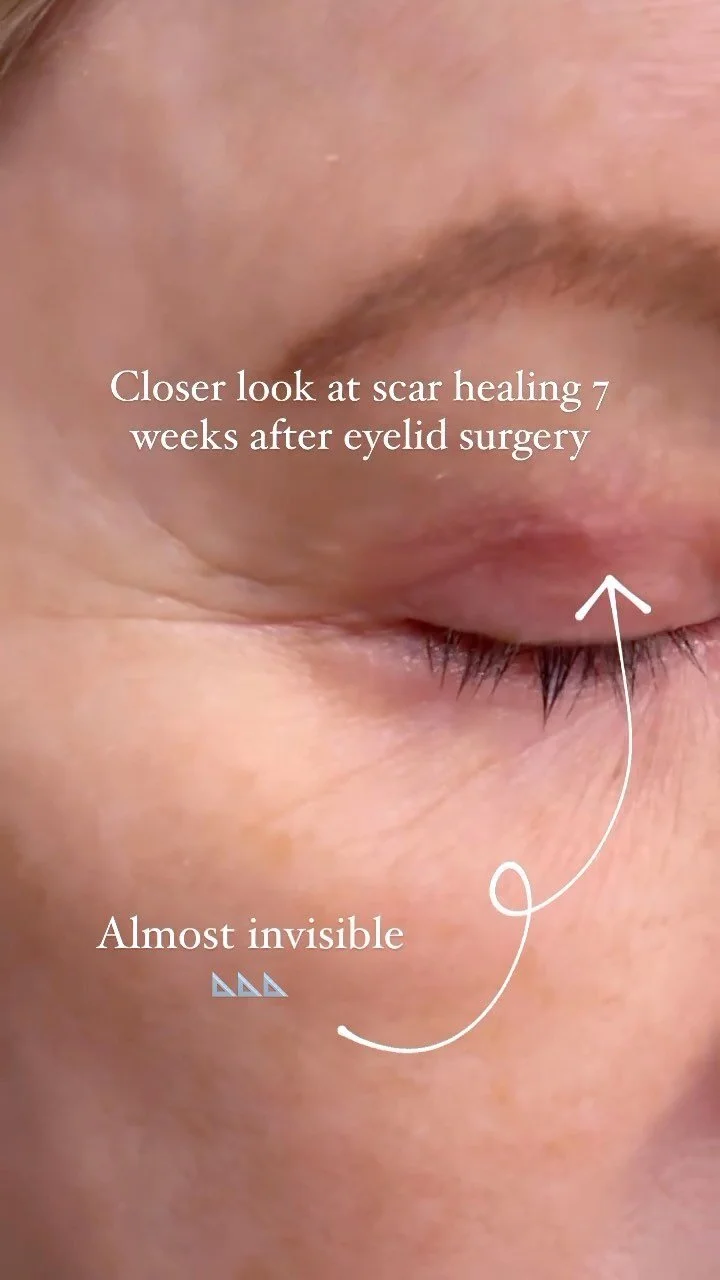
The orbital rims—the bony frame around your eyes—expand with age. That widening makes the eyes look more hollow, exposes more of the upper lid, and exaggerates shadows. This is why people often fixate on their “dark circles”; the issue often isn’t skin pigment or thinness alone, but the bone retreating and the tissues collapsing inward. A skilled surgeon evaluating the periorbital area always considers the skeletal framework before recommending procedures.

The Jawline Softens Because the Bone Recedes
The mandible (jawbone) loses height and length over time. The angle of the jaw turns from sharp and defined into something softer, rounder, and less distinct. Combine that with soft-tissue laxity, and jowls become inevitable. Many patients think sagging skin is the sole cause, but much of what they’re seeing is the jawbone shrinking underneath everything. Procedures like facelift, chin implants, and jawline contouring are all about restoring structure that gravity alone didn’t steal—bone loss did.

The Chin Retracts and Alters Facial Balance
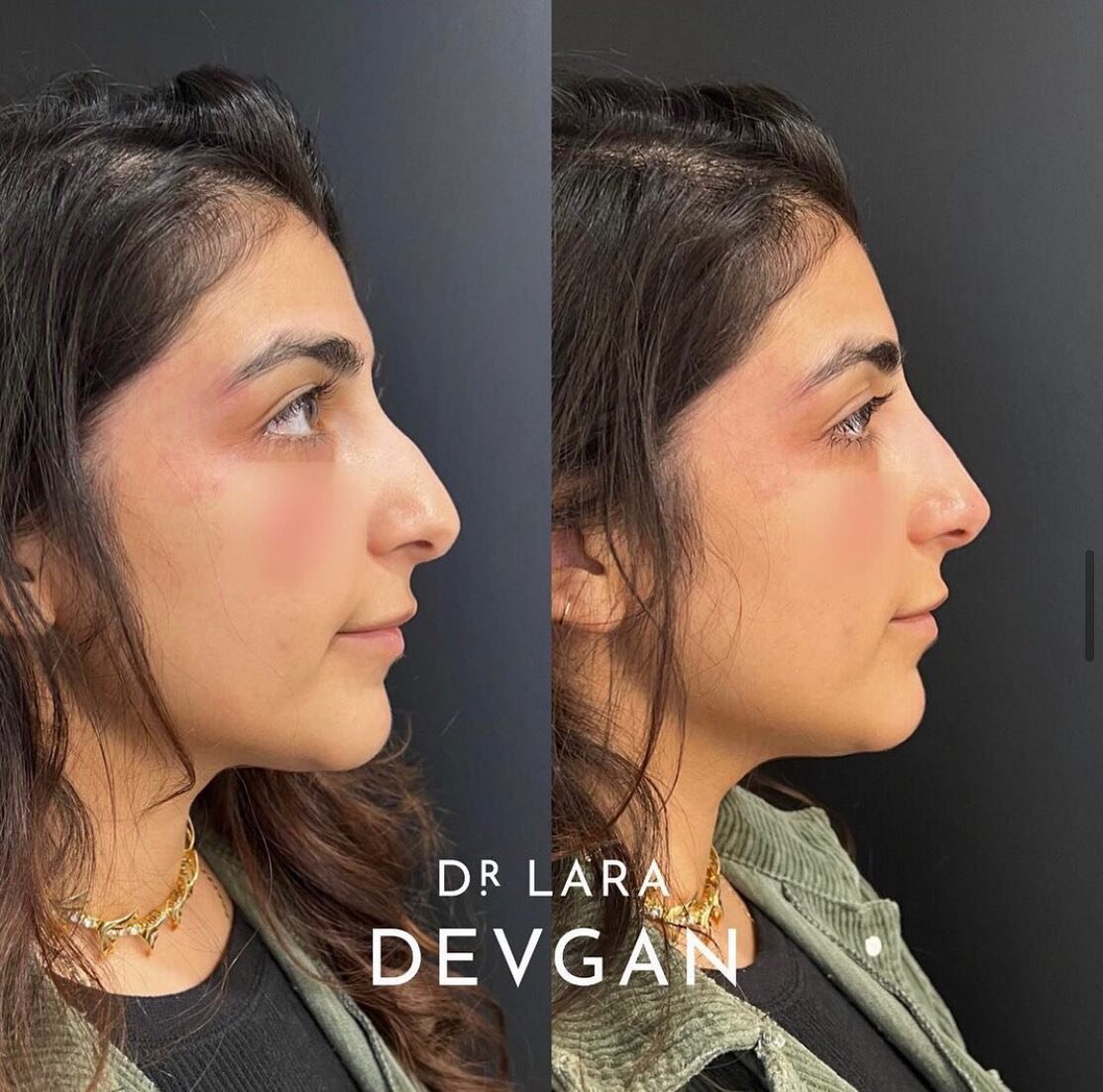
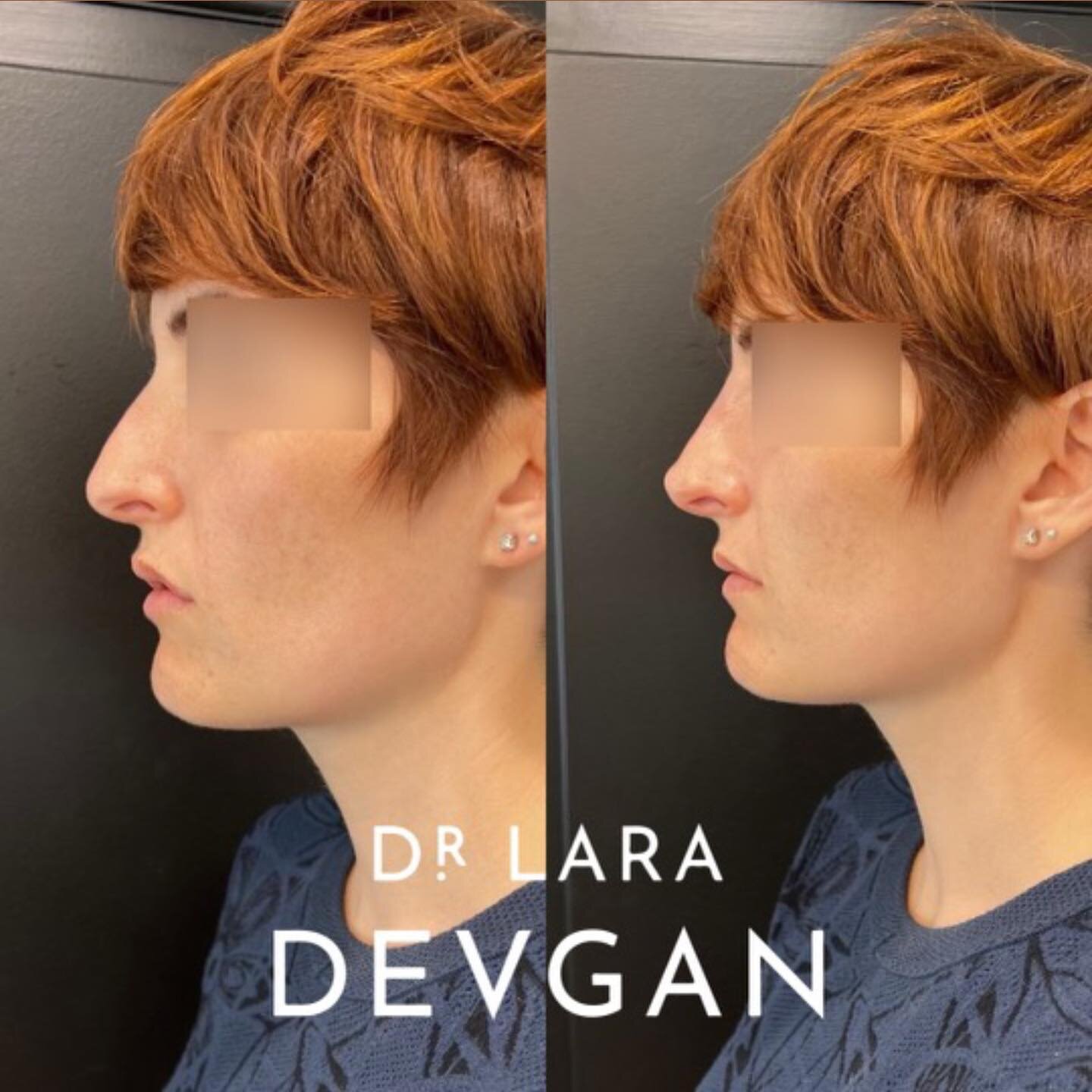
The chin is another area where bone loss is easy to overlook. As it subtly recedes, the lower face looks shorter, the neck appears less tight, and the mouth can look more pursed or strained. Even a naturally strong chin can lose definition over time. This is why chin augmentation, whether with filler or implant, is one of the most underrated anti-aging interventions—it restores harmony that bone resorption quietly disrupted.

Why Understanding Bone Aging Matters
From a surgeon’s perspective, we never treat the surface in isolation. The “aged look” isn’t simply skin deep—it's architectural. When the skeletal foundation weakens, everything layered above it follows suit. Modern facial rejuvenation approaches blend skin treatments, volume restoration, and structural correction to rebuild what time has taken away.

This is also why two people the same age can look completely different. Genetics, hormone changes, and even dental history influence bone resorption rates. Some individuals lose volume early and dramatically; others maintain bone density far longer.

The Bottom Line
If you’ve ever looked in the mirror and felt like your face changed shape over time, you’re not imagining it. The face literally remodels itself with age from the deepest level outward. A thoughtful anti-aging plan doesn’t chase symptoms; it respects the anatomy, restores structure, and rebuilds a more youthful framework.

Learn More

Scientific Beauty | Holiday Gift Guide

In this TikTok, Dr. Lara Devgan breaks down her Scientific Beauty Holiday Gift Guide.

Dr. Lara Devgan Holiday Gift Guide: Scientific Beauty for Everyone on Your List

The holidays are the perfect time to give gifts that feel meaningful, luxurious, and genuinely useful—and nothing checks all three boxes like Dr. Lara Devgan Scientific Beauty. These formulas are science-driven, elegant, and built to deliver real results, making them ideal for anyone who loves great skincare (or anyone who should be taking better care of their skin).

Hyaluronic Niacin Panthenol Serum: The Universal Crowd-Pleaser
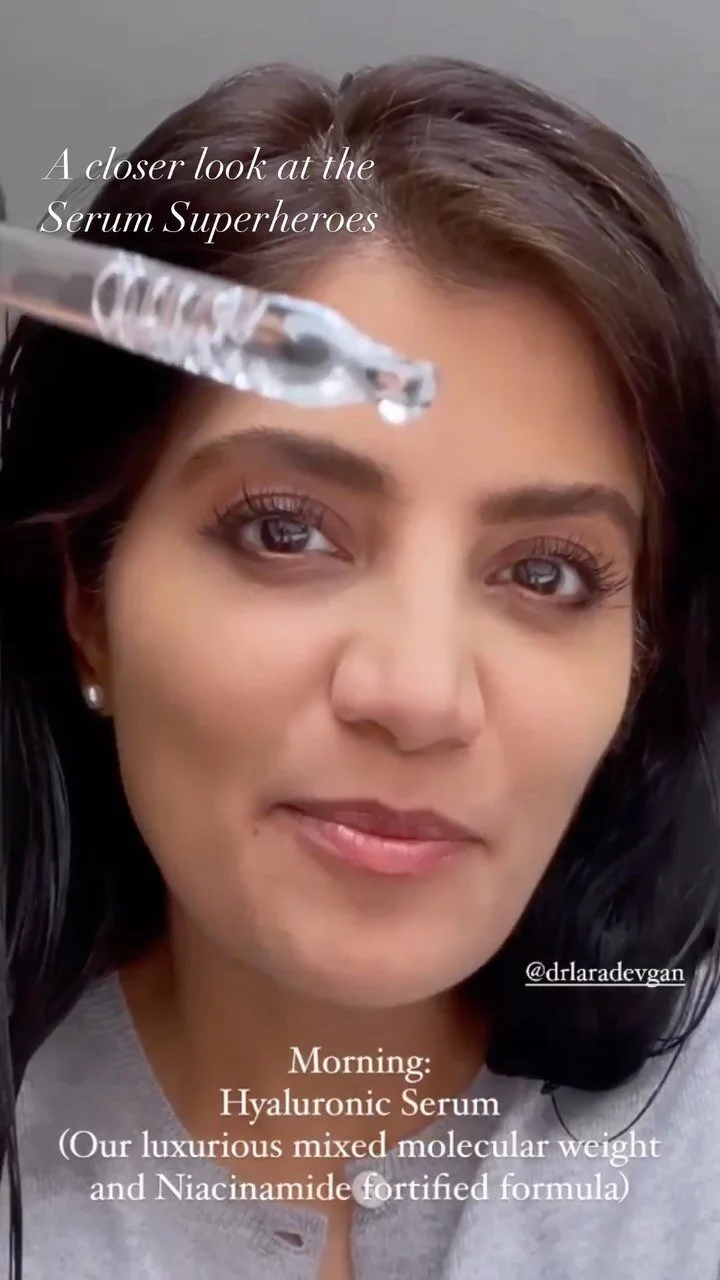
This is the one serum almost anyone can fall in love with. It’s deeply hydrating without being heavy, calming without being bland, and powerful without irritating sensitive skin. The combination of hyaluronic acid, niacinamide, and panthenol makes it a daily staple that boosts moisture, smooths texture, and supports a stronger, healthier barrier. If you’re shopping for someone whose routine is all over the place—or someone who’s just getting started—this is a foolproof win.

Barrier Balm: Skin Recovery in a Jar
Winter is rough on skin, and this balm is exactly what people need when the cold, wind, and heaters start taking their toll. Rich yet wearable, Barrier Balm seals in hydration, comforts stressed skin, and helps restore that supple, bouncy feel we all lose when temperatures drop. It’s perfect for travelers, night owls, gym lovers, or anyone who wants a no-nonsense boost in their routine. Think of it as the luxury version of a “rescue” treatment—something they’ll reach for constantly.

NAD⁺ Glutathione Serum: The Future-Forward Gift
For the skincare lover who wants the most advanced thing in the room, this is it. NAD⁺ and glutathione work together to support cellular repair, brightness, and long-term skin quality. It’s a longevity-driven formula—a gift that says “I know you’re serious about your skin, and I got you something on your level.” It pairs perfectly with Barrier Balm for the ultimate winter repair duo.

Build a Tailored Gift Set
You can also bundle these products into themed sets depending on who you’re shopping for:
The Hydration Lover: Hyaluronic Niacin Panthenol Serum + Barrier Balm
The Glow Obsessed: Hyaluronic Niacin Panthenol Serum + NAD⁺ Glutathione Serum
The Total Revival Kit: All three, for the person who deserves everything

The Bottom Line
Gifting skincare isn’t just thoughtful—it’s personal. With Dr. Lara Devgan Scientific Beauty, you’re giving someone not only products that feel luxurious, but formulas with real science behind them. It’s the kind of present people remember because it changes how their skin looks and feels long after the holidays are over.


Hyaluronic Niacin Panthenol Serum
Barrier Balm
NAD+Glutathione Serum

Scientific Beauty | Hyperpigmentation Collection

In this TikTok, Dr. Lara Devgan breaks down Scientific Beauty’s Hyperpigmentation Collection and its many benefits.


Introducing the ultimate collection for targeting dark spots and hyperpigmentation, now featuring our Intensive Pigment Corrector.

"Dr. Lara Devgan Hyperpigmentation Collection is the best skin-care line for dark spots." –Shape


OVERVIEW:

These six powerhouse products work synergistically to brighten, smooth, and even your complexion, leaving your skin radiant and rejuvenated.

COLLECTION CONTENTS:

DIRECTIONS & TIPS:

In the morning, apply the Hyaluronic Serum followed by the SPF 44 BB Cream. Several times a week, use the Microdermabrasion Scrub after cleansing in the evening. Apply the Vitamin C+B+E Ferulic Serum and Retinol+Bakuchiol Serum in the evening. 

DETAILS:

For full details and directions, please see the applicable pages of the individual products (links above).

HYPERPIGMENTATION COLLECTION

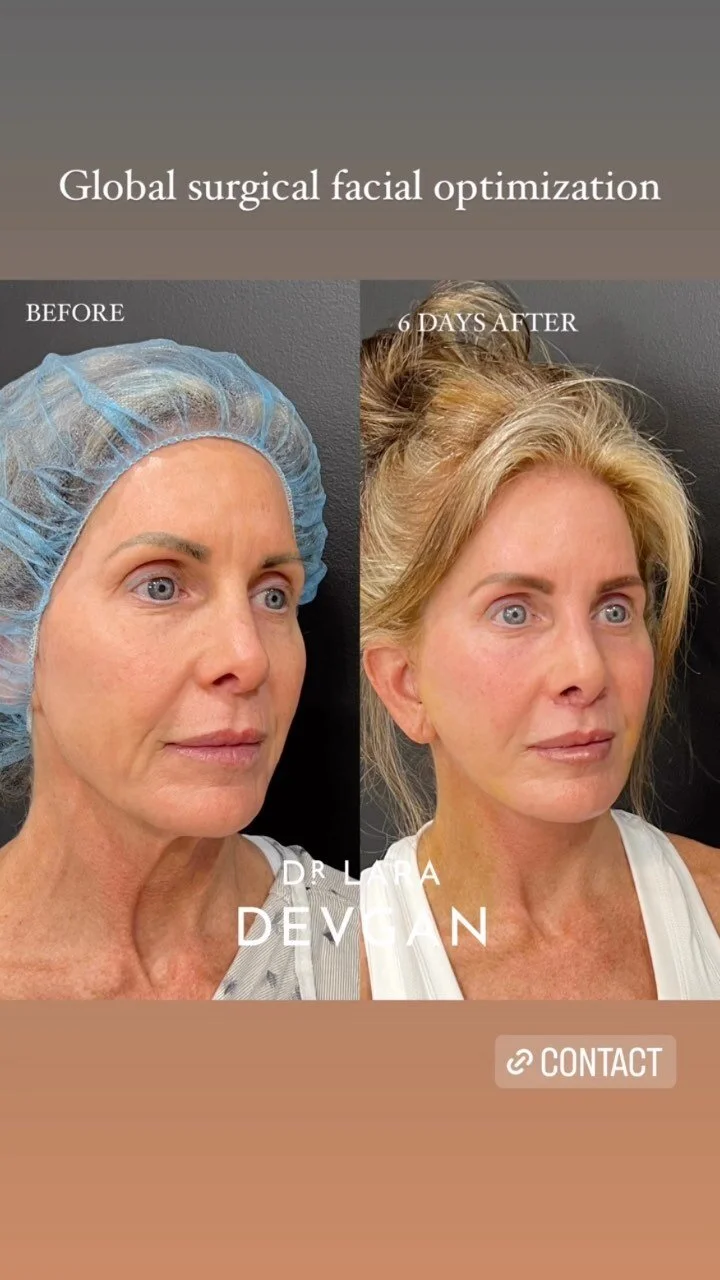
Signature Procedure | Facelifts Later in Life

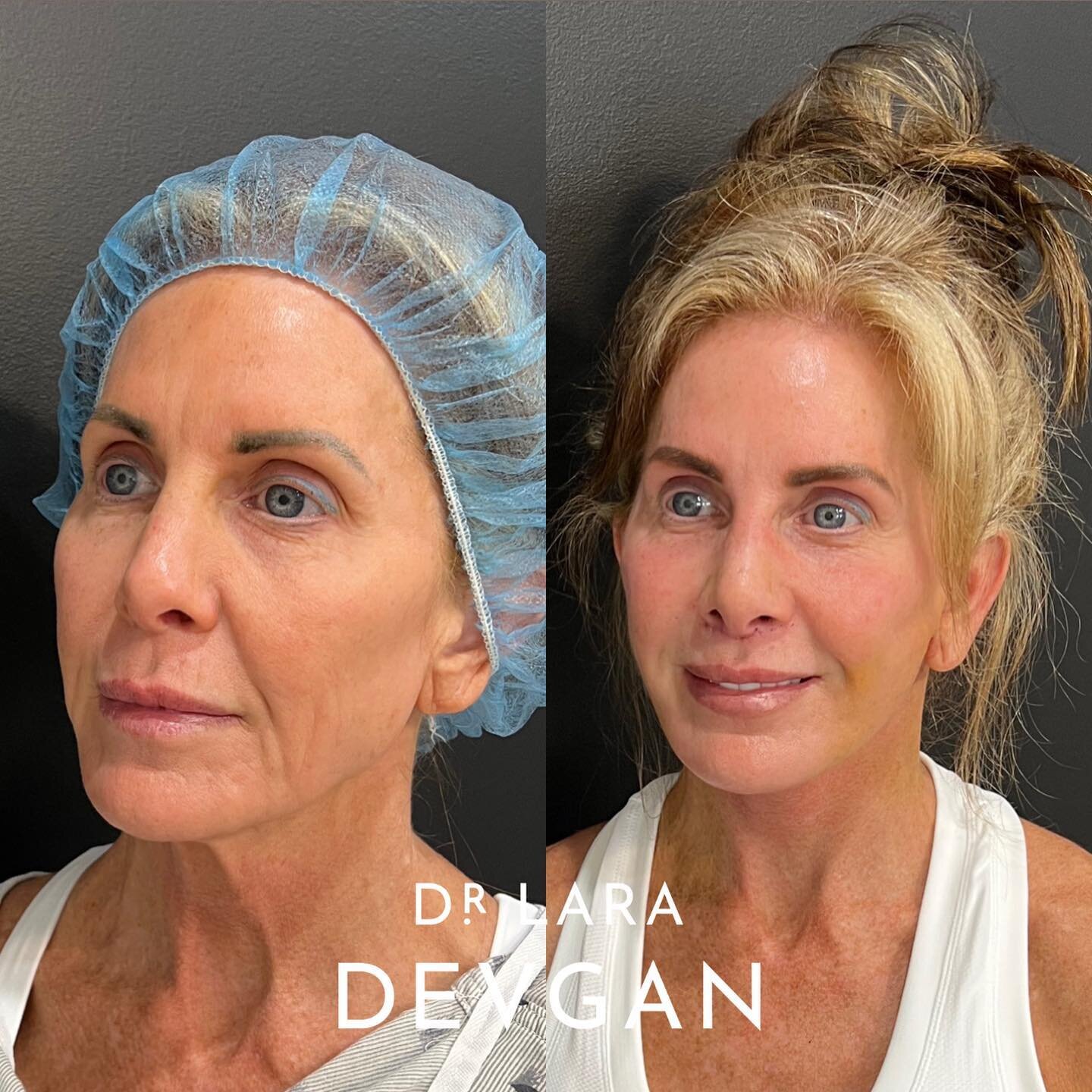
Dr. Lara Devgan gives an overview and her thoughts on facelifts later on in life.


Facelifts in Later Life: Why Older Patients Often See the Most Striking Transformations

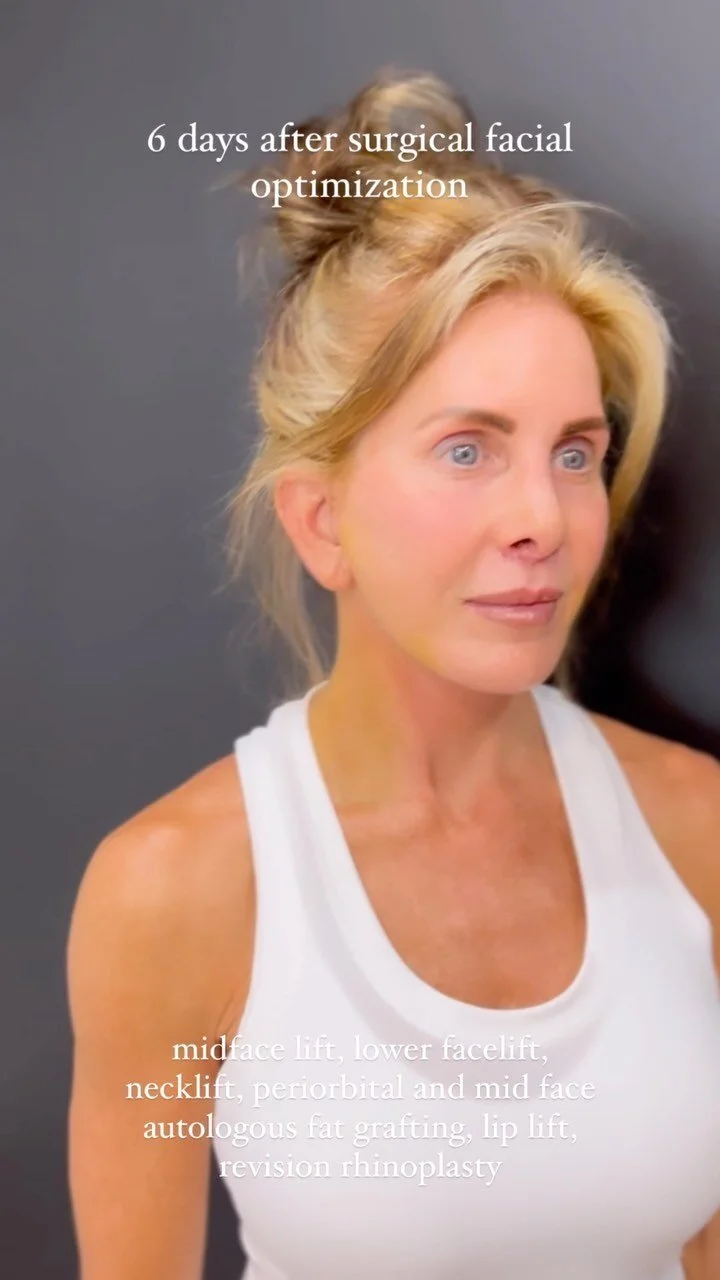
Facial aging isn’t one single event—it’s the gradual accumulation of soft-tissue descent, volume loss, and structural shifts that occur steadily over the years. For patients in their 60s, 70s, and beyond, these changes have had more time to compound, which is exactly why a well-executed facelift can create such powerful, meaningful results. When you restore decades of structural aging in one carefully planned procedure, the impact is profound.

Why Older Patients Often See the Biggest Improvement

By the time someone reaches their later decades, the midface has descended, the jawline has softened, and the neck has lost definition. Treating these concerns together allows a surgeon to reset the facial foundation. Older patients often feel that their outward appearance no longer reflects how energetic or sharp they feel inside. A facelift reconnects those two realities.

Deep-Plane and SMAS Techniques: The Gold Standard for Aging Faces

A modern facelift isn’t about tightening skin. The true artistry lies in repositioning the deeper support layers—the SMAS or deep plane—along natural anatomic vectors. This approach re-elevates the structures that have shifted over time and re-establishes definition where it’s been lost:

  • The jawline becomes crisp again

  • Jowls smooth out

  • The midface lifts into a more youthful, natural position

Because the movement happens below the skin, the result looks authentic rather than pulled.

The Power of Combining Lifting With Volume Restoration

Aging isn’t only about descent—it’s also about deflation. Strategic fat grafting is one of the most impactful additions for older patients. It restores gentle fullness to areas like the cheeks, lips, and temples, helping the face regain balance and softness without looking overfilled.

Think of the lift as restoring structure and the fat grafting as restoring vitality. Together, they recreate the architecture the face used to have.

Neck Refinement: The Finishing Touch

The neck is often the most revealing area of age, especially in older patients. Platysmal banding, loose skin, and deep fat compartments can make the profile appear heavier. A tailored neck procedure—whether tightening the platysma, removing excess skin, or contouring deeper tissues—brings the facelift full circle and creates a smooth, elongated neckline that complements the rejuvenated face.

Delicate Technique Matters More With Age

Older patients can absolutely be excellent candidates for surgery. The key is thoughtful planning and meticulous execution. With careful tissue handling, respect for natural anatomy, and a lifting vector customized to the patient’s facial structure, the result looks refined, elegant, and true to who they are.

This is the opposite of “changing” someone’s identity. It’s restoring the harmony and definition that once came effortlessly.

A Meaningful, Confidence-Restoring Change

When performed properly, facelifts in later decades of life go far beyond cosmetic improvement. They help patients feel aligned again—comfortable, confident, and authentically themselves. The transformation is not about erasing age; it’s about elevating what’s already there in the most natural, graceful way possible.

Learn More

Appointment Inquiries

For inquiries and appointments, please email appointments at appointments@laradevganmd.com or call 212-452-2400. You may also use the following button to schedule an appointment online. We look forward to hearing from you. Thank you!

Schedule Online

Doctor's Notes | Breast Implant Sizing: How It Really Works

In this TikTok, Dr. Lara Devgan gives insight into her process to determine the ideal breast implant size for her patients.


Breast Implant Sizing: How It Really Works

Breast implant sizing isn’t guesswork, and it’s not about chasing a cup letter. It’s a technical, individualized process that blends anatomy, proportion, and aesthetic intention. Cup sizes vary wildly between brands, so they’re a terrible tool for surgical planning. What actually matters is how an implant interacts with your body—your measurements, your tissue, and your overall frame.

The first step is understanding the breast footprint. I look at base width, the quality of the soft-tissue envelope, the sternal-notch to nipple distance, and the position of the inframammary fold. These landmarks define the space an implant can occupy without causing problems later. An implant that’s too wide pushes into the armpit and creates lateral spillage; too much projection can make the upper pole feel rigid or round; too much volume can distort the shape instead of enhancing it.

From there, it becomes about fit. Projection, profile, and volume all have to line up with the architecture of the chest wall and the patient’s proportions. It’s like tailoring—precision matters. The right implant should sit comfortably within the natural boundaries of the breast, adding shape without overwhelming it.

In the operating room, sizers let me verify everything in real time. They show how the implant will sit, how the two sides balance, and how the contours settle when the patient is lying down. It’s the final check to make sure symmetry, shape, and harmony are exactly where they need to be.

The end goal is simple: an implant that looks like it belongs to you. When sizing is done properly, the result is elegant, proportional, and aligned with your natural anatomy—an enhancement that feels authentically yours, not forced or artificial.


Learn More