Skeletal Facial Aging: A Plastic Surgeon’s Perspective
When most people think about aging, they picture wrinkles, sagging skin, maybe some volume loss. But the foundation of facial aging isn’t the skin at all—it’s the bone. The facial skeleton quietly remodels over time, and those subtle shifts have a major impact on how you look. If you understand how the bone changes, you understand why certain age-related features show up no matter how well you care for your skin.
The Bone Isn’t Static—It Shrinks, Rotates, and Recesses
Even though facial bones seem solid and permanent, they’re dynamic structures. With age, they experience resorption: the slow thinning and shrinking of bone, especially around the eye sockets, midface, jawline, and chin. This isn’t dramatic overnight change—it’s a consistent, cumulative process. As the underlying scaffolding diminishes, the soft tissues no longer have the same support, and the surface appearance shifts.
The Midface and Cheekbones Lose Projection
A youthful face has strong bony support in the maxilla (upper jaw) and the zygoma (cheekbones). Over time, this support pulls back and inward. Even a few millimeters of resorption creates visible flattening of the cheeks, deeper nasolabial folds, and that “tired” look people describe even when they feel fine. This is one reason fillers and fat grafting are so transformative: they’re compensating for lost bone structure, not just plumping lines.
The Eye Sockets Widen, Making Eyes Look More Tired
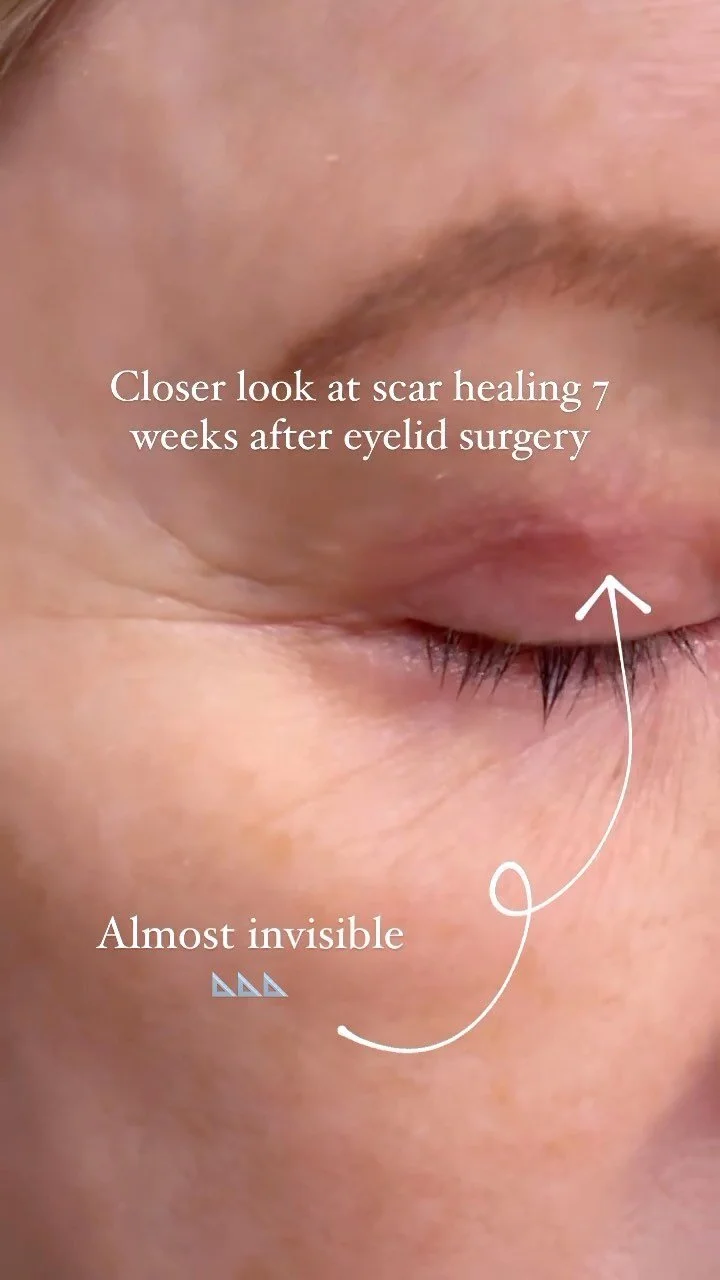
The orbital rims—the bony frame around your eyes—expand with age. That widening makes the eyes look more hollow, exposes more of the upper lid, and exaggerates shadows. This is why people often fixate on their “dark circles”; the issue often isn’t skin pigment or thinness alone, but the bone retreating and the tissues collapsing inward. A skilled surgeon evaluating the periorbital area always considers the skeletal framework before recommending procedures.
The Jawline Softens Because the Bone Recedes
The mandible (jawbone) loses height and length over time. The angle of the jaw turns from sharp and defined into something softer, rounder, and less distinct. Combine that with soft-tissue laxity, and jowls become inevitable. Many patients think sagging skin is the sole cause, but much of what they’re seeing is the jawbone shrinking underneath everything. Procedures like facelift, chin implants, and jawline contouring are all about restoring structure that gravity alone didn’t steal—bone loss did.
The Chin Retracts and Alters Facial Balance
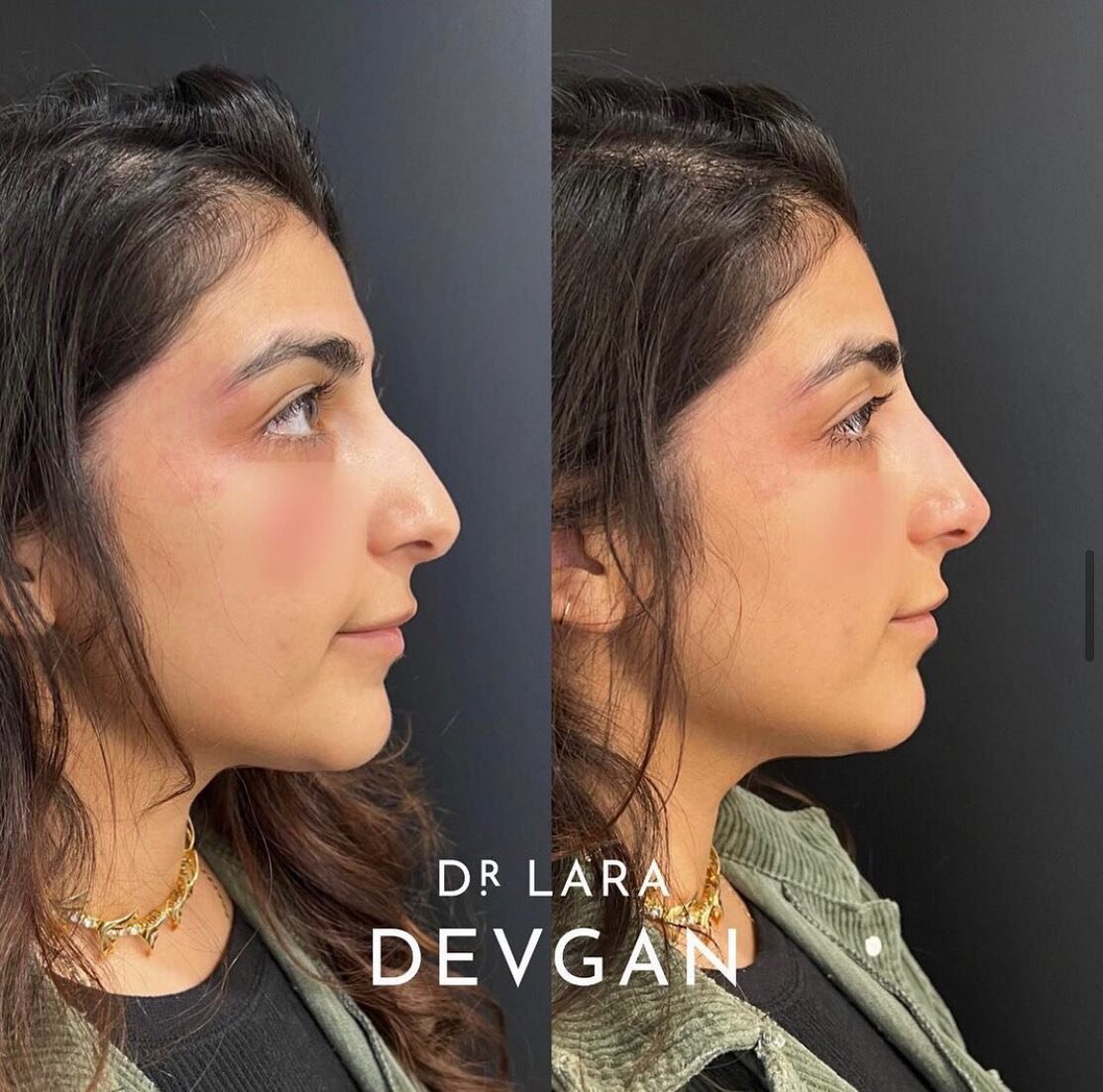
The chin is another area where bone loss is easy to overlook. As it subtly recedes, the lower face looks shorter, the neck appears less tight, and the mouth can look more pursed or strained. Even a naturally strong chin can lose definition over time. This is why chin augmentation, whether with filler or implant, is one of the most underrated anti-aging interventions—it restores harmony that bone resorption quietly disrupted.
Why Understanding Bone Aging Matters
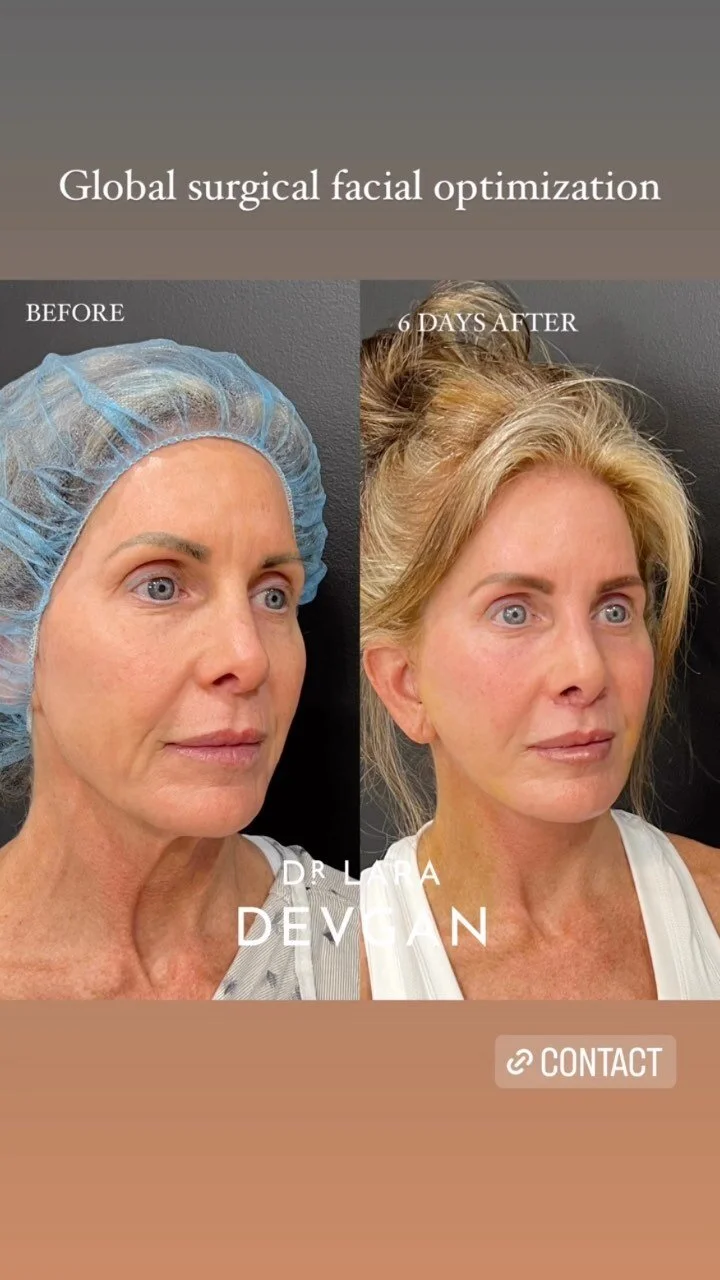
From a surgeon’s perspective, we never treat the surface in isolation. The “aged look” isn’t simply skin deep—it's architectural. When the skeletal foundation weakens, everything layered above it follows suit. Modern facial rejuvenation approaches blend skin treatments, volume restoration, and structural correction to rebuild what time has taken away.
This is also why two people the same age can look completely different. Genetics, hormone changes, and even dental history influence bone resorption rates. Some individuals lose volume early and dramatically; others maintain bone density far longer.
The Bottom Line
If you’ve ever looked in the mirror and felt like your face changed shape over time, you’re not imagining it. The face literally remodels itself with age from the deepest level outward. A thoughtful anti-aging plan doesn’t chase symptoms; it respects the anatomy, restores structure, and rebuilds a more youthful framework.