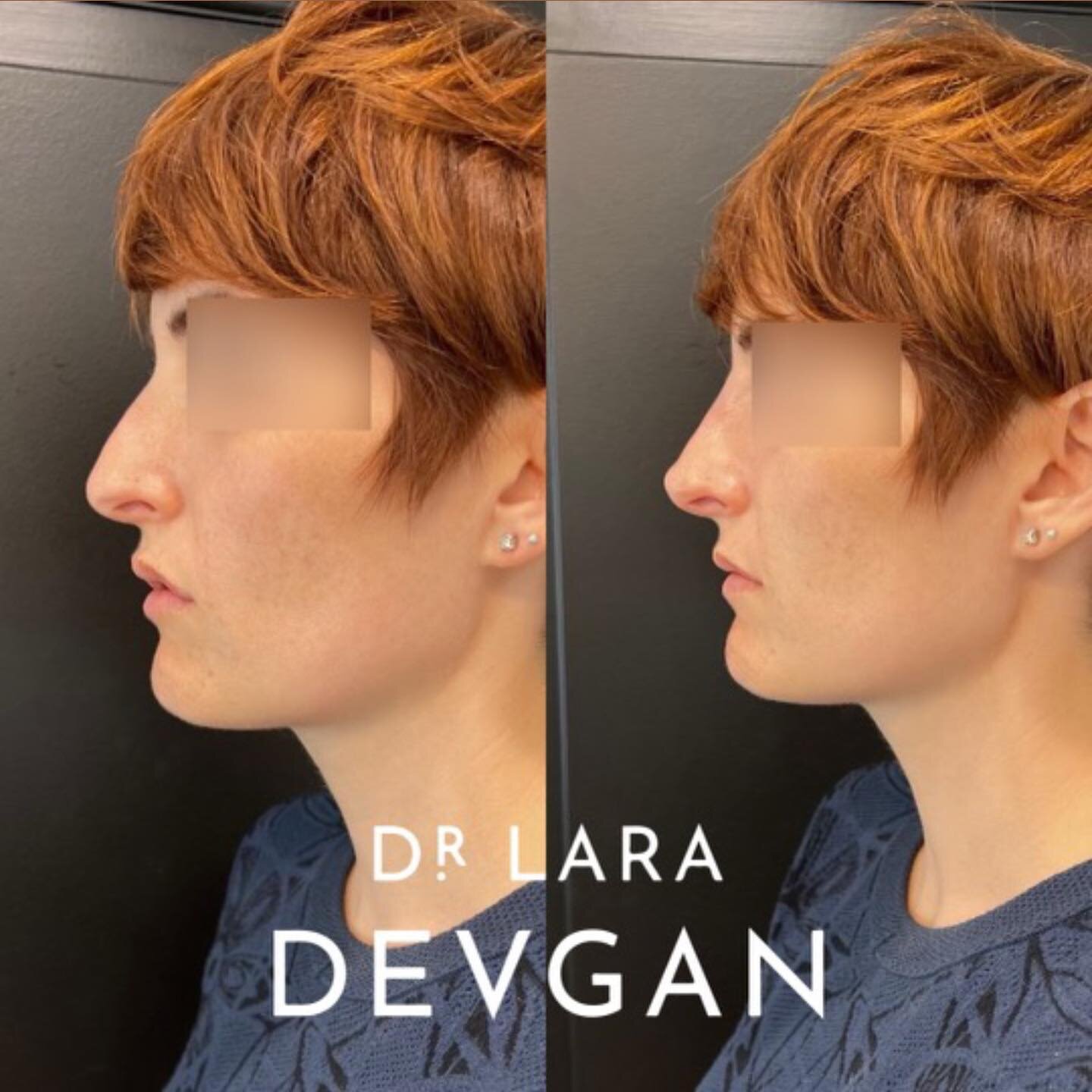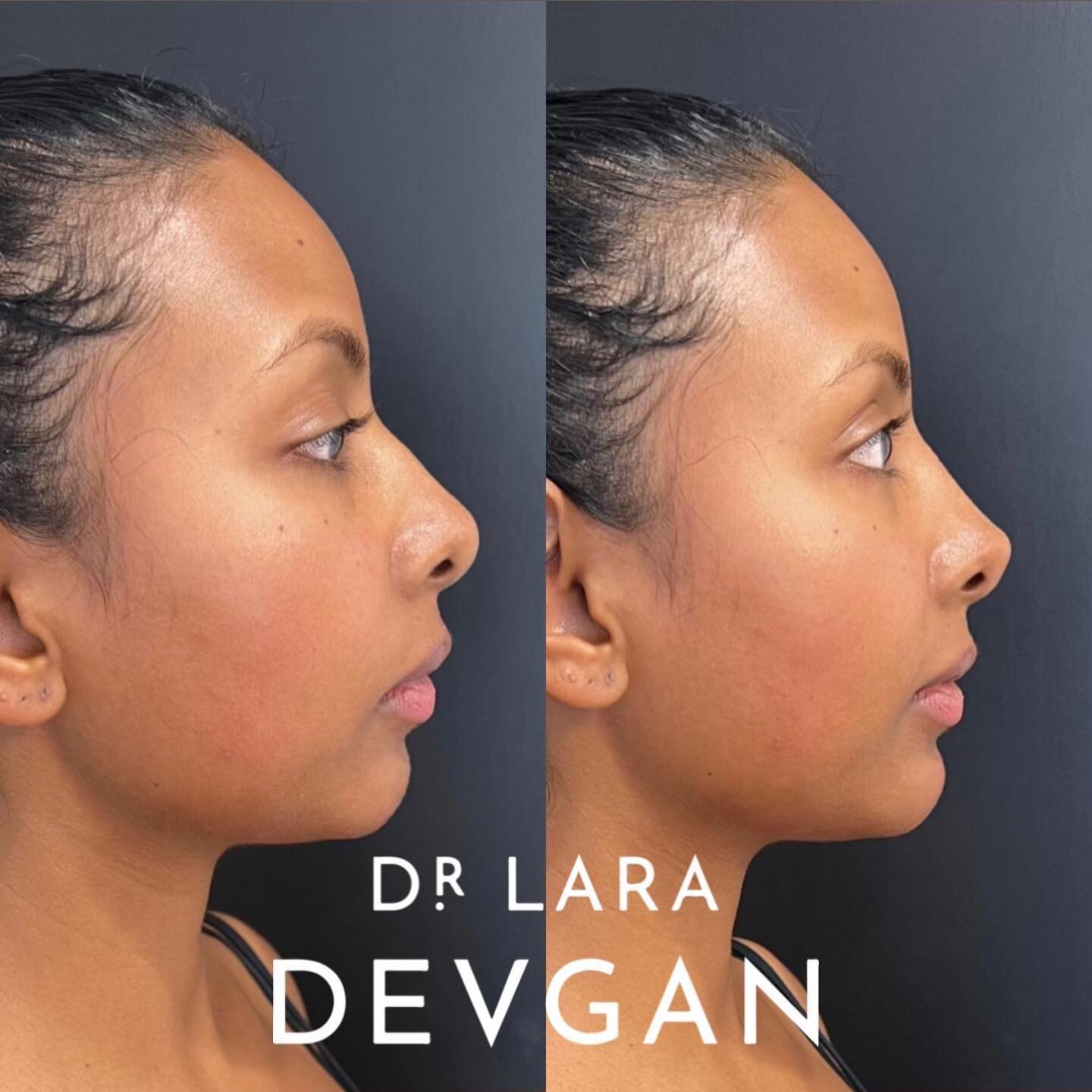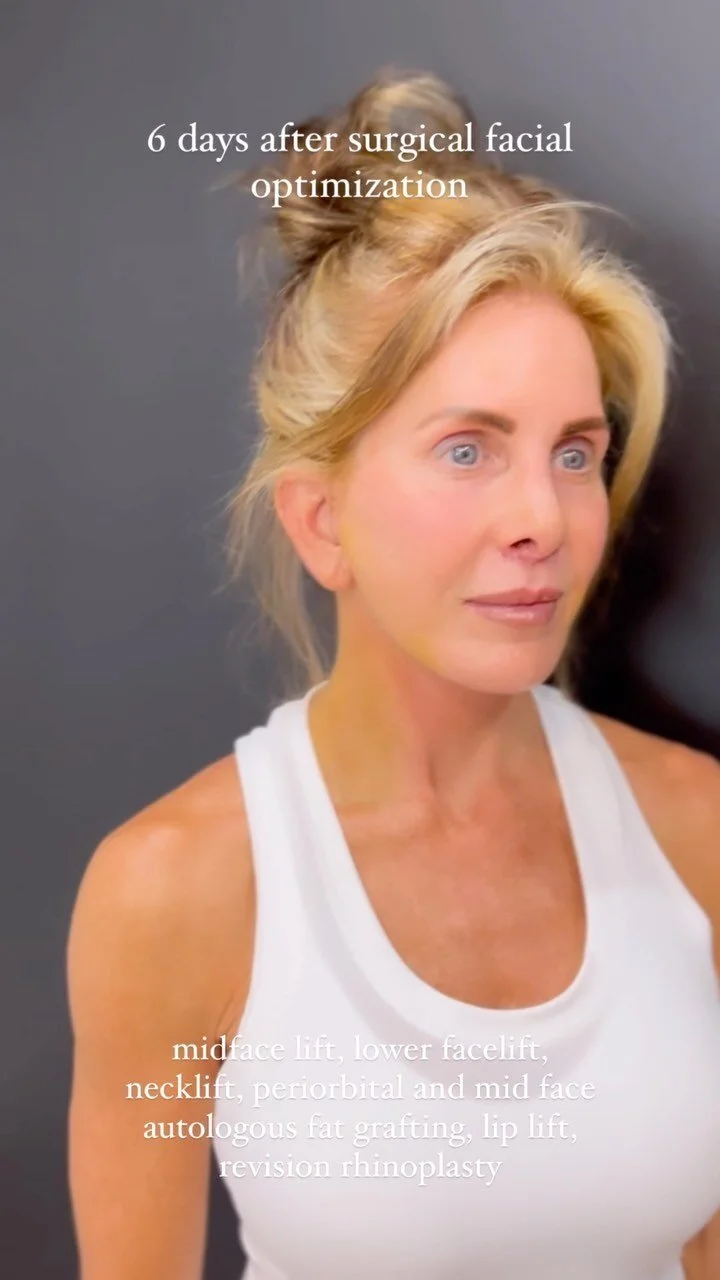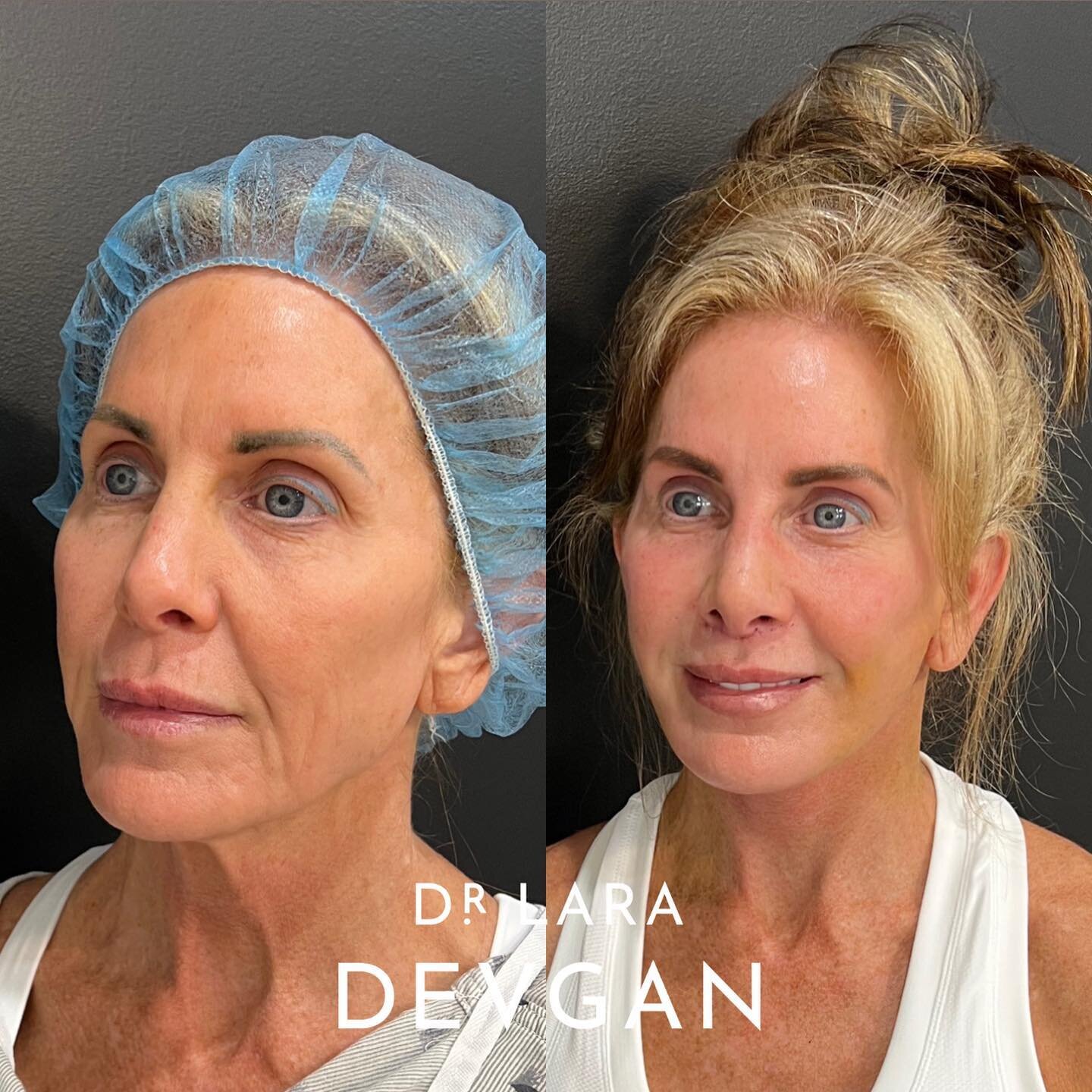
The Eyes as the Central Feature of Facial Expression and Perception
The eyes are, without question, the most powerful and defining feature of the human face. The periorbital region sits at the center of visual attention and serves as the primary point through which we interpret emotion, energy, and identity. When we meet another person, the gaze almost always lands on the eyes first. They communicate alertness, fatigue, warmth, and emotional state with immediate clarity—often before a single word is spoken.
A Delicate and Highly Active Anatomical System
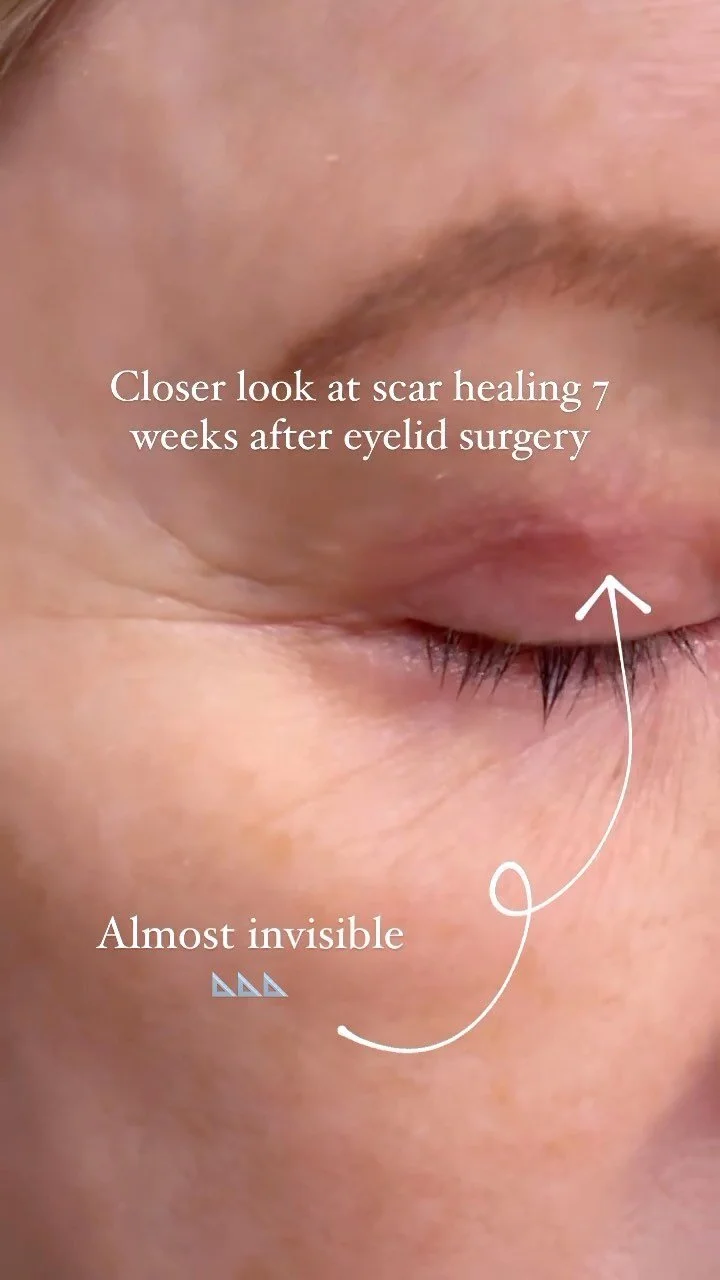
The eye area is one of the most structurally complex and delicate regions of the face. It includes the upper and lower eyelids, the tear trough, orbital fat compartments, and an exceptionally thin layer of skin that is constantly in motion.
Unlike other facial regions, the periorbital area is under continuous mechanical stress from blinking, squinting, and expression. Over time, this constant activity, combined with natural volume shifts and skin thinning, makes it especially prone to early visible changes such as fine lines, puffiness, hollowing, and skin laxity.
How the Eyes Define Youth and Vitality
From an aesthetic standpoint, the eyes are central to how we perceive age and vitality. Bright, open eyes signal energy and health. Smooth transitions under the eyes suggest restfulness and balance. Well-supported eyelids maintain an alert, engaged expression.
When this region is in harmony, the face reads as refreshed and cohesive. The eyes feel “awake”—not just visually, but emotionally.
When Subtle Changes Shift the Entire Expression
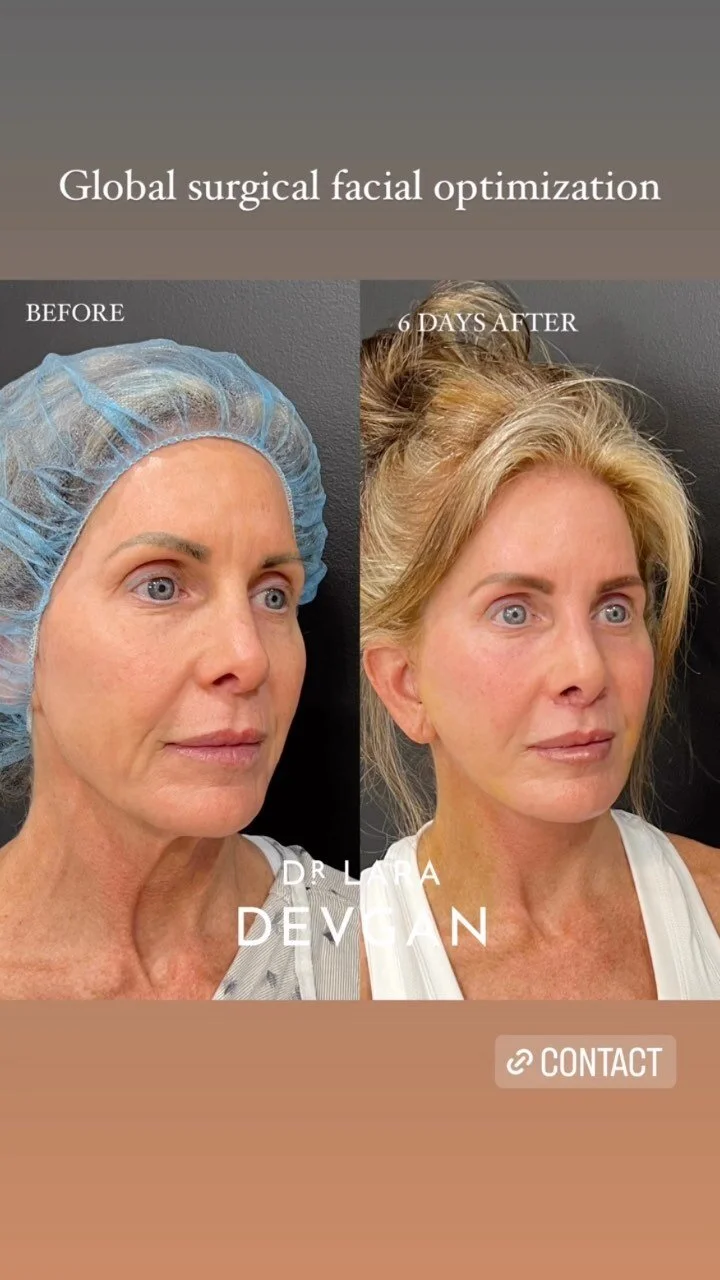
Even small structural changes in the periorbital area can significantly alter facial perception. A slight loss of volume in the midface can deepen under-eye shadows. Mild skin laxity can create heaviness in the upper lids. Reduced support beneath the eye can make the lower lid appear tired or uneven.
These changes are often gradual, but their impact is immediate. Because the eyes are the focal point of human interaction, even subtle shifts can influence how age, emotion, and energy are perceived—regardless of how someone actually feels.
Why the Eye Area Requires Precision and Restraint
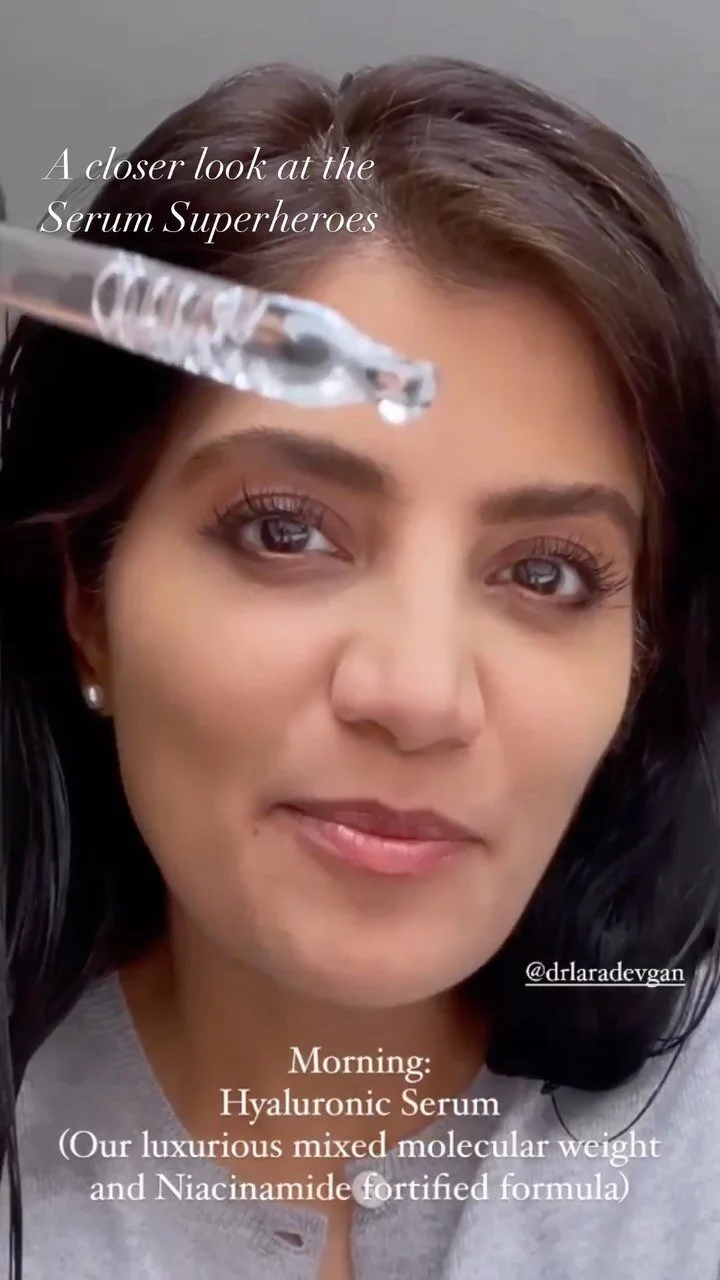
The periorbital region is not an area where large changes are needed to create meaningful impact. It responds to millimeter-level adjustments—improvements in hydration, support, and structural balance that restore light reflection and smooth transitions.
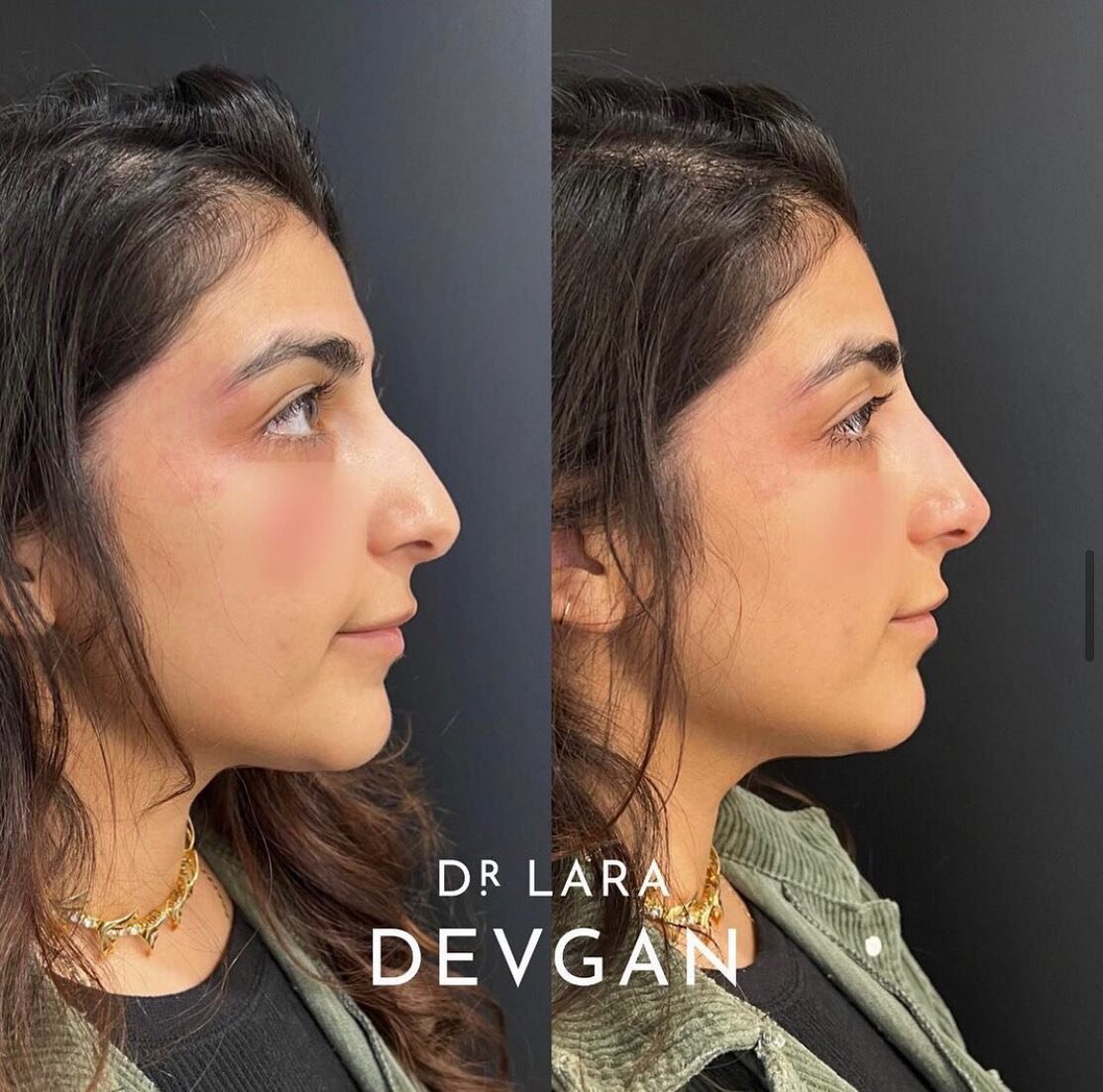
The goal is not to fundamentally change the eye area, but to correct the small disruptions that accumulate over time. Restoring continuity between the eyelid, tear trough, and midface can dramatically improve overall facial harmony.
Restoration, Not Alteration
Treating the eye area is fundamentally about restoration. The intention is to bring the region back into balance so that it reflects the individual’s natural expression of energy and identity.
When the periorbital region is supported appropriately, the eyes appear brighter, more open, and more engaged. The face looks more rested—not because it has changed, but because its most expressive feature is functioning as it was meant to.
Ultimately, the goal is simple: to let the eyes do what they already do best—communicate clarity, emotion, and life—without distraction from structural or textural imbalance.
Appointment Inquiries
For inquiries and appointments, please email appointments at appointments@laradevganmd.com or call 212-452-2400. You may also use the following button to schedule an appointment online. We look forward to hearing from you. Thank you!