The Lips as the Functional and Aesthetic Center of Expression
The lips are not just a feature—they are a dynamic structure that sits at the intersection of communication, perception, and facial balance. Positioned along the lower third of the face, they influence how we interpret emotion, age, and overall vitality.
Anatomically, the lips are highly specialized. They are composed of vascularized soft tissue, dense sensory innervation, and the orbicularis oris muscle, which governs movement and function. This combination allows for precise articulation in speech, controlled expression, and tactile sensitivity. Few structures in the face are asked to do as much, both functionally and perceptually.
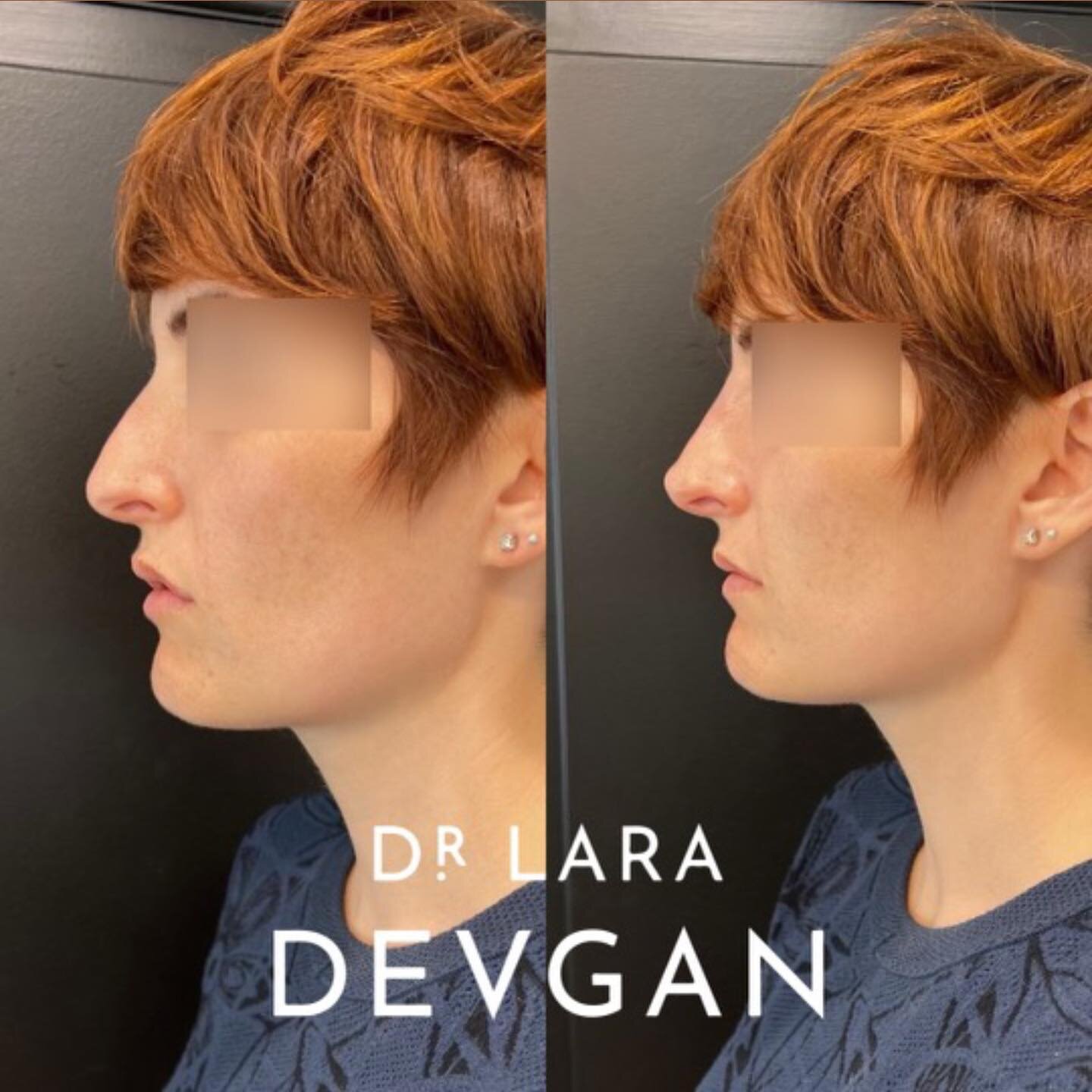
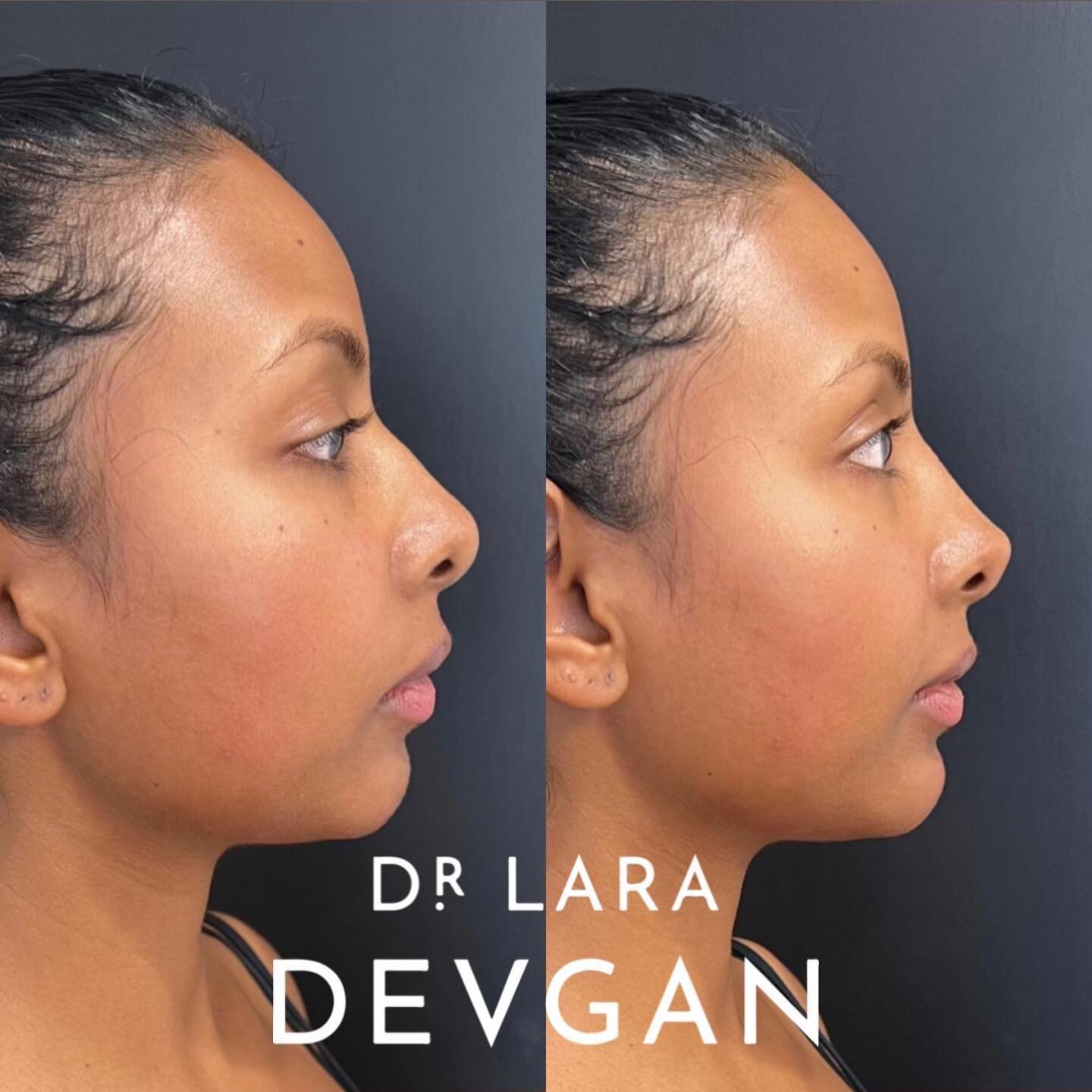
From a structural standpoint, the lips are not isolated. They exist in direct relationship with the nasal base, the philtrum, and the chin. The proportions between these elements determine whether the face reads as balanced or disharmonious. Lip volume, projection, and definition all contribute to how the lower face is perceived in three dimensions.
When the lips are in harmony, they support the face without dominating it.
The transition from nose to lip is proportionate. The upper lip shows appropriate incisor visibility at rest. The vermillion has enough volume to reflect light naturally, and the Cupid’s bow maintains definition. In this state, the lips enhance expression without drawing disproportionate attention. The face reads as cohesive, and the lips function as intended—expressive, but integrated.
When this balance is disrupted, the change is immediately perceptible.
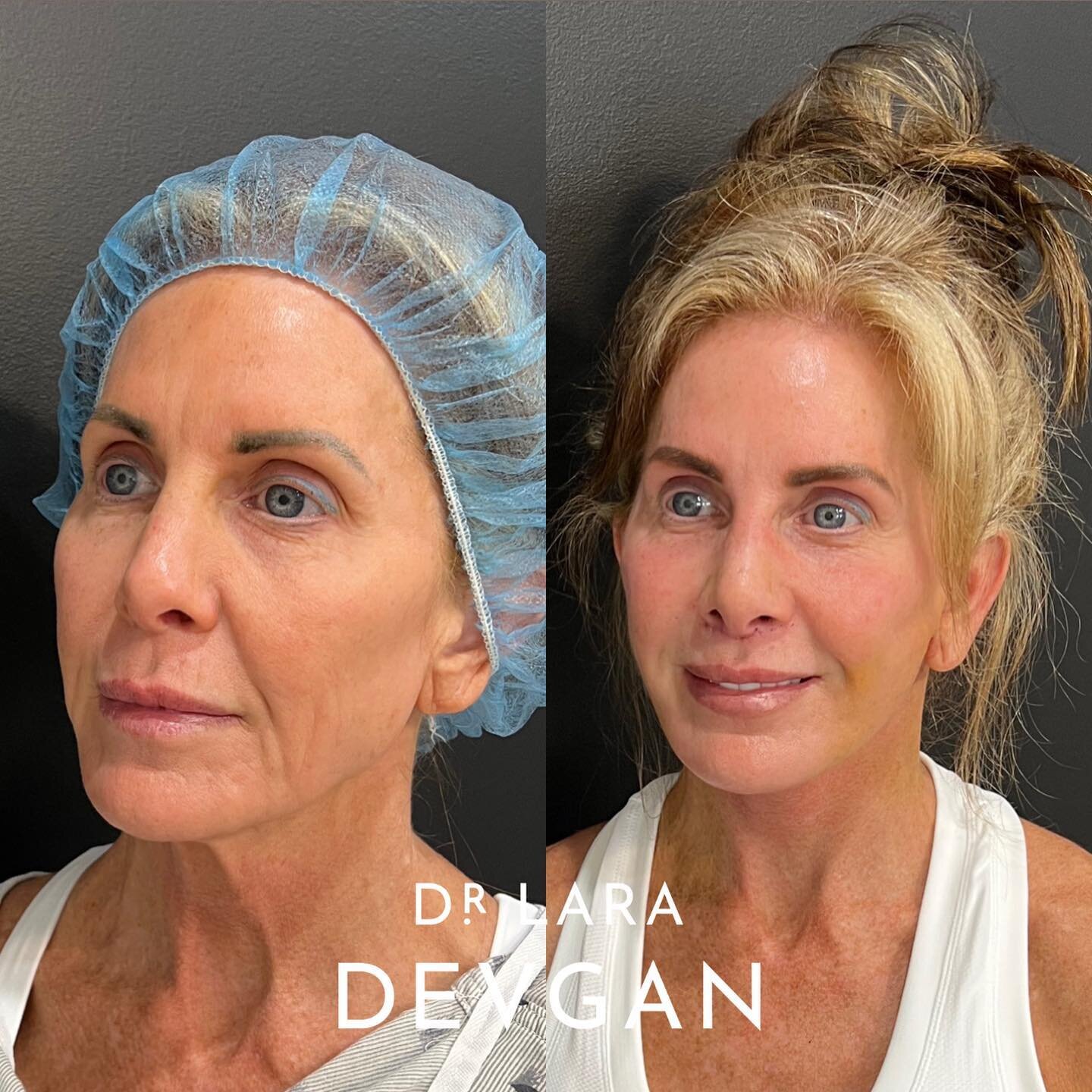
Volume loss, elongation of the cutaneous upper lip, and flattening of the vermillion border alter the relationships within the lower third. The mouth may appear less defined, less supported, or disproportionate to the surrounding structures. These changes are not just aesthetic—they affect how age, energy, and even emotion are perceived.
Like the nose, the lips carry disproportionate visual weight because they are constantly in motion and central to human interaction.
This is what makes lip enhancement deceptively complex.
Small changes can significantly alter facial perception. A slight increase in projection can restore balance between the upper and lower lips. Subtle eversion of the vermillion border can enhance definition without increasing volume. Adjustments to the cutaneous lip length can change how much tooth is visible, which directly impacts perceived youth.
These are millimeter-level decisions with system-wide effects.
Because of this, lip treatment is not about adding volume in isolation. It is about restoring proportion and structure within the context of the entire face.
Different approaches address different aspects of this anatomy. Hyaluronic acid fillers—such as hyaluronic acid filler—allow for precise, reversible volume restoration and contour refinement. Fat grafting offers a longer-term solution through biointegrated tissue replacement. A surgical lip lift shortens the cutaneous upper lip, restoring tooth show and redefining the Cupid’s bow. Neuromodulators can be used to relax the orbicularis oris, creating a subtle outward roll of the lip without increasing volume.
Each modality targets a specific structural variable: volume, length, projection, or movement.
The goal is not to create larger lips.
The goal is to reestablish balance—so that the lips once again function as a natural extension of the face, supporting expression, symmetry, and proportion without overwhelming them.
Appointment Inquiries
For inquiries and appointments, please email appointments at appointments@laradevganmd.com or call 212-452-2400. You may also use the following button to schedule an appointment online. We look forward to hearing from you. Thank you!