Buccal Fat Pad Excision: Precision Over Hollowing
Buccal fat pad excision has become one of the most talked-about facial procedures—but also one of the most misunderstood. At its best, it is not about hollowing the face or chasing sharpness. It is about calibration: refining volume in a way that enhances structure while preserving identity.
This is a procedure where restraint matters more than removal.
My approach follows a Goldilocks principle—not too much, not too little, but exactly the right amount for that individual face. The buccal fat pad does not exist in isolation. It sits within a complex, three-dimensional relationship between the cheekbones, midface, and jawline. Treating it as a standalone target can lead to imbalance, flattening, or an overly gaunt appearance over time.
Instead, I approach buccal fat reduction as one piece of a larger composition.
Facial harmony depends on proportion, not subtraction alone. In many cases, refining the lower cheek is paired with subtle structural enhancements elsewhere—such as cheekbone support to restore upper facial balance, or jawline definition to reinforce the lower third. This ensures that any reduction in volume is supported by a cohesive architectural framework, rather than leaving the face looking depleted.
Every millimeter matters.
Small adjustments in the buccal space can have outsized effects on how light interacts with the face—how shadows fall, how contours are perceived, and how youthful or defined the overall appearance feels. Overcorrection is the fastest way to lose softness and accelerate the appearance of aging. Precision, on the other hand, allows for refinement without sacrifice.
The goal is not a dramatic transformation.
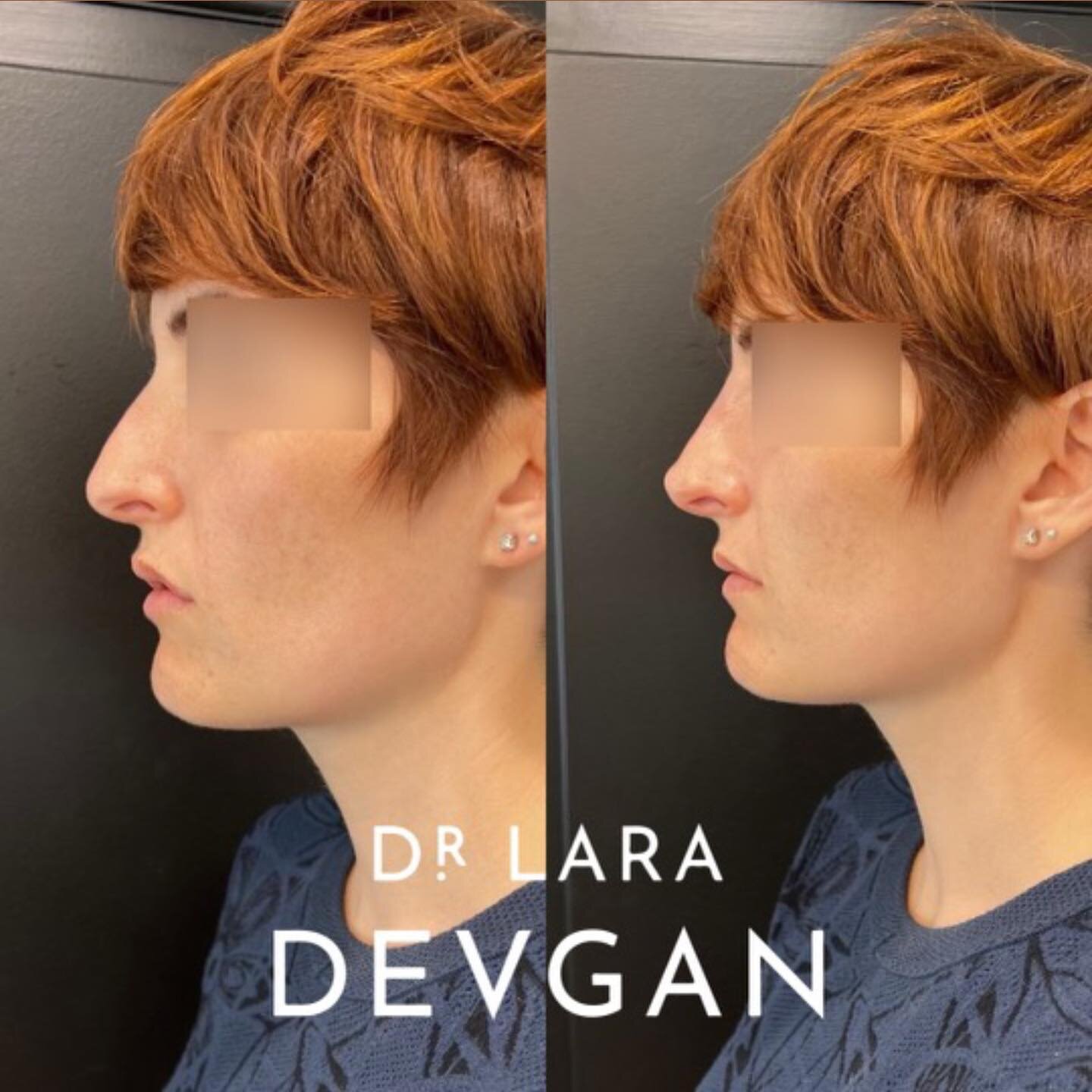
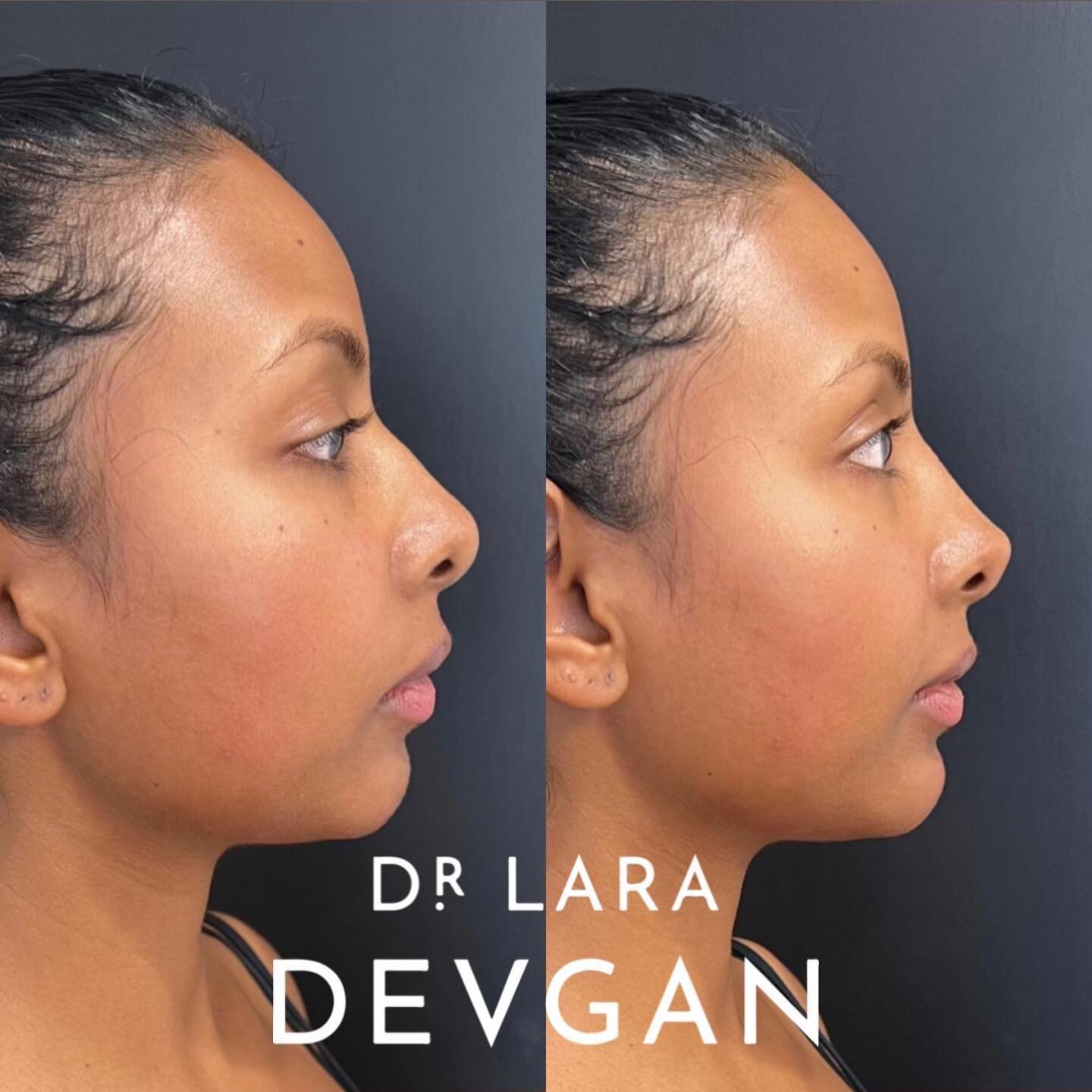
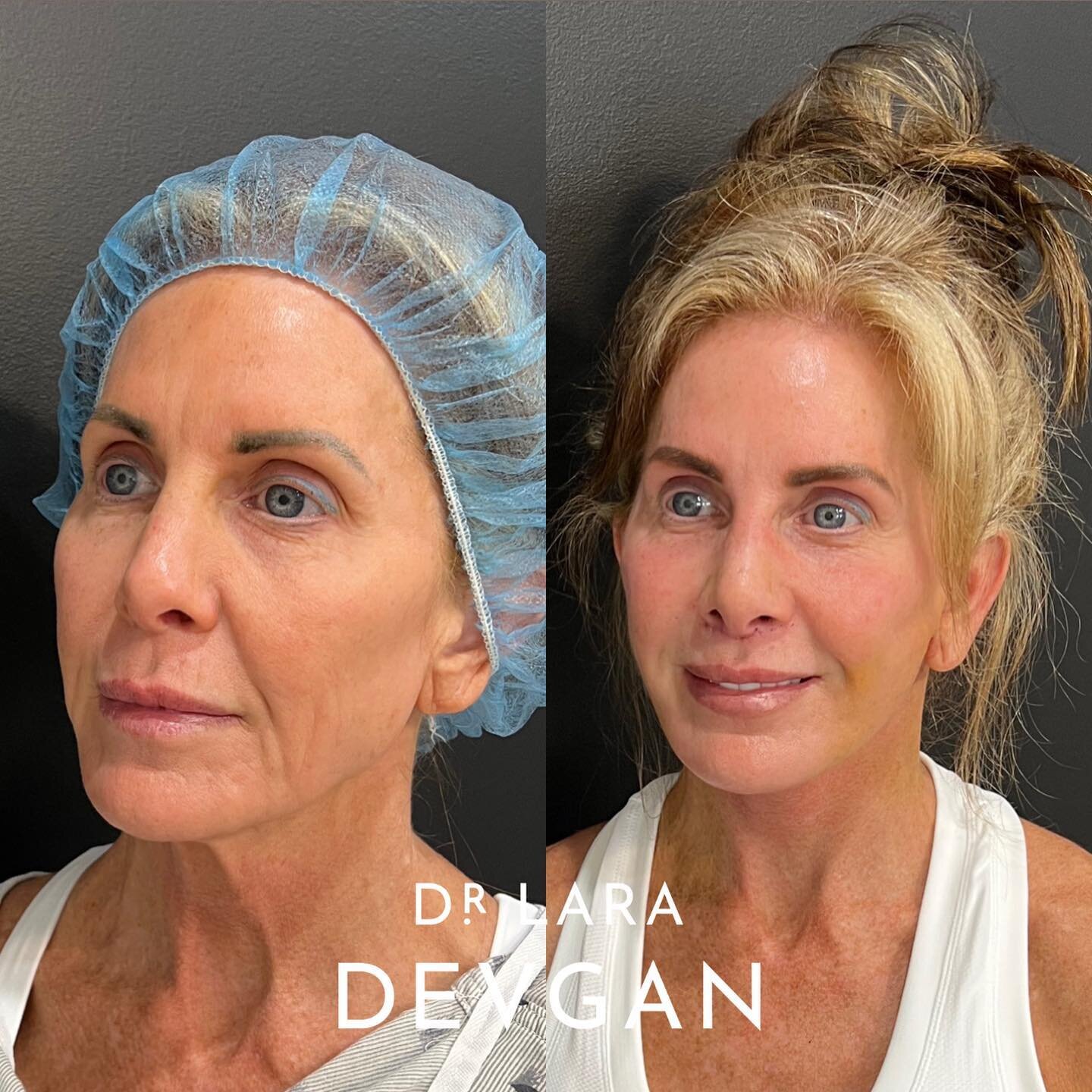
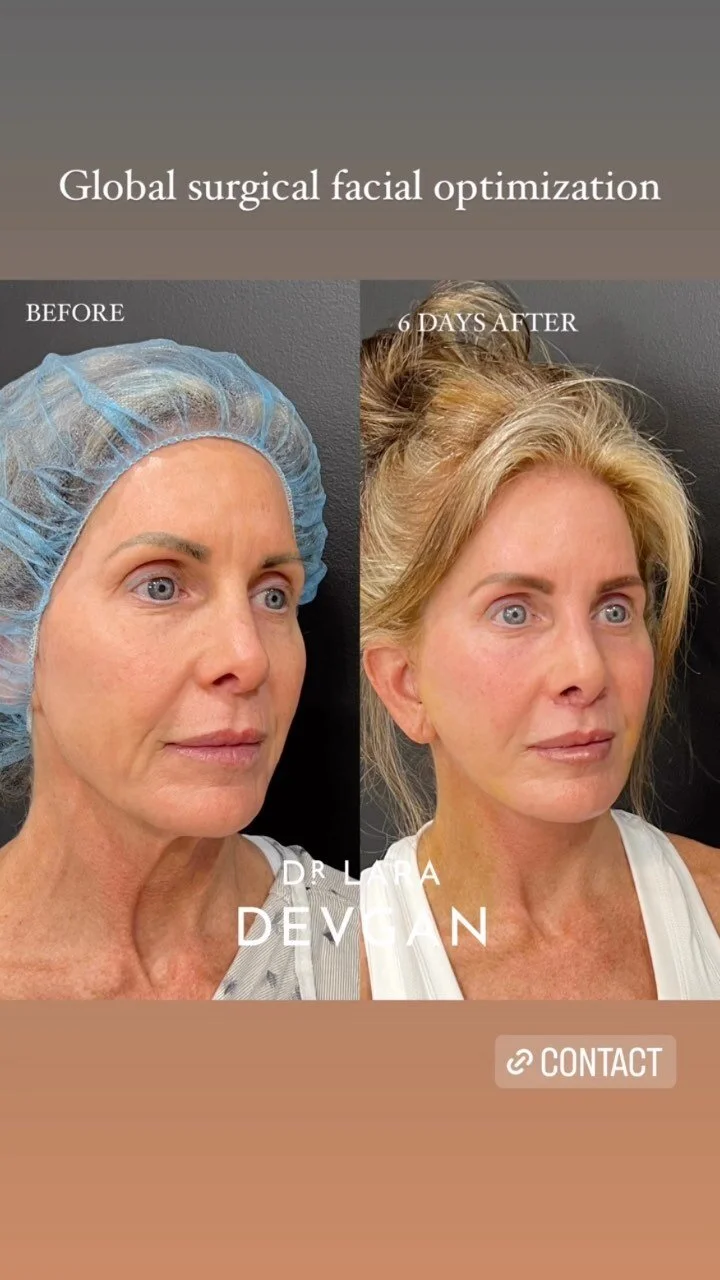
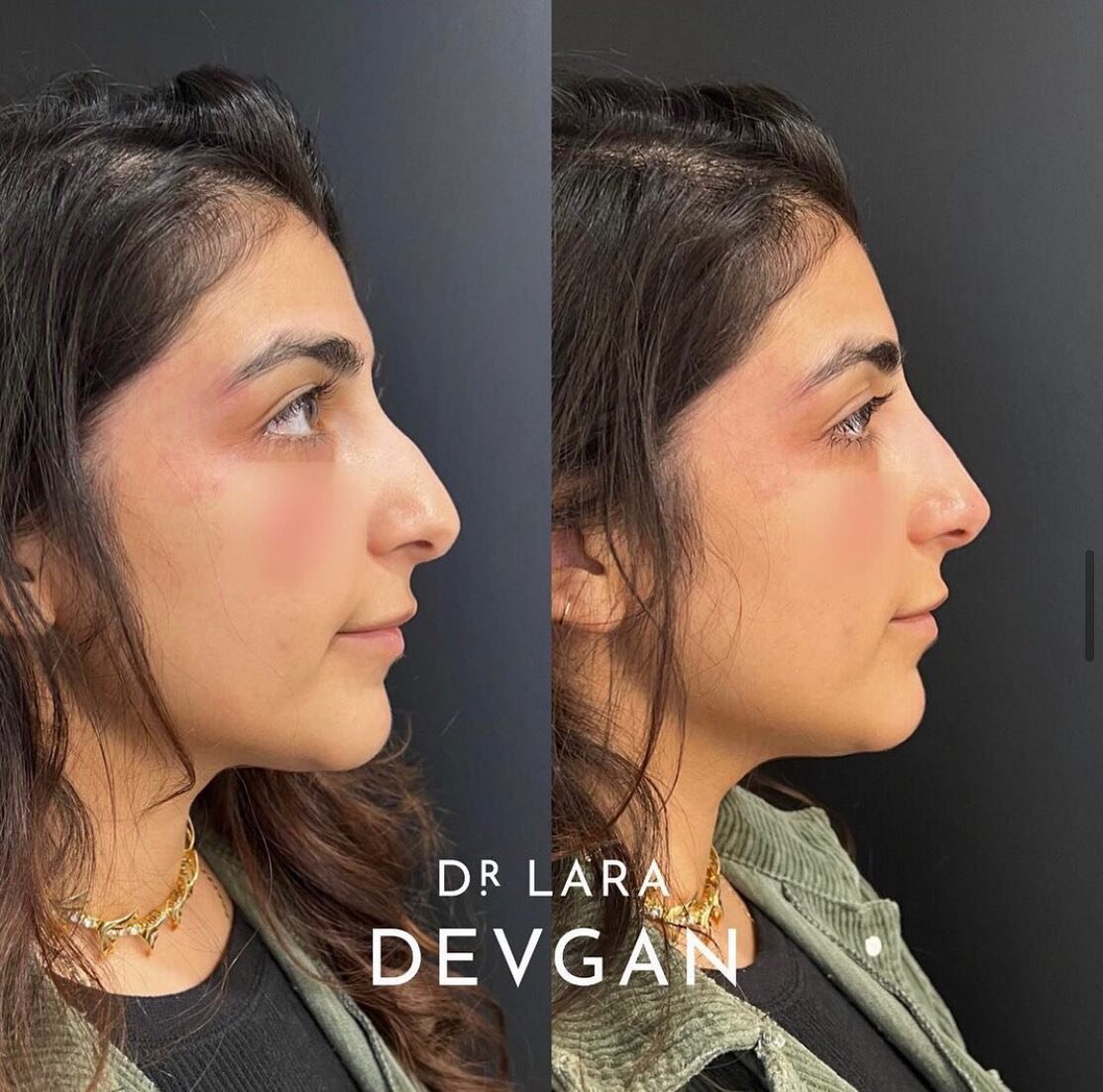
When performed thoughtfully, buccal fat pad excision creates a subtle sculpting effect: a more refined contour beneath the cheekbone, a gentle narrowing through the midface, and a clearer distinction between facial planes. But the softness of the face remains. The character remains. The result should feel like a natural evolution—not a departure.
This is where surgical judgment becomes essential.
Done correctly, buccal fat pad excision does not draw attention to itself. It simply elevates the underlying structure, bringing the face into better proportion and balance. The change is quiet, but meaningful—an enhancement that integrates seamlessly, rather than announcing itself.
Because ultimately, the objective is not to remove volume. It is to reveal harmony.