VOGUE: Dr. Lara Devgan Scientific Beauty Platinum Long Lash Serum Rated Best Overall

Best Overall: Dr. Lara Devgan Scientific Beauty Platinum Long Lash Serum

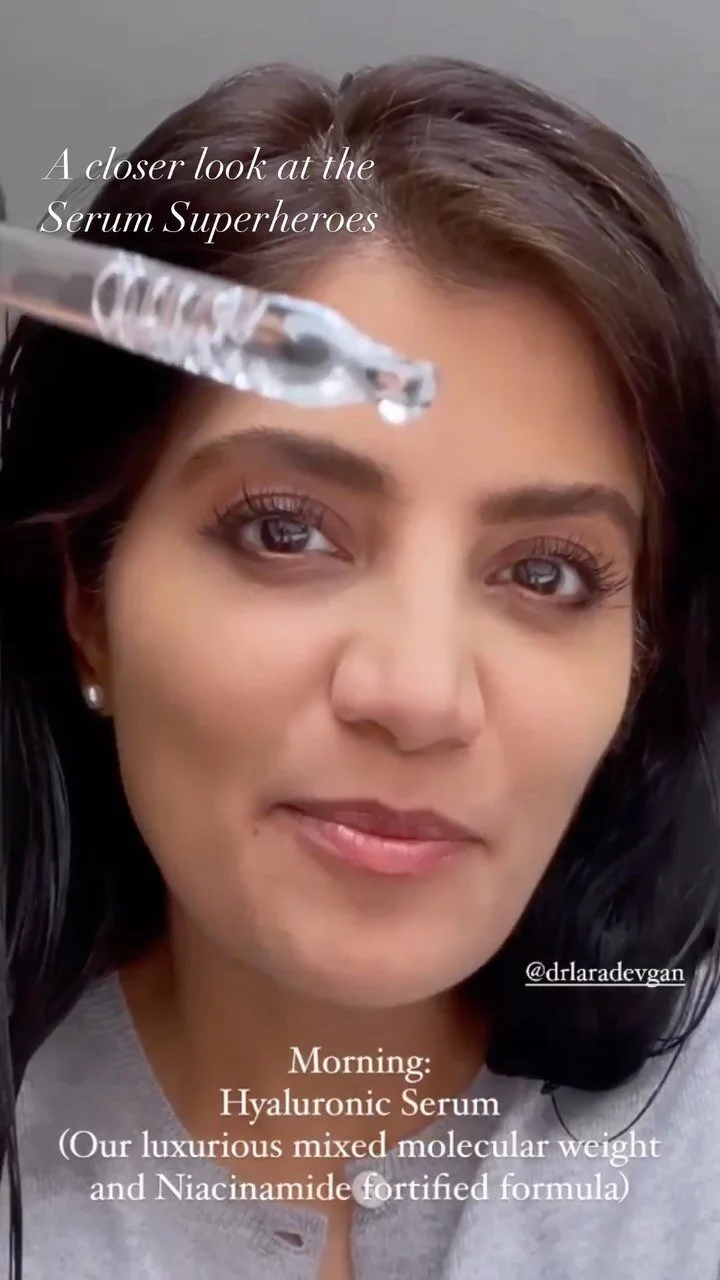
  • Why We Love It: Award-winning plastic surgeon Dr. Lara Devgan’s line of science-backed products comes with some serious clout. The Platinum Long Lash Serum is stamped with Sephora’s clean seal of approval and backed by clinical results. After two weeks of use, patients in a clinical study saw a 25% increase in lash length. After a month? More than 70% lash density. After two months, there was an average 45% increase in new eyelash growth without the telltale darkening of skin and eye color that often comes with PGA formulas.

  • Who It's For: Anyone who wants longer and healthier lashes and eyebrows.

Dr. Lara Devgan's MD Platinum Long Lash

Scientific Beauty | Platinum Long Lash Serum

Do eyelash serums really work?

With consistent use (i.e. weeks, and sometimes months)—and the right formula for your needs—you should be able to see positive results. “Lash growth serums work to strengthen, nourish and condition the eyebrow hairs which may give the hairs a thicker and healthier appearance,” Garshick explains. “By improving the health of the lash hair, it may also help make it less susceptible to breakage.”

How do lash serums work?

According to Garshick, lash serums are powered by a combination of ingredients formulated to strengthen and support lash health. For example, peptides or biotin can help strengthen and thicken hairs, while antioxidants or hydrating ingredients like panthenol help nourish and condition each hair.

Do lashes grow back?

Eyelashes can grow back, though growth serums are mainly formulated to improve existing “lash thickness, volume and length,” Garshick says.

How long does it take for lashes to grow?

If only it were as simple as applying your eyelash growth serum at night and seeing visibly longer lashes come morning. In reality, Garshick explains that sometimes results can be seen as early as 2-4 weeks, though it will generally take several months for the full effect. She continues that “the results are maintained with continued use of the serum or product, though in many cases, once desired results are achieved, the number of applications per week may be reduced.”

Is eyelash growth serum safe for your eyes?

According to Tsai, most eyelash growth serums are safe to use; however, it depends on the ingredients. “If the serum contains prostaglandin analogs, which stimulate lash growth, it may also have side effects such as eye irritation, skin darkening, iris color change, and possible orbital fat loss.”


Find us on instagram
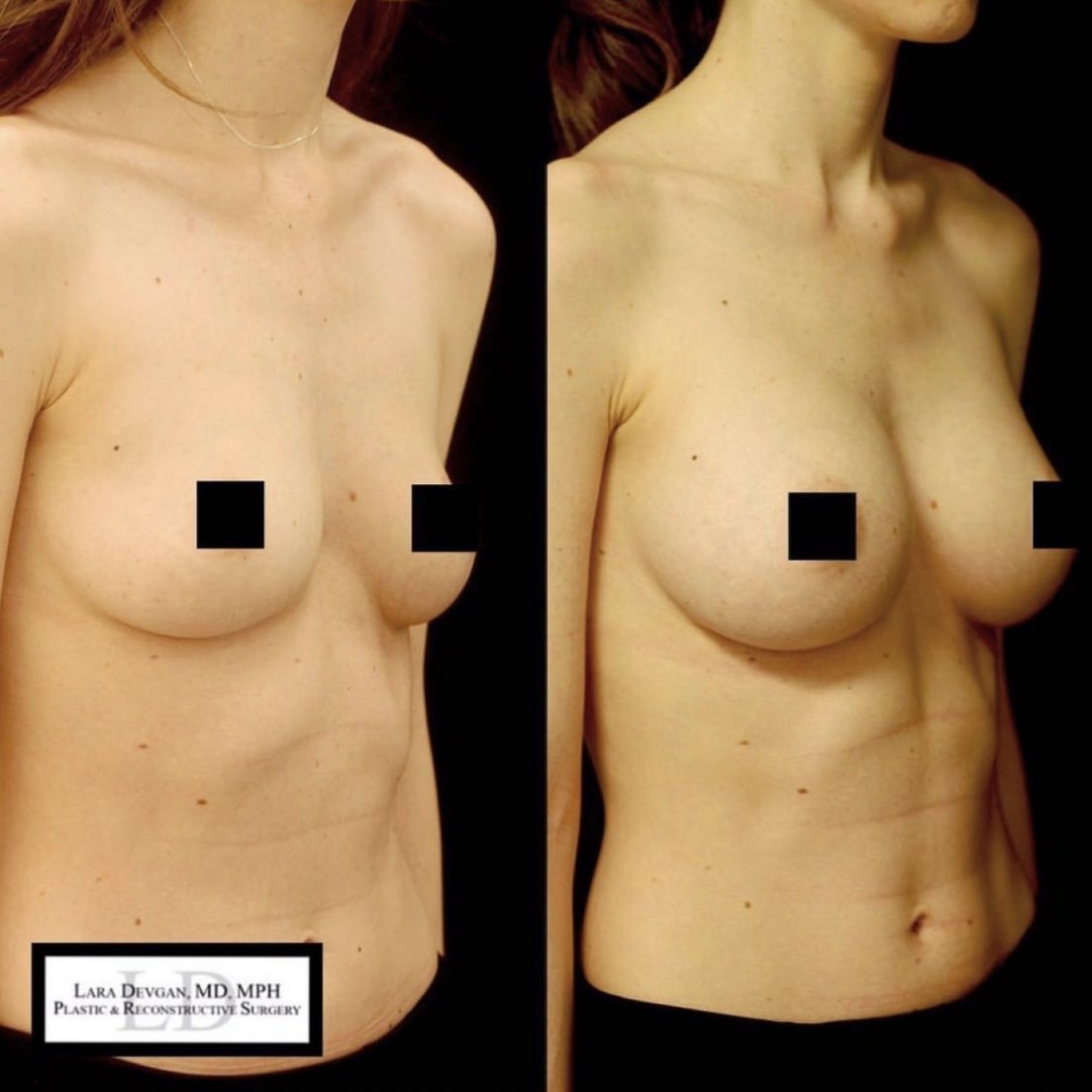
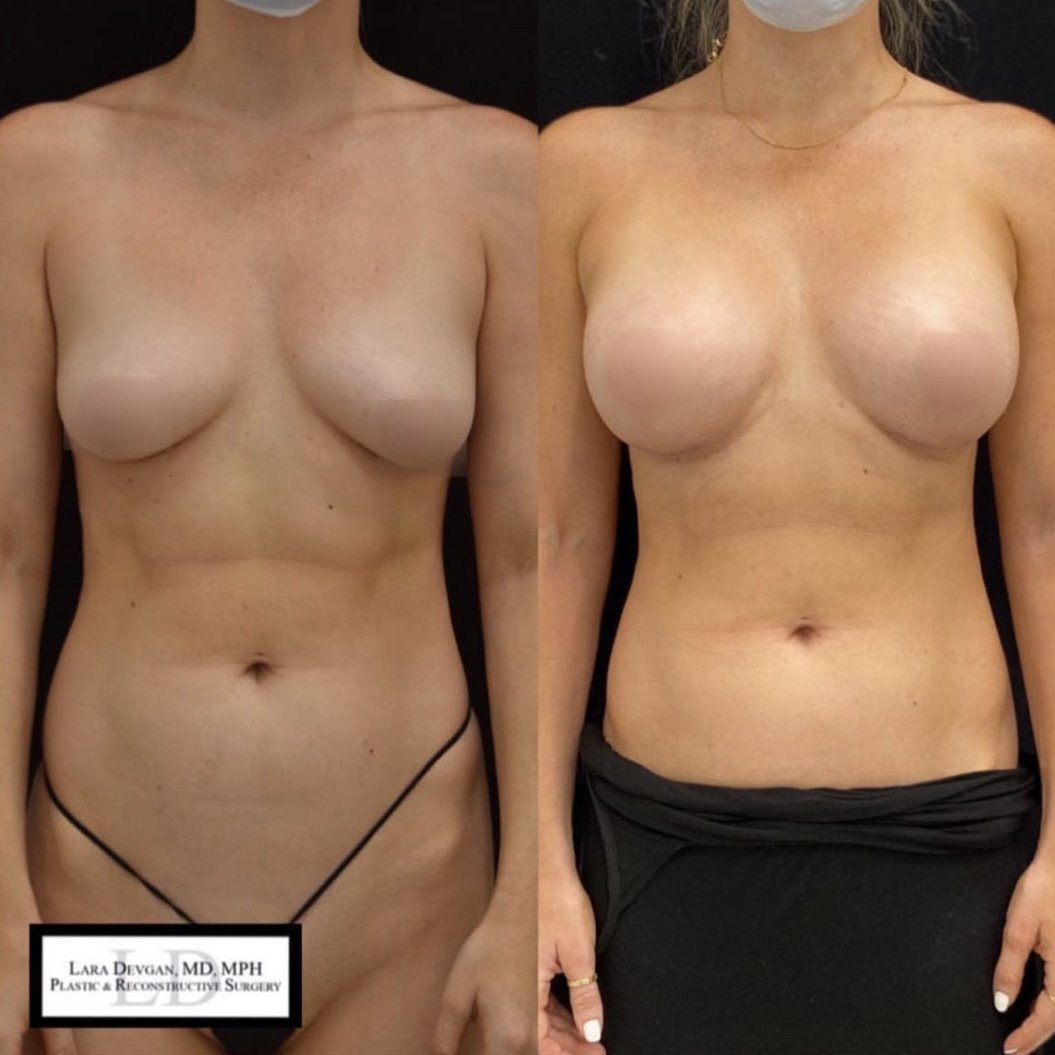
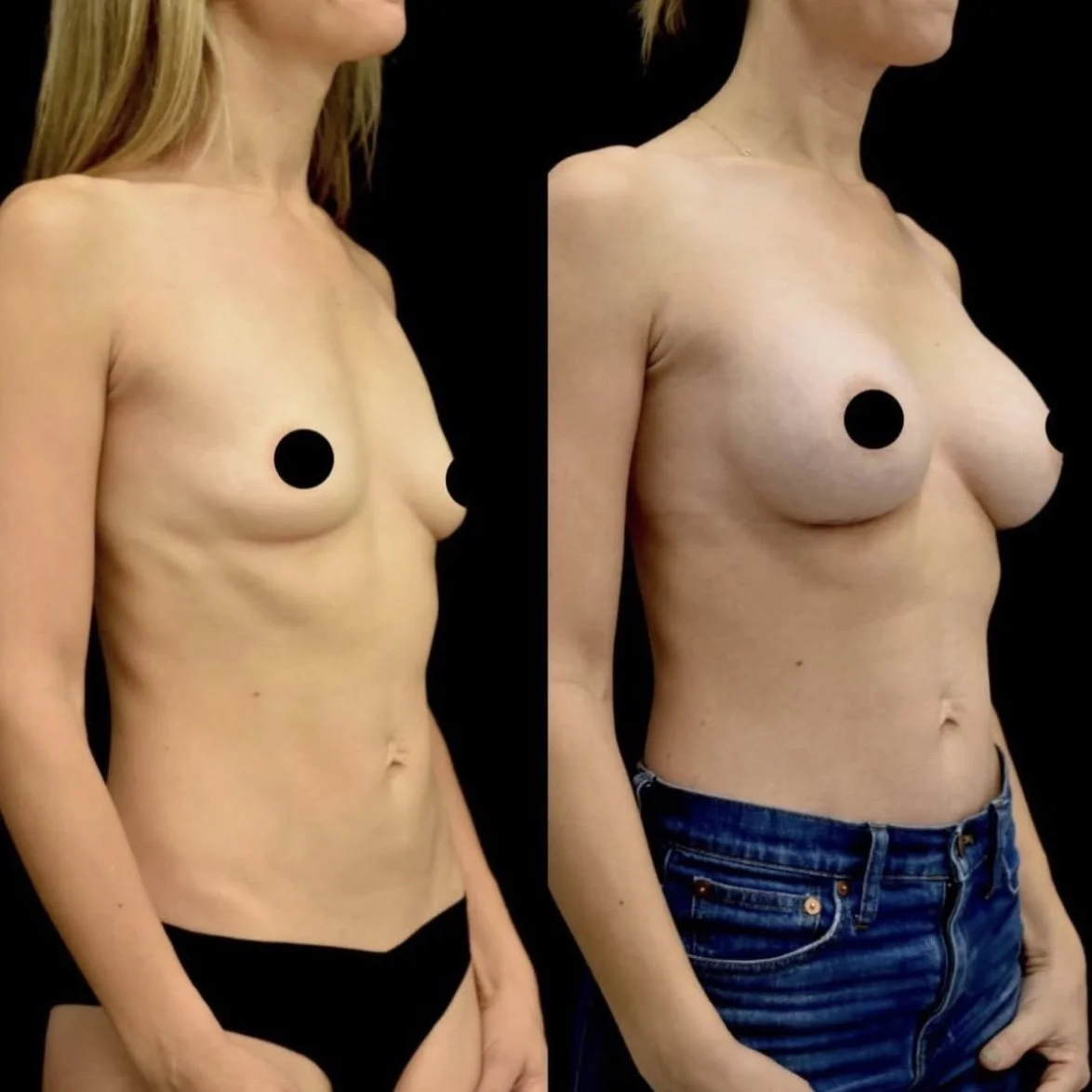
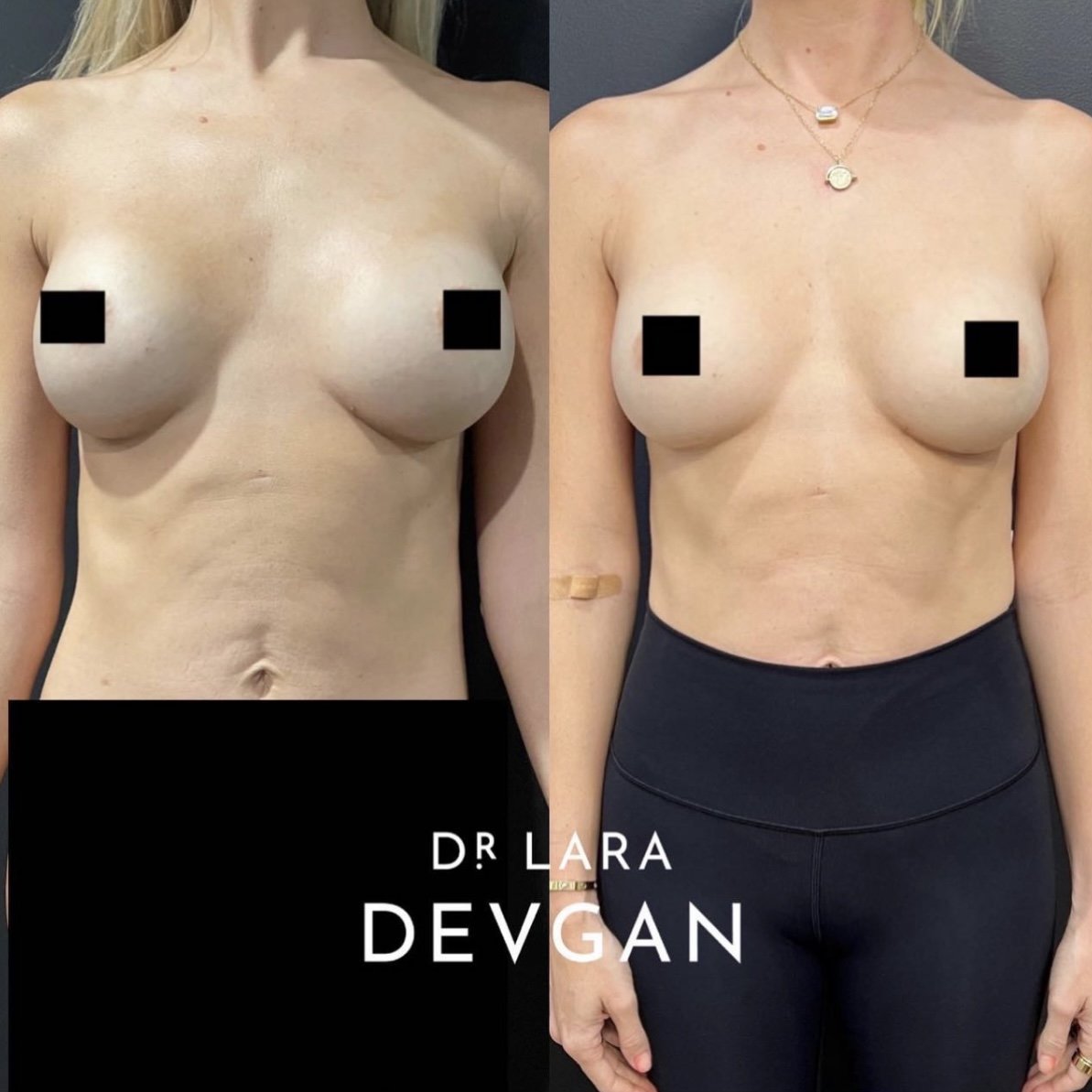
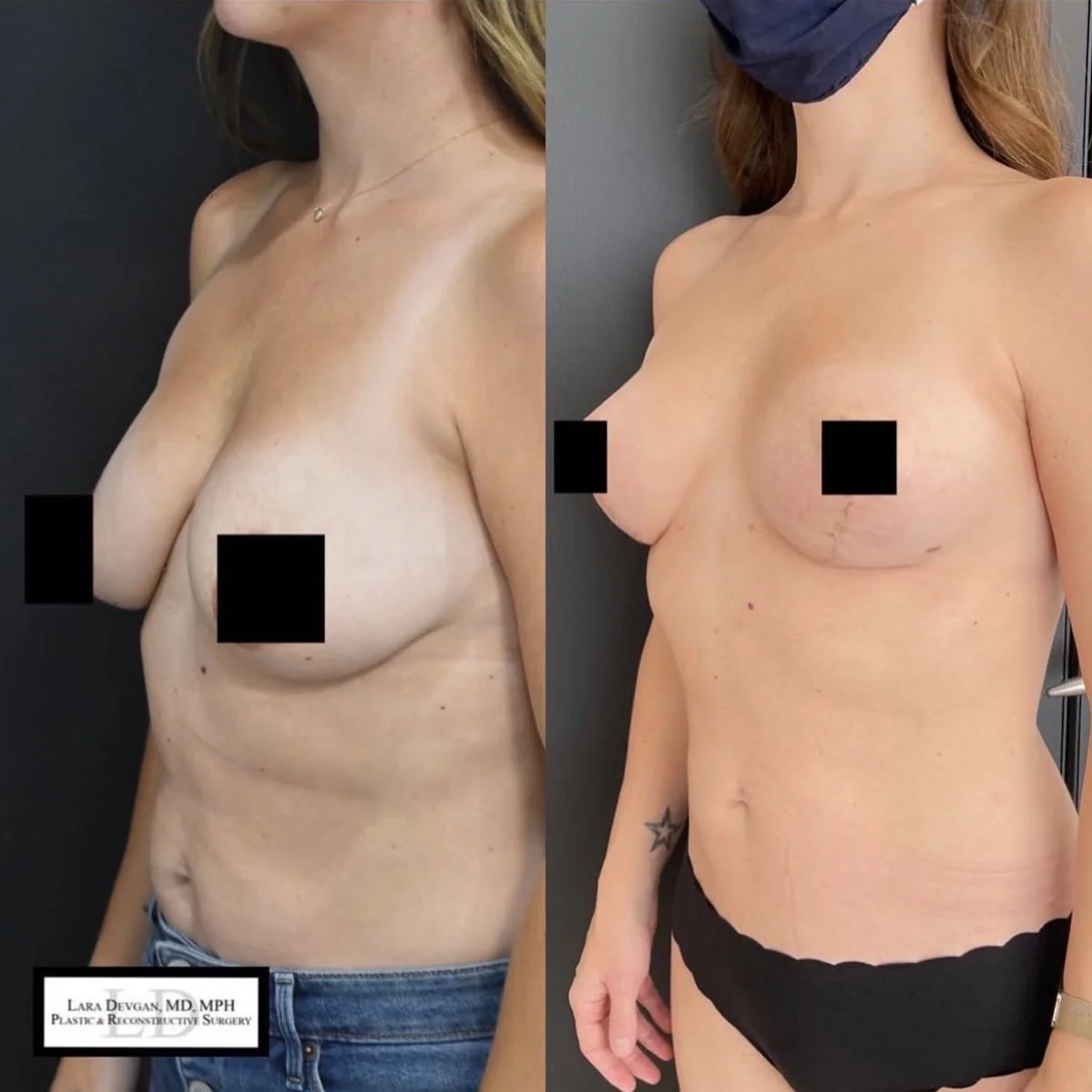
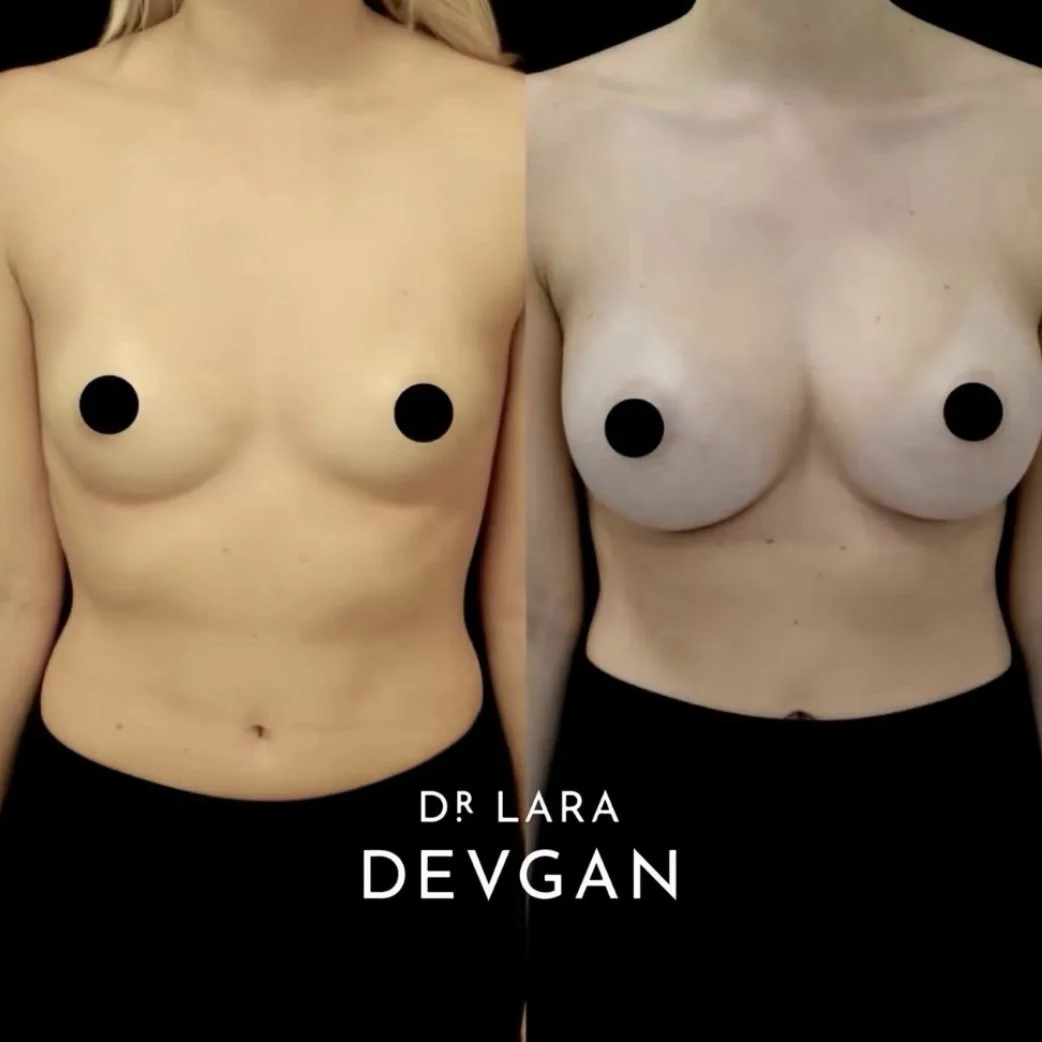
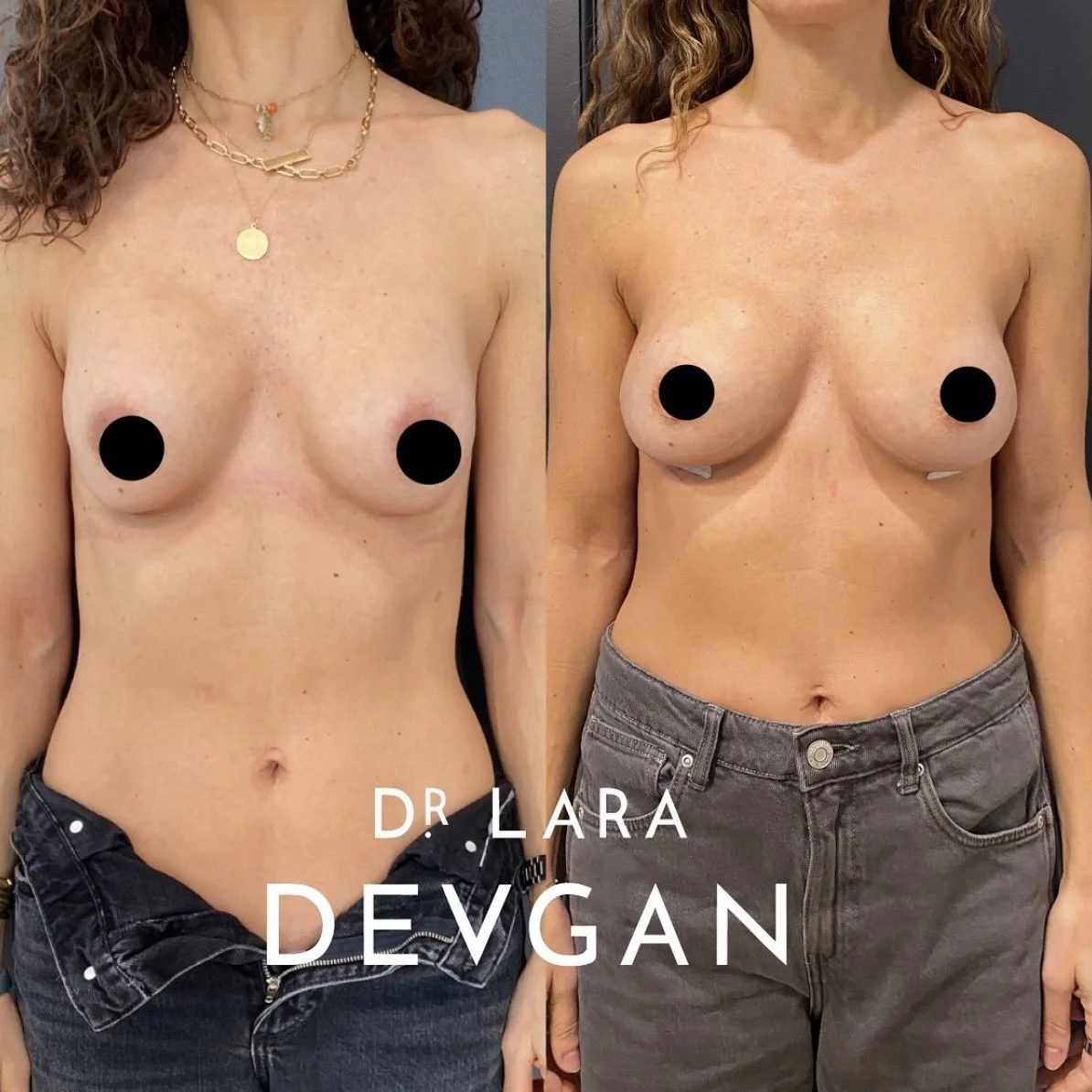
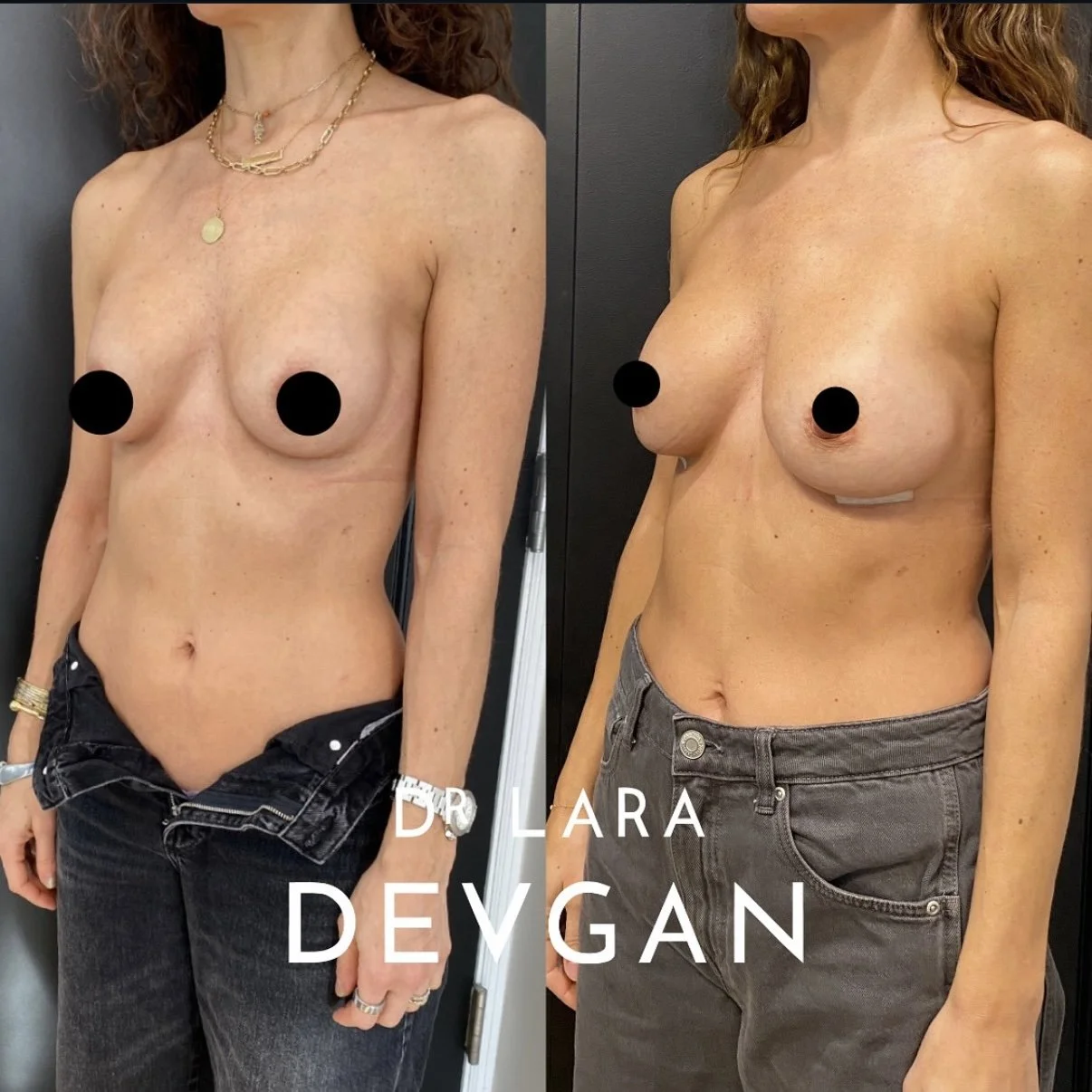
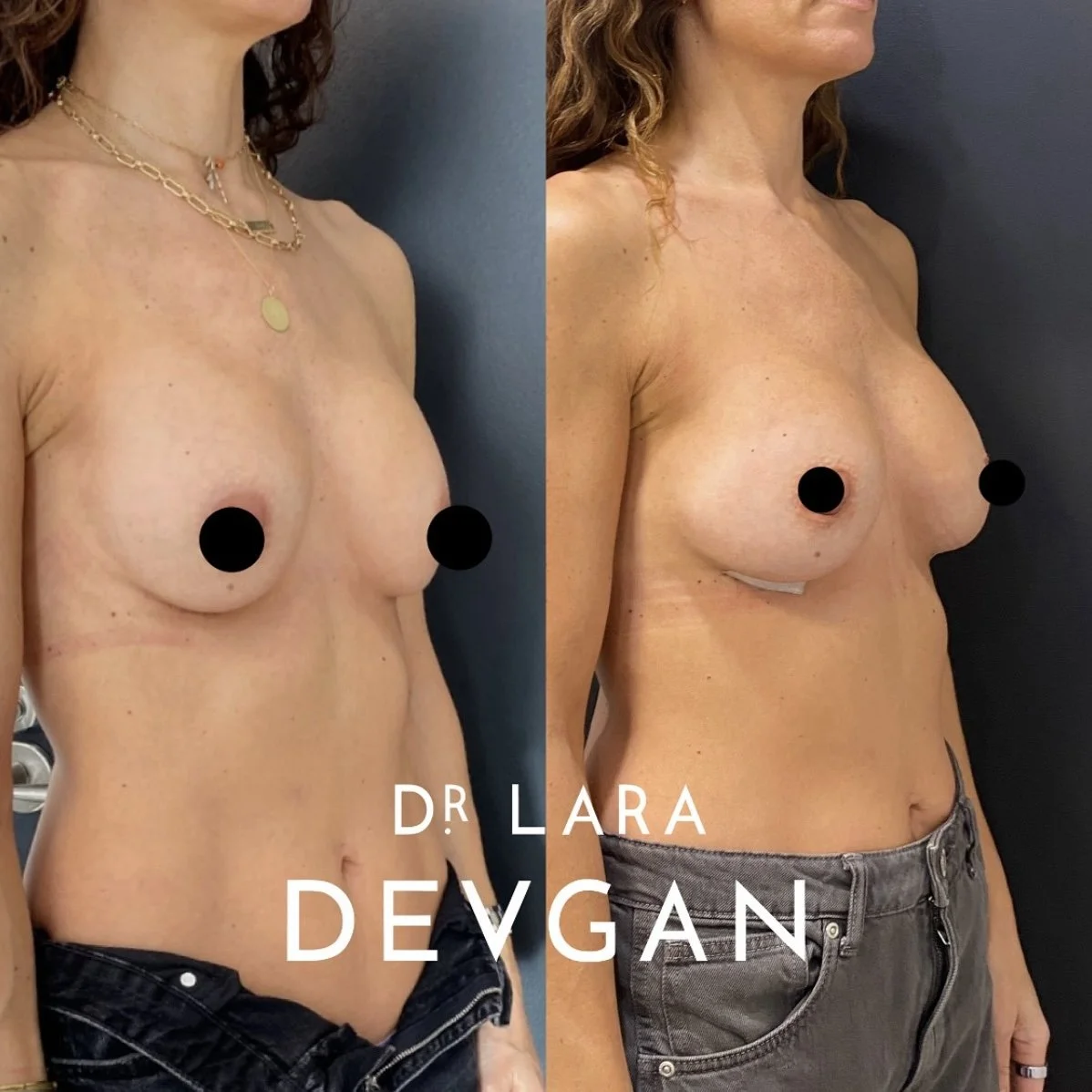
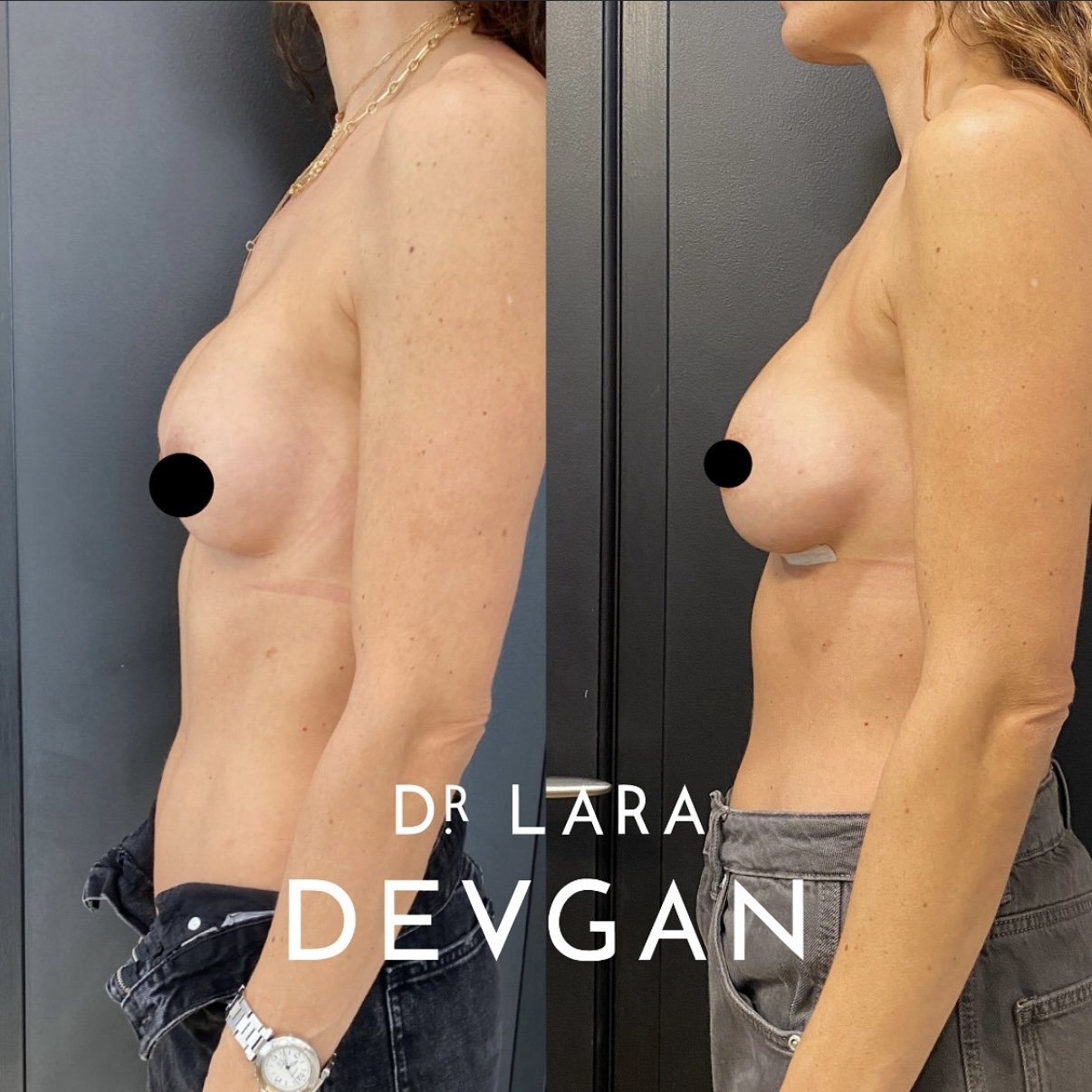
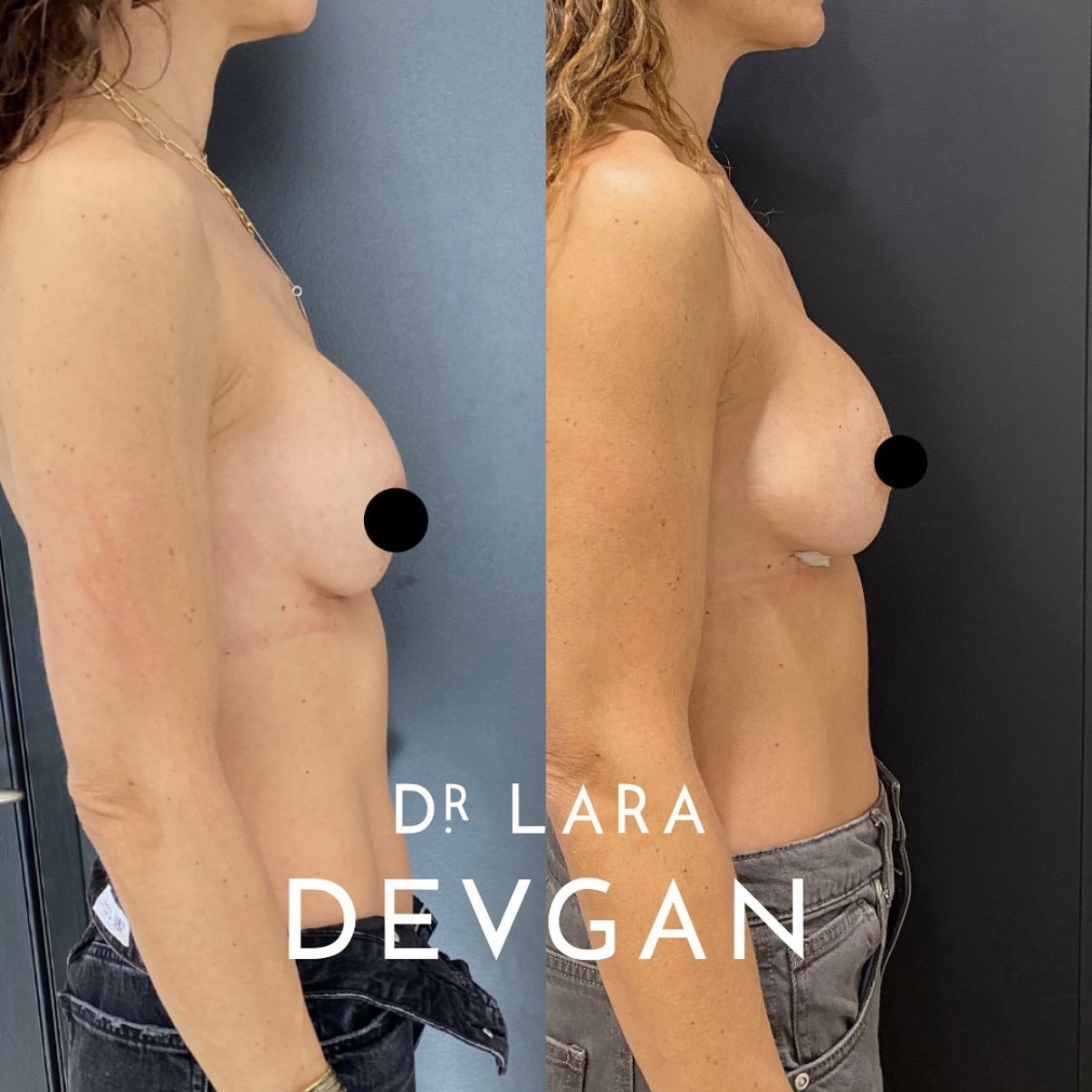
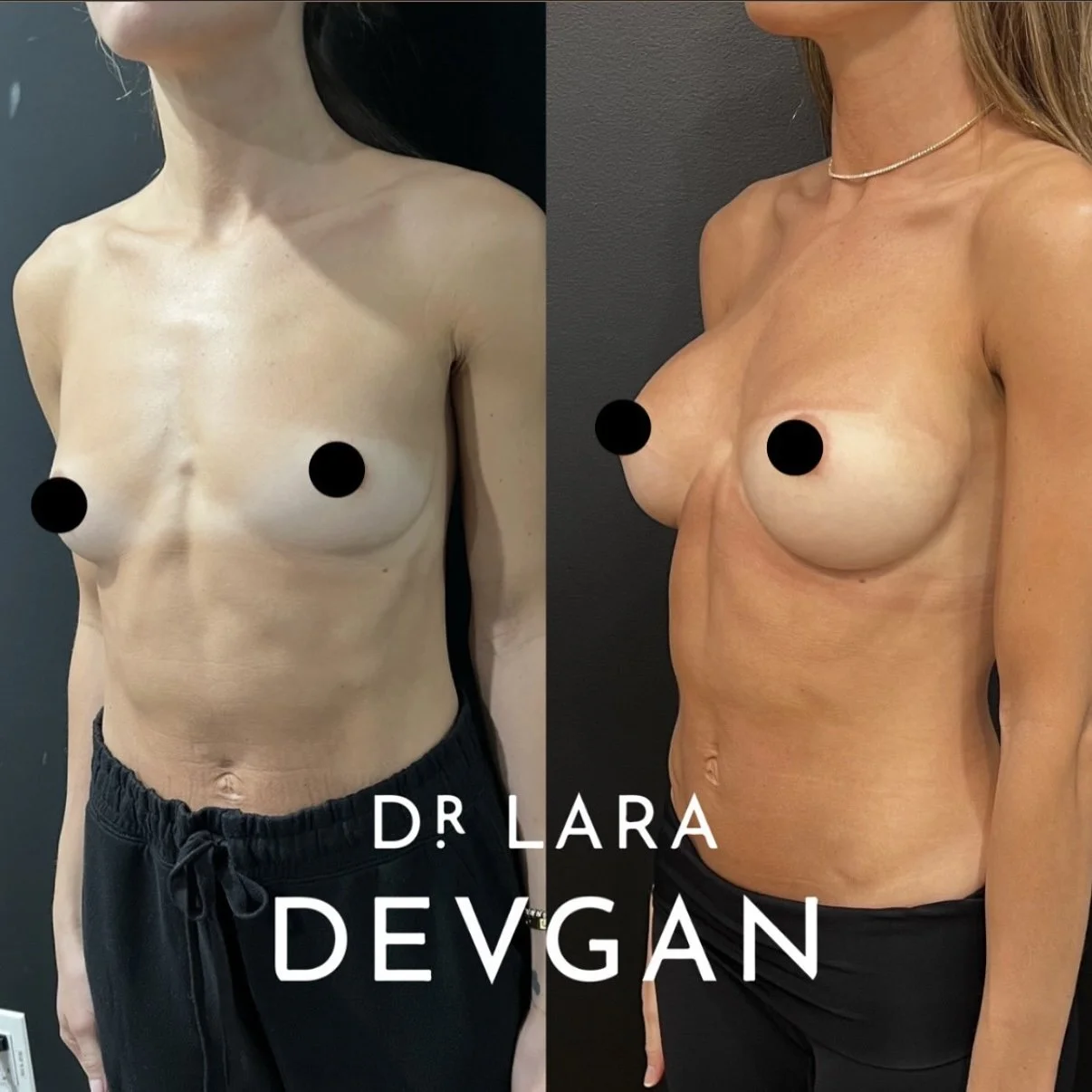
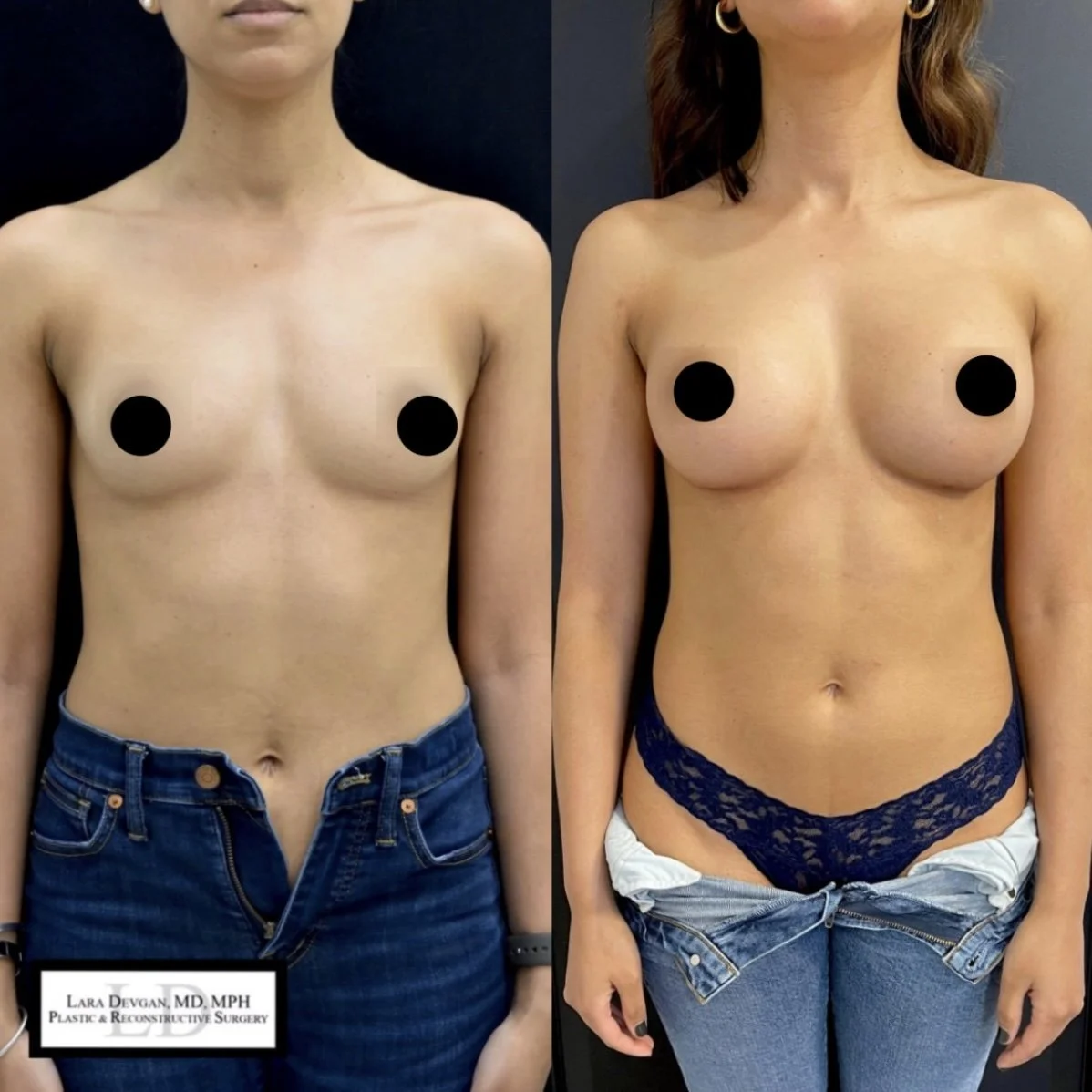
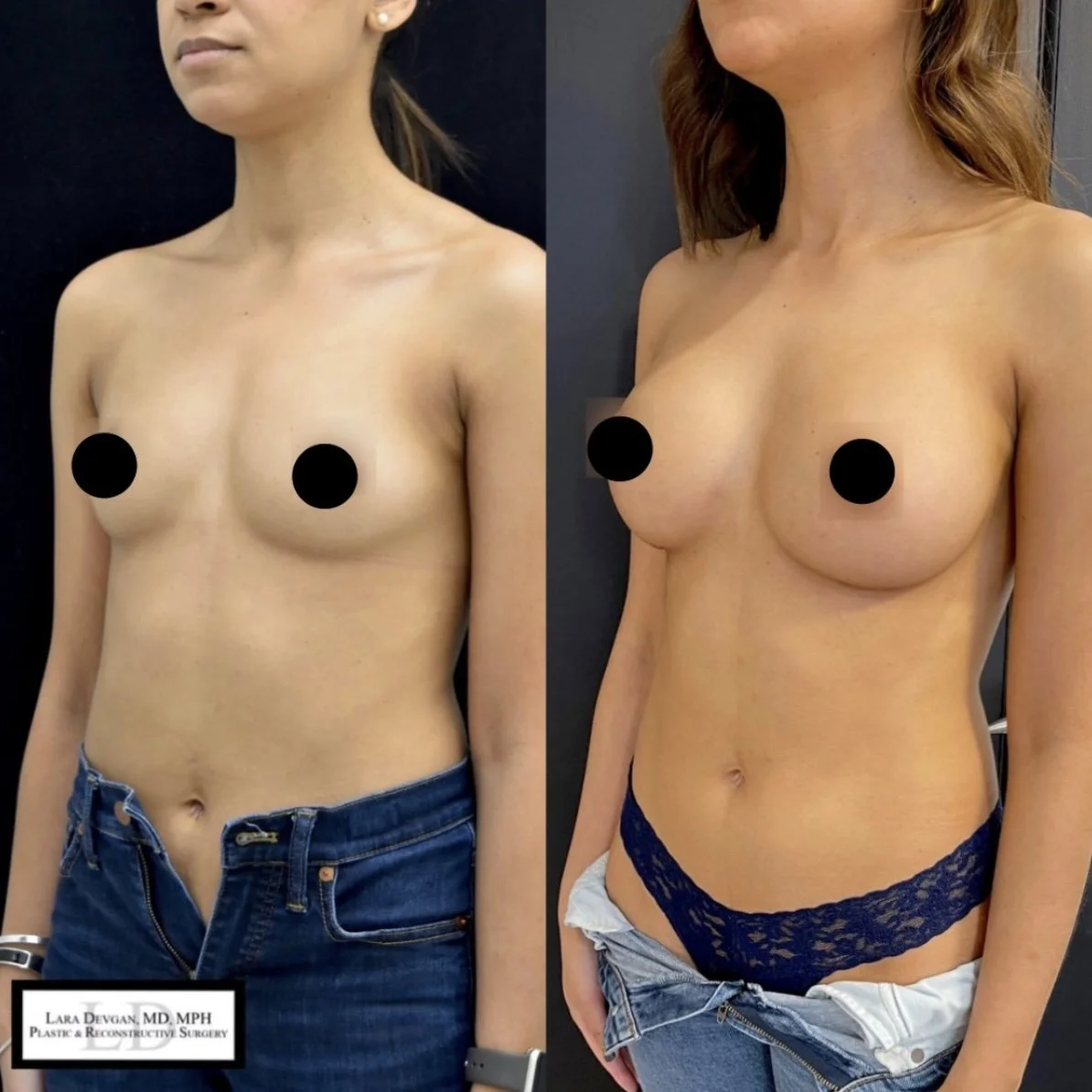
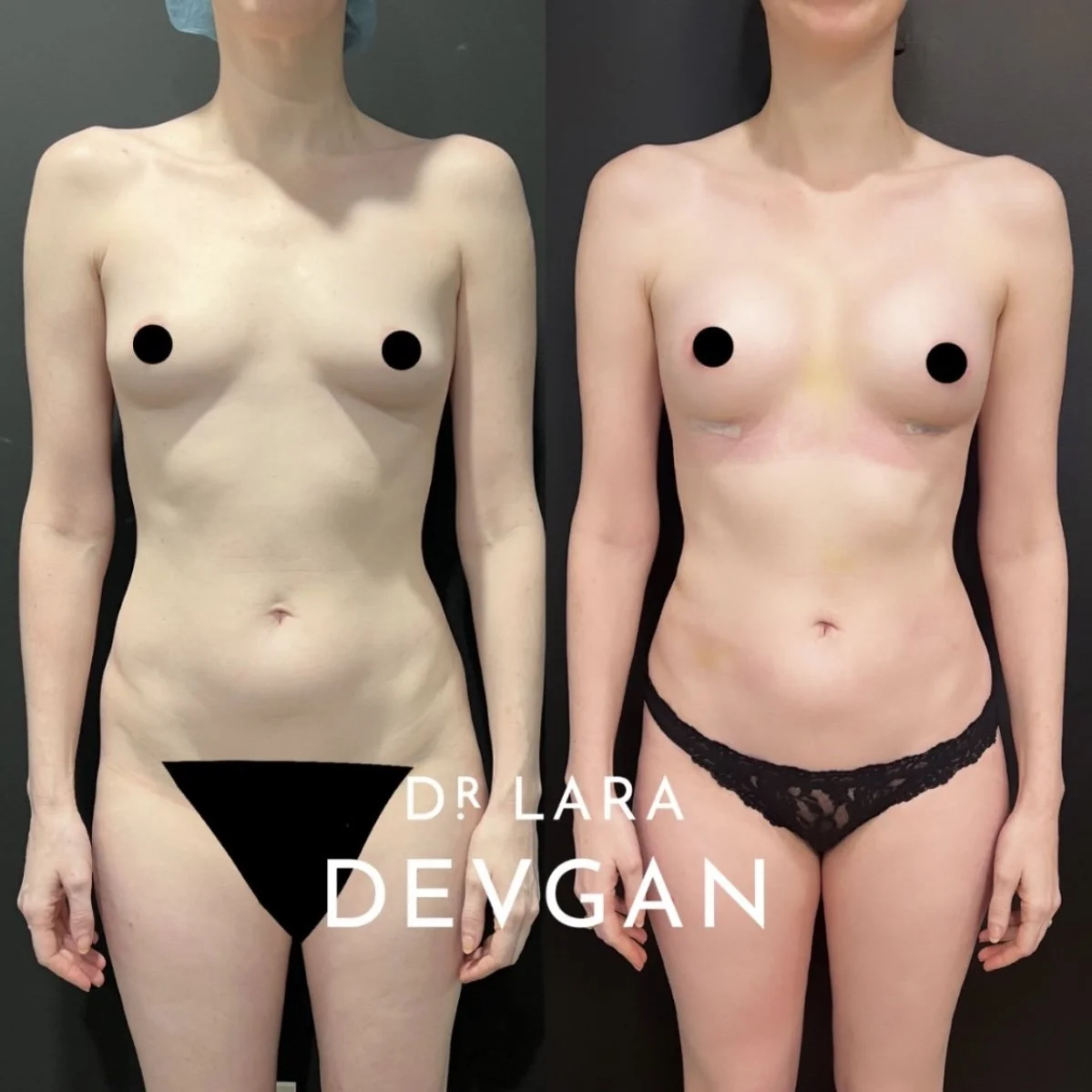
Why Would Implants Be Placed Below the Muscle?

There are several reasons why breast implants may be placed under the muscle (sub-muscular placement) during breast augmentation surgery. Here are a few of the main reasons:

1. Natural Appearance: Placing the implant under the muscle can provide a more natural-looking result by creating a smooth transition between the implant and the breast tissue.

2. Implant Coverage: The muscle offers additional coverage and support for the implant, which can help reduce the risk of visible rippling or wrinkling of the implant.

3. Mammography: Placing the implant under the muscle can make it easier to perform and interpret mammograms as the muscle helps separate the implant from the breast tissue, allowing for better visualization of breast tissue during screening.

4. Reduced Capsular Contracture Risk: Sub-muscular placement has been associated with a potentially lower risk of capsular contracture, which is the formation of excessive scar tissue around the implant.

It's important to note that the choice of implant placement depends on various factors, including the patient's anatomy, and desired outcome. During your initial consultation I will provide personalized information and guidance based on your individual circumstance.

Cheat Sheet- Breast augmentation post-op

BREAST AUG CHEAT SHEET

Post-op 101

Carefully follow the postoperative instructions provided by myself, my surgical coordinator, and my nurse. These instructions include guidelines on medications and activity restrictions. Adhering to these instructions will help optimize your healing process.

I recommend wearing your supportive surgical bra or compression garment to provide gentle support to the breasts. We ask patients to wear the same bra for a minimum of 48 hours straight, and afterwards you can give yourself 1-2 hour breaks throughout the day. Compression is key. This helps minimize swelling, promote healing, and maintain proper implant positioning.

Proper care of your incisions is crucial. Keep the incision area clean/dry as possible and avoid submerging your incisions in water. You will take off the steri-strips placed two weeks after surgery. 

You may experience some discomfort or pain after surgery. If needed, take the prescribed pain medication to manage any discomfort. Patients typically report their pain to be well managed with extra strength Tylenol.

No strenuous activity for six weeks. You will need to limit activities such as heavy lifting and upper body movements. Gradually ease back into your regular routine and if any activity causes discomfort, do not continue to push yourself. 

You will have a post operative appointment one week after surgery day and another one 6 weeks post-op. It is imperative that you attend your scheduled follow up visits. I want to monitor your healing progress, address any concerns, and provide further guidance as needed.

Pay attention to any unusual changes or symptoms, such as excessive swelling, redness, persistent pain, or changes in breast appearance. If you notice any concerns, promptly contact my office for an evaluation.

Sterility protocol during your breast augmentation

STERILITY

Ensuring a sterile environment during the breast implantation process is of utmost importance.

1. Preoperative Preparation: Before the surgery, the operating room is thoroughly cleaned and sterilized. The surgical team adheres to strict hand hygiene protocols and wears sterile gloves and gowns.

2. Patient Preparation: Once you are in the operating room, your skin is cleaned with an antiseptic solution to reduce the risk of infection. Sterile drapes are placed to create a sterile field around the surgical site.

3. Surgical Instruments: All surgical instruments used during the procedure are sterilized beforehand through various methods, such as autoclaving or using sterile single-use instruments. This ensures that the instruments are free from microorganisms and other contaminants.

4. Sterile Gloves: Myself and the surgical team wear sterile gloves throughout the procedure to maintain a sterile environment and prevent the introduction of bacteria.

5. Implant Handling: The breast implants themselves come in sterile packaging. My nurse opens the packaging within the sterile field, ensuring that the implants remain sterile before placement.

6. Implant Placement: Once the surgical incision is made, the pocket for the implant is created. The implant is carefully inserted into the pocket while maintaining sterility. This is typically done using a "no-touch" technique, where the implant is never touched by non-sterile surfaces or hands.

7. Wound Closure: After the implant is securely in place, the incisions are closed using sterile sutures or adhesive strips. Sterile dressings may be applied to protect the incision site and promote healing.

Throughout the entire process, the surgical team follows strict protocols to maintain a sterile environment. These measures are in place to minimize the risk of infection and promote safe surgical outcomes.

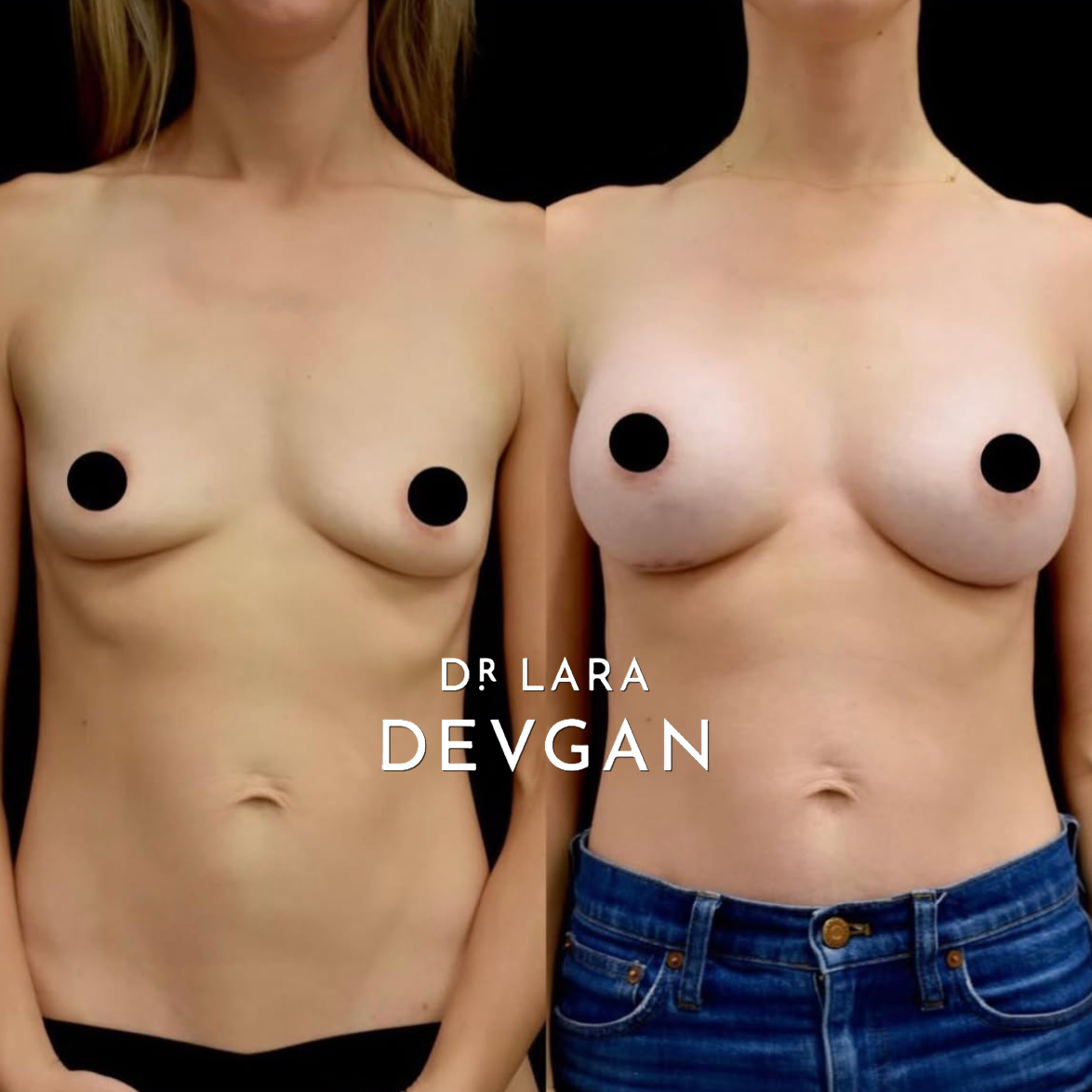
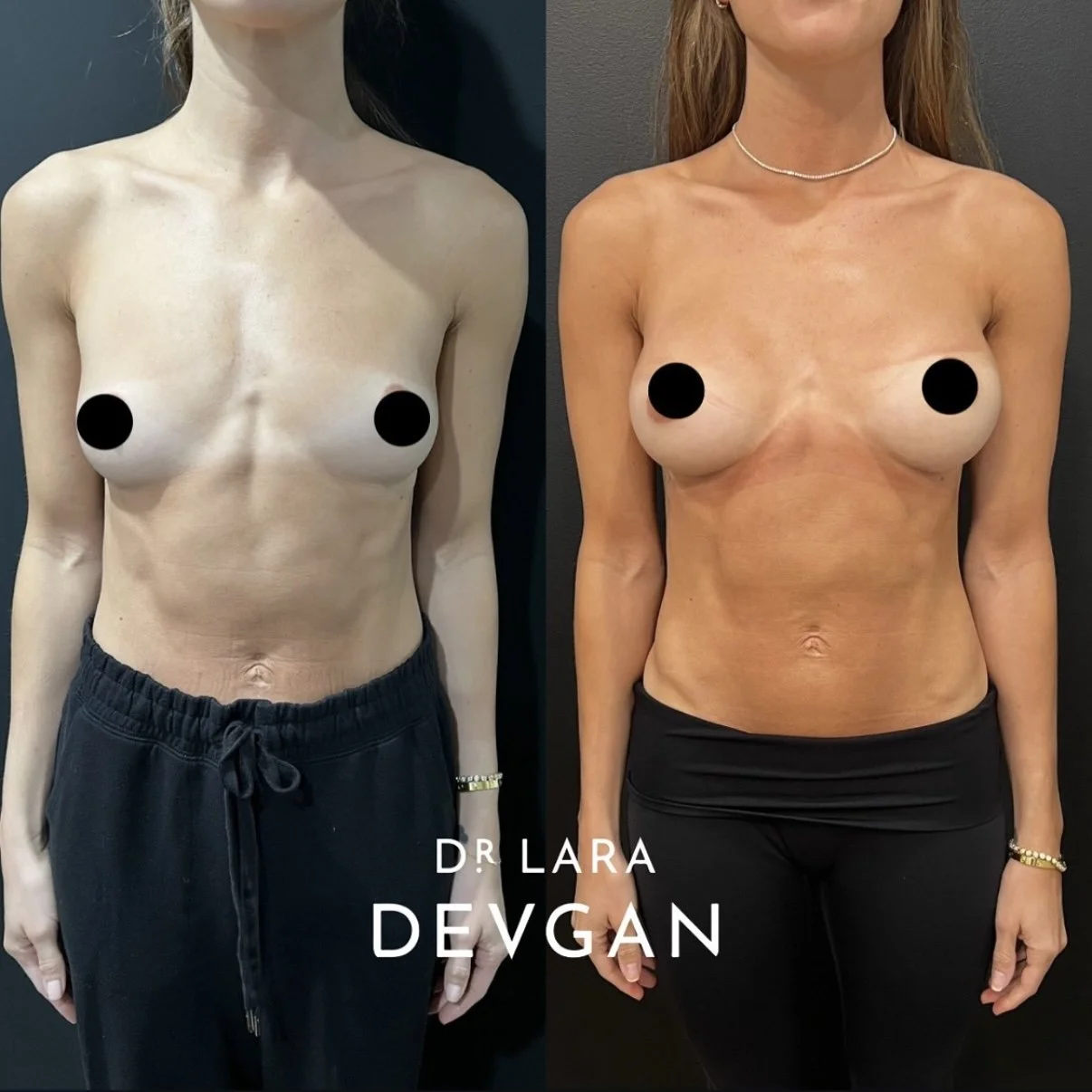
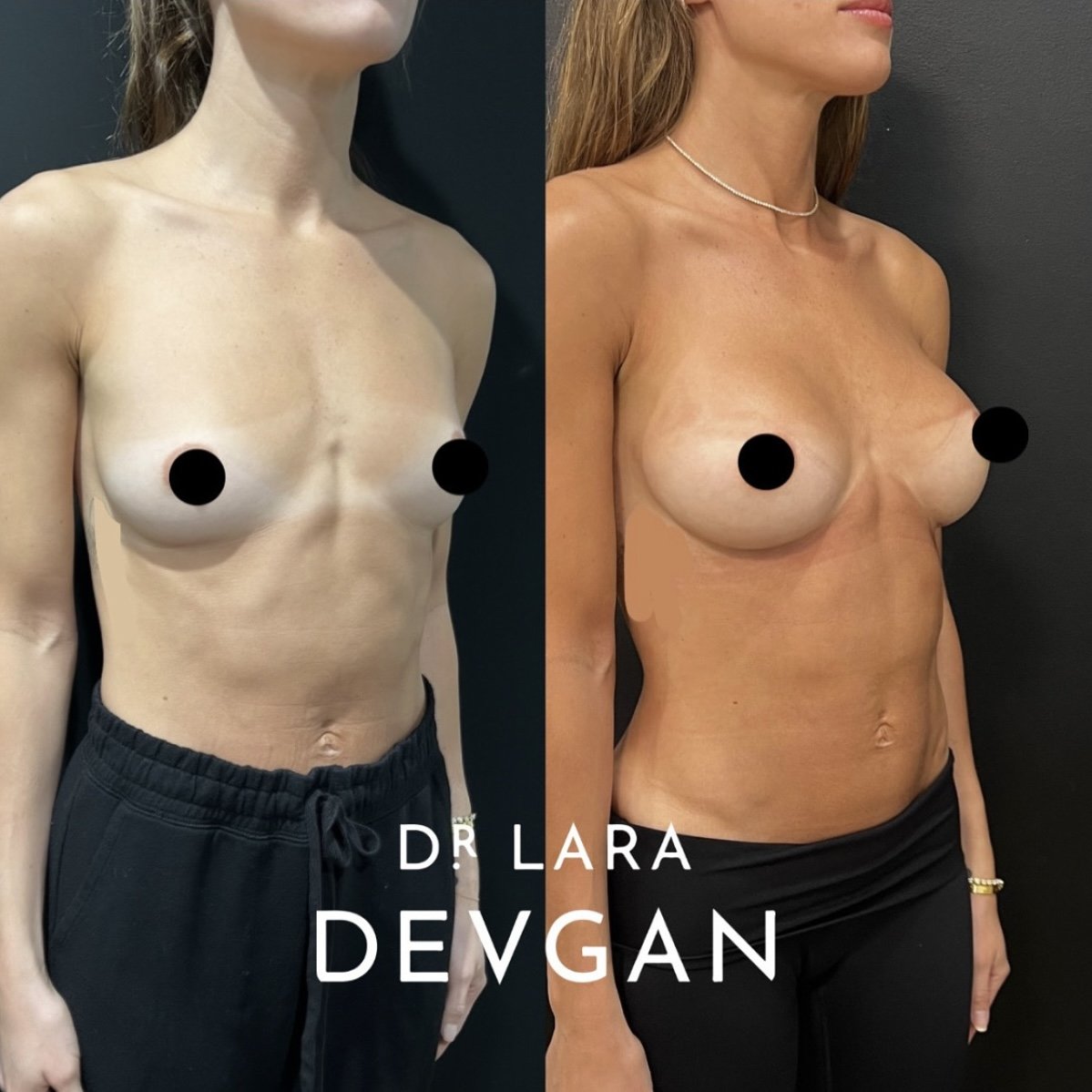
What size breast implant should I go with?

One of the most commonly asked questions with our prospective breast augmentation patients. When it comes to choosing the size for a breast augmentation, several factors need to be considered. As a board-certified plastic surgeon, I can guide you through the process. Here's what you should consider

1. Body Proportions and Frame: Your body proportions and frame play a crucial role in determining the appropriate implant size. Factors such as height, weight, chest width, and existing breast tissue are considered to achieve a balanced and natural result.

2. Desired Outcome: Clearly communicate your goals and expectations to your surgeon. They will assess your desired cup size and shape to help guide you in choosing the appropriate implant size.

3. Tissue Characteristics: The quality and quantity of your existing breast tissue are important. Patients with minimal breast tissue may require larger implants to achieve their desired size, while those with ample tissue may achieve their desired results with smaller implants.

4. Lifestyle and Activities: Consider your lifestyle and the activities you engage in regularly. If you're involved in sports or physical activities that require significant chest movement, you may prefer a size that allows for comfortable participation without compromising your lifestyle.

5. Surgeon's Recommendation: Trust the expertise of your plastic surgeon. Based on their experience and knowledge, they will evaluate your individual factors and recommend a range of implant sizes that are suitable for your unique anatomy and goals.


During a consultation, I will take measurements, conduct a physical examination, and use inspiration images or sample sizers to simulate potential outcomes. This allows you to visualize different sizes and make a more informed decision. Remember, the ultimate goal is to achieve a result that enhances your overall proportions, looks natural, and aligns with your expectations. Our office encourages open communication to help ensure a satisfying outcome.