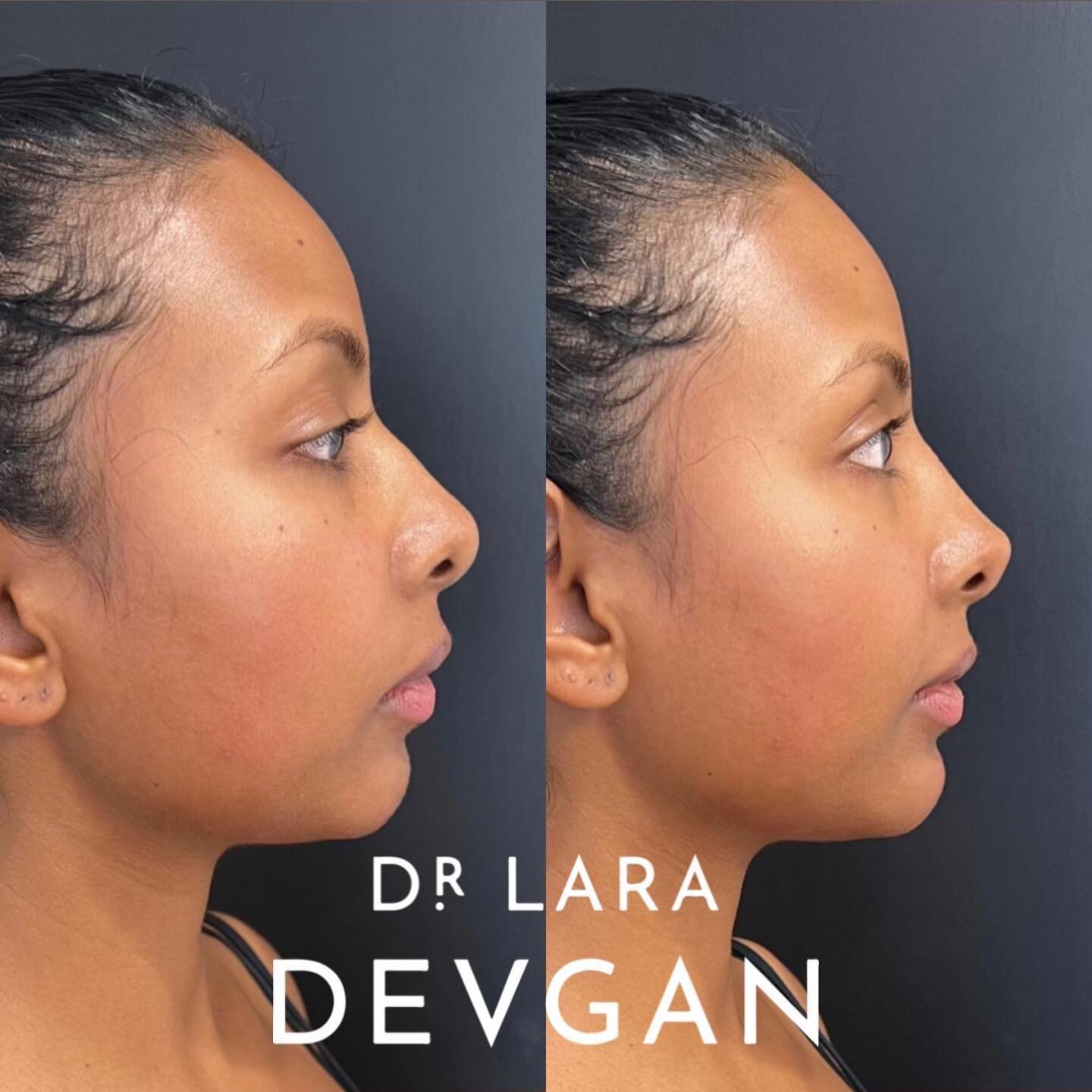
Correction of Dark Circles (tear trough filler)

Actual patient of Dr. Devgan, before and after tear trough injection

Actual patient of Dr. Devgan, before and after tear trough injection

The skin around the eyes is the thinnest and most delicate on the body. For this reason, it is the place where many people are likely to show signs of aging and fatigue. Even in young patients, as in this twentysomething patient of mine pictured above, dark circles can contribute significantly to a tired appearance of the face.

One quick and easy intervention to treat dark circles and hollowing around the eyes is Injectable Tear Trough Filler. In a 10 minute procedure with minimal discomfort and no downtime, the under-eye area can be rejuvenated for 1-2 years. This is an excellent option for you if you would like a cosmetic correction without undergoing surgery (like blepharoplasty/ eye lift, or fat grafting).

Tear trough filler is an expert injector technique that can cause skin necrosis, tissue damage, and permanent blindness if done improperly. I advise my patients to find a board-certified plastic surgeon and expert in periorbital anatomy with extensive experience in this nuanced procedure. To see more examples of my work, look at the "Eyes" section under the Before & After tab. 

For inquiries, please call my office at 212-452-2400.
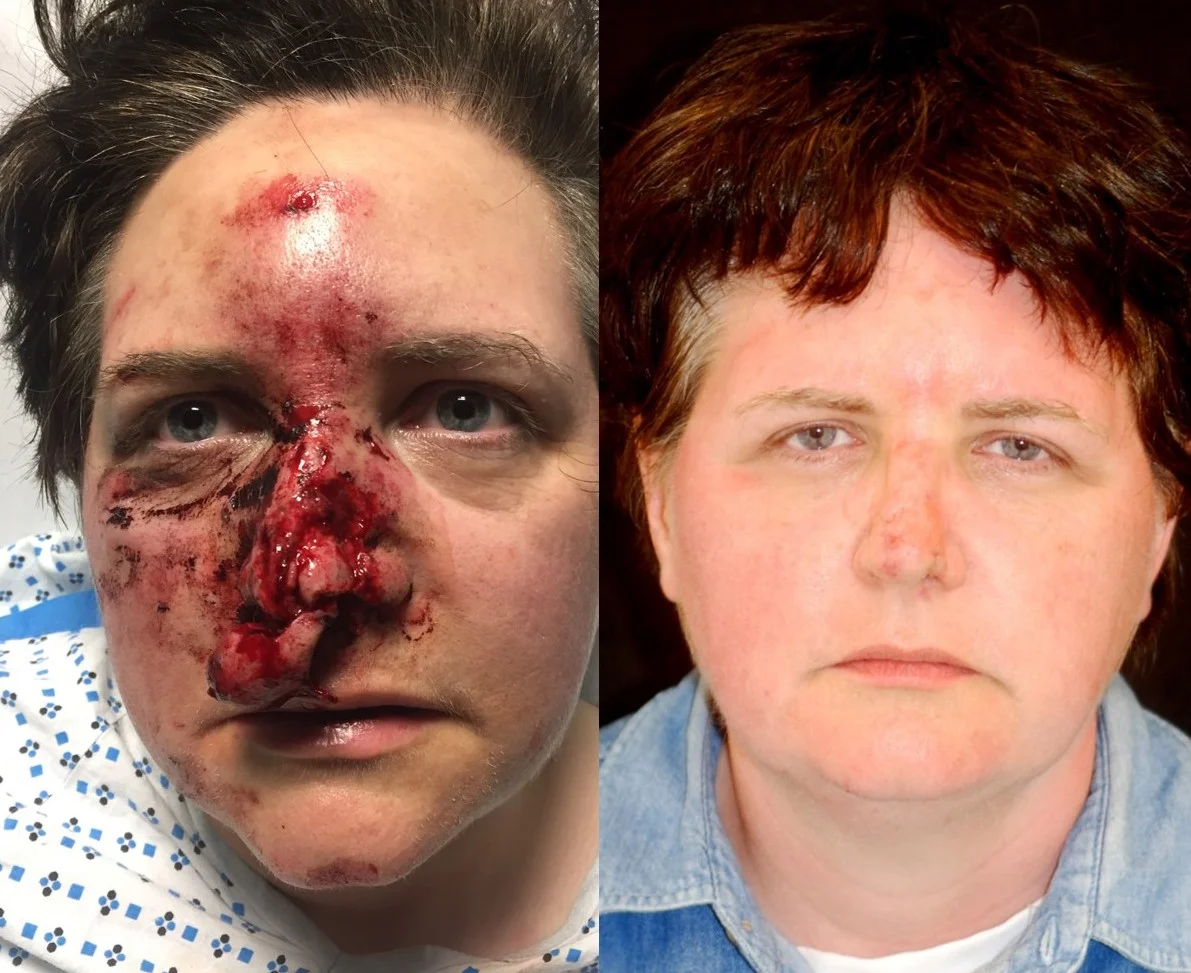
 

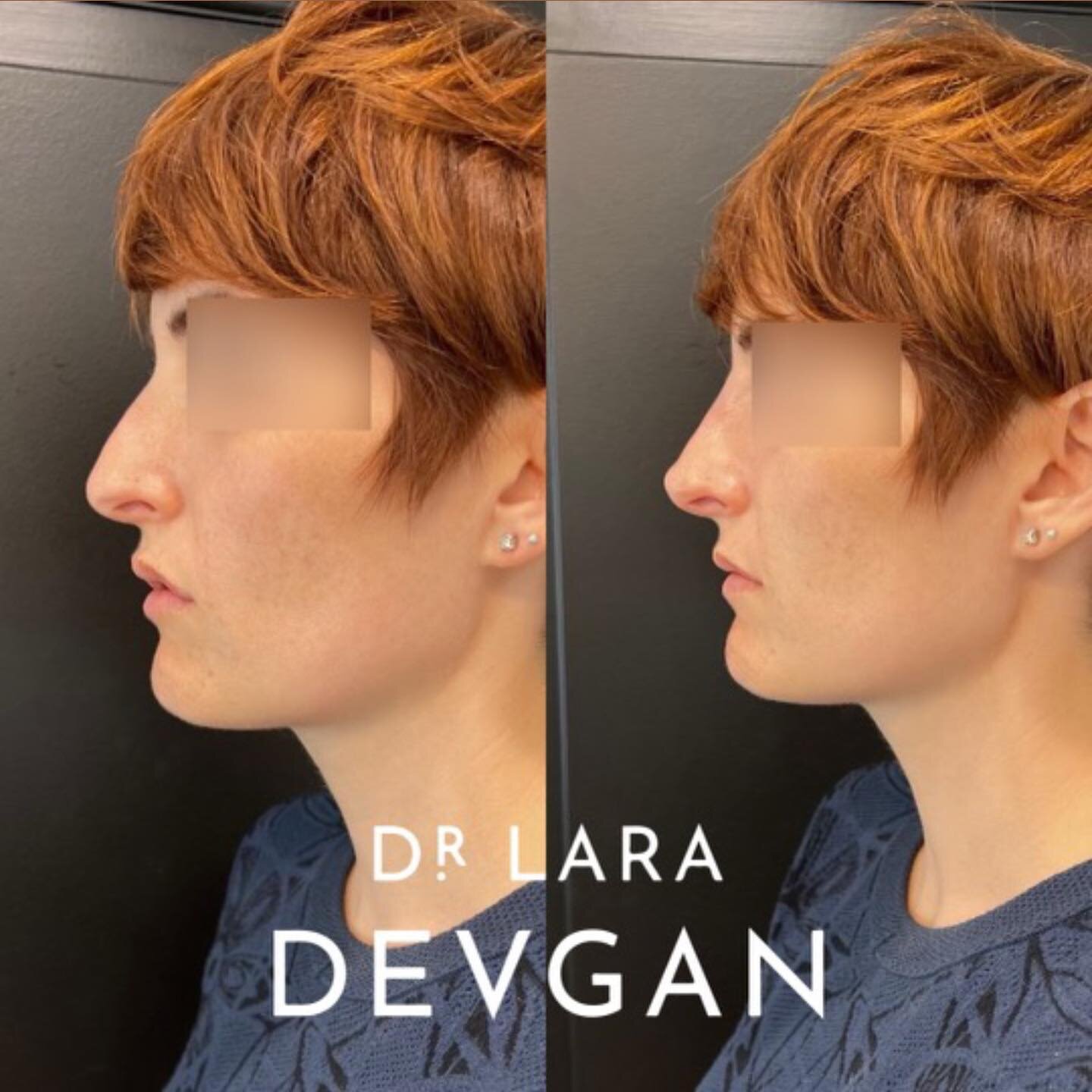
Total nasal reconstruction for badly broken noses

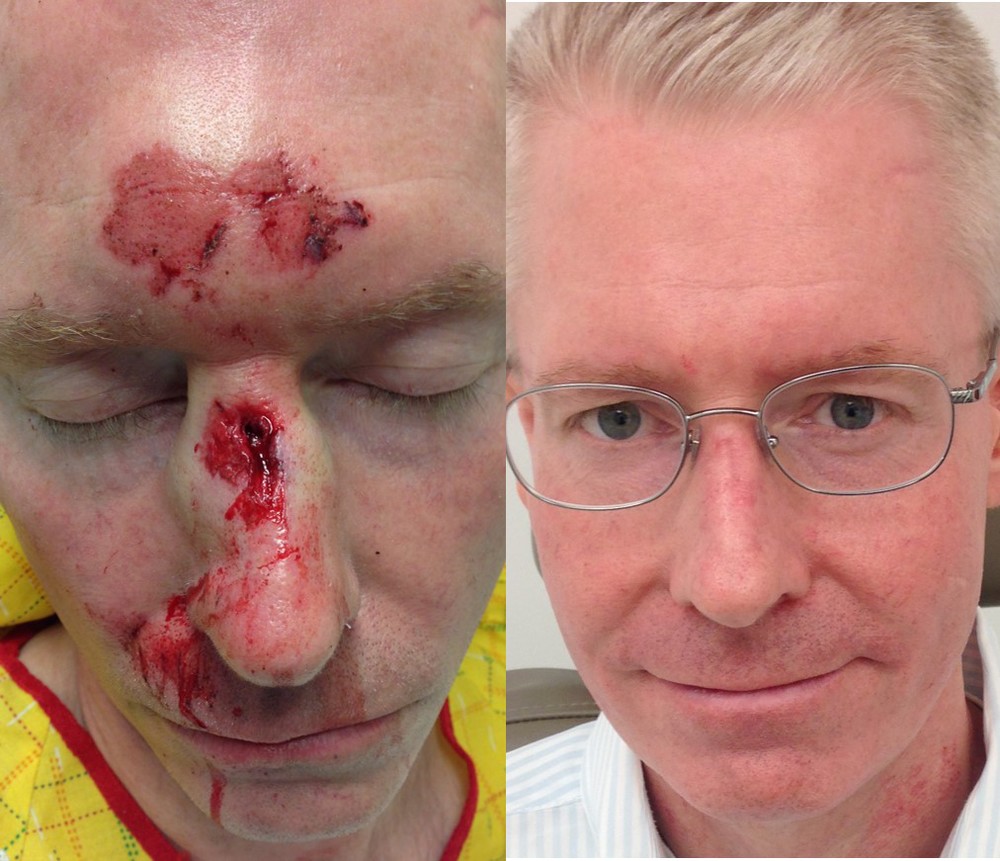
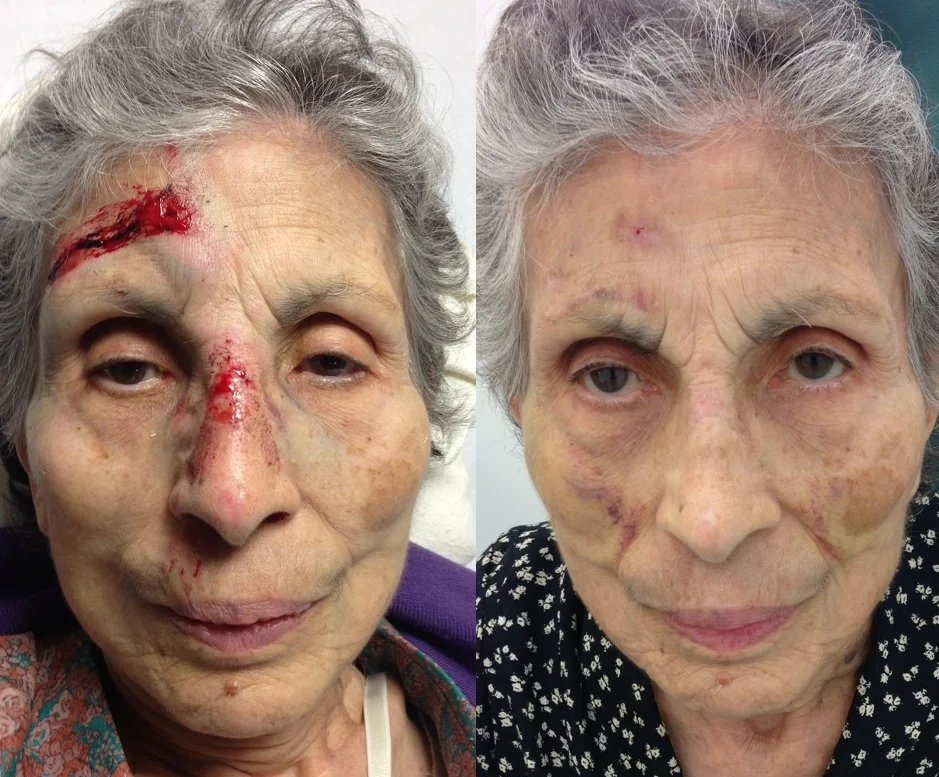
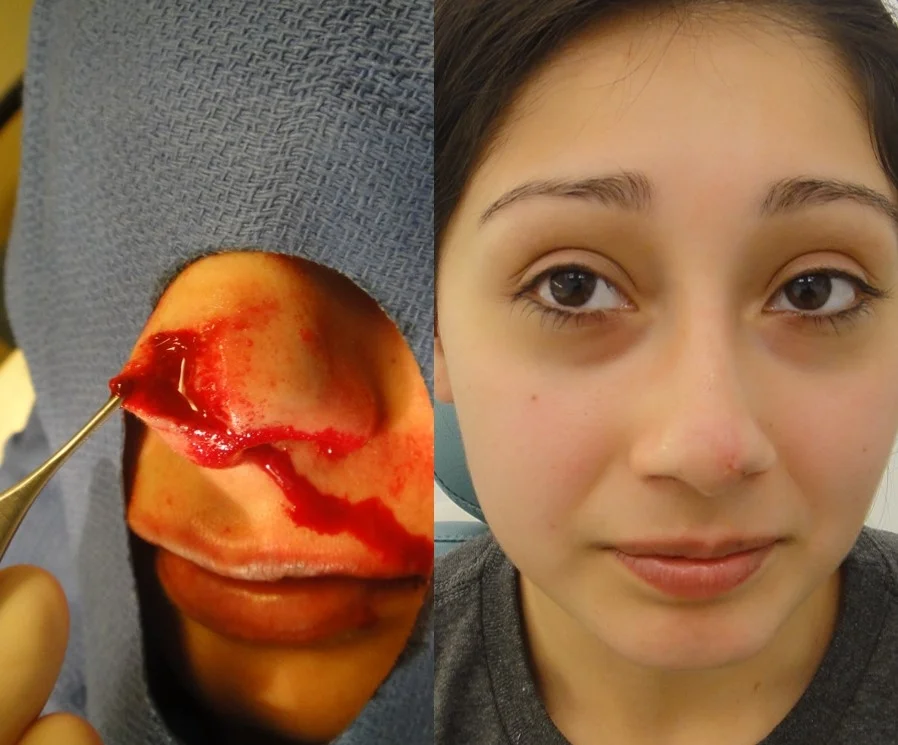
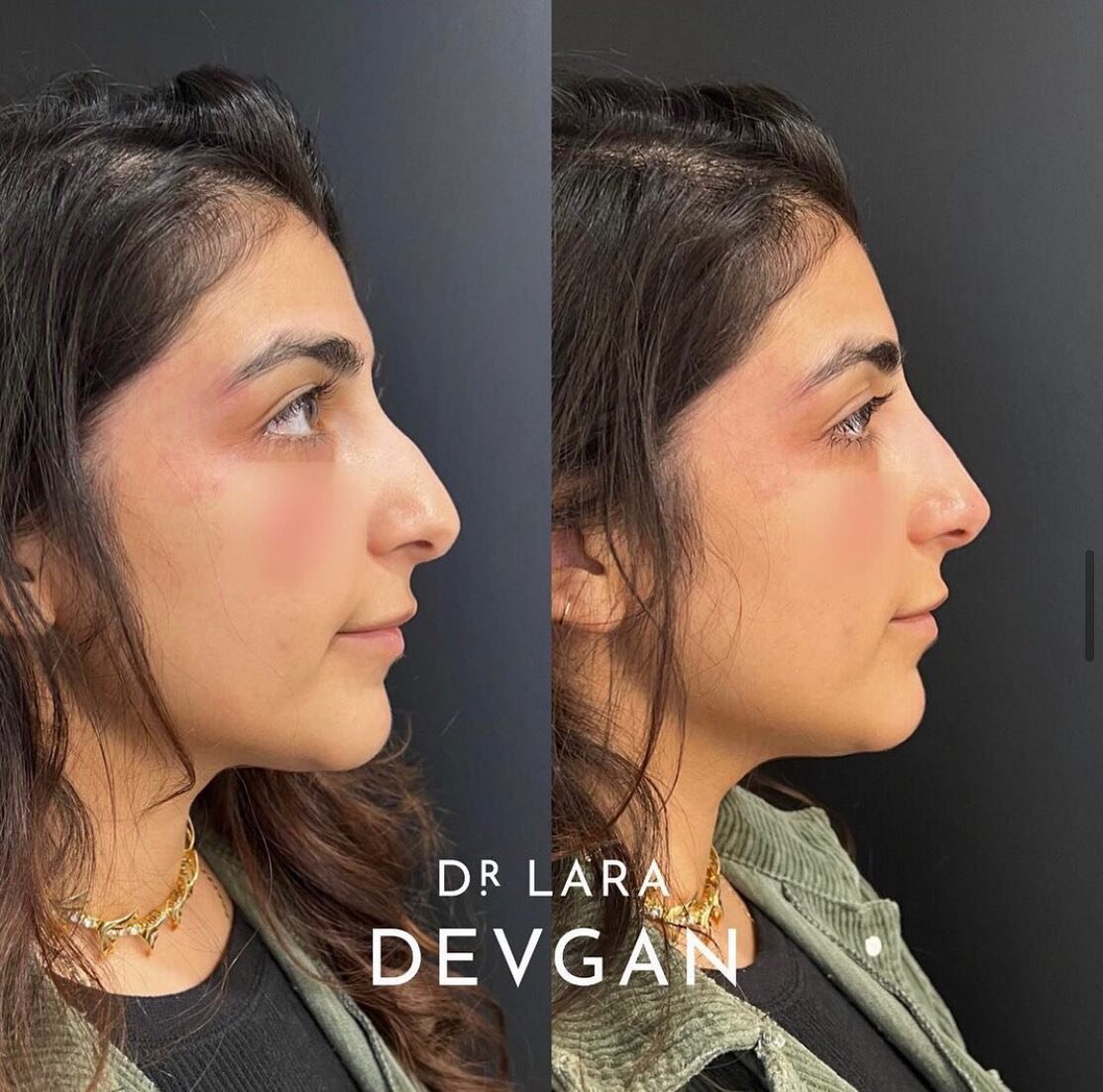
Actual patient of Dr. Devgan, before and after reconstructive nasal surgery

Actual patient of Dr. Devgan, before and after reconstructive nasal surgery

Actual patient of Dr. Devgan, before and after reconstructive nasal surgery

Actual patient of Dr. Devgan, before and after reconstructive nasal surgery

Actual patient of Dr. Devgan, before and after reconstructive nasal surgery

Actual patient of Dr. Devgan, before and after reconstructive nasal surgery

Actual patient of Dr. Devgan, before and after reconstructive nasal surgery

Actual patient of Dr. Devgan, before and after reconstructive nasal surgery

The nose is the center-most point of the face, and injuries to the nose can alter one's entire perception of facial balance and attractiveness. If you have a broken nose, with or without an overlying soft tissue injury, careful anatomic alignment of the nasal bones, septum, paired upper lateral and lower lateral cartilages, and skin envelope are critically important.

When I am addressing a traumatic nasal injury, I use the same type of anatomic analysis and meticulous surgical technique that I use when I am performing a cosmetic rhinoplasty or nosejob. While reconstructive nasal surgery is about returning a person to their baseline and cosmetic nasal surgery is about improving their appearance, both types of operations hinge on good surgical technique and sound planning.

If you have a nasal concern-- whether it is a broken bone, a soft tissue trauma, or an aesthetic complaint-- please feel free to contact my office at 212-452-2400 or office@LaraDevganMD.com.

The spectrum of eye rejuvenation: from injections to surgery

Actual patient of Dr. Devgan, before and immediately after injectable tear trough filler.

Actual patient of Dr. Devgan, before and immediately after injectable tear trough filler.

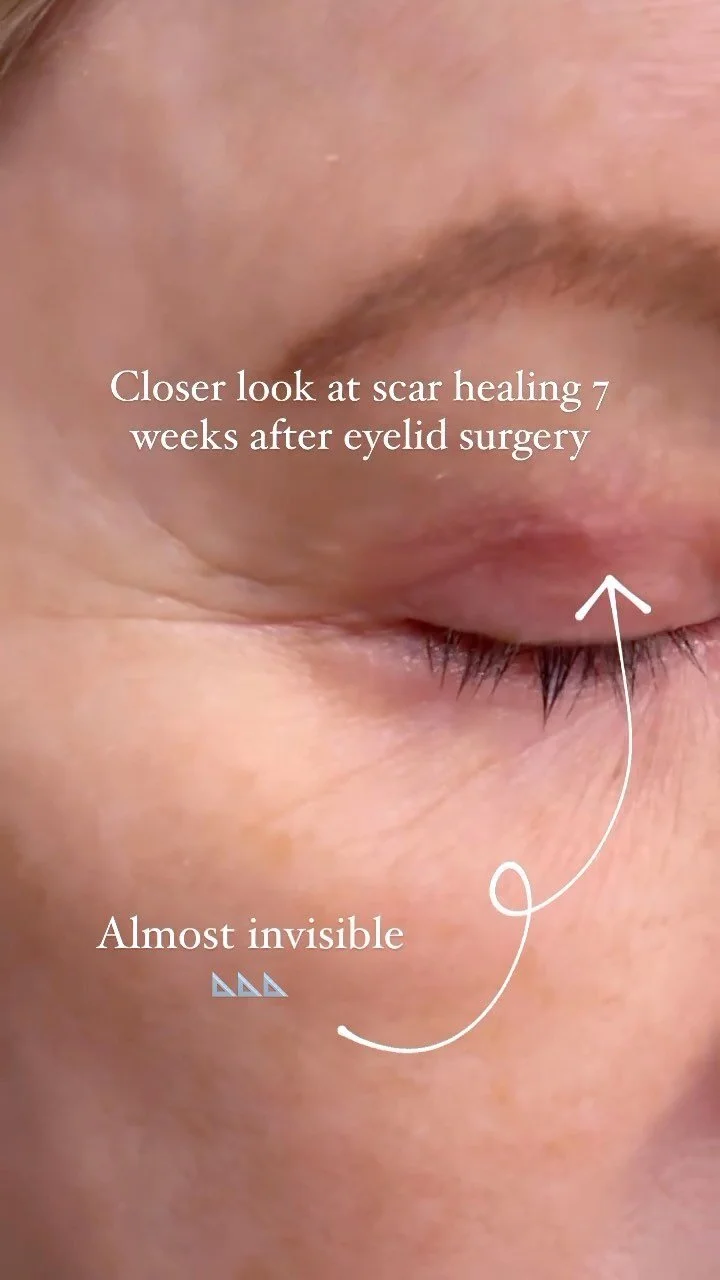
Actual patient of Dr. Devgan, before and 2 weeks after upper and lower eyelid blepharoplasty.

Actual patient of Dr. Devgan, before and 2 weeks after upper and lower eyelid blepharoplasty.

The eye area has the thinnest skin on the body, and for this reason, the periorbital area is one of the first places where the face shows its age.

There are a variety of options to rejuvenate the eyes, depending on your anatomic characteristics, expectations, downtime, and budget. The two principle options are injectable rejuvenation and surgery.

Injectable Eye Rejuvenation

Injectable rejuvenation of the eye area focuses on use of Botox to soften crows feet (the wrinkles on the lateral aspects of the eyes) and filler to soften tear troughs, dark circles, and hollowing under the eyes.

The main advantages of injectable eye rejuvenation are that it is fast, easy, minimally invasive, and has little downtime. The entire procedure takes under 15 minutes in most cases, and it can be done wide awake, with many patients returning immediately back to work.

The main disadvantage of this approach is that it is temporary and results are not quite as good as those that come with surgery. Botox lasts 3-4 months, and tear trough fillers last 1-2 years in most cases. For tear trough filler in particular, the injected material serves to blend and camouflage signs of aging, rather than definitively correcting excess skin or puffy fat pads.

Surgical Eye Rejuvenation

Surgical rejuvenation of the eyes is called upper eyelid and lower eyelid blepharoplasty. These operations involve using hidden incisions to definitively correct signs of aging around the eyes, such as excess folds of skin, puffy bags (fat pads), and hollowing.

The main advantage of blepharoplasty is that it is the gold standard, most effective way of treating periorbital aging. Results are very durable and long-lasting, and patients tend to be very happy.

The main disadvantages of surgery are the downtime, invasiveness, and expense associated with it. But for those who can accept these limitations, surgery creates a superior aesthetic result.

Dr. Devgan featured in The Guardian's New Documentary Series on the female body

I was honored to be invited to discuss labiaplasty in The Guardian's new documentary series on the female body. Created by Emmy-winning producer Mae Ryan and brilliant data journalist Mona Chalabi, this project, entitled The Vagina Dispatches, is a long-overdue look at the things we don't know about the female body-- sponsored by one of the world's great news organizations, The Guardian. In this episode, I discuss labiaplasty, which is one of the fastest growing plastic surgery procedures in America and one of the most popular operations in my practice. 

Click to watch The Guardian's documentary, Vagina Dispatches, Episode 1. Dr. Devgan's interview begins at minute 6:18.

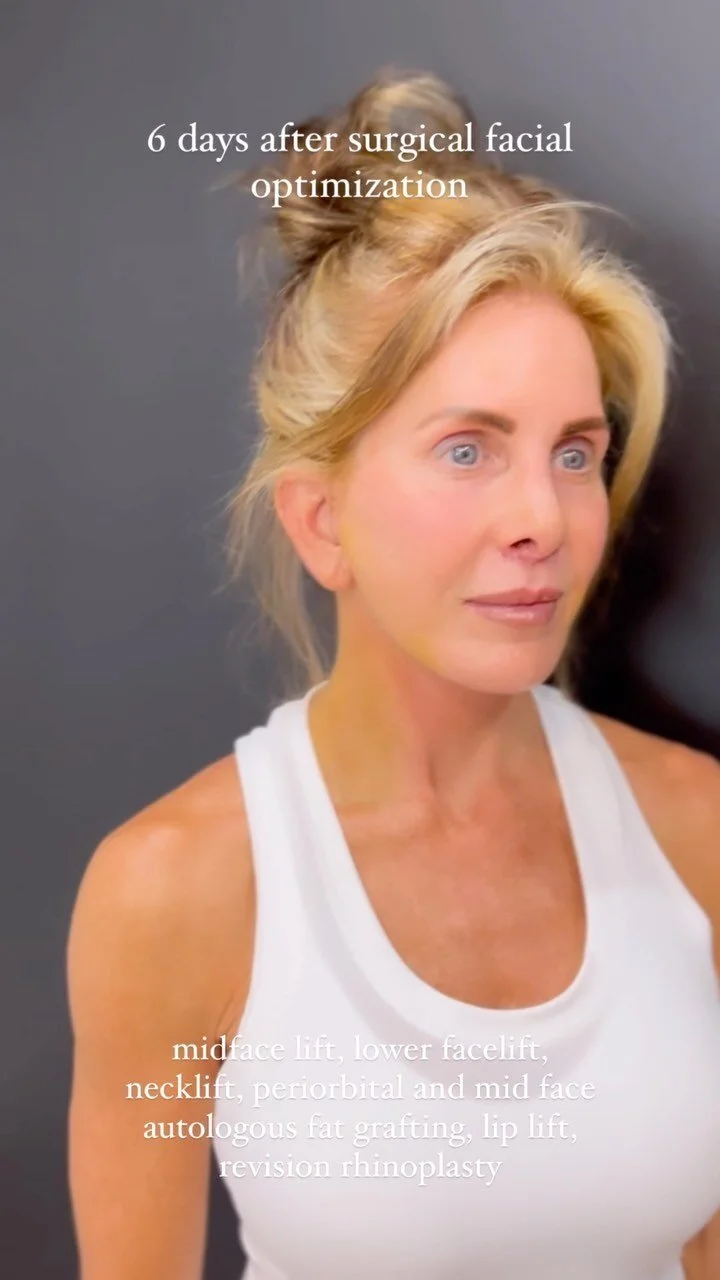
The key to a modern facelift and necklift

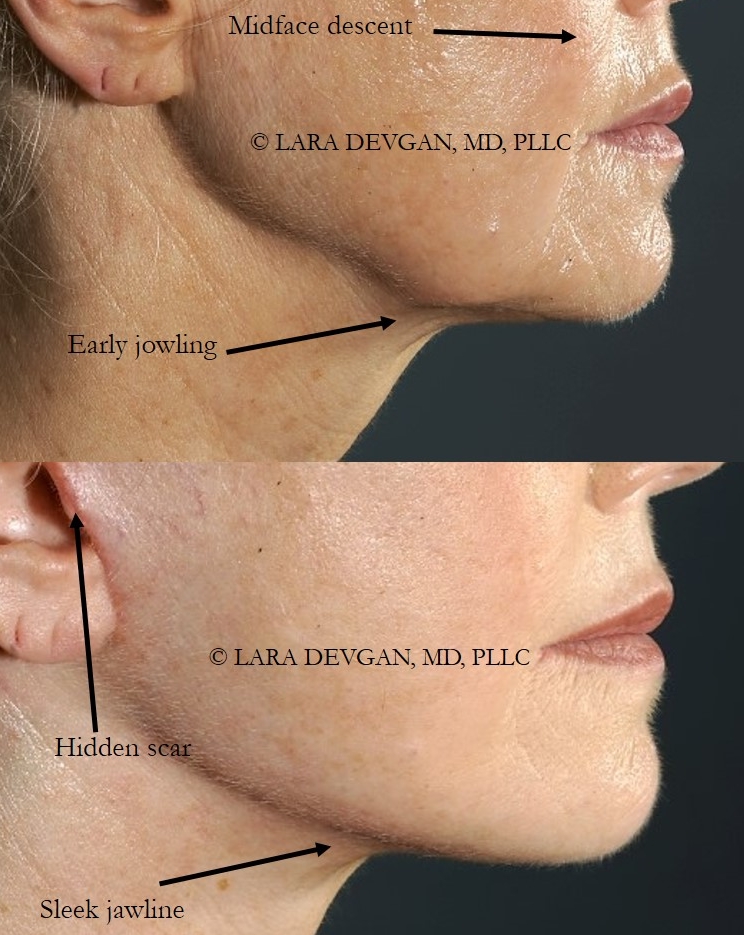
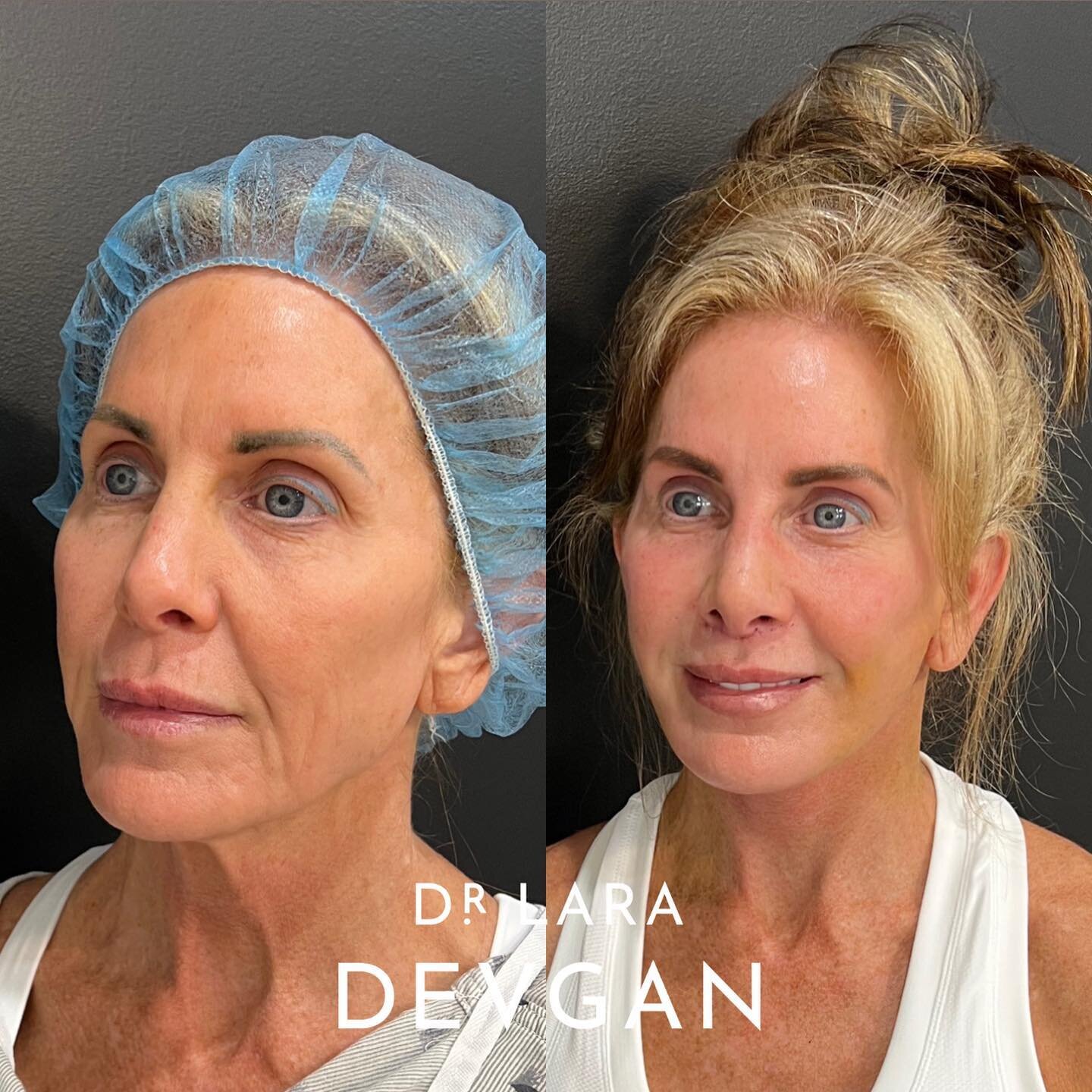
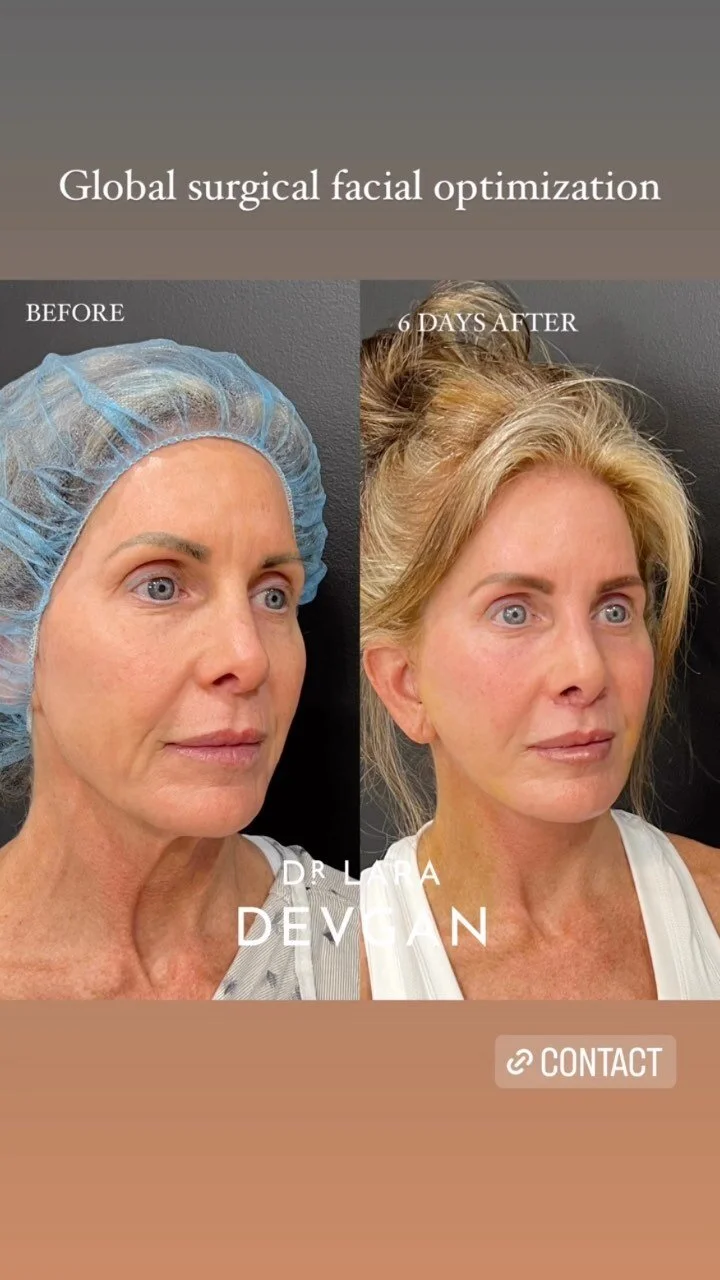
Actual patient of Dr. Devgan, before and after facelift (short-scar approach).

Actual patient of Dr. Devgan, before and after facelift (short-scar approach).

Actual patient of Dr. Devgan, before and after facelift and necklift (short-scar approach) with fat grafting.

Actual patient of Dr. Devgan, before and after facelift and necklift (short-scar approach) with fat grafting.

Facelift and necklift are two of my favorite plastic surgery procedures. The face and neck are not only the seat of identity and beauty, but they contain some of the most complex anatomy and delicate tissues on the human body.

When I am addressing the concerns of a patient interested in rejuvenation of an aging face or neck, there are a few key questions that I ask myself to help me achieve natural, beautiful, and durable results:

  1. What are the major issues that are concerning the patient? These could be fallen cheeks, jowls, deep wrinkles, neck bands, excess skin, or any combination of the above.
  2. What are the patient's tissues like? This is an assessment of skin type, complexion, thickness, sebaceousness, tendency toward scarring, and ability to heal.
  3. What are the unique anatomic characteristics that make this patient's face and neck different? Everyone has a set of qualities that give a sense of identity to their features. This could be deep set eyelids, prominent cheekbones, a beauty mark, or a baseline asymmetry-- really anything that makes you look like you.
  4. In what way does the patient's overall medical status impact the proposed operation? Major medical problems, allergies, connective tissue issues, use of certain medications like steroids, and substance use all impact my operative decision making, before, during, and after surgery.

From a surgical standpoint, the major differentiating factor between a modern facelift or necklift and the old-fashioned, pulled, tight, shiny, windblown look of Park Avenue in the 1990s is a deliberate treatment of the skin and substructure of the face as two separate anatomic planes. The SMAS (muscular substructure layer of the face) and the skin (the overlying covering) must be addressed separately and systematically in order to achieve a beautiful results.

For questions about facelift and necklift, please contact my office at office@LaraDevganMD.com or 212-452-2400.