Do I Look Like a Surgeon? #internationalwomensday

Dr. Lara Devgan in the operating room.

Dr. Lara Devgan in the operating room.

In honor of International Women's Day, we are reposting this personal essay by Dr. Lara Devgan that was originally published in Intima, Columbia University's Journal of Narrative Medicine.

Intima | Field Notes | Spring 2014

By Lara Devgan, MD, MPH, FACS

As a plastic surgeon, I am interested in how people look. Whether I am piecing together a fractured face or reconstructing a cancer-scarred breast, I am focused on appearance, symmetry, contour, and lines. I am always thinking about how our bodies are the physical manifestations of who we are.

What I am never thinking about is how that sentiment applies to me.

An intern and I recently rounded on a patient who had been admitted to the hospital with a hand injury by the on-call reconstructive surgeon the night before. I examined her, asked her a few questions, and told her about the next steps in her care. She waited for me to finish, then turned to my intern, seven years my junior and utterly inexperienced in reconstructive surgery, and said “What I really want to know is what you think.”

As he stumbled tentatively through his answer, I took a close look at him. Six foot three, blond, and in scrubs—he really did look like he was in charge.

* * *

Doctors are taught the importance of making a good first impression starting from our first days of medical school. We wear professional attire, make eye contact, and introduce ourselves. We say “please.” We put patients first. Yet there are aspects of a first impression that are not so easily taught and learned. Underneath our stethoscopes and surgical gowns, we are trapped in our bodies.

Researchers at Harvard have demonstrated that our looks may matter more in assessments of our competence than we may like to admit. In one experiment, college students were asked to anonymously evaluate professors after watching six seconds of silent video footage of them teaching. Their conclusions about the professors’ likeability and competence were essentially the same as a control group of students who sat in those professors’ classes for a full semester.1

Indeed, we live in a frustratingly perception-oriented society: A political candidate who is “babyfaced” is not only deemed less competent than his sterner-looking opponent, but he is also more likely to lose the election.2,3 An employee who is short earns an average of $789 less per year for every inch below average he stands.4 And an obese job applicant is not only rated less ambitious and determined than her normal weight counterparts, but she is also less likely to be hired.5

Even amongst surgeons, perceptions of competence can be wrong. A study at Baylor looked at how medical students performed on their surgery clerkships. There was absolutely no correlation between the students’ performance on written and oral exams and the ratings senior doctors gave their medical knowledge.6 It’s impossible to know what factors caused this discrepancy, but it forces us to ask ourselves: if it’s not knowledge that’s being assessed, then what is?

* * *

I, like almost every female surgeon I know, can remember being called “Nurse” instead of “Doctor” on the wards. Despite our white coats and nametags, we have been mistaken for secretaries, scrub techs, translators, and social workers—all valuable members of the health care field, to be sure—but none reflecting our actual identities.

It calls to mind the “Warren Harding error,” a misattribution of ability named after the handsome, tall, masculine ex-President who has become known as a famously incompetent American leader.7 If looking presidential earns the spoils of winning, does looking doctorly earn a referral?

My world view—and the world view of many others, I suspect—is governed by somewhat rigid archetypes. It’s easy enough for me to imagine what a kindergarten teacher or a police officer looks like. Why is a doctor any different? Yet the more rigid the archetype of what a doctor looks like, the more likely we are to get our judgments wrong.

The patient with the hand injury did fine. She had a team of well-trained people taking care of her, and she was discharged home uneventfully. But her impulse to rely on the intern was a faulty one.

First impressions do not convey enough information to evaluate a surgeon’s competence. Demographics are changing. A talented surgeon may look nothing like a Norman Rockwell painting, and her education, training, and surgical skills may not come across in the first six seconds.

References

1. Ambady N, Rosenthal R. Half a Minute: Predicting Teacher Evaluations from Thin Slices of Nonverbal Behavior and Physical Attractiveness. Journal of Personality and Social Psychology 64 (1993): 431-41. http://ambadylab.stanford.edu/pubs/1993Ambady.pdf

2. Todorov A, Mandisodza AN, Goren A, Hall CC. Inferences of competence from faces predict election outcomes.Science. 2005 Jun 10;308(5728): 16236. https://psych.princeton.edu/psychology/research/todorov/pdf/Todorov_Science2005.pdf

3. Zebrowitz LA, Montepare JM. Psychology. Appearance DOES matter. Science. 2005 Jun 10;308(5728):1565- 6.http://www.brandeis.edu/departments/psych/zebrowitz/publications/PDFs/2000+/Zebrowitz_Montepare_2005.p df

4. Judge TA, Cable DM. The Effect of Physical Height on Workplace Success and Income: Preliminary Test of a Theoretical Model. Journal of Applied Psychology 89, no. 3 (June 2004): 428- 441. http://www.ncbi.nlm.nih.gov/pubmed/15161403

5. Larkin, J. C., Pines, H. A. (1979) No fat persons need apply: experimental studies of the overweight stereotype and hiring preference. Social Work Occupations 6: 312–327. http://wox.sagepub.com/content/6/3/312

6. Awad SS, Liscum KR, Aoki N, Awad SH, Berger DH. Does the subjective evaluation of medical student surgical knowledge correlate with written and oral exam performance? J Surg Res. 2002 May 1;104(1):36- 9.http://www.ncbi.nlm.nih.gov/pubmed/11971675

7. Malcom Gladwell, “Blink,” New York, NY: Little, Brown, and Company, 2005: 72-98.

Click to read this piece in Intima.

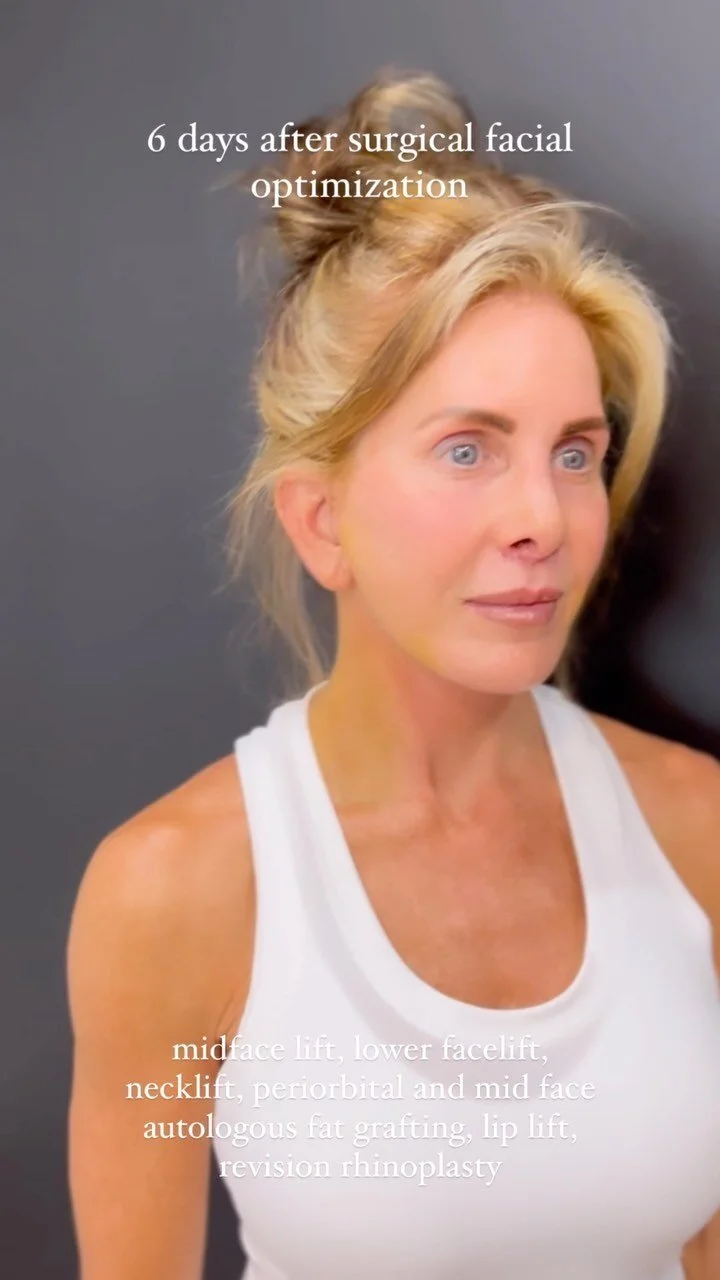
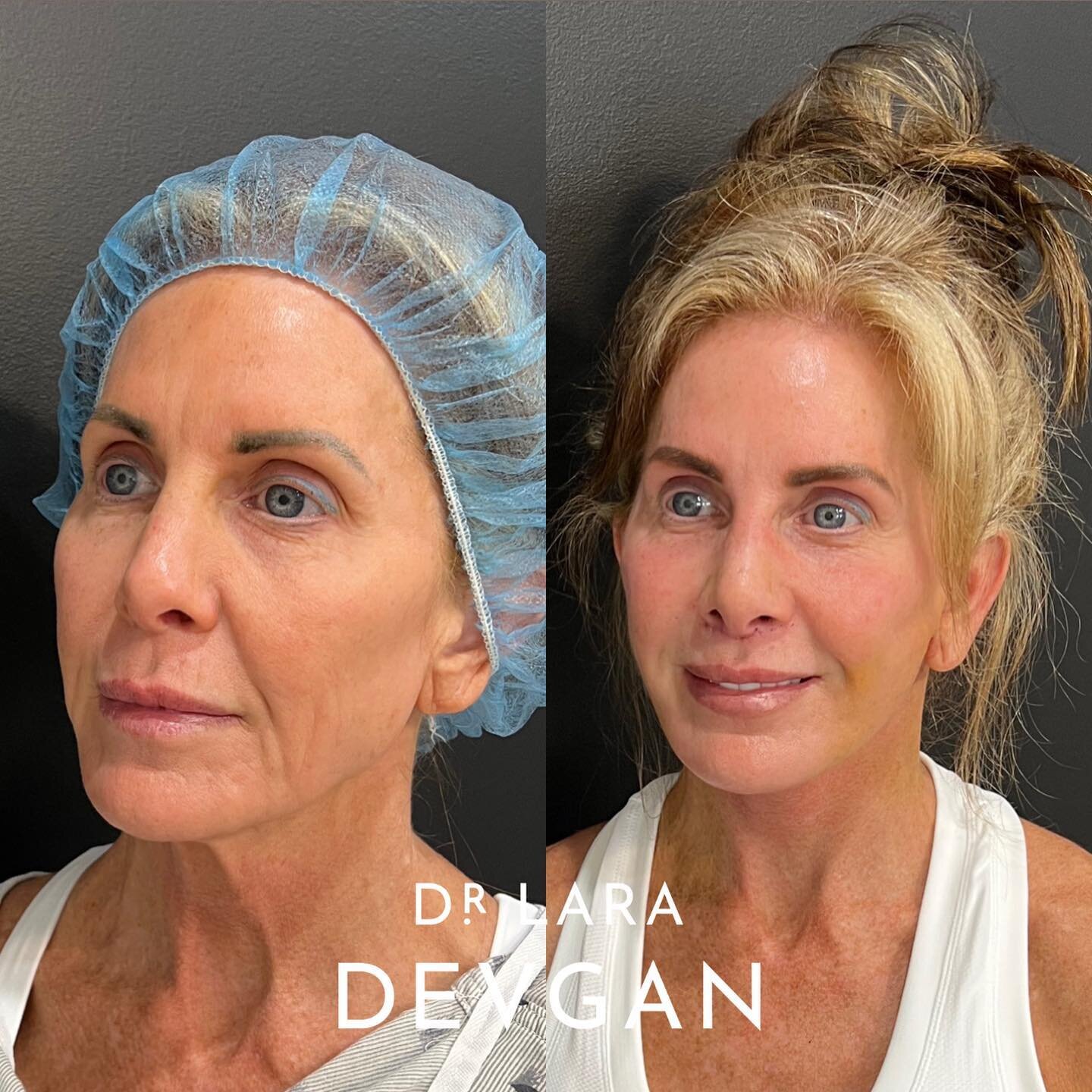
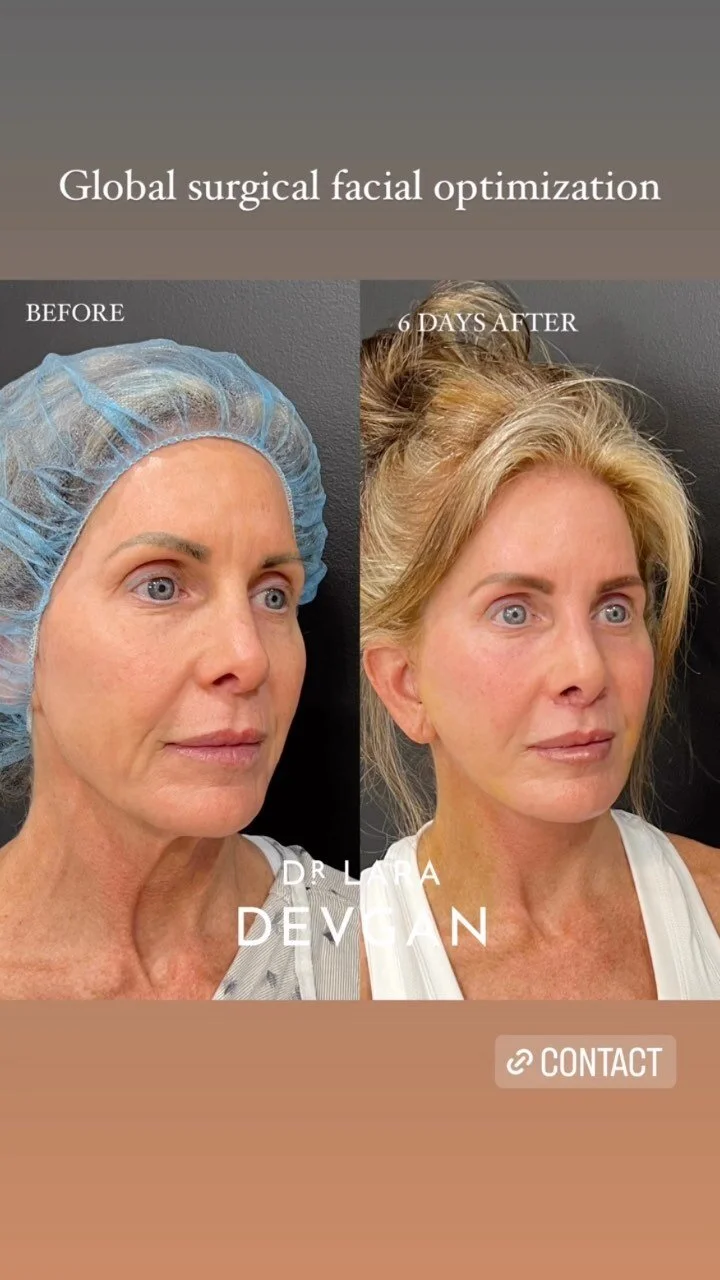
Dr. Devgan's Signature Short Scar Facelift & Necklift

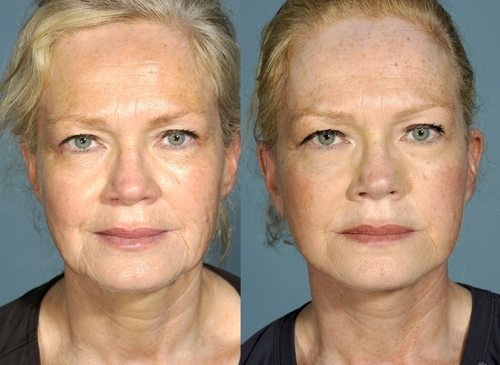
Actual patient of Dr. Devgan, before and after short scar facelift & necklift

Actual patient of Dr. Devgan, before and after short scar facelift & necklift

What is a facelift and a necklift?

A facelift is a surgical procedure that restores a patient's aging bone structure, particularly the neck, jaw, and cheeks. Dr. Lara Devgan focuses on lifting the muscular structure of the face in order to rejuvenate the patient's youthful facial features in a natural, subtle way. While a facelift and necklift are similar procedures in regards to surgical incisions and maneuvers, a necklift focuses on the neck to target unwanted loose skin and neck bands, which significantly improves the jawline and neck appearance. 

Actual patient of Dr. Devgan, before and after short scar facelift & necklift

Actual patient of Dr. Devgan, before and after short scar facelift & necklift

Who is a candidate for facelift and necklift?

Anyone experiencing facial aging with mid-face descent or laxity, excess skin, or hanging tissue is a candidate for a facelift or necklift. This surgery is for anyone who is not feeling as refreshed as they once did. Dr. Lara Devgan has performed facelifts on patients ranging in age from mid-30s to 80s. Therefore, a facelift is truly dependent on the patients' perceptions and goals.

What is the surgery like?

The surgery lasts approximately 2 hours and the patient is under IV sedation. After the surgery, patients wear a head wrap for 24 hours and are okay to shower the following day. Sutures remain in place for 1 week and patients have social downtime of 1-2 weeks. Additionally, exercise is not permitted for 4-6 weeks. Patients do not experience much pain; often patients only take pain medication for the first night after surgery.

For more information about this procedure, please call our office at 212-452-2400 or email office@LaraDevganMD.com.

Actual patient of Dr. Devgan, before and after short scar facelift & necklift

Actual patient of Dr. Devgan, before and after short scar facelift & necklift

Our Favorite Products for Dry, Sensitive Winter Skin

Maintaining healthy, luminous skin in the throes of winter can seem elusive to many women. Exposure to harsh winds, biting cold, and exuberant indoor heating can leave your skin dry, flaky, and extra sensitive.  Dr. Devgan’s medical grade skin-care products provide a regular skincare regimen that will help your skin look radiant and healthy all year long. These are our top recommendations for hydrating, soothing, and protecting winter skin.

Preventing

Dr. Devgan’s unique Platinum Revitalizing Cleanser provides the foundation for healthy skin by preventing the buildup of oil and dirt, cleansing and invigorating skin, hydrating against the elements, and protecting against aging.  Using this face wash morning and evening creates a clean and protective base upon which to fortify skin to “battle the elements.”  Formulated by Dr. Devgan, this gentle daily cleanser contains a rich, anti-aging peptide complex with 11 botanical essential oils while hydrating the skin with essential anti-aging nutrients including Vitamins C & E.

Using a gentle cleanser in winter months (and really, year round) is an excellent way to rid the skin of impurities without making it dry and red.  Apply Platinum Revitalizing Cleanser over a wet face and work into a lather. Rinse with water and then pat dry. Use twice daily or as directed by a physician. An excellent cleanser ensures that your face is clean, free of impurities, and refreshed in the morning and before bed.

Protecting

In the winter, the sun does not hibernate -- nor do its UV rays.  Therefore, wearing sunscreen all year long is essential. Dr. Devgan’s Platinum SPF 45 Daily Tinted BB Cream not only protects the face from the sun, but also provides light daily coverage that matches any skin tone and gives a smooth, glowy finish. Platinum SPF 45 Daily Tinted BB Cream contains titanium, which has been scientifically proven to be the most effective physical sunscreen block in existence. Also, it contains the market’s most effective photostabilizer to significantly enhance broad spectrum sunscreen protection against UVA and UVB rays linked to sunburn and premature aging.

Apply to the face and neck, avoiding the eye area. Wait at least 30 minutes prior to sun exposure or as directed by physician. Reapply after prolonged physical activity, swimming or perspiring. This is an essential step for post-cleansed skin to provide light, natural coverage and ensure the skin is protected from the sun’s harmful rays. We suggest shying away from heavy, drying, full coverage foundations for daily use, as they can look flaky and cakey around dry areas of the skin and can go on the skin unevenly.

Replenishing

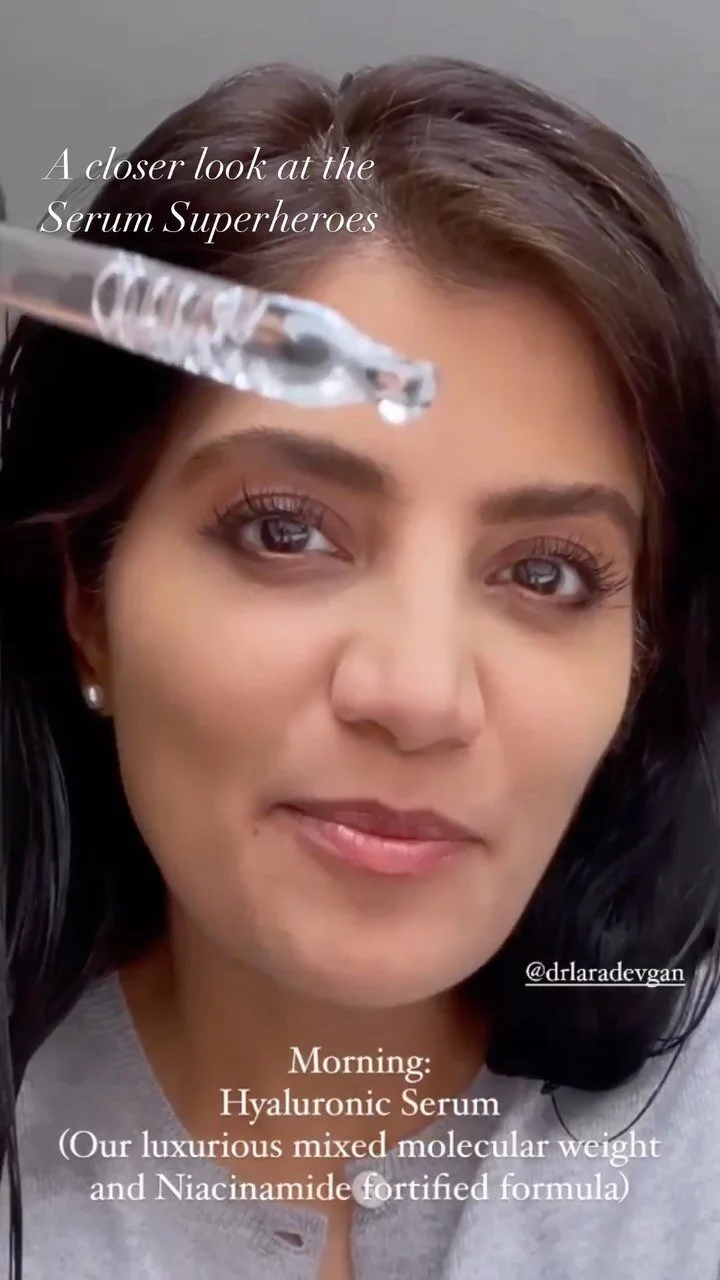
Replenishing your skin is essential to maintaining a healthy complexion. Dr. Devgan’s Platinum Hyaluronic Serum stimulates collagen and elastin production in order to replenish the properties the skin loses naturally. The serum contains hyaluronic acid, the substance found in dermal fillers like Juvederm and Restylane, and uses this to resurface and improve the quality of aging skin. 

Apply 4 to 5 drops onto fingers and smooth over face and neck, avoiding the eye area. Allow the product to absorb before applying additional products. The serum can be used twice a day or as tolerated. Replenishing the skin after cleansing the skin before applying makeup in the morning or before going to bed at night is vital to maintaining a luminous complexion.

Extra Replenishing (Especially After Treatments)

Winter weather challenges our skin but the most effective skin care interventions (including retinols, peels, lasers, and microneedling) can cause sensitivity, too, as the skin acclimates to them. Whatever the case may be, Platinum Recovery Cream is specifically designed to be used with medical-grade skin care to soothe, calm, and repair the skin.

Indulging in a skin intervention shouldn't mean you should have to compromise healthy, moisturized skin. This serum reduces inflammation by down-regulating signalling molecules including COX2, IL-1a, and IL-8.  Additionally, Platinum Recovery Cream helps restore the skin’s barrier function with concentrated coconut extract rich in Medium Chain Triglycerides. These ingredients ensure your skins stays hydrated and supple all season long.

Apply a generous amount to soothe irritated skin as needed. Allow to absorb before applying additional products. This serum can be used twice per day or as needed to soothe irritation. Regularly using an emollient moisturizer ensures that your skin doesn’t get dry or irritated from treatments/or outdoor elements.

While skin care routines may differ for each individual, Dr. Devgan’s wide variety of products can be tailored to fit into your beauty routine perfectly and give your winter worn skin a complete transformation. To learn more about Dr. Devgan Scientific Beauty and the products mentioned here, please visit our online shop.

6 ways to revive your tired eyes

An original (unfinished) painting made by Dr. Devgan at the Metropolitan Museum of Art, depicting the human eye.

An original (unfinished) painting made by Dr. Devgan at the Metropolitan Museum of Art, depicting the human eye.

Many of us experience signs of tiredness, age, and environmental damage around our eyes, especially because the delicate periorbital skin is the thinnest on the body. The good news is that protecting the tissues around the eyes can be fairly simple with these 6 key prevention strategies.

1. Stay well hydrated

According to the Mayo Clinic, the average adult should drink between 2.7 and 3.7 liters of water a day. During hot summer months or cold, dry winter months, insensible losses of water can make the skin dry and flaky. This leads to a dehydrated and wrinkled look of all tissues, and the skin around the eyes is especially susceptible. Carrying a bottle of water in your bag and making sure to have a large beverage with every meal are two strategies to remind yourself of the importance of adequate hydration.

2. Avoid rubbing and touching the eyes

Because the periorbital skin is so delicate, rubbing your eyes or chronically touching the skin around them can break tiny capillaries and cause micro-trauma to the skin. This can ultimately lead to increased darkness under the eyes and additional thinning of the skin. Try to avoid touching your face unless absolutely necessary.

3. Get adequate sleep

Most adults require 7-8 hours of shut-eye per night in order to be adequately rested. Chronic sleep deprivation can cause inflammation of the tissues around the eyes, which can contribute to a tired, aged appearance. We suggest planning enough time in your daily routine to allow your body to fully rest. This includes taking out your contact lenses if applicable, and minimizing "screen time" with electronic devices just before bed.

4. Invest in a quality eye cream

Dr. Devgan developed Platinum Eye Repair Complex to be the best medical-grade topical eye rejuvenation product on the market. "I created the eye cream that I always wanted for myself," she says. Platinum Eye Repair Complex is a proprietary blend of Vitamin K, Vitamin E, and nourishing peptides that:

  • Reduces dark circles and puffiness
  • Smoothes fine lines and wrinkles
  • Firms and tightens aging skin
  • Lightens and brightens aging skin
  • Reduces inflammation in the periorbital tissue
  • Decreases the formation of fine lines and wrinkles around the eye area by 45% through stimulation of extracellular matrix molecules
  • Promotes collagen growth on the cellular level, increasing the strength and flexibility of fragile capillaries

5. Consider injectable tear trough augmentation

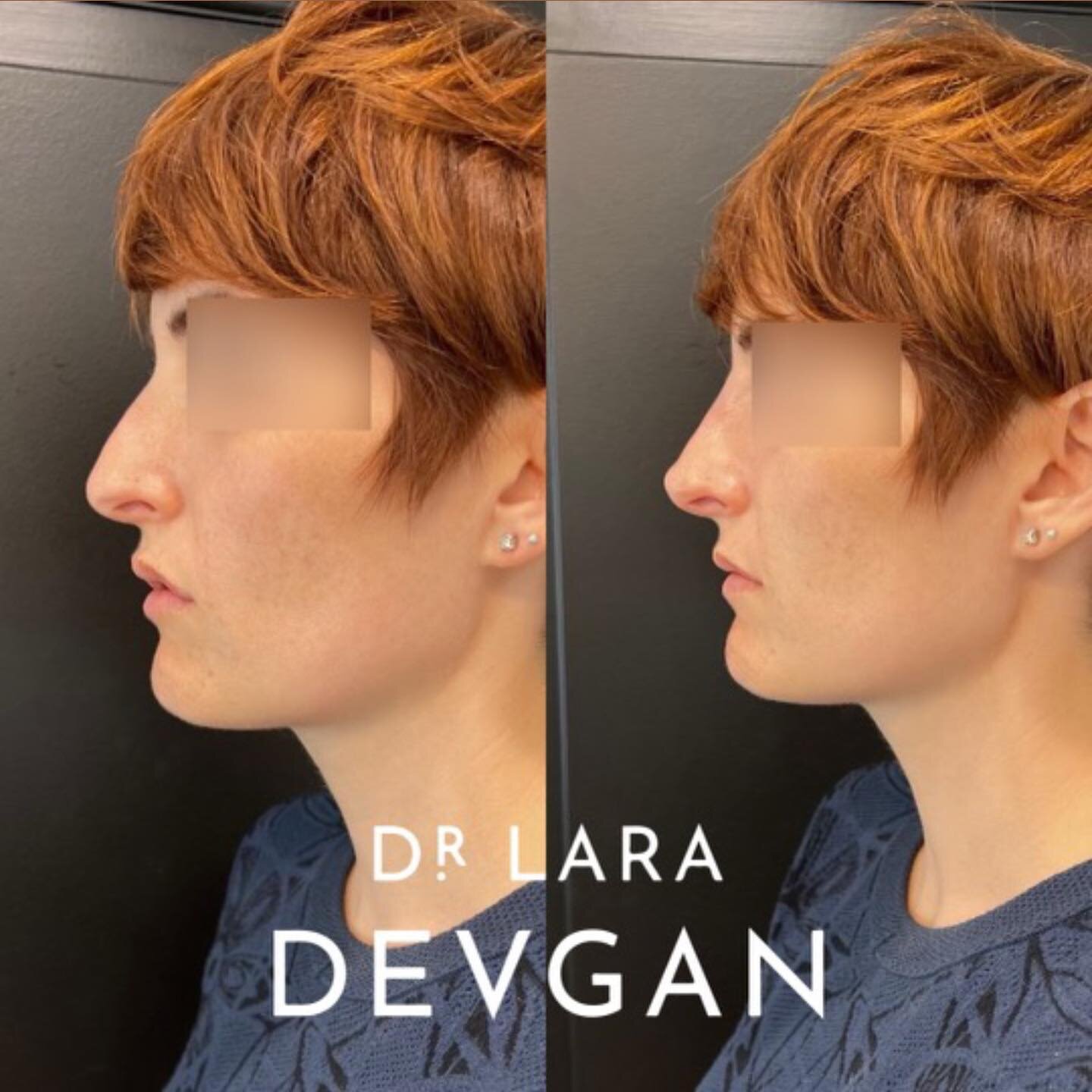
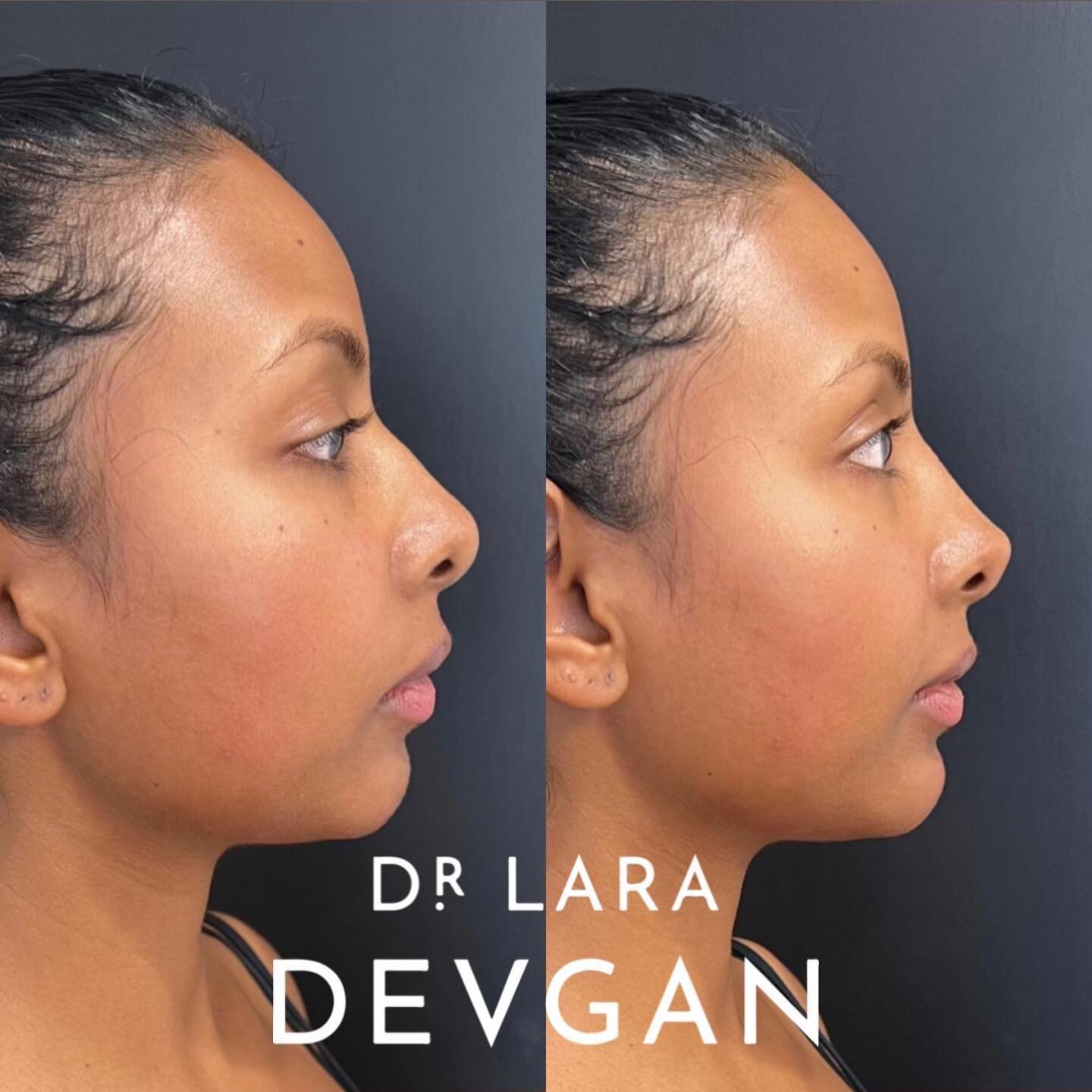
Tear trough augmentation is one of the most popular techniques in Dr. Devgan's practice. Tear trough augmentation refers to the process of using injectable hyaluronic acid based fillers, such as Restylane, Juvederm, Volbella, and Belotero to improve the appearance of hollowing and dark circles under the eyes. Dr. Devgan has developed her signature "Devgan Sandwich Technique" to ensure smooth, supple, and bright-eyed results for her patients.

Actual patient of Dr. Devgan, before and after tear trough augmentation

Actual patient of Dr. Devgan, before and after tear trough augmentation

6. Talk to a plastic surgeon about blepharoplasty surgery

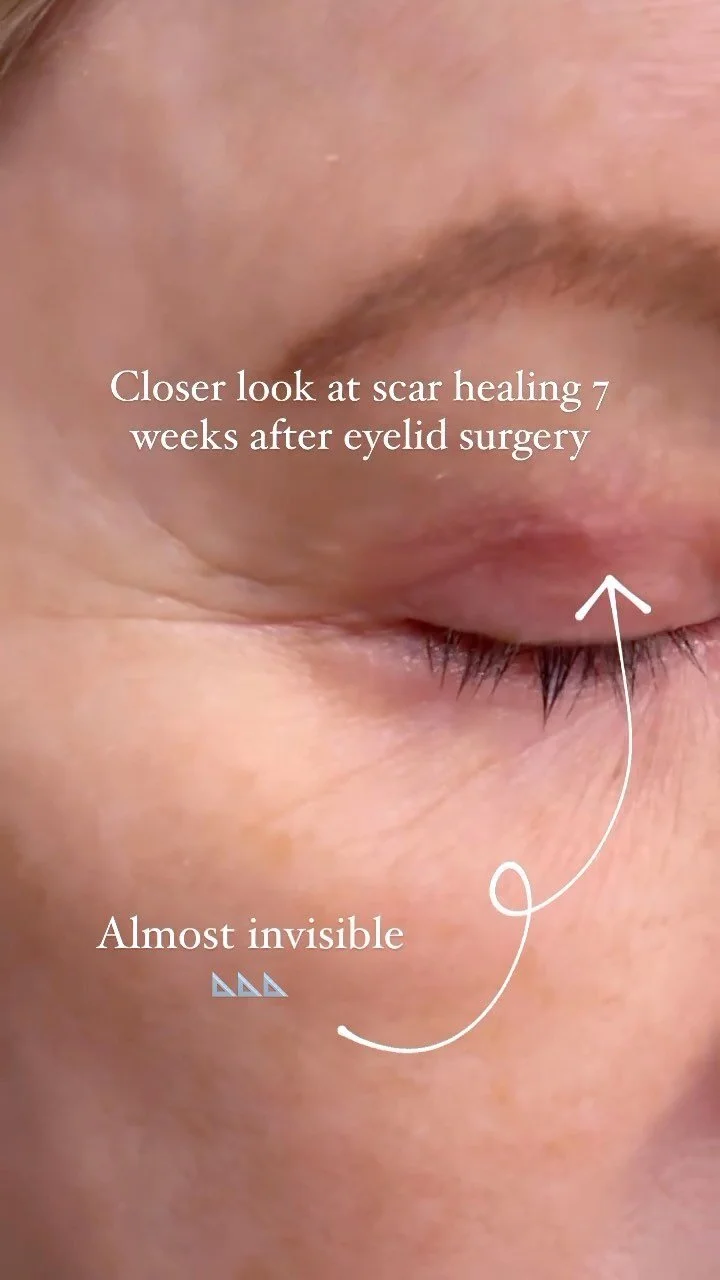
Blepharoplasty, or eye lift surgery, is one of Dr. Devgan's most popular surgical procedures, and a central focus of her practice. Blepharoplasty is the gold standard approach to addressing excess skin, puffiness (herniated fat pads), and orbital hollowing. Surgery takes 30-70 minutes, and social downtime is approximately 1-2 weeks. Dr. Devgan has specialized techniques for hiding and minimizing scars to allow her patients to have beautiful, natural results, without obvious signs of surgery.

Actual patient of Dr. Devgan, before and after upper and lower eyelid blepharoplasty surgery.

Actual patient of Dr. Devgan, before and after upper and lower eyelid blepharoplasty surgery.

To learn more about any of these approaches, or to see Dr. Devgan as a patient in her New York City private practice, please email office@LaraDevganMD.com or call 212-452-2400.