Dr. Devgan's approach to Facelift and Necklift Featured in Online Physician Journal Healio

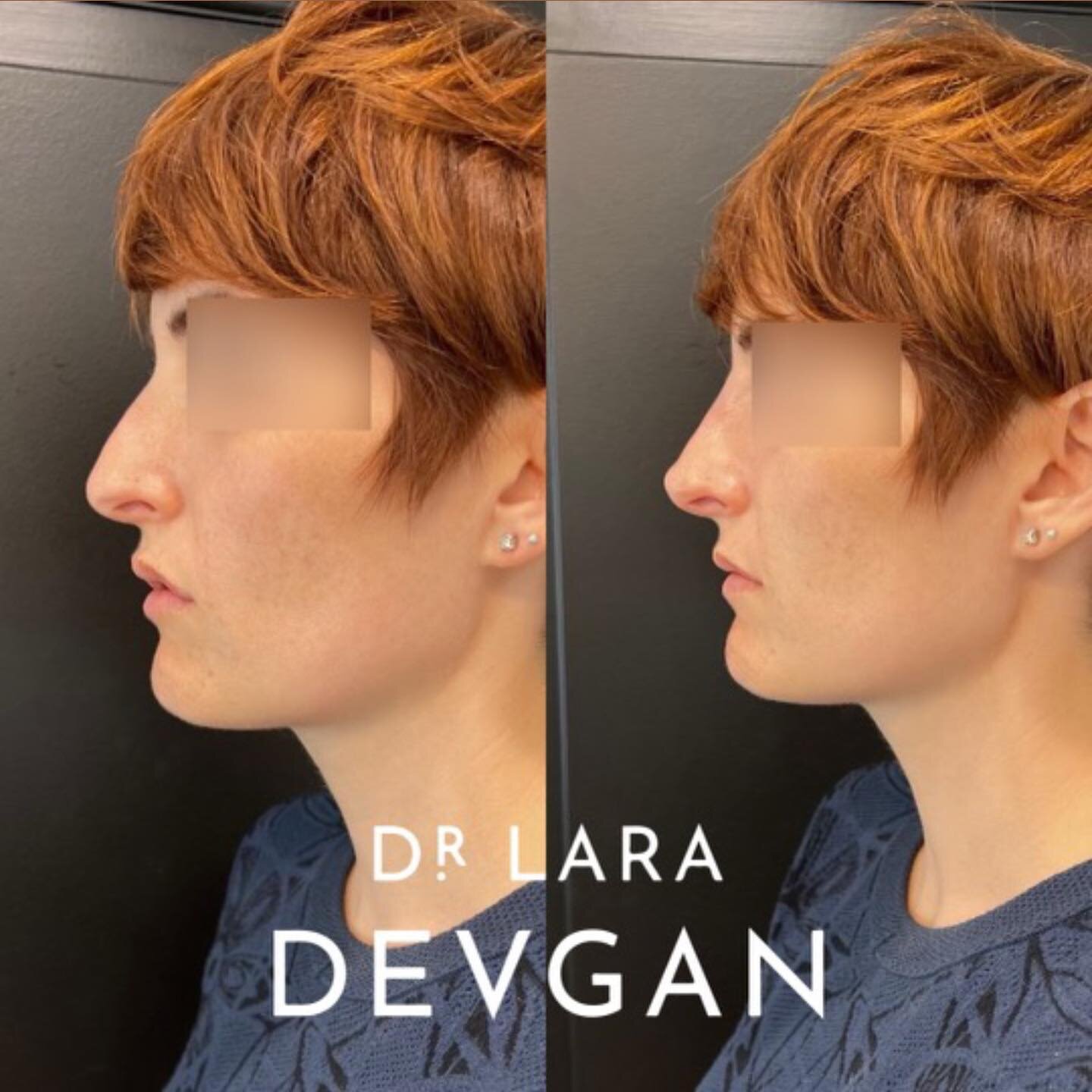
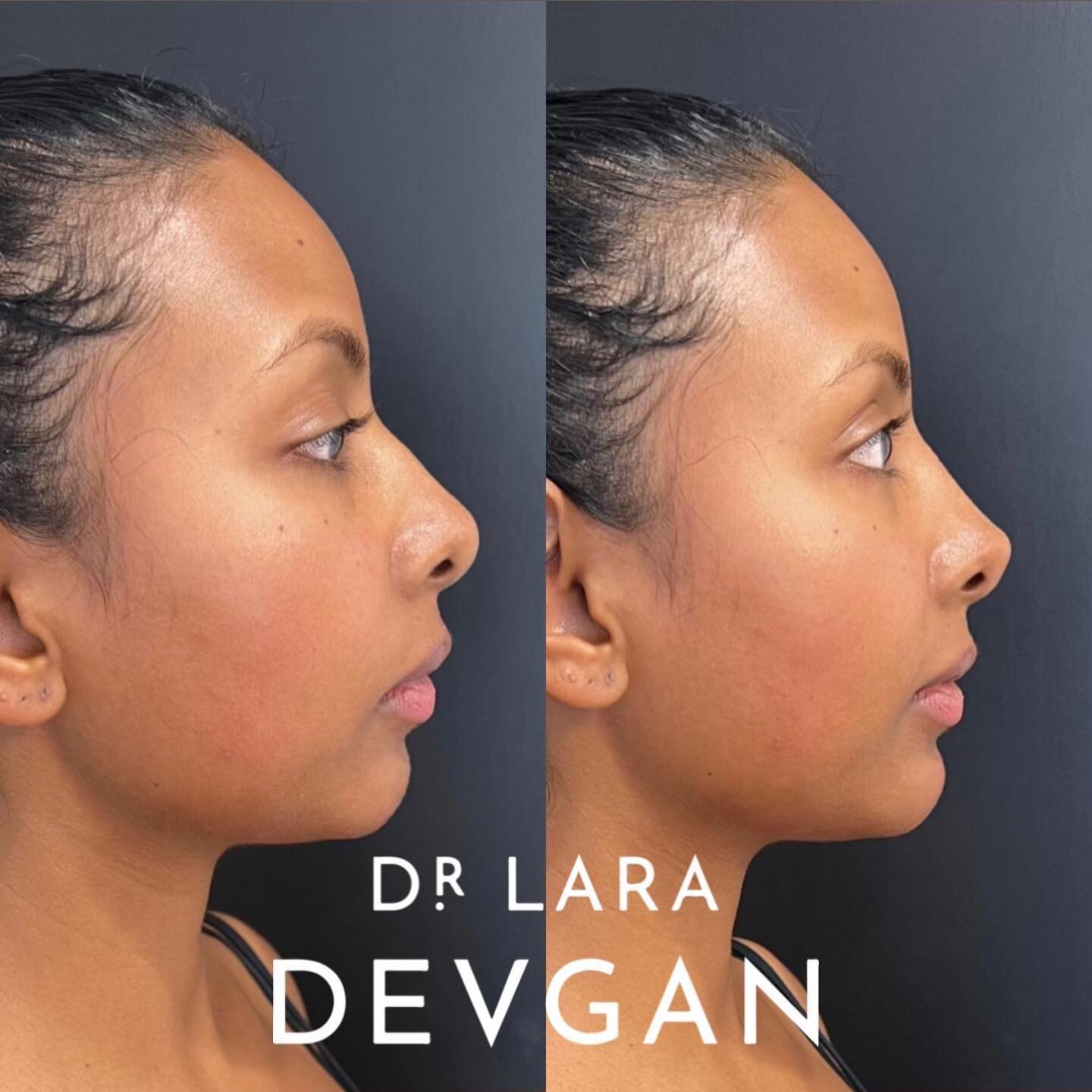
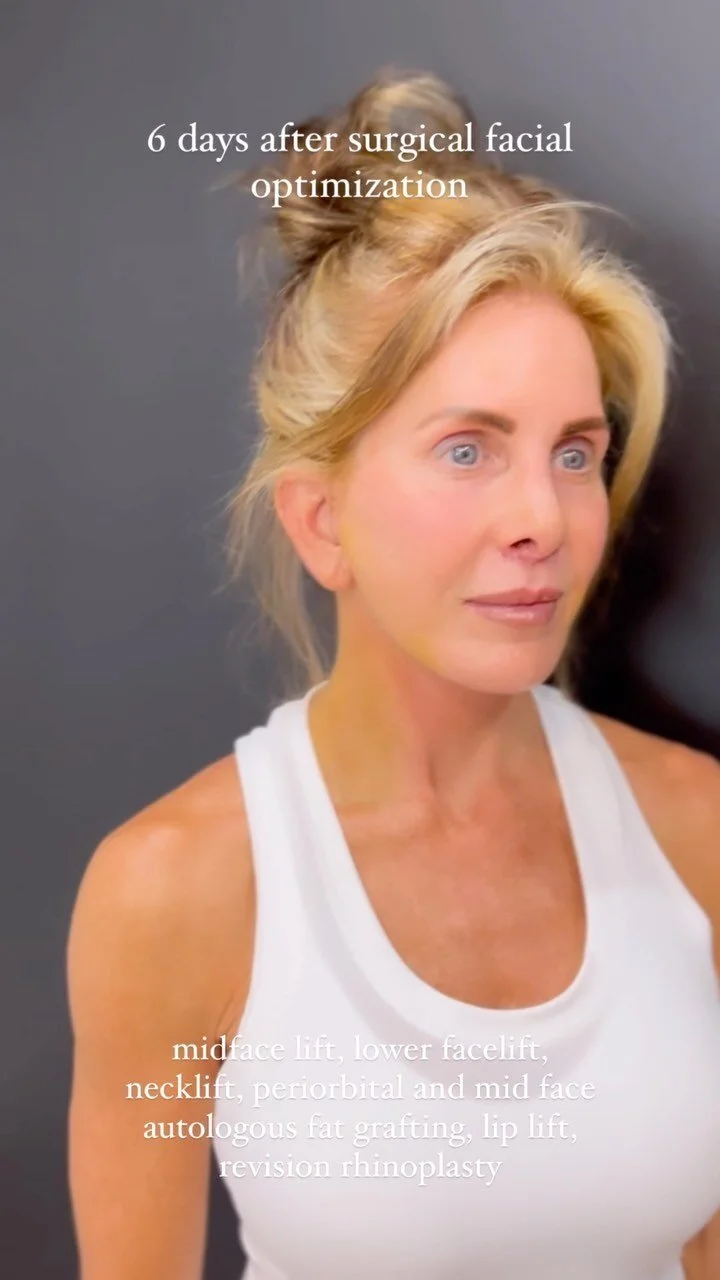
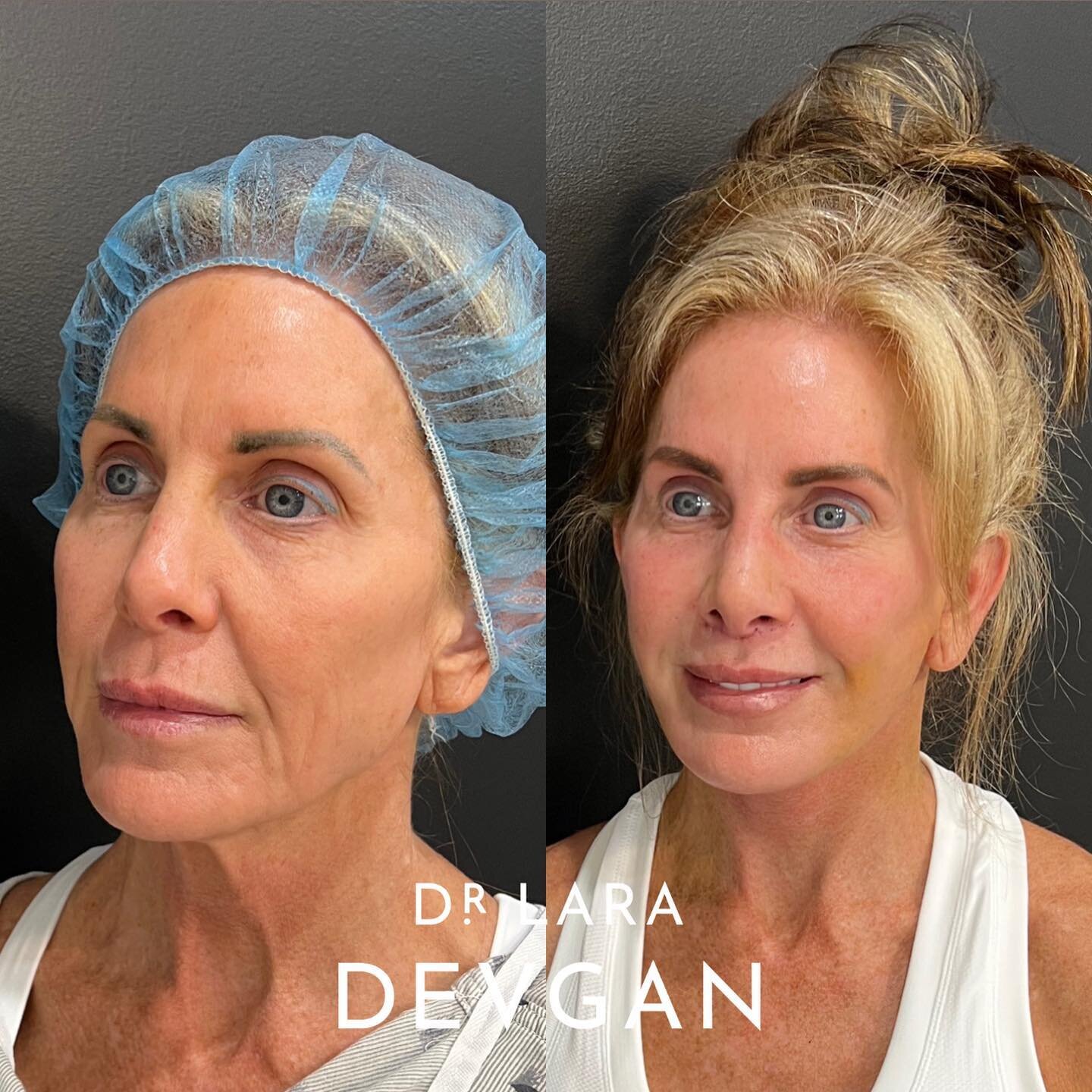
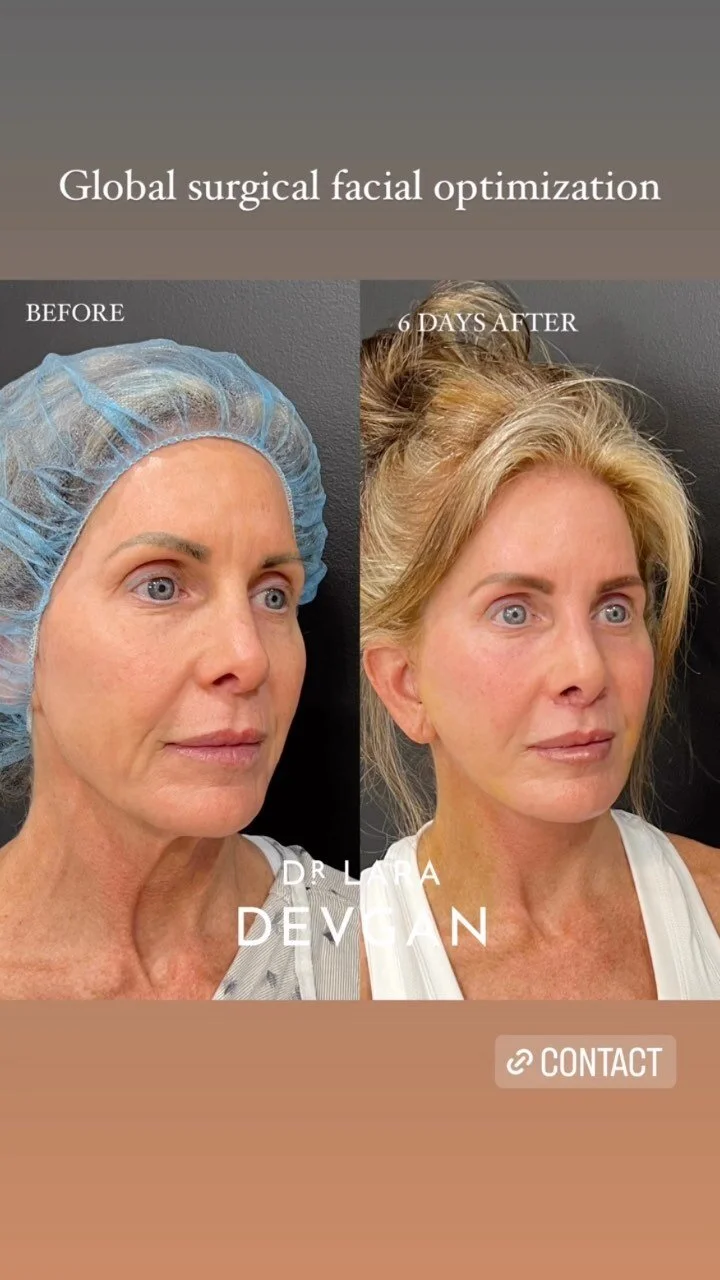
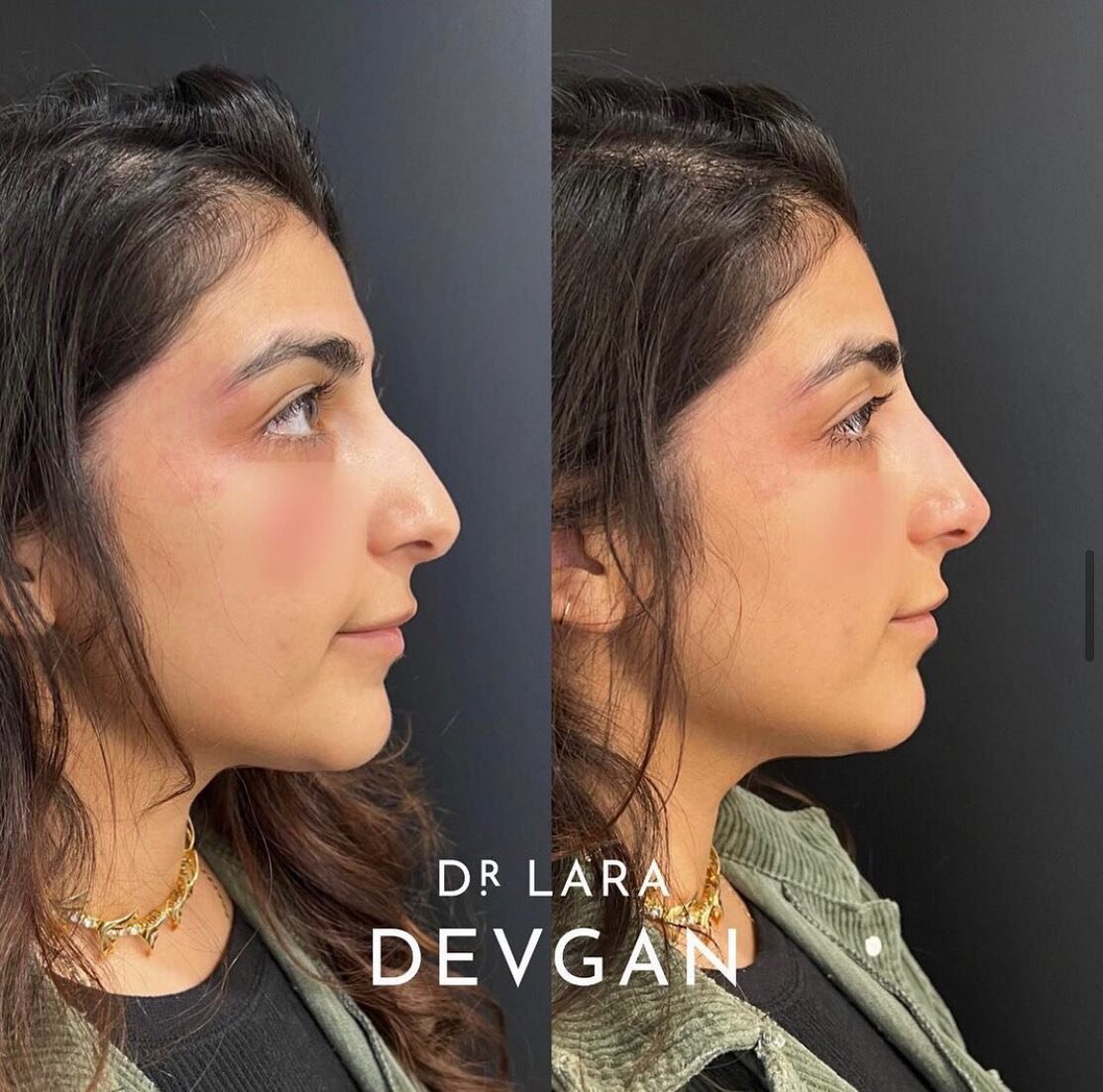
Actual patient of Dr. Devgan, before and after facelift
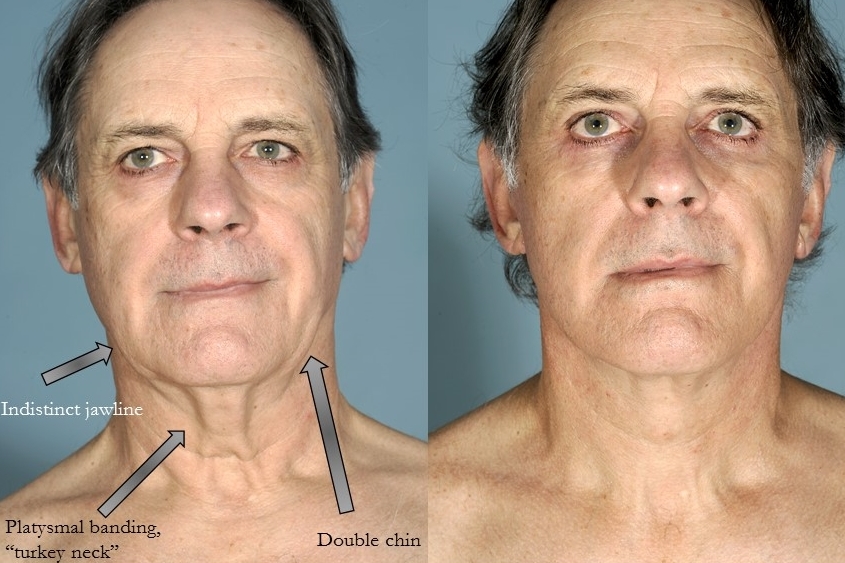
Actual patient of Dr. Devgan, before and after facelift

Actual patient of Dr. Devgan, before and after necklift

Actual patient of Dr. Devgan, before and after necklift

Facelift and necklift are my favorite, signature operations in my New York City plastic surgery private practice. While facelift and necklift are life-changing procedures with an extremely high degree of patient satisfaction, they are also a complex topic. This was an invited article for online physician magazine Healio.com about my systematic approach to facelift and necklift. The intended audience is medically oriented, so some portions of this article are more technical. -Dr. Devgan

A Systematic Approach to Natural Facelift & Necklift Results

by Lara Devgan, MD

As we age, our faces and necks begin to show it: tissues descend, skin becomes more lax, and the characteristic volume and shape of youth morphs into something else entirely.

Characteristics of a Youthful Face

In plastic surgery, we think of a young, attractive face as embodying the "inverted cone of youth," meaning that it has a heart-shaped appearance. The cheekbones are full, the jawline is sleek, and the chin comes to a soft point. There is a softness to the contours of a young face, as well. The lid-cheek junction underneath the eyes is smooth. The lips are plump. The cheeks form a gentle S-curve when viewed in three-quarters view.

Changes Related to Aging

Over time, typically in the fourth or fifth decade of life, the "inverted cone of youth" becomes more of a square. The face loses its upper volume and begins to develop jowls, thickness around the jawline, and laxity in the neck. The lid-cheek junction becomes more pronounced and under-eye circles look hollow and puffy, while upper eyelid skin becomes more droopy. The lips become thin and atrophic. The profile changes as the elegant angles of the neck become more obtuse.

Surgical Goals of a Facelift/ Necklift Operation

The overarching purpose of the facelift and necklift is to restore the  conformation, skin, and volume of an aging face. Surgically, this means that each one of these components must be addressed separately.

In previous eras, the facelift was an operation all about pulling tissues to a tight, taut, wrinkle-free position. In the modern era of plastic surgery, we think of the face and neck according to these composite parts.

Step 1: Addressing Facial and Neck Conformation

The key to improving the conformation, or shape, of an aging face and neck is in the muscular substructure of these areas. The SMAS (superficial muscular aponeurotic system) in the face and the platysma in the neck are responsible for the strength layer that holds the tissues where they are supposed to be. It is mandatory to address the SMAS and platysma in some manner in order to achieve durable facelift and necklift results. This can be accomplished via resection and plication or plication alone in patients with atrophic or thin faces.

Step 2: Addressing Skin Changes

Once the substructure of the face and neck has been tightened, the skin is gently redraped in order to determine the extent of skin redundancy that remains. It is important not to pull or yank the skin back in an effort to smooth out all wrinkles and pleats in the skin: that is what creates the artificial, pulled, wind-blown look associated with the 1980s and 1990s. A gentle redraping of the skin will allow excision of excess tissue, without putting tension on the incision lines, and without creating a overly "done" appearance.

Step 3: Addressing Volume Loss

The most important change in facelifting techniques in the past decade is the wide acceptance of fat grafting or injectable filler as a needed adjunctive procedure. The areas of the face that experience volume loss-- the cheeks, the tear troughs, the nasolabial folds, and deep facial rhytids throughout-- require augmentation in order to restore the appearance of a youthful face. Fat grafting is a durable, reliable technique for accomplishing this goal. For those who prefer a more controlled, though temporary, approach, hyaluronic acid based fillers like Juvederm, Voluma, and Restylane are good options.

Putting It All Together

Every plastic surgical procedure must, of course, be individualized to the particular patient's anatomic situation and aesthetic concerns. When rejuvenating the face and neck, it is important to evaluate aging of the eyes, brow, and lips, as well as the quality of the skin overall, as these factors will make a measurable impact on the impression of an aging face. In my New York City based practice, it is common for patients to require a combination of procedures to address facial aging. When the patient's health status and the operation's anticipated anesthesia time allow, a combination procedure can yield extremely high patient satisfaction and beautiful, durable results.

For questions about this article, please contact Devgan via www.LaraDevganMD.com.

Click to read this article on Healio.com
Click to read this article on Healio.com

Safety in Plastic Surgery

My foremost concern as a plastic surgeon is the health and safety of my patients. Helping my patients look and feel their best is of course the heart of what I do, but safety always comes first. When becoming a physician, I swore to the Hippocratic Oath, to "first do no harm," and I live by that in my practice.

To that end, I have designed my New York City plastic surgery practice to be a safe, high-quality concierge experience for everyone involved. 

My office is a modern, state-of-the-art facility with a comfortable ambiance and sterile patient care areas. My operating room is nationally accredited and fully certified by the American Association for Accreditation of Ambulatory Surgical Facilities (AAAASF), with all of the safety features, medications, and life-support found in a hospital. The entire operating facility is powered by a backup power generator.

All of my nursing staff is trained, accredited, and certified in Advanced Cardiac Life Support and extremely familiar with the protocols involved in elective plastic surgery.

I only use a board-certified anesthesiologist to monitor my patients, never a nurse anesthetist, and never sedation performed by a less qualified individual.

Every patient receives a personal call from me the night after surgery. In addition, each surgical patient receives my personal cell phone number for direct access to me 24/7.

All of my patients' post-operative care is included in their surgical fees, and I am committed to ensuring that each person will receive the type of special attention that I myself would want if in their shoes.

While it may sound financially appealing to have plastic surgery abroad or in a cut-rate environment, it is not without serious risks. Though it is important to take into consideration what any procedure is going to cost, it is more important to know the safety policies of a surgeon and his or her clinic. Unfortunately, not all cosmetic clinics abroad adhere to the same firm safety standards as required in the United States, and not every plastic surgeon has the same dedication to safety above all else.

RESEARCH & QUESTIONS

When researching a plastic surgeon, ask the following questions:

  • Is the surgeon board certified?
  • Is the medical practice accredited or state licensed?
  • How frequently does the surgeon perform the procedure(s) you want?
  •  Are there before and after photos of this surgery done by the doctor you could see?
  •  What are the possible risks and complications for this surgery?
  •  How are these risks and complications resolved?
  • What are your options for anesthesia and who will provide the anesthesia? Are they board certified as well?
  • What is the recovery process?
  •  How many appointments will you have post-surgery?
  • What is the cost of the surgery? How does this cost compare to other equally qualified surgeons in your geographical area?

Please feel free to call my patient coordinator, Erica, at 212-452-2400, or email her at erica@LaraDevganMD.com for more information about me and my practice.

Non-surgical eye rejuvenation

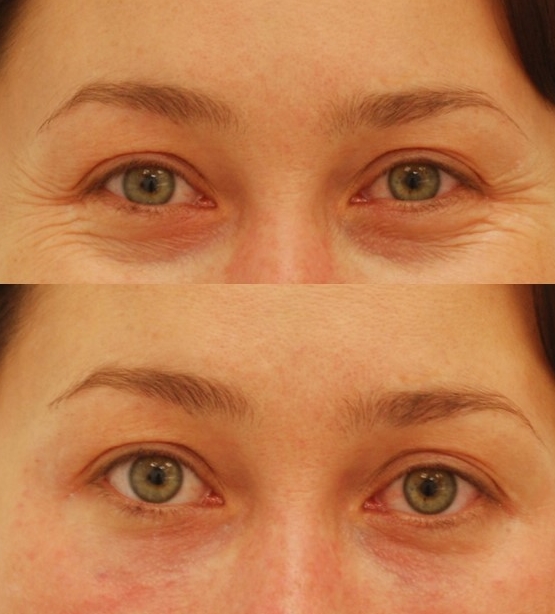
Actual patient of Dr. Devgan, before (above) and after (below) Botox injection for crows feet and Juvederm filler injection for tear troughs (under eye dark circles).

Actual patient of Dr. Devgan, before (above) and after (below) Botox injection for crows feet and Juvederm filler injection for tear troughs (under eye dark circles).

This actual patient of mine is pictured before and after Botox to smooth out her crows feet and Juvederm to lessen the dark circles and tear troughs under her eyes. With this 10-minute non-surgical procedure, she looks younger, fresher, and more alert. 

Blepharoplasty (eye lift surgery) is actually the gold standard approach to rejuvenation of the eyes-- but this patient is young with good tissue elasticity and preferred a quicker fix. In older patients with less elastic skin, surgery is definitely the way to go.

To get an unbiased recommendation tailored to your unique anatomy, seek a practitioner who is capable of performing the full spectrum of plastic surgical and dermatological procedures. If you go to someone who only knows how to do injections, they won't have an incentive to tell you honestly when you would benefit from surgery. 

For a comprehensive evaluation of everything from skin care to peels to injectables to surgery, call my New York City private plastic surgery practice at (212) 452-2400 or email office@LaraDevganMD.com.


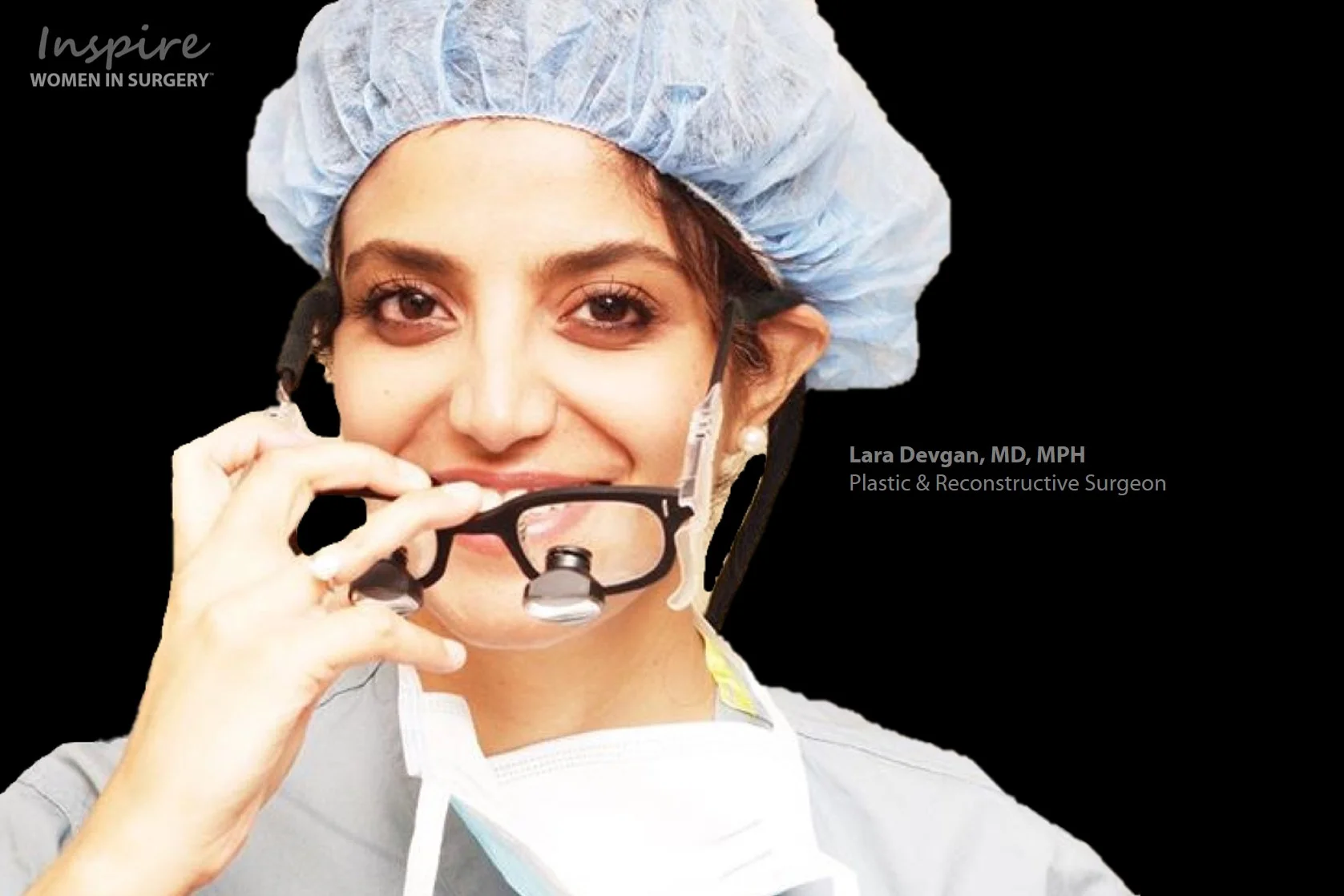
Dr. Devgan featured on Inspiring Women in Surgery: Faces of Surgery

Click to view Dr. Devgan's feature on Inspiring Women In Surgery.

Click to view Dr. Devgan's feature on Inspiring Women In Surgery.

I am honored to be featured on Inspiring Women in Surgery: Faces of Surgery, an online platform dedicated to motivating women to succeed in the male-dominated profession of surgery.

For years during my education and training, I wished that I had more female surgery mentors to model myself after. Now, I am trying to BE the role model I always wanted. Thank you Inspiring Women in Surgery for showing the next generation examples of how surgery is an equal opportunity field where the only thing that matters is being a good person who is good at your job.

I encourage you to look at this interesting page (linked above, by clicking on my photo) and read the stories of dozens of amazing women who work in all aspects of the field of surgery. There are many ways to contribute to the science and humanity of surgery, and the women featured on this page provide rich examples for anyone needing a bit of motivation and inspiration.


Gummy bear breast implants vs silicone implants: What do women in NYC prefer?

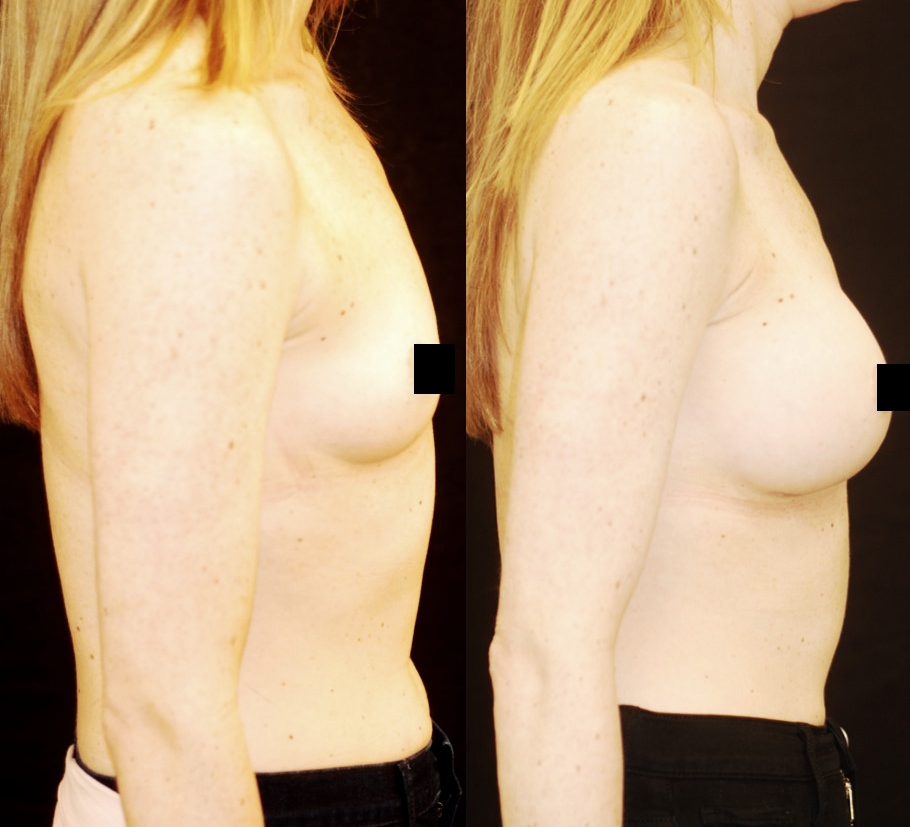
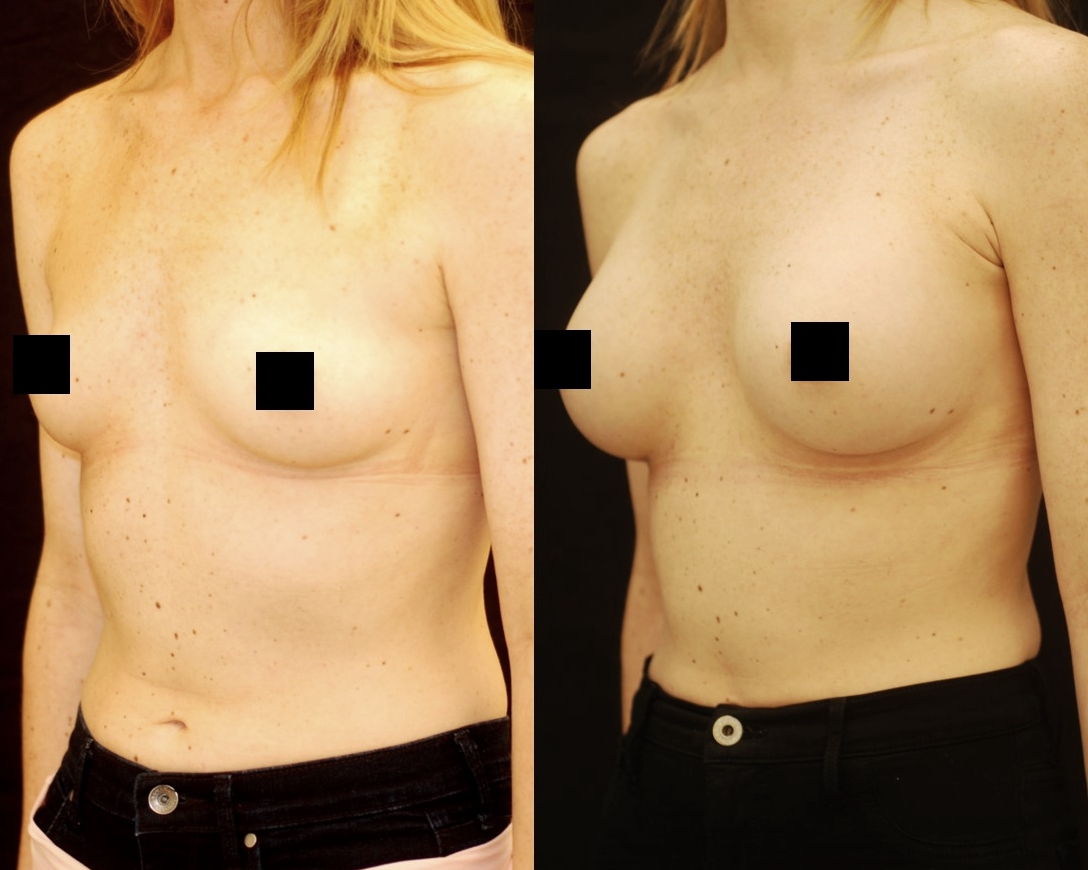
Actual patient of Dr. Devgan, before and after breast augmentation with highly cohesive gel silicone implants.

Actual patient of Dr. Devgan, before and after breast augmentation with highly cohesive gel silicone implants.

One of the big decisions with breast implants is what type of implants you will get. In this day and age, over 90% of the patients in my New York City private practice opt for silicone implants. This is because silicone implants tend to look and feel more natural than saline implants. In addition, in thinner women, silicone implants are less likely to demonstrate visible wrinkles or folds.

Within the category of silicone implants, women have the option of choosing "gummy bear" silicone or traditional highly cohesive gel silicone implants. Both types of implants have their advantages, and I am happy to accommodate my patients' preferences about implant type. However, overall, most women in New York City tend to prefer traditional highly cohesive silicone gel implants over gummy bear implants.

Gummy Bear Breast Implants

Gummy bear breast implants are form stable, meaning that, much like a gummy bear, if they are cut in half, they will keep their shape. Gummy bear implants can be round or shaped like a teardrop. They tend to be firmer and harder than traditional silicone implants. 

Traditional Highly Cohesive Gel Silicone Implants

Highly cohesive gel silicone implants also maintain their shape if cut in half, however, they are softer and more bouncy feeling than gummy bear implants. Women who have traditional silicone implants report that they feel like a soft, natural breast at a higher rate than women who have gummy bear implants.

Gummy bear implants versus silicone implants

Think of a gummy bear implant like a jelly bean and a traditional silicone implant like a cube of Jell-o. Both are soft. Both are form stable. Both will maintain their shape if cut in half. But a gummy bear implant will feel firmer and be less squeezable, while a traditional silicone implant will be softer and more pliant.

For this reason, most women in my practice (and most women surveyed overall) report a preference for traditional silicone implants.

If you have questions about breast augmentation surgery, including silicone, saline, or gummy bear implants, please feel free to contact my office on the Upper East Side of Manhattan at (212) 452-2400 or office@LaraDevganMD.com.

Actual patient of Dr. Devgan, before and after breast augmentation with highly cohesive gel silicone implants.

Actual patient of Dr. Devgan, before and after breast augmentation with highly cohesive gel silicone implants.

Actual patient of Dr. Devgan, before and after breast augmentation with highly cohesive gel silicone implants.

Actual patient of Dr. Devgan, before and after breast augmentation with highly cohesive gel silicone implants.

Actual patient of Dr. Devgan, before and after breast augmentation with highly cohesive gel silicone implants.

Actual patient of Dr. Devgan, before and after breast augmentation with highly cohesive gel silicone implants.

Actual patient of Dr. Devgan, before and after breast augmentation with highly cohesive gel silicone implants.

Actual patient of Dr. Devgan, before and after breast augmentation with highly cohesive gel silicone implants.