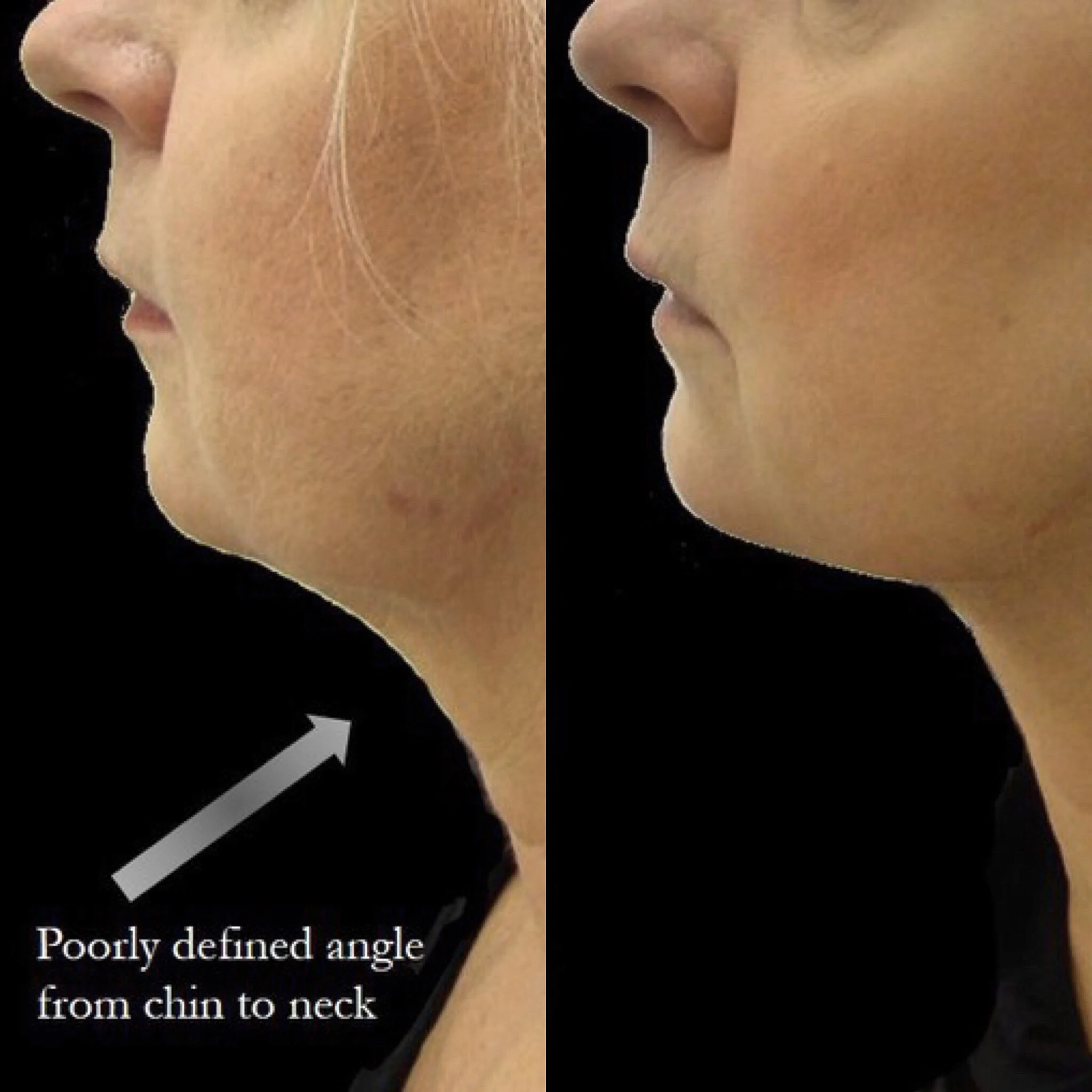
Submental liposuction: a powerful technique for getting rid of a double chin

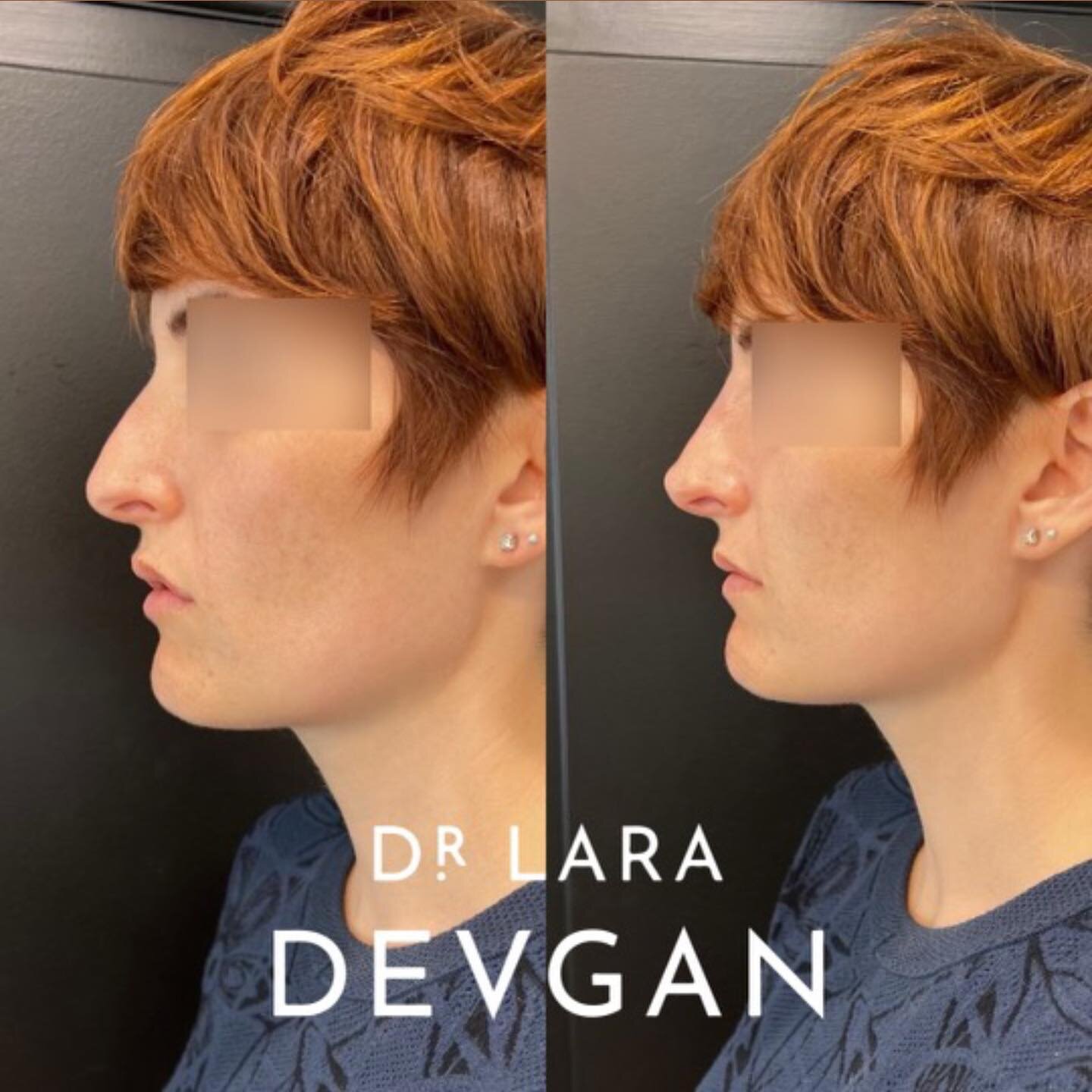
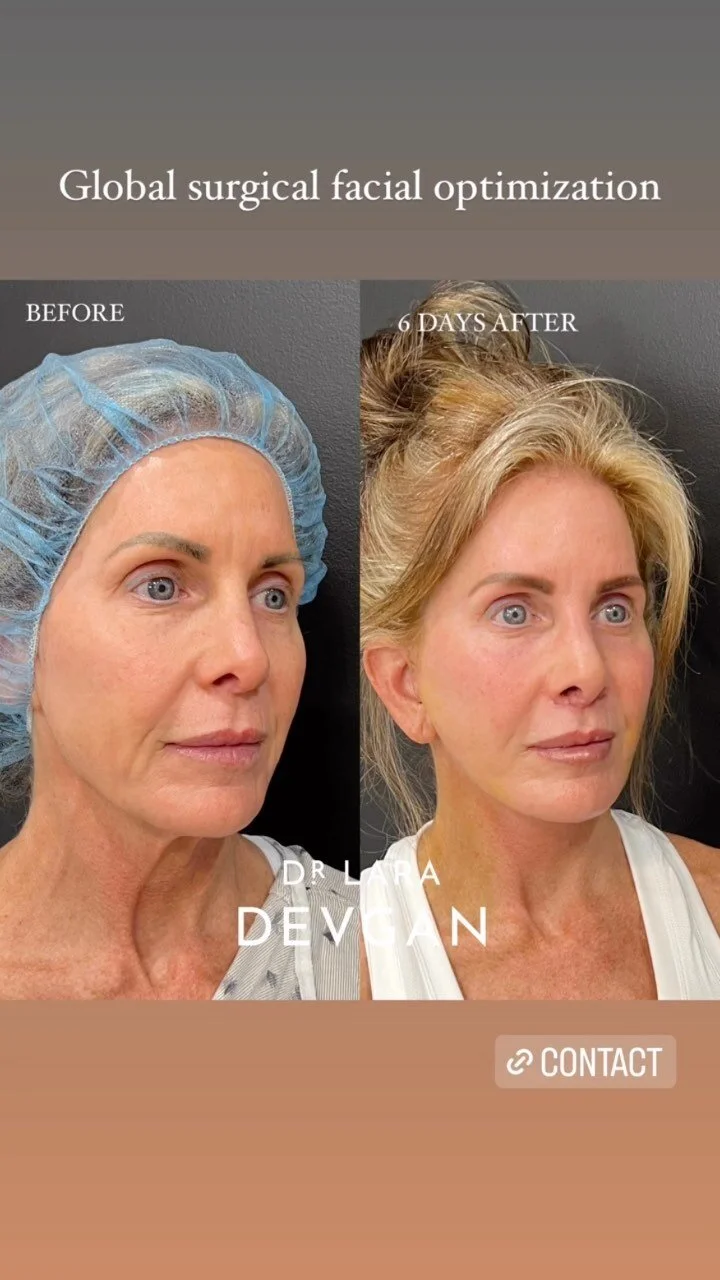
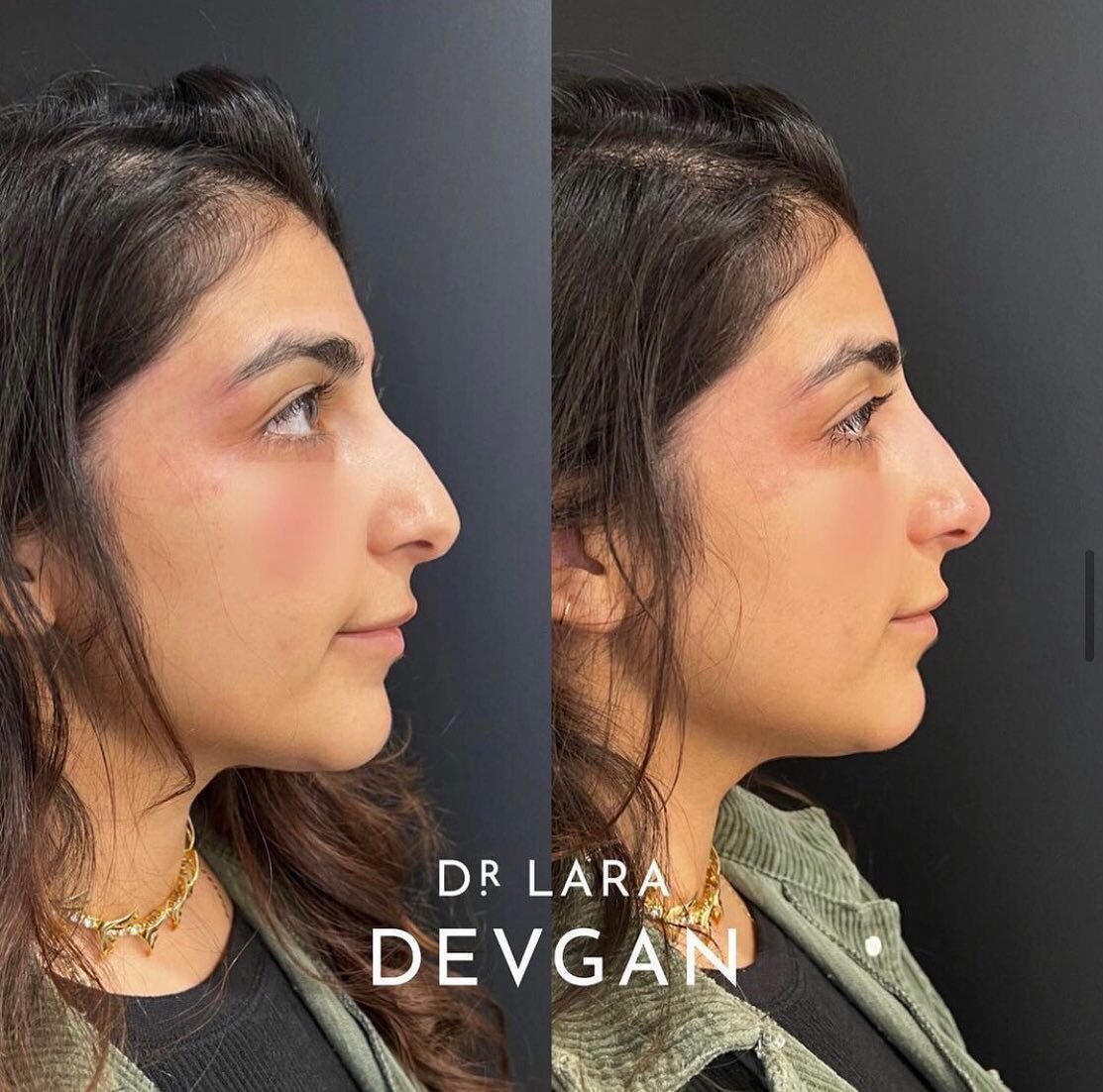
Actual patient of Dr. Devgan, before and after submental liposuction

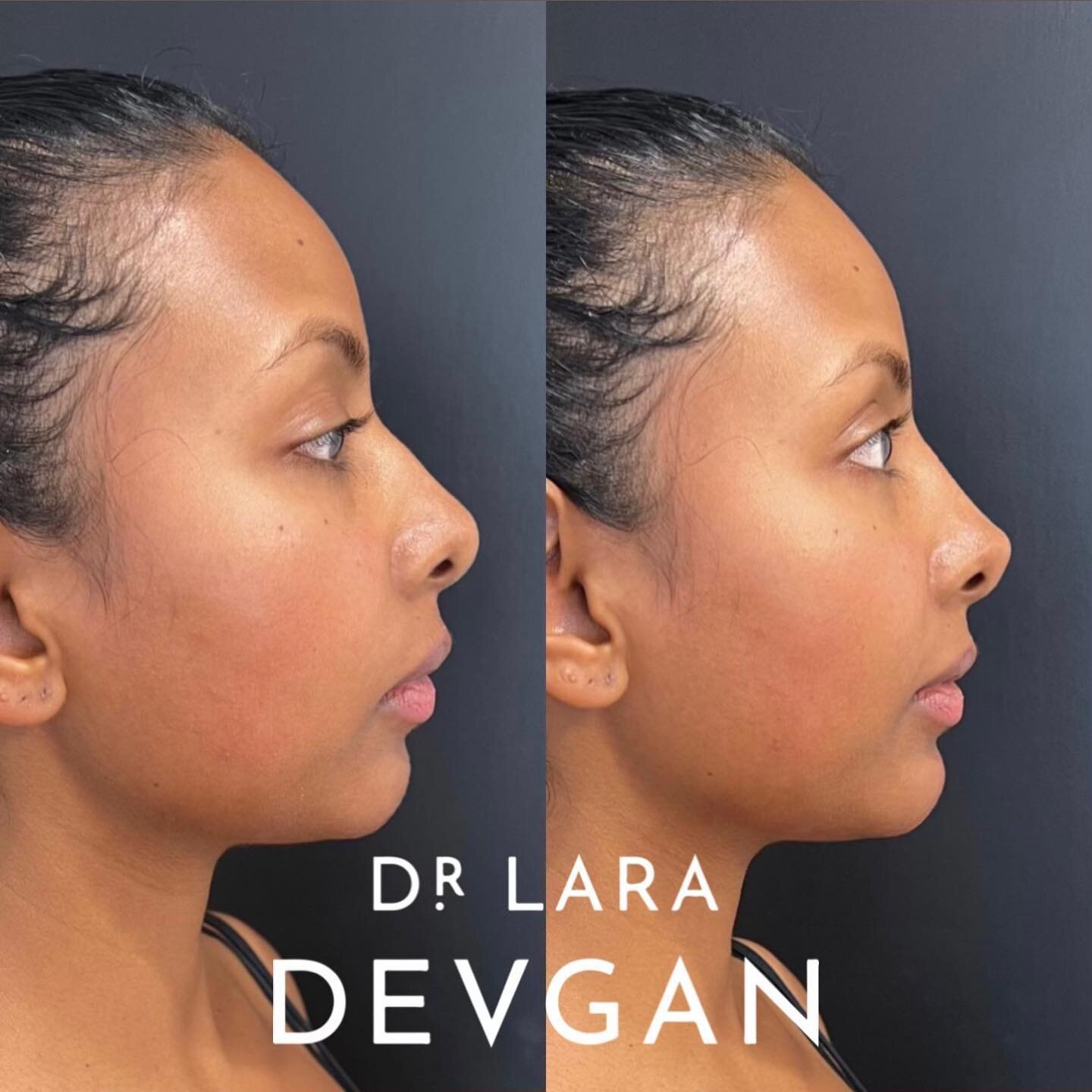
Actual patient of Dr. Devgan, before and after submental liposuction

Submental liposuction (or microliposculpture of the double-chin area) is one of the most popular aspects of my New York City plastic surgery private practice. While submental liposuction is a powerful procedure with an extremely high degree of patient satisfaction, it is also a complex topic. This was an invited article for online physician magazine Healio.com about the ins and outs of submental liposuction. The intended audience is medically oriented, so some portions of this article are more technical. -Dr. Devgan

Submental Liposuction: A powerful technique for sculpting the lower face

By Dr. Lara Devgan

How the face changes as we age

The young, slim face has a characteristic "inverted cone of youth"-- a triangular shape like that is narrow at the chin and wider at the cheeks.

As we age, gain weight, develop unfavorable patterns of fat deposition, and experience tissue laxity setting in, this cone becomes more of a square. The jawline becomes thicker and less distinct, a double-chin develops, and jowling becomes more apparent.

Traditional methods for addressing facial aging

Although facelift and necklift are considered the gold standard procedures for addressing facial aging as a whole, younger patients and patients who would like to have a quicker recovery with fewer incisions tend to shy away from these procedures. For this subpopulation, submental liposuction is an excellent option.

Submental liposuction

Submental liposuction, or microliposculpture of the area under the chin, is a minimally invasive contouring procedure for the lower face. Using one to three tiny 0.5 cm incisions placed in inconspicuous locations, an experienced plastic surgeon is able to refine and define the lower face.

Patient selection and technical considerations

The critical first step in submental liposuction is analyzing the patient. The best candidates for the procedure are those with excess pre-platysmal fat, a "double-chin," or the appearance of a heavy, square-shaped, bottom-heavy face. For those with platysmal banding, excessively thin skin, inelastic tissue, or minimal fat in this area, submental liposuction may not be as effective an option.

Marking

Once I have determined that a patient is a good candidate for the procedure, I mark the patient in a seated position while he or she holds a hand mirror to actively participate in the process. Problematic or bothersome pockets of fat are identified and circled. I also take a moment to mark the planned incision sites (0.5cm stab incisions at the submental crease and in the post-auricular sulcus bilaterally. Finally, I mark the angle of the mandible and the presumed course of the marginal mandibular nerve bilaterally.

Anesthesia

Submental liposuction can be done wide awake with tumescent local anesthesia only, or with IV sedation. For patients who are combining submental liposuction with another procedure (such as blepharoplasty-- a common pairing), I recommend IV sedation, or twilight anesthesia. For healthy patients who are comfortable with the idea of surgery, being awake is an acceptable option.

Surgical technique

After sterilely prepping and draping the patient, I infiltrate 50-100cc of tumescent solution composed of 1% lidocaine, 1 ampule of epi, and 1 liter of lactated ringers into the subcutaneous tissue of the neck. I let the tumescent solution sit for 5 to 7 minutes so that the vasoconstrictive effects of the epinephrine can take effect.

Next, I incise the previously marked liposuction access sites and dissect them open with iris scissors. At this point, I perform judicious liposuction of the preplatysmal fat according to my previously noted markings.

When performing liposuction of the neck area, it is important to use fine-tipped cannulae that are in a sufficiently deep plane so as not to create contour abnormalities or divets. I am also careful to liposuction in a cross-hatched pattern to ensure a smooth and aesthetically pleasing result. Liposuction is performed from one to three of the aforementioned access sites; using three sites is ideal because of the lower risk of creating contour problems.

Pitfalls and Complications

The most common complication of submental liposuction is contour abnormality, including notching, divets, and irregular appearance of the skin. This can be avoided by carefully performing liposuction according to the principles of ideal liposuction techniques.

Another complication is injury to the surrounding structures of the neck, in particular, the marginal mandibular branch of the facial nerve, as well as nearby arteries and veins. This is avoided by thorough anatomic knowledge of this challenging anatomic area.

Alternatives

The two major alternatives to submental liposuction are Kybella and necklift.

Kybella (deoxycholic acid) is a new injectable medication that will dissolve submental fat after several treatments. While Kybella has the advantage of offering no downtime at all, this treatment can take several sessions. In addition, patients experience profound swelling that can last for weeks. 

Necklift (including short-scar necklift) is a surgical technique that involves tightening the platysma, SMAS, and substructure of the face and facial skin. This is an extremely effective technique for rejuvenating the under-the-chin area, and I consider it to be the gold standard treatment. The downside of necklift is the fact that it is major surgery that requires a week of downtime from work.

Submental liposuction is an excellent intermediate option, between Kybella and necklift, and it carries with it many benefits from both sides.

For questions about this article, I can be reached via www.LaraDevganMD.com.

Click to read this article on Healio.com
Click to read this article on Healio.com

Labiaplasty with local anesthesia only: a real patient's experience

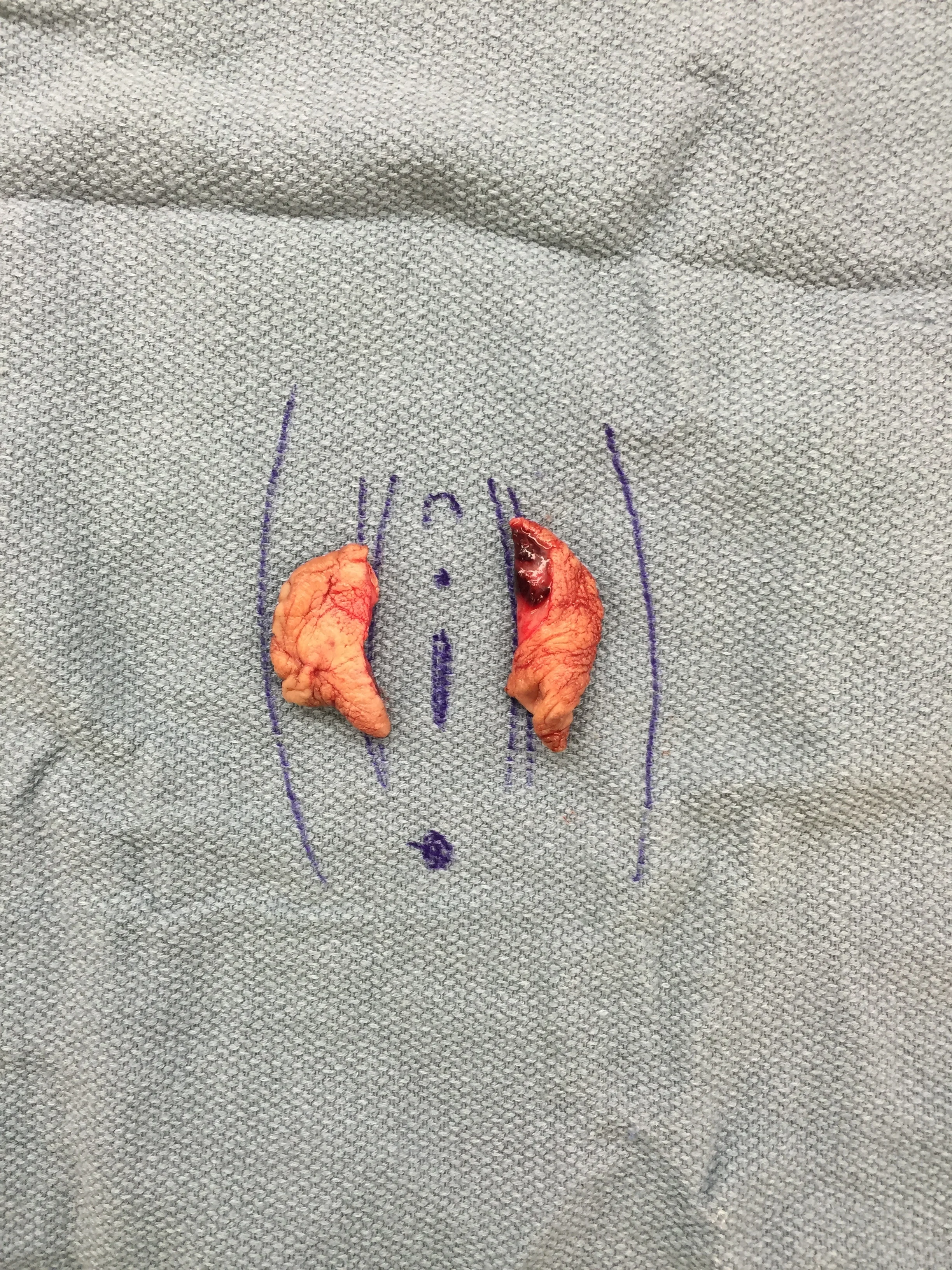
Surgical specimen from an actual labiaplasty case by Dr. Devgan

Surgical specimen from an actual labiaplasty case by Dr. Devgan

Labiaplasty is one of the most commonly performed operations in my New York City plastic surgery practice. As a female plastic surgeon who is board-certified, trained at some of the world's preeminent institutions, and experienced in labiaplasty techniques, many patients seek me out for this delicate procedure.

One common question I am asked is whether a patients should have surgery with IV sedation ("twilight" anesthesia) or wide awake with local anesthesia only. My answer is that both options are great. Read more about a recent patient's experience with local anesthesia only during her labiaplasty procedure, below.

Verified patient review from RateMDs.com

Verified patient review from RateMDs.com

3 Ways to Treat a Broken Nose

Actual patient of Dr. Devgan, before and 4 weeks after correction of broken nose (nasal fracture and laceration)

Actual patient of Dr. Devgan, before and 4 weeks after correction of broken nose (nasal fracture and laceration)

Actual patient of Dr. Devgan, before and 1 week after correction of broken nose (nasal and septal fractures)

Actual patient of Dr. Devgan, before and 1 week after correction of broken nose (nasal and septal fractures)

Nasal fractures (broken noses) are among the most common facial injuries. Whether you are involved in a car accident, an accidental fall, a contact sport, or an altercation, breaking your nose is an incredibly common occurance in emergency rooms around the world.

There are three general approaches to the timing of when to fix your broken nose. In my New York City based practice, I use all three of these approaches, depending on the person and situation.

Approach #1: Immediately

If your nose is broken and you are most concerned about getting it back into correct anatomic alignment as quickly and efficiently as possible, fixing a nasal fracture right away may be a good option. Before massive swelling has set in, your plastic surgeon has the opportunity to numb your nose with a nerve block and use special instruments to replace the broken pieces where they are supposed to go. The advantage of this approach is its immediacy. The disadvantage is that it is slightly imprecise and may not be the best course of action if you are a model or actor.

Actual patient of Dr. Devgan, before and 1 week after correction of broken nose (nasal and septal fractures)

Actual patient of Dr. Devgan, before and 1 week after correction of broken nose (nasal and septal fractures)

Actual patient of Dr. Devgan, before and 1 week after correction of broken nose (nasal and septal fractures)

Actual patient of Dr. Devgan, before and 1 week after correction of broken nose (nasal and septal fractures)

Approach #2: At 1-2 weeks

Another option is to wait for the swelling in your nose to settle down a bit. Fixing a broken nose at 1-2 weeks is a good option because your bones have not yet set into the broken position, and your plastic surgeon will be able to fix their placement with a small surgical procedure. Fixing a broken nose in a delayed fashion will give you an excellent result, avoid swelling that makes acute fracture reductions more challenging, and get you back to normal relatively quickly.

Actual patient of Dr. Devgan, before and 1 week after correction of broken nose (nasal and septal fractures)

Actual patient of Dr. Devgan, before and 1 week after correction of broken nose (nasal and septal fractures)

Actual patient of Dr. Devgan, before and 1 week after correction of broken nose (nasal and septal fractures)

Actual patient of Dr. Devgan, before and 1 week after correction of broken nose (nasal and septal fractures)

Approach #3: After 6 months

If your main concern is having your nose look perfect, you may require a revision rhinoplasty 6 months after your broken nose. Even if the bones were re-set immediately or at 1-2 weeks, 6-12 months later, more of the swelling will have decreased, and your plastic surgeon will be able to reshape your nose in a more controlled fashion. If you are someone who makes a living with your facial appearance, or if you would like your nose to be more refined or perfect than it was before, this is an excellent option. 

For questions about nasal fractures, septal fractures, septal hematomae, rhinoplasty, revision rhinoplasty, or other nose surgery, I see new patients in my New York City office and in the emergency rooms of Lenox Hill Hospital and Greenwich Hospital. Please do not hesitate to email me at info@LaraDevganMD.com or call my office at 212-452-2400 if you have a broken nose and need help.

Correction of Inverted Nipples

Approximately 10-20% of women are born with inverted nipples, or nipples that are flat or sunken in appearance. For many women with inverted nipples, this is a source of self-consciousness that can effect body image, sexuality, and feelings of femininity.

Classification of Inverted Nipples

Inverted nipples are classified into three different groups, according to their severity.

  • Grade I: Mildly inverted nipples that can be made to protrude with physical manipulation, cold temperature, or sensual stimulation. 
  • Grade II: Moderately inverted nipples that can be made to protrude, but not easily. Women in this category often report difficulty breastfeeding.
  • Grade III: Severely inverted nipples that cannot be made to protrude with physical manipulation. Women in this category are not able to breastfeed.

Correction of Inverted Nipples

The correction of inverted nipples is a short outpatient procedure that can be done with local anesthesia alone. Women experience minimal discomfort, typically take no pain medicine, and are generally able to return to work the following day. Strenuous exercise and tight fitting tops should be avoided for 2 weeks.

Surgical Limitations

Correction of inverted nipples is a very safe procedure with an excellent success rate in my hands. The plastic surgery literature reports that the most frequent complication of surgery is relapse of a corrected nipple, which is more likely if you have a more severely inverted nipple to begin with. Nipple necrosis is a rarely reported complication. It is also important to understand that breastfeeding is unlikely to be possible after correction of inverted nipples.

Next Steps

If you are interested in having your inverted nipples corrected in my New York City private practice, please feel free to call my office at (212) 452-2400 to schedule a consultation appointment. You may also email info@LaraDevganMD.com if you have further questions that you would like to have answered.

How to make tired eyes look more awake

Actual patient of mine, before and just 2 weeks after upper and lower eyelid blepharoplasty

Actual patient of mine, before and just 2 weeks after upper and lower eyelid blepharoplasty

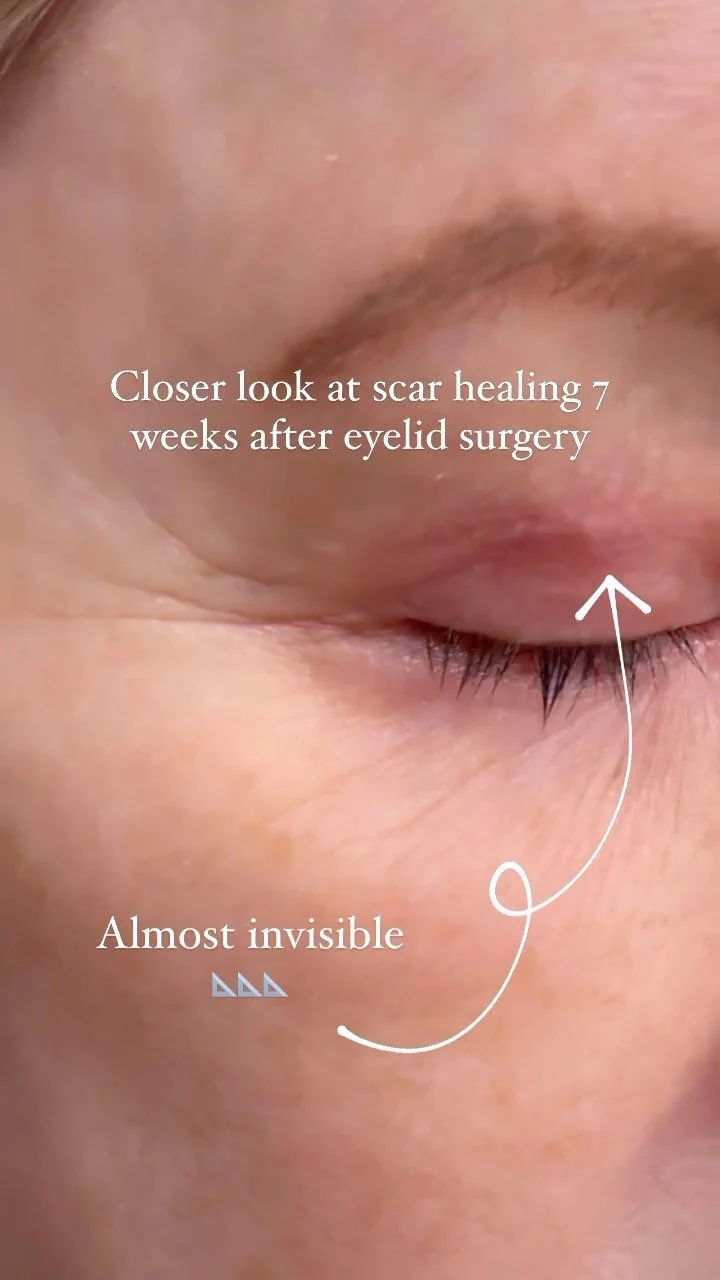
Actual patient of mine, before and just 2 weeks after upper and lower eyelid blepharoplasty. Close-up view

Actual patient of mine, before and just 2 weeks after upper and lower eyelid blepharoplasty. Close-up view

Tired-looking eyes are one of the most common complaints in my New York City plastic surgery practice.

AGING AROUND THE EYES

The skin around the eyes is the thinnest on the body, and it is the first place where you show your age. As early as the late 20s, crows feet or smile lines begin to etch themselves into the thin skin on the sides of the eyes. Dark circles and puffy bags under the eyes often come next, usually in the 30s. They are brought on not just by sleepless nights, professional stress, and the responsibility of childrearing, but also by the loss of elasticity in the skin. In the 30s and 40s, many people notice a hooding of the upper eyelids. In the 40s and beyond, extra skin folds accumulate on your eyelids and also underneath your eyes, making you appear more tired. A heavy groove begins to form between the bottom of your eye and your cheek (the "tear trough"). Makeup application becomes difficult. You look worn out and sad eyed, even when you feel energetic and happy. 

SURGERY: EYELID LIFT (BLEPHAROPLASTY)

The most definitive and satisfying way to make your eyes more youthful, beautiful, and energetic is eyelid surgery, or blepharoplasty. I consider blepharoplasty to be the gold standard for rejuvenating the eyes.

TEAR TROUGH FILLERS

In people with hollows underneath their eyes that make them look tired, I perform correction of deep tear troughs with fillers or fat transposition. My most popular procedure for this area is injection of Juvederm or Restylane in the tear troughs. This procedure takes minutes, has no downtime, and results can last for months to years. Tear trough fillers are best in patients who are younger with relatively good skin quality and minimal excess skin and fat.

CHEMICAL PEELS, LASER, BOTOX

In patients with younger tissue who require less, another great option is a chemical peel treatment to the skin around the eyes, as well as Botox to smooth out crows feet and smile lines. Both of these treatments also take just minutes. Downtime for Botox is minutes to hours, while chemical peels typically cause peeling of the skin 4-5 days after treatment.