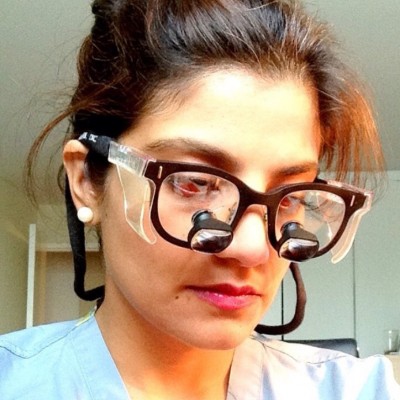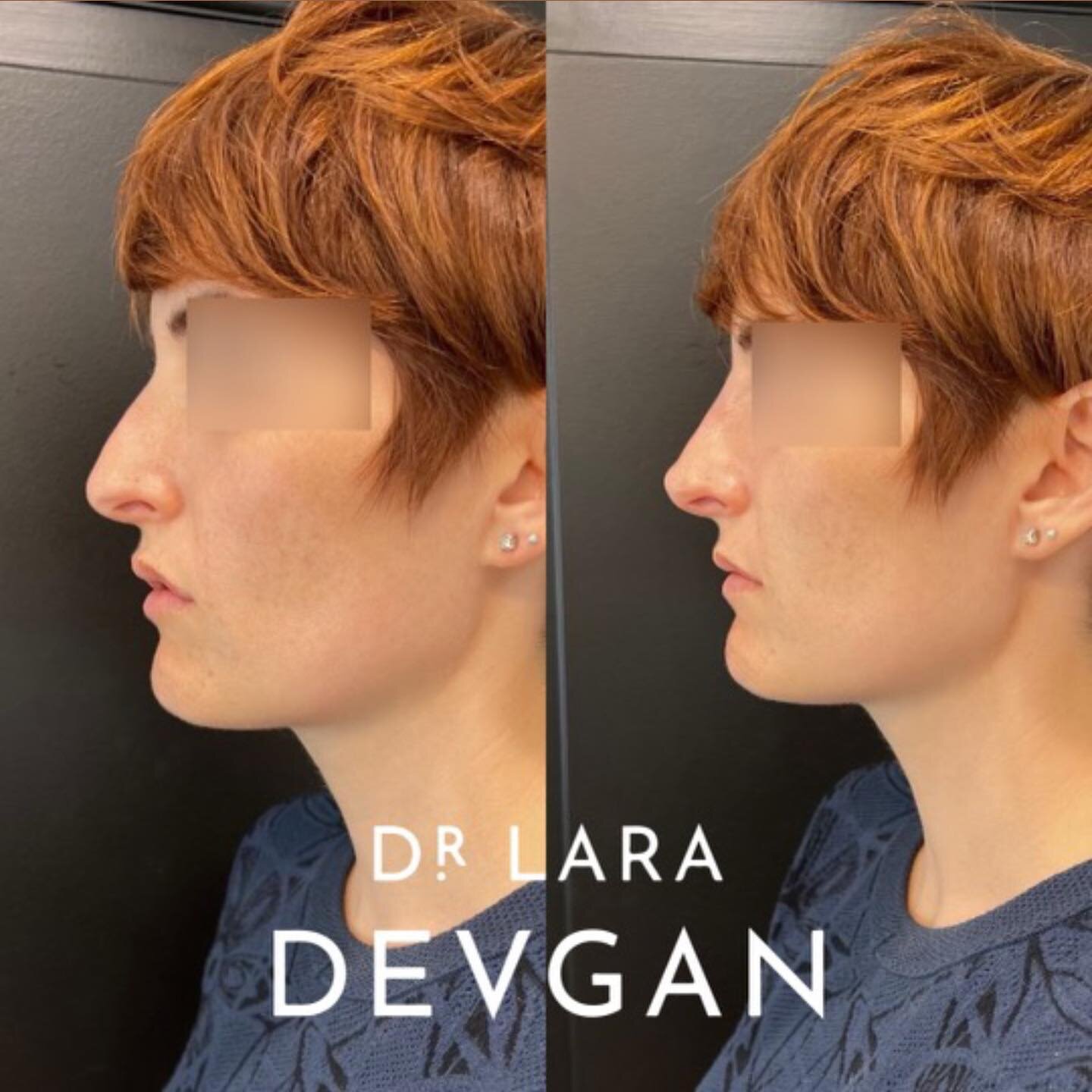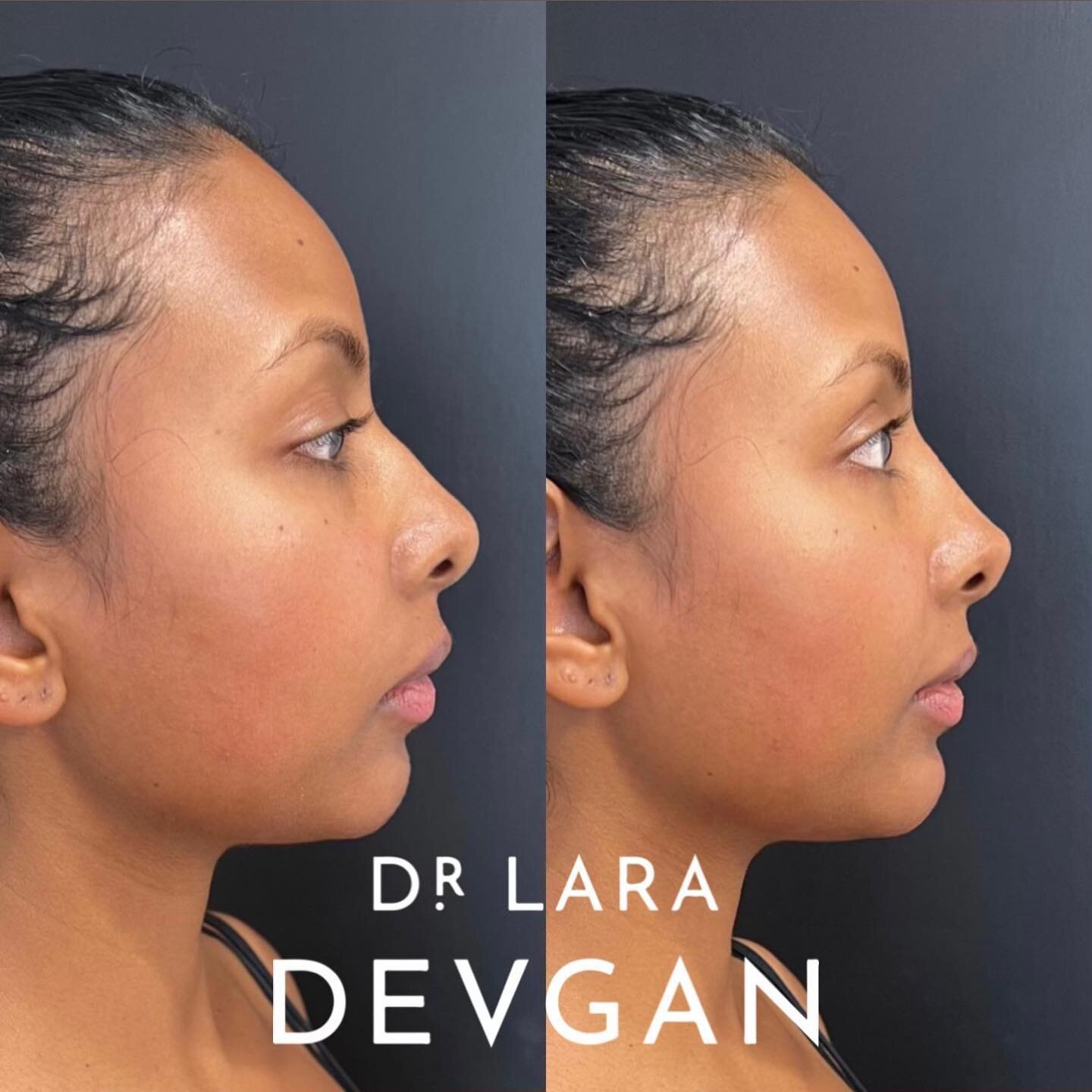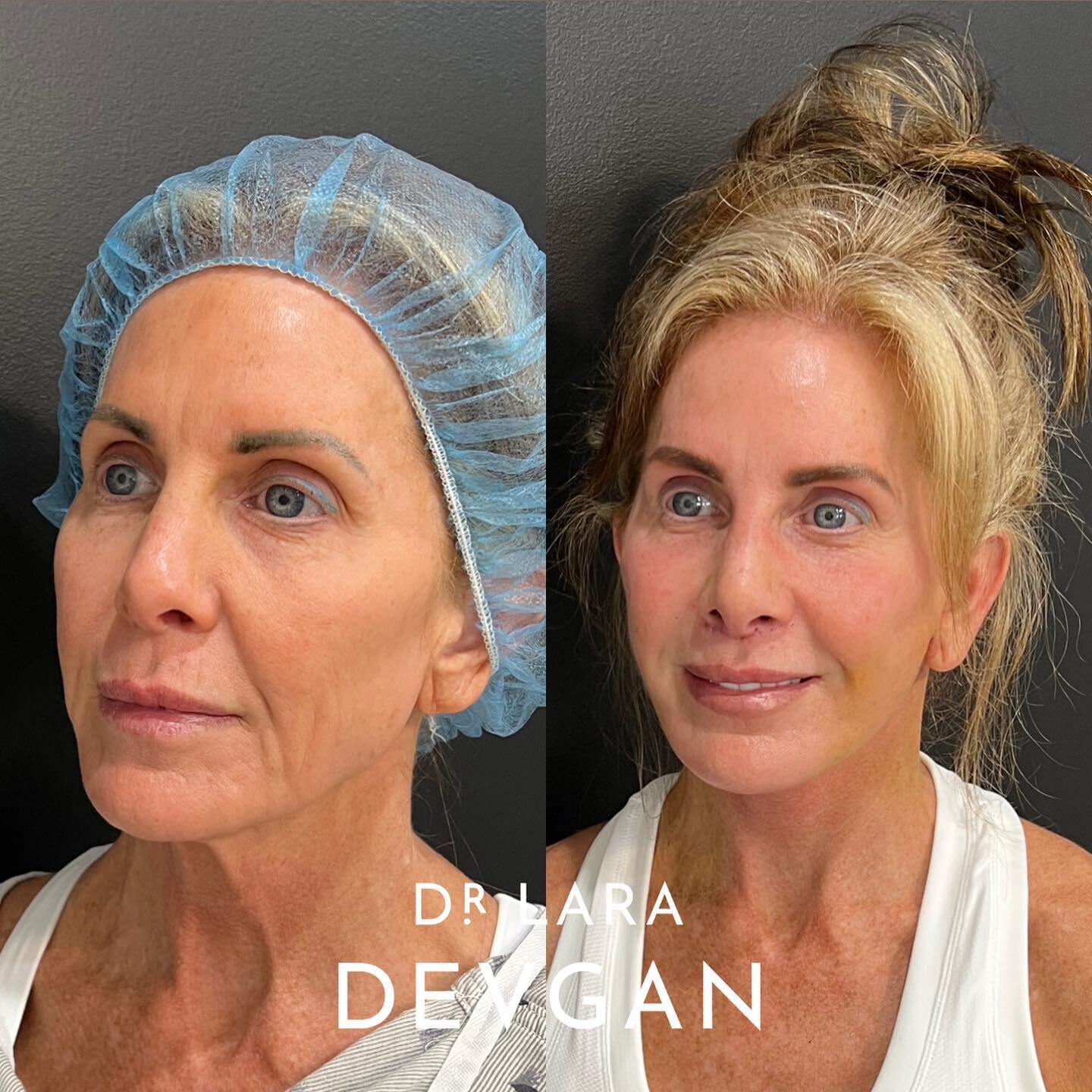
Plastic Surgeons Operate Better When Listening to Music

Image credit David Castillo Dominici

Image credit David Castillo Dominici

Music to a patient's ears:

when surgeons listen to their preferred music, their stitches are better and faster

July 30, 2015

GALVESTON, Texas – A new study from The University of Texas Medical Branch at Galveston shows that when plastic surgeons listen to music they prefer, their surgical technique and efficiency when closing incisions is improved. The study is currently available in the Aesthetic Surgery Journal.

From classical to rock, music can be heard in operating rooms across the world. Although previous studies have shown that listening to music during operations can lower the stress levels of surgeons, there is limited information on the effects of music on technical performance while completing a surgical task, such as closing incisions. Stitching prowess and speed is especially important for plastic surgeons.

Fifteen plastic surgery residents were asked to close incisions with layered stitches on pigs' feet obtained at a local food market – pigs’ feet are widely accepted as similar to human skin.

The residents were not informed of the purpose of the study. They were asked to do their best and to notify the researchers when they completed a closure. The day after the first incision closing exercise, the residents were asked to do another repair using identical technique with the music either being turned on or off, in opposition to the first closure. They were not told that the researchers were comparing times or that the results would be graded until the study was completed.

“We recognized that our subjects could potentially improve on the second repair simply as the result of repetition,” said author Dr. Shelby Lies, the UTMB chief plastic surgery resident. “This effect was reduced by randomly assigning the residents to music first or no music first groups.”

The average repair completion time for all residents was 7 percent shorter when their preferred music was playing. This effect was magnified as the experience of the surgeon grew. Playing their preferred music led to a 10 percent reduction of repair time for senior residents as compared to an 8 percent time reduction seen in the junior residents.

“Spending less time in the operating room can translate into significant cost reductions, particularly when incision closure is a large portion of the procedure, such as in a tummy tuck,” said Lies. “Longer duration under general anesthesia is also linked with increased risk of adverse events for the patient.”

The quality of the work was judged by plastic surgeons who did not know whose work they were analyzing or other conditions of the study. The judges’ ratings confirmed an overall improvement in repair quality while music was played, regardless of whether the resident did the repair with their music first or second.

“Our study confirmed that listening to the surgeon's preferred music improves efficiency and quality of wound closure, which may translate to health care cost savings and better patient outcomes,” said author Dr. Andrew Zhang, UTMB assistant professor of surgery in the division of plastic and reconstructive surgery. 

Image credit sattva

Image credit sattva

How to plan a perfect breast augmentation

best breast augmentation NYC female plastic surgeon NYC

There are no guarantees in life, or in plastic surgery, but I believe that meticulous pre-operative planning can make an ideal surgical result much more likely. 

When it comes to breast augmentation, how can your surgeon develop a perfect pre-operative plan?

  • Appropriately assess your tissue laxity. Everyone's skin quality and elasticity is different; the less elastic your skin, the younger and tighter it looks, while the more elastic your skin, the larger an implant it can accomodate.
  • Make precise preoperative measurements. The essential pre-operative measurements for breast augmentation are skin pinch, sternal notch to nipple distance, nipple to inframammary fold distance, breast base width, intramammary distance, and areolar diameter.
  • Correct for any asymmetries or anatomical irregularities during surgery. This will make your breasts look more similar after surgery, even if they were not perfectly symmetric before surgery.
  • Use appropriately sized breast implants that will adequately fill your tissue pocket, without putting undue strain on your skin and soft tissue. Not every patient can safely have every type of breast implant. Choosing the correct size for a given patient's anatomy and desires requires surgical judgment.
  • Minimize handling of your tissues in the operating room. Tissue trauma increases swelling, bruising, tissue injury, and likelihood of a longer recovery.
  • Minimize handling of the breast implants in the operating room. Excessive handling of breast implants risks contamination and may increase the risk of capsular contracture, infection, and implant-related failure.
  • Listen to your goals and expectations for surgery. Good communication is key in delivering a result that will make both the surgeon and the patient happy.

For questions about breast implants (breast augmentation), or to make an appointment to see me in my New York City based practice, please call (212) 452-2400.

Dr. Devgan named to the New York Times Magazine Superdoctors "Rising Star" List

New York Times cup of tea

We are pleased to announce that Dr. Devgan has been named by New York Super Doctors as one of the "Rising Star" top doctors in the New York Metropolitan Area again in 2015. The Super Doctors Rising Stars list was published last weekend, in the September 27, 2015 issue of The New York Times Magazine.

TO COME UP WITH THIS LIST, OVER 40,000 MEDICAL PROFESSIONALS WERE ASKED FOR NOMINATIONS BASED ON ONE QUESTION: "IF YOU NEEDED MEDICAL CARE, WHICH DOCTOR WOULD YOU CHOOSE?"

Each year, Key Professional Media, Inc. undertakes a rigorous, multi-phase selection process that includes a survey of doctors, independent evaluation of candidates by research staff, a peer review of candidates by practice area, and a good-standing and disciplinary check. Fewer than 2.5% of New York plastic surgeons received this honor. 

Dr. Devgan named an "Inspiring Professional" Brand Ambassador for Lab Coat and Scrubs Manufacturer Medelita

Medelita brand ambassador plastic surgeon
Click to learn more about Medelita

Click to learn more about Medelita

We are pleased to announce that Dr. Devgan has been appointed a brand ambassador for Medelita, the highest quality manufacturer of professional lab coats and performance scrubs-- and one that has improved the fit, style, and technology of medical apparel. 

As part of the "H.I.P." (Honoring Inspiring Professionals) Ambassadors Program, Dr. Devgan has been recognized as a leader in plastic surgery. According to Medelita, "our ambassador program serves to honor outstanding medical professionals... As innovators at the forefront of medicine and genuine patient advocates, Medelita offers support for these immense sacrifices and contributions to the health care community."

Click to read Dr. Devgan's Brand Ambassador profile on Medelita.com

Click to read Dr. Devgan's Brand Ambassador profile on Medelita.com


Skin Cancer 101: An Invited Article by Julia Tzu, MD

Image credit Quality Health Care

Image credit Quality Health Care

I'm pleased to introduce Dr. Julia Tzu, a fabulous dermatologist in Manhattan and one of my colleagues and classmates from my days at Johns Hopkins Medical School. Read her article on what you need to know about skin cancer, below.

Skin Cancer 101 by Julia Tzu, MD

Guest Blog Post for Lara Devgan, MD, MPH

Skin cancer has been on the rise in the past decades, and is the most common cancer in the United States.  Although there are numerous types of skin cancers, the most common types include basal cell carcinoma, squamous cell carcinoma, and melanoma.  Ultraviolet radiation from sun exposure (along with individual genetic susceptibility) is known to play a role in skin cancer development.

Image credit zrocderm.com

Image credit zrocderm.com

Basal cell carcinomas constitute the majority of skin cancers and are the most common type of cancer in the world. It typically presents as a pink, pearly growth, often found in sun-exposed areas of the skin.  Although basal cell carcinomas are slow growing tumors that do very rarely spread to other parts of the body, they can grow to large sizes and cause destruction of local tissue and other bodily structures.   Treatment for basal cell carcinomas can include topical chemotherapy agents, standard surgical excisions, electrodessication and curettage, and Mohs surgery.

Squamous cell carcinomas are the second most common type of skin cancers. It typically presents as a scaly pink growth or simply a pink growth, also commonly found on sun-exposed areas of the skin.  Sometimes, squamous cell carcinomas can also be associated with high-risk human papilloma virus infection, and are thus correlated with sexual activity.  Treatment for squamous cell carcinomas can include topical chemotherapy agents, standard surgical excisions, and Mohs surgery.

Melanomas constitute an important category of skin cancers because of its more aggressive behavior.  Depending on its stage, melanomas have a higher probability of spreading to other parts of the body.   Melanomas often present as an irregular appearing dark spot or an “ugly mole” and can occur anywhere on the body.  Younger adults are increasingly being diagnosed with melanoma.   When caught at the earliest stage, melanoma is easily treatable with a standard surgical excision and the prognosis is excellent.

Routine self monitoring of any new or changing skin lesions, combined with routine annual skin cancer screenings with your local dermatologist is recommended for early detection and treatment of skin cancers.  Any new or changing growth or skin lesion should be biopsied for diagnosis.   Avoiding excessive sun exposure and routine application of a broad-spectrum sunscreen can also help reduce one’s chances of developing skin cancer. 

Click to learn more about the author of this post, dermatologist Julia Tzu, MD

Click to learn more about the author of this post, dermatologist Julia Tzu, MD