Inverted Nipple Correction

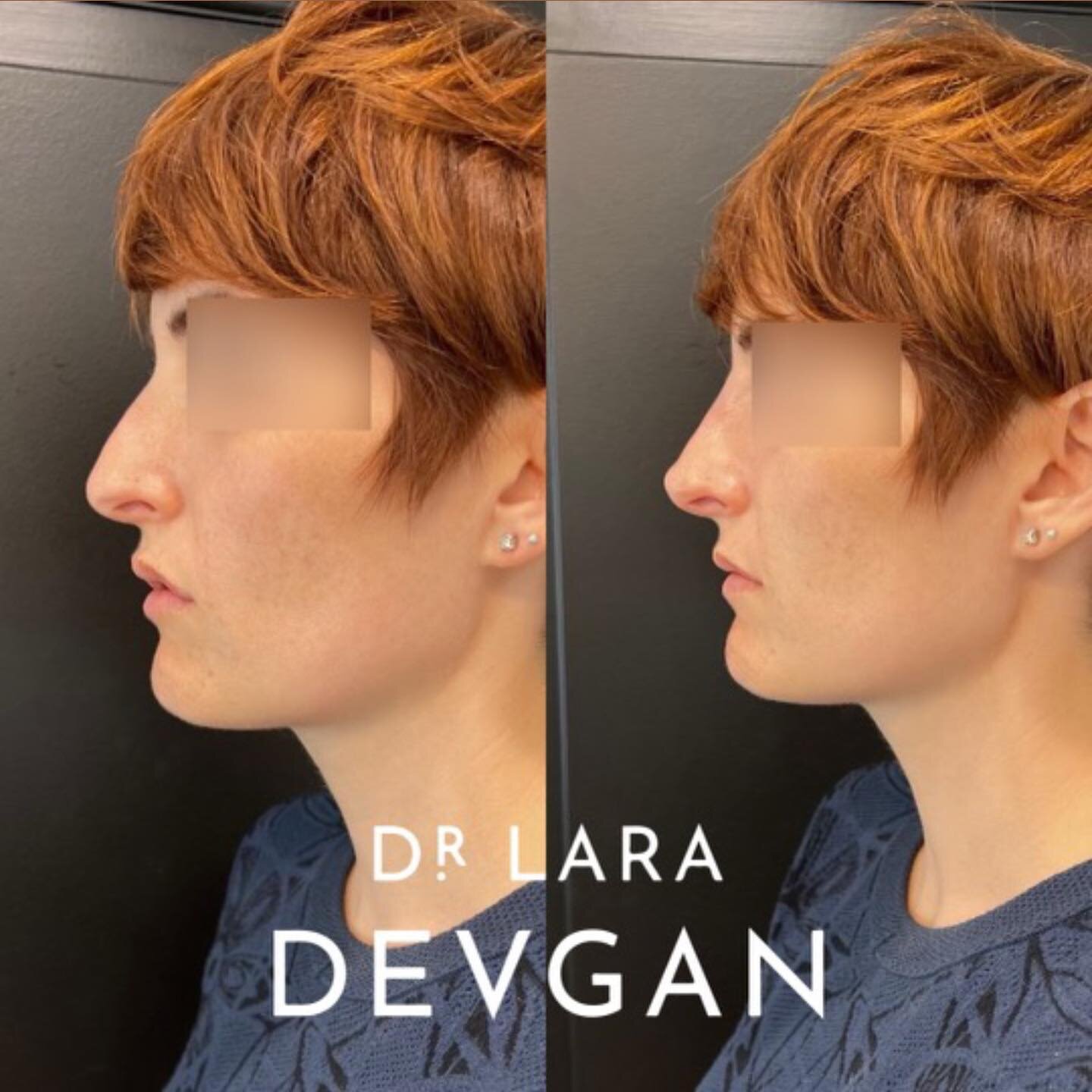
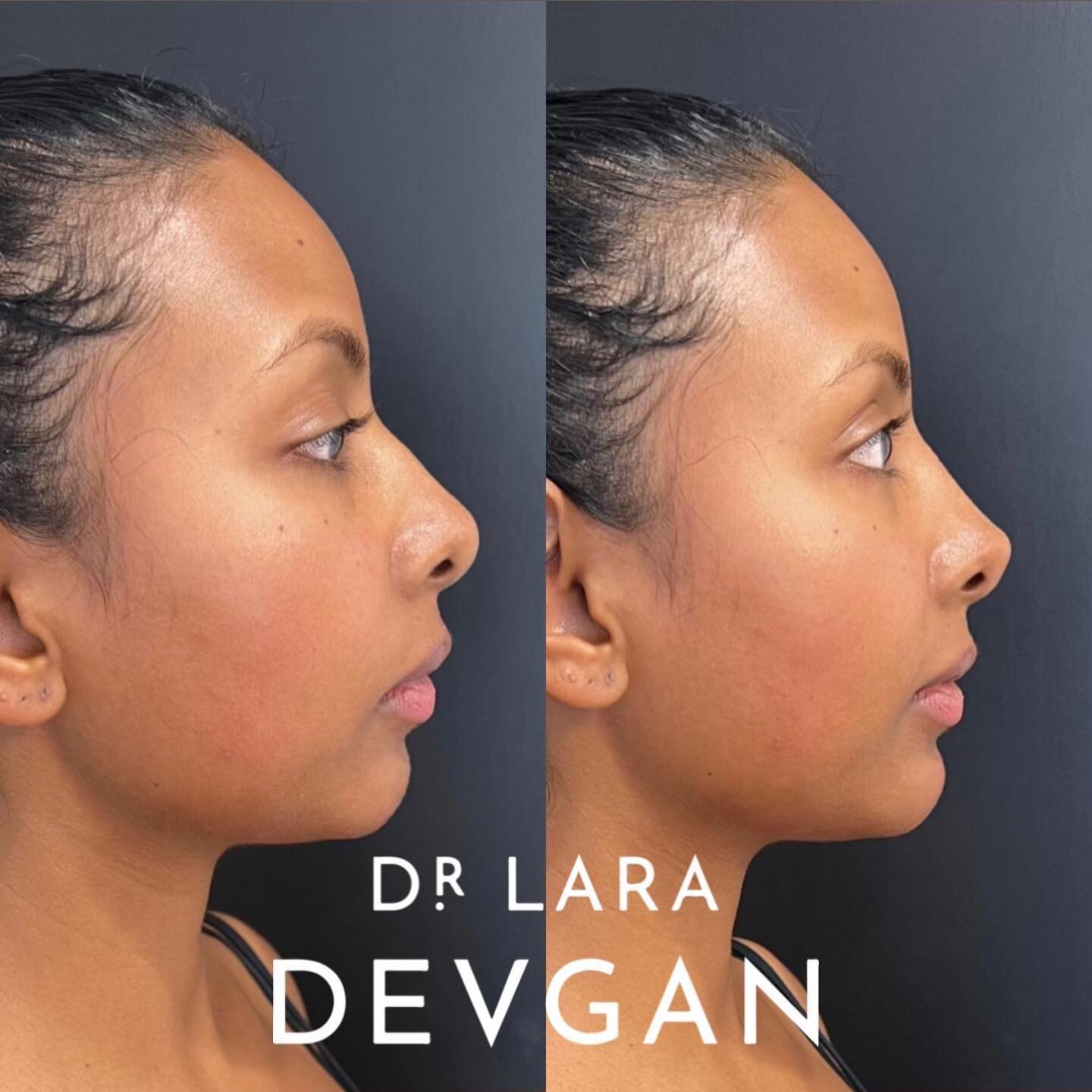
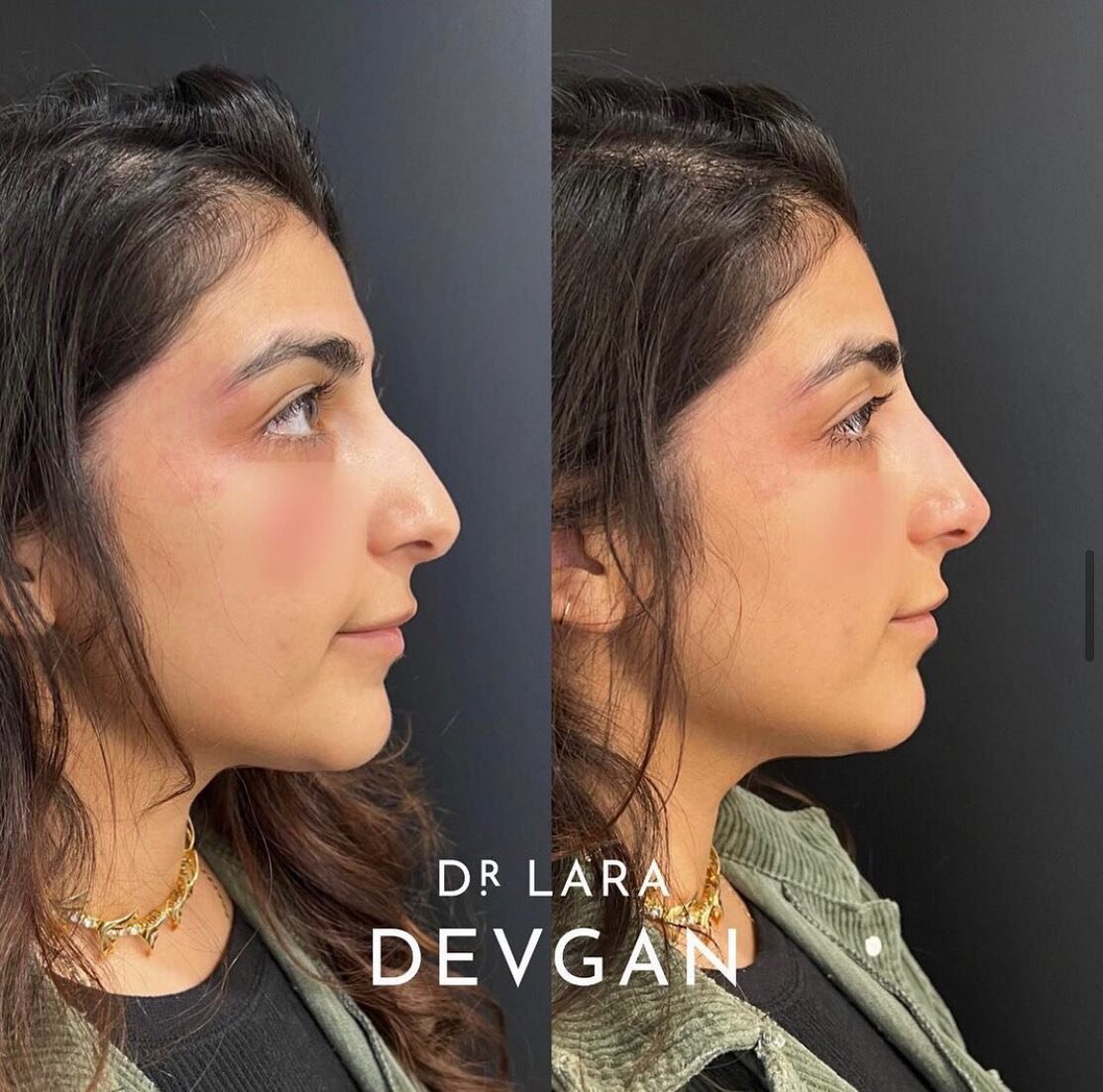
Actual patient of Dr. Devgan, before and after correction of inverted nipple.

Actual patient of Dr. Devgan, before and after correction of inverted nipple.

Inverted nipples occur frequently and are often a source of discomfort or self-consciousness for women who have them.

What is an inverted nipple?

When a woman has an inverted nipple, her nipple points inward and is recessed below the level of her breast. This can make the nipple appear flat, or in severe cases, it can make what is ordinarily the most prominent part of a nipple appear to be a recessed hole in the center of the breast.

Can nipples sometimes be inverted and sometimes be normal?

In some women with inverted nipples, touch, stimulation, or temperature changes can make the nipple "pop out" or reappear. In other women with inverted nipples, the nipples are so thoroughly tethered downward that they are "stuck" in a recessed position.

Do inverted nipples affect body image, sex, and breastfeeding?

In addition to the discomfort about the way that inverted nipples look, women with inverted nipples are also typically not able to breastfeed, and they report decreased sensation and sexual satisfaction with regard to their breasts.

How are inverted nipples corrected?

If you have an inverted nipple, Dr. Devgan can correct it with a short procedure done under local anesthesia only. By making a tiny incision at the base of the nipple (and hidden within the areola), Dr. Devgan will surgically draw the nipple outward and support it in a normal, popped-out position using carefully placed sutures. You are able to return to work later that same day or the next day, and downtime is minimal. Healing is generally complete within 2-4 weeks.

For more information:

If you are interested in correction of inverted nipples in New York City, please call (212) 452-2400 to make a consultation appointment with Dr. Devgan. You may also email info@LaraDevganMD.com if you have specific questions.

Talk Like a Doctor: Is There Gender Bias when Physicians Speak?

female plastic surgeon NYC

This personal essay was an invited article for The Doctor Blog by ZocDoc.

July 31, 2015
By Lara Devgan, MD

I have given a number of medical talks over the years-– reports on my research, reviews of surgical topics, mentoring speeches, and grand rounds, among others. I prepare for these talks extensively but tend to speak extemporaneously to engage better with my audience. I’m pleased to say that, in general, I have received good feedback. Several times, however, I have been given the “constructive criticism” that my voice is “girly” or “immature.”

I will be the first to admit that I am not an expert on oration or public speaking. I have no background in stage acting or performance. And despite the speech accolades of my youth (as a high schooler I was the Lincoln-Douglas Debate state champion in California, and while in college a friend and I won the Adams Cup for Parliamentary Debate at Yale), I know very little about what the ideal speaking voice is supposed to sound like.

My focus for my medical talks is simple and content-based: speak clearly, convey my message, and use a voice that my audience will understand. To be sure: I am a woman of petite stature, and my speaking pitch is soprano to mezzo-soprano. I am also a fully grown adult with gray hair and a busy plastic surgery practice, who has published and spoken extensively in my field.

Yet with recent media attention to the many perceived flaws with female voices, I cannot help but wonder about the extent to which this phenomenon applies to the world of science and medicine.

Women have been criticized for “upspeak”-– using a voice that trails upward in pitch at the end of a sentence. This is a version of a “Valley Girl” lilt, and it has been described by linguist Mark Liberman as a speech pattern that makes it sound like we are asking for permission or posing a question. It sounds weak and lacks authority, we are told. Kelly Ripa is an example of a woman who frequently employs upspeak.

Conversely, women are also criticized for “vocal fry”-– using a hoarse, low-pitched rumble that is commonly employed to add emphasis, depth, or satire to speech. According to NPR On the Media host Bob Garfield, this sounds unrefined and lacks gravitas; he says it is “annoying,” “repulsive,” and “mindless.” Examples of vocal fry users include Tina Fey and Lindsay Lohan.

Interestingly, vocal fry has been described as “the opposite of upspeak” by The Daily Dot’s Amanda Marcotte. She argues that it conveys more authority than monotone speech because the voice takes on a lower pitch at the end of a sentence. Yet it is still derided as an irritating female speech affectation.

There is also a more general series of complaints about women’s voices that reverberates in the media. Hillary Clinton’s voice is too “nagging” according to Fox News journalist Mark Rudov, Sarah Palin’s voice “causes ears to bleed” according to the Free Wood Post, and Ann Coulter’s “whiny voice is so distracting” according to AOL TV reporter Jane Boursaw. Politics aside, these complaints cross the aisle to suggest that there are very few pleasing and acceptable ways women can speak.

Taken as a whole, criticisms of female voices of authority are difficult to make sense of. If women’s voices are derided for being high-pitched, low-pitched, varied, and, well, feminine, how exactly are women in professional roles supposed to speak?

In medicine, public remarks are intended to educate and elucidate content-heavy material. Perhaps even more so than in other realms, the topics we discuss publicly are technical and complex: molecular biology, anatomy, pharmacology, physiology, pathology, and more. While speaking voices should certainly be clear, the societal trend of policing women’s voices distracts and detracts from this important subject matter.

There is no way to take the woman out of her own voice, nor should there be. Women have smaller vocal folds and laryngeal cavities than do men, generally speaking, and it is unsurprising that the higher pitch and lower volume of female speech patterns reflects this. Also unsurprising is the female tendency to use forms of vocal inflection to vary oratory sounds, given that there is less possible volume variation.

This variance in women’s speech does not make it girly, immature, whiny, cloying, annoying, or otherwise objectionable. It simply makes it the way half of the population tends to vocally project. And in medicine, as in all fields, it makes it worth listening to.

Click to read this article on The Doctor Blog by ZocDoc.

Click to read this article on The Doctor Blog by ZocDoc.

What does a doctor look like?

female plastic surgeon NYC

This is a personal essay that was originally published in Intima, Columbia University's Journal of Narrative Medicine.

Intima | Field Notes | Spring 2014
By Lara Devgan

As a plastic surgeon, I am interested in how people look. Whether I am piecing together a fractured face or reconstructing a cancer-scarred breast, I am focused on appearance, symmetry, contour, and lines. I am always thinking about how our bodies are the physical manifestations of who we are.

What I am never thinking about is how that sentiment applies to me.

An intern and I recently rounded on a patient who had been admitted to the hospital with a hand injury by the on-call reconstructive surgeon the night before. I examined her, asked her a few questions, and told her about the next steps in her care. She waited for me to finish, then turned to my intern, seven years my junior and utterly inexperienced in reconstructive surgery, and said “What I really want to know is what you think.”

As he stumbled tentatively through his answer, I took a close look at him. Six foot three, blond, and in scrubs—he really did look like he was in charge.

* * *

Doctors are taught the importance of making a good first impression starting from our first days of medical school. We wear professional attire, make eye contact, and introduce ourselves. We say “please.” We put patients first. Yet there are aspects of a first impression that are not so easily taught and learned. Underneath our stethoscopes and surgical gowns, we are trapped in our bodies.

Researchers at Harvard have demonstrated that our looks may matter more in assessments of our competence than we may like to admit. In one experiment, college students were asked to anonymously evaluate professors after watching six seconds of silent video footage of them teaching. Their conclusions about the professors’ likeability and competence were essentially the same as a control group of students who sat in those professors’ classes for a full semester.1

Indeed, we live in a frustratingly perception-oriented society: A political candidate who is “babyfaced” is not only deemed less competent than his sterner-looking opponent, but he is also more likely to lose the election.2,3 An employee who is short earns an average of $789 less per year for every inch below average he stands.4 And an obese job applicant is not only rated less ambitious and determined than her normal weight counterparts, but she is also less likely to be hired.5

Even amongst surgeons, perceptions of competence can be wrong. A study at Baylor looked at how medical students performed on their surgery clerkships. There was absolutely no correlation between the students’ performance on written and oral exams and the ratings senior doctors gave their medical knowledge.6 It’s impossible to know what factors caused this discrepancy, but it forces us to ask ourselves: if it’s not knowledge that’s being assessed, then what is?

* * *

I, like almost every female surgeon I know, can remember being called “Nurse” instead of “Doctor” on the wards. Despite our white coats and nametags, we have been mistaken for secretaries, scrub techs, translators, and social workers—all valuable members of the health care field, to be sure—but none reflecting our actual identities.

It calls to mind the “Warren Harding error,” a misattribution of ability named after the handsome, tall, masculine ex-President who has become known as a famously incompetent American leader.7 If looking presidential earns the spoils of winning, does looking doctorly earn a referral?

My world view—and the world view of many others, I suspect—is governed by somewhat rigid archetypes. It’s easy enough for me to imagine what a kindergarten teacher or a police officer looks like. Why is a doctor any different? Yet the more rigid the archetype of what a doctor looks like, the more likely we are to get our judgments wrong.

The patient with the hand injury did fine. She had a team of well-trained people taking care of her, and she was discharged home uneventfully. But her impulse to rely on the intern was a faulty one.

First impressions do not convey enough information to evaluate a surgeon’s competence. Demographics are changing. A talented surgeon may look nothing like a Norman Rockwell painting, and her education, training, and surgical skills may not come across in the first six seconds.

References

1. Ambady N, Rosenthal R. Half a Minute: Predicting Teacher Evaluations from Thin Slices of Nonverbal Behavior and Physical Attractiveness. Journal of Personality and Social Psychology 64 (1993): 431-41. http://ambadylab.stanford.edu/pubs/1993Ambady.pdf

2. Todorov A, Mandisodza AN, Goren A, Hall CC. Inferences of competence from faces predict election outcomes.Science. 2005 Jun 10;308(5728): 16236. https://psych.princeton.edu/psychology/research/todorov/pdf/Todorov_Science2005.pdf

3. Zebrowitz LA, Montepare JM. Psychology. Appearance DOES matter. Science. 2005 Jun 10;308(5728):1565- 6.http://www.brandeis.edu/departments/psych/zebrowitz/publications/PDFs/2000+/Zebrowitz_Montepare_2005.p df

4. Judge TA, Cable DM. The Effect of Physical Height on Workplace Success and Income: Preliminary Test of a Theoretical Model. Journal of Applied Psychology 89, no. 3 (June 2004): 428- 441. http://www.ncbi.nlm.nih.gov/pubmed/15161403

5. Larkin, J. C., Pines, H. A. (1979) No fat persons need apply: experimental studies of the overweight stereotype and hiring preference. Social Work Occupations 6: 312–327. http://wox.sagepub.com/content/6/3/312

6. Awad SS, Liscum KR, Aoki N, Awad SH, Berger DH. Does the subjective evaluation of medical student surgical knowledge correlate with written and oral exam performance? J Surg Res. 2002 May 1;104(1):36- 9.http://www.ncbi.nlm.nih.gov/pubmed/11971675

7. Malcom Gladwell, “Blink,” New York, NY: Little, Brown, and Company, 2005: 72-98.
Click to read this piece in Intima.

Click to read this piece in Intima.

What is the best skin care product that is safe in pregnancy & lactation?

best vitamin C serum skincare skin care beauty products medical grade

If you are over 30 and you care about your complexion, you should be using a daily Vitamin C serum. Period.

Although there are other amazing skin care products (such as prescription strength retinoids and hydroquinone) that I also recommend for patients over 30, those aren't safe for women who are pregnant or breastfeeding. Not only is Vitamin C safe during ALL times of a woman's life, including the reproductive years, but it is also a powerful anti-aging substance.

For maximal Vitamin C anti-aging benefits, check out the most popular product in our exclusive line: Dr. Devgan Platinum Vitamin C+ Luminous Night Serum. This amazing serum:

  • reverses signs of aging
  • minimizes the appearance of fine lines and wrinkles
  • corrects freckles and dark spots
  • increases collagen synthesis, and
  • offers anti-oxidant protection

In addition to 15% Vitamin C, it also contains Vitamin E and Ferulic Acid for a beautiful glow. And don't forget your sunscreen!